Best All Weather Outdoor Rugs: Budget, Midrange, and Premium Picks for 2026
Disclosure: We may earn a commission when you buy through links on this page, at no extra cost to you. As an Amazon Associate I earn from qualifying purchases. Learn more

Choose the best all weather outdoor rugs by budget with this guide to materials, sizes, drainage, cleaning, and features that last through every season.
Outdoor rugs for the same patio size can cost around $30 or over $300, and the price gap is not only about pattern. Fiber quality, weave density, and backing decide whether a rug survives three summers or fades and curls in one. This guide to the best all weather outdoor rugs shows what each budget tier really buys, so you can spend on durability where it counts.
Start with the product table below to compare sizes and prices quickly. Then read the tier and feature sections to match a rug to your deck, balcony, or covered porch and the weather it actually faces.
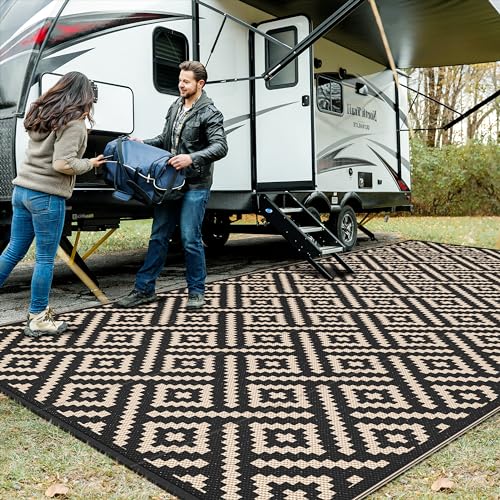
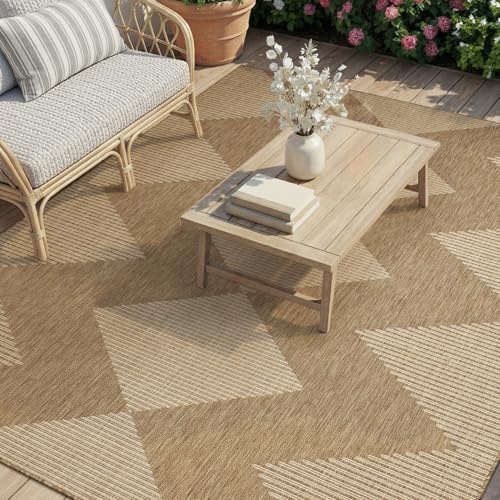


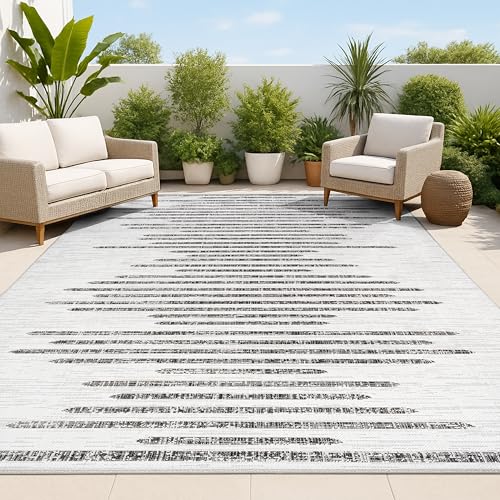


Price Tiers for the Best All Weather Outdoor Rugs
Budget Rugs, About $30 to $70
A budget tier rug, often around $30 to $70 for a common patio size, suits renters, first balconies, and seasonal setups you plan to change in a year or two. Most are woven from polypropylene with simple patterns and a light build that rolls up easily for storage. Expect decent rain resistance and easy hosing off, but thinner fibers that show wear in heavy traffic lanes. The main trade off is lifespan. Colors fade faster in direct sun, and edges may curl sooner than on heavier rugs.
Midrange Rugs, About $70 to $150
The midrange tier, around $70 to $150, is where most patios land happily. You get denser weaving, better UV treatment, and patterns with enough detail to hide everyday dirt between cleanings. These rugs lie flatter, resist mildew better after rain, and feel more substantial underfoot. They suit family decks, outdoor dining areas, and porches that stay furnished all season. The compromise is weight and drying time. A dense rug holds more water after a storm and needs a sunny day or a railing to dry fully.
Premium Rugs, About $150 to $300
Premium rugs, around $150 to $300 and up, pay for fiber quality and construction that hold up in open, unsheltered spaces. Look for solution dyed fibers that resist fading through the whole strand, tight flat weaves that shrug off chair legs, and finished edges that do not fray. Designs in this tier often mimic indoor textiles while staying fully outdoor safe. If your rug will sit in full sun and year round rain, the longer service life can make the higher price the cheaper choice per season.
What Your Money Gets You at Each Price Tier
Budget Tier: What to Expect
Budget rugs use basic polypropylene or recycled plastic straw construction. They handle rain well because the fibers do not absorb water, and they are light enough to shake out in seconds. Where they fall short is texture and stability. Thin rugs can slide on smooth decking, bunch under chairs, and feel scratchy under bare feet. A rug pad underneath fixes much of that for a small extra cost. For a shaded balcony or a covered porch, a budget rug can look good for several seasons with simple care.
Midrange Tier: The Sweet Spot for Most Buyers
Midrange money buys a tighter weave and better colorfastness, which are the two upgrades you notice most by the second summer. Patterns stay clear, and the rug resists the gray, tired look that thin rugs develop. If rain is your main concern, compare construction notes with our guide to the best outdoor rugs for rainy weather, which covers drainage and drying in depth. Most midrange rugs also come in more sizes, so you can fit a dining set properly instead of settling for a near size.
Premium Tier: When Spending More Pays Off
Premium pricing shows up in the details: fibers dyed before weaving, stronger binding, and backings that grip without trapping moisture against wood decking. These rugs tolerate pressure washing better and resist stains from soil and leaves that sit over winter. Shoppers who value build quality above all can compare notes in our guide to the best quality outdoor rugs. Spend at this level for uncovered decks, poolside areas, and homes where the rug stays out all year, because replacement cycles are where premium value appears.
Features Worth Paying For (and Ones to Skip)
Heat, Sun, and Breathability Underfoot
Dark rugs in full sun can get hot enough to bother bare feet, so color choice is a comfort feature, not only a style one. Lighter tones and flat weaves stay cooler, while thick pile traps heat and moisture. Under a covered porch, heat matters less, and you can choose by look and feel. Also think about airflow under the rug. A rug that lets the deck dry after rain protects the boards below, so avoid solid rubber backings on wood unless the maker confirms they are safe for that surface.
Size and Fit
Measure your space before you shop, and aim for a layout where front chair legs stay on the rug when people sit down. For dining areas, allow about 24 inches of rug beyond the table on each side so chairs slide without catching the edge. On a deck, leave a border of bare boards visible so the area looks intentional and water can drain. Our guide to the best outdoor rugs for deck covers layout for common deck shapes. A rug that is slightly small looks far worse than expected, so when you fall between sizes, choose the larger one.
Durability and Care
The most durable outdoor rugs are flat woven with no cut pile to trap dirt. Shake or vacuum them weekly, hose them down monthly in season, and let them dry fully before rolling or replacing furniture. Stains respond best when treated the same day with mild soap and water. Check the care label for bleach tolerance before using strong cleaners, because some dyes are not colorfast to chlorine. A rug you can clean in place, without dragging it to a driveway each time, is a rug that stays clean in real life.
Material and Fill
Polypropylene is the workhorse fiber for outdoor rugs because it resists water, mildew, and fading at a fair price. Polyester gives softer texture and vivid color but can hold more water. Natural fibers such as jute look warm and textured, yet they absorb moisture and belong only under full cover. Recycled plastic straw rugs are nearly indestructible and drain instantly, though they feel firmer underfoot. For a deeper comparison of fibers and weaves, see our guide to the best material for outdoor rugs. If you want a cushioned feel, add a thin outdoor rug pad rather than choosing a thick pile rug, because pads dry faster and can be replaced separately. Shoppers setting up a full patio layout may also find layout ideas in our guide to the best outdoor patio rugs.
Long Term Costs to Factor In
Beyond the rug itself, budget for a rug pad if your surface is smooth, plus storage space or a storage bag if you roll the rug away for winter. Replacement timing matters to total cost. A budget rug replaced every two seasons can cost more over six years than one midrange rug that lasts the whole period. Cleaning costs stay low, mostly soap and water, but a damaged rug left wet against wood decking can create repair costs far beyond the rug price. Lift and dry the area under your rug a few times each season, whatever tier you buy.
Frequently Asked Questions
Can an all weather outdoor rug stay outside in winter?
Yes, most polypropylene rugs can stay out in winter in mild climates, and many survive cold climates too if they can dry between storms. The risk is trapped moisture freezing under the rug and staining or damaging decking. A practical habit is to roll the rug up during the wettest month and store it dry. If you leave it out, lift a corner after storms to check that the surface below is drying.
How often should I replace my weather outdoor rug?
Replace it when the fibers thin in traffic lanes, the edges fray beyond trimming, or fading makes the pattern look patchy even after cleaning. That is often three to five years for a midrange rug in open weather. One early sign is a rug that stays damp and smells musty a day after rain, which means the weave is holding debris deep inside. Replacing at that stage protects the deck surface underneath.
How do I wash weather outdoor rugs safely?
Start with a shake and a vacuum, then hose the rug and scrub stains with mild soap and a soft brush. Rinse until the water runs clear, because soap residue attracts dirt. Dry the rug fully over a railing or on a clean sloped surface before putting furniture back. Avoid pressure washer jets at close range, which can split fibers and strip color. Letting both sides dry prevents the mildew smell that ruins many rugs.
Is a rug pad worth it under an outdoor rug?
Yes, a pad is worth it on smooth concrete, tile, and composite decking, where rugs creep every time a chair moves. A pad also adds comfort and lets air circulate, which speeds drying after rain. Choose a pad made for outdoor use with open construction, not an indoor foam pad that will hold water and break down. Cut the pad about two inches smaller than the rug on each side so it stays hidden.
Is a denser weave always better for outdoor rugs?
No, a denser weave is better for durability and a smoother feel, but it also holds more water and dries more slowly. On an uncovered deck with frequent rain, a lighter flat weave can be the smarter choice because it sheds water and dries in hours. Density matters most in high traffic and dining areas where chairs drag daily. Match weave weight to your rainfall and traffic, not to a simple more is better rule.
Final Thoughts
Choose fiber first, size second, and pattern last. Polypropylene in the right size for your furniture, at the tier your exposure demands, will serve you well for years. The best all weather outdoor rugs for your space are the ones that dry fast, lie flat, and still look good after a full season of sun. Compare your shortlist in the product table above, measure once more, and order with confidence.