Best Battery Powered Smoke Detectors Buying Guide 2026
Disclosure: We may earn a commission when you buy through links on this page, at no extra cost to you. As an Amazon Associate I earn from qualifying purchases. Learn more

Choose the best battery powered smoke detectors by comparing sensor type, interconnection, battery life, placement, and lifespan for your home.
A home alarm that works when you need it starts with the right match for your rooms, your wiring, and your habits. Best battery powered smoke detectors give you flexible placement because they do not need a wired connection in every room, and many models can link together so one alarm can alert the whole home. This guide explains sensor types, power options, placement, and upkeep in plain language, and the product table can help you compare the main options side by side.
Before you buy, think about where smoke is most likely to start, how far sound must travel, and who needs to hear the alarm. A kitchen, a bedroom hallway, a basement, and a garage each raise different questions about false alarms, hearing the signal, and battery changes.
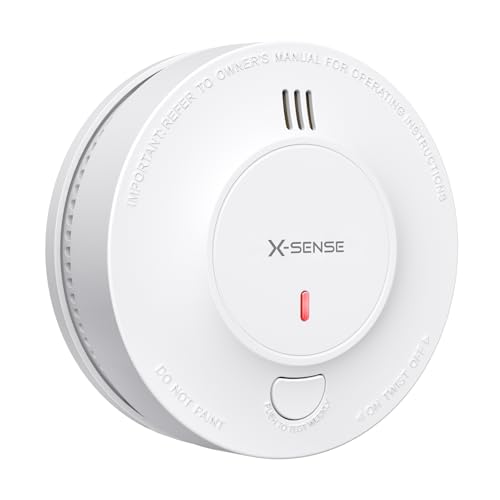
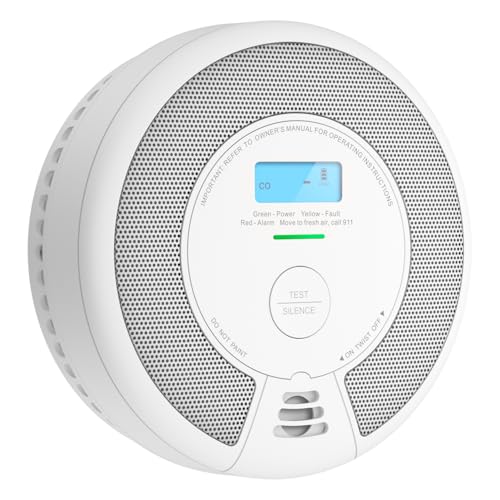
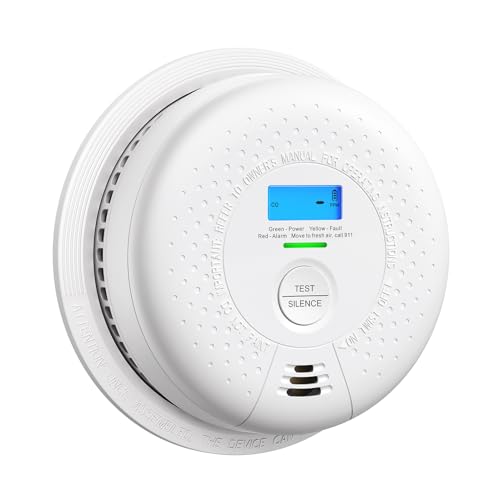
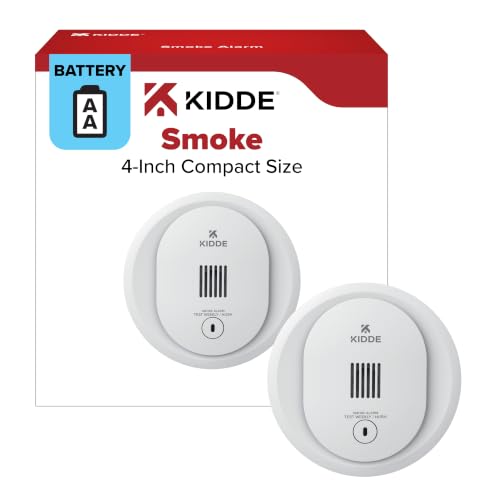
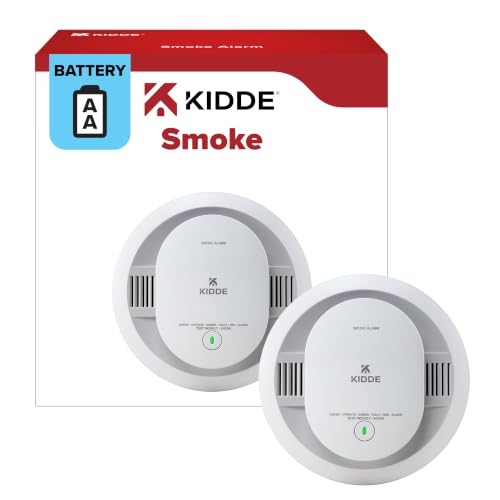

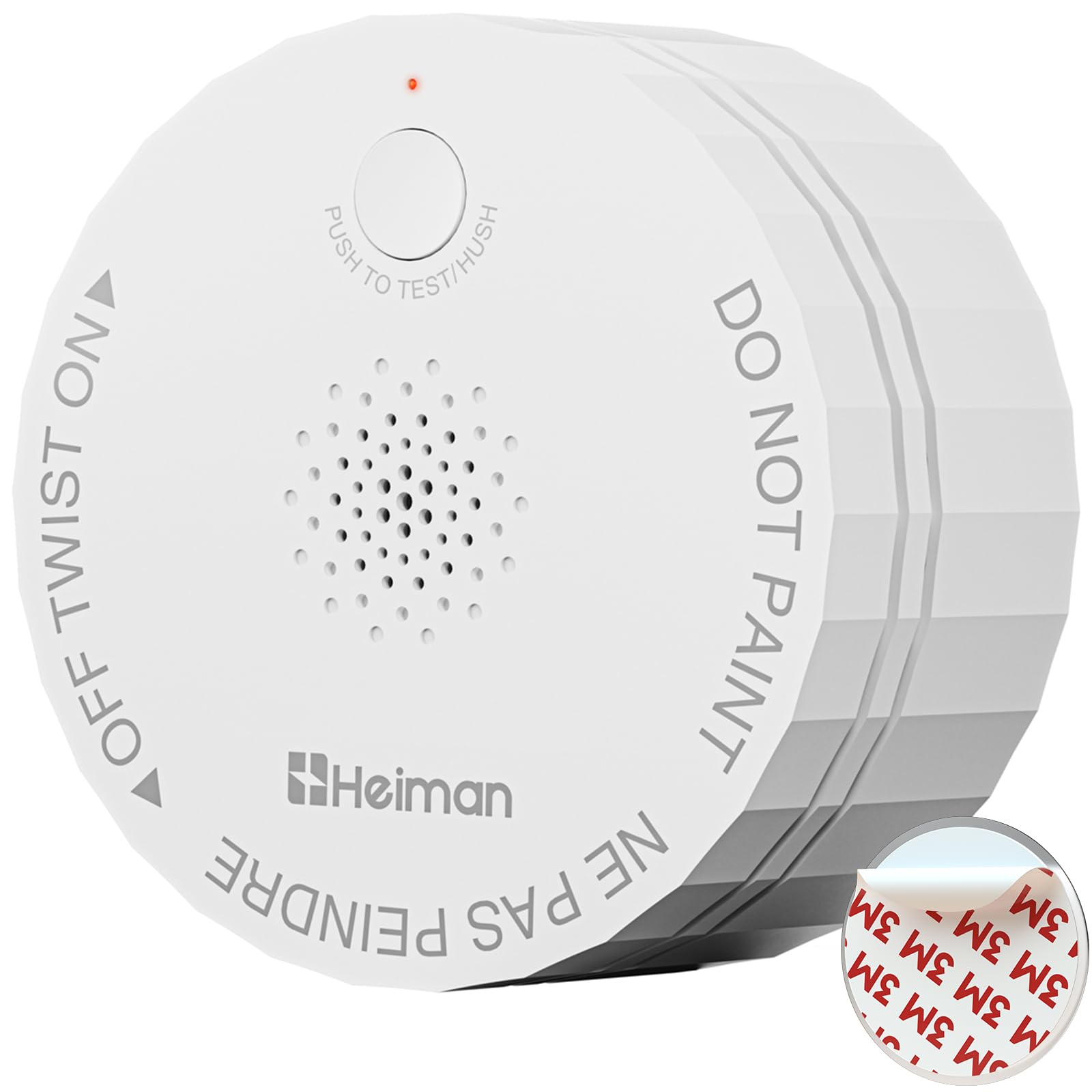
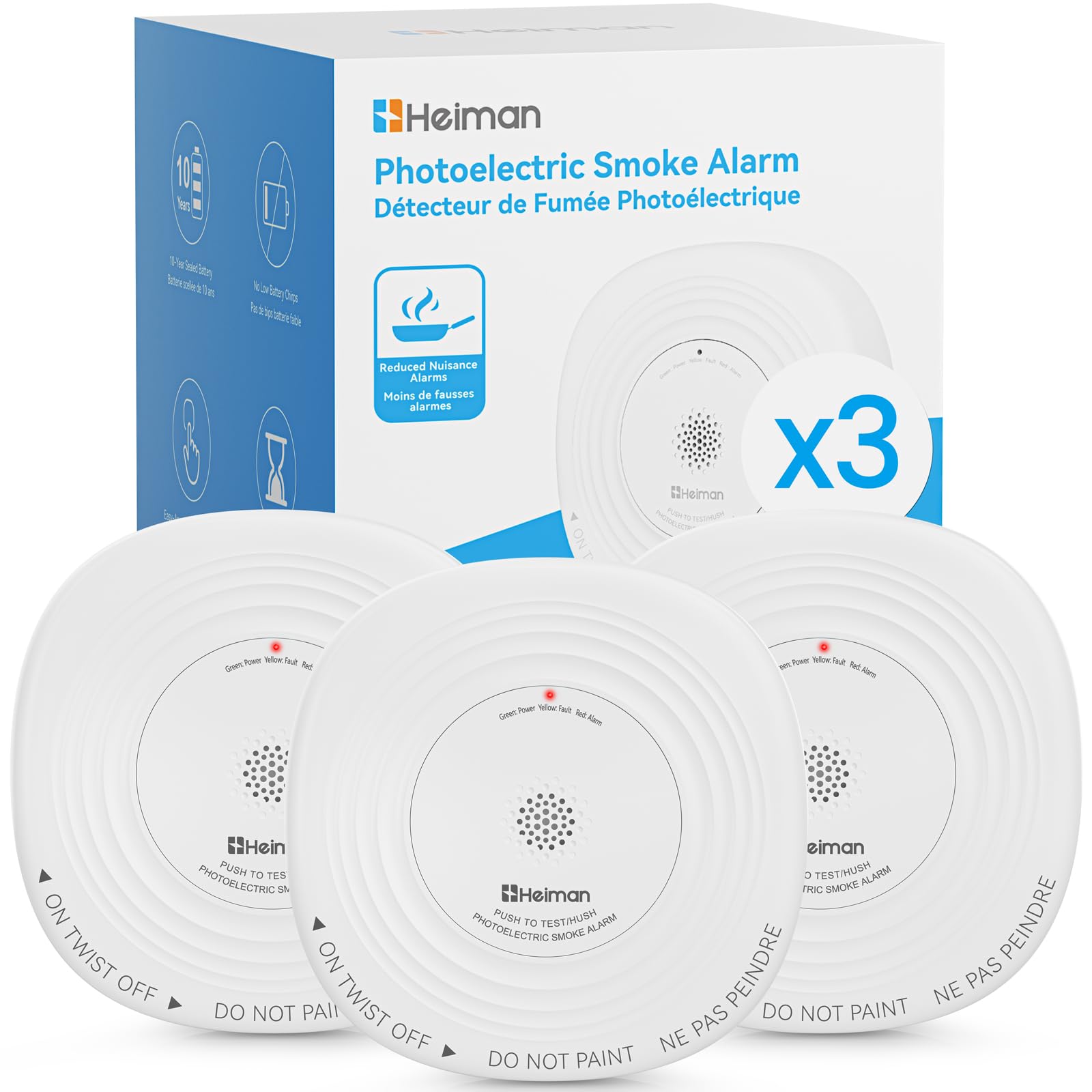
What Different Spending Levels Get You
The best battery powered smoke detectors at each price level differ mainly in how they link, how long the battery lasts, and what alerts they send.
Simple battery alarms usually cost about $20 to $40 each. They sound locally in the room where smoke is detected, and they suit a small home, a single bedroom, or a rental where you want basic coverage without wiring work. Look for a clear test button, a hush control, and a battery type you can find easily at a local store.
Interconnected battery alarms usually cost about $40 to $80 each. When one alarm senses smoke, the linked alarms in other rooms sound as well, which helps in a larger home or a home with bedrooms far from the kitchen. Some use a wireless link, while others connect through a home network, so check how the link is set up and what happens if one unit loses power.
Smart connected alarms usually cost about $80 to $150 each. They can send a phone alert when you are away, show which room triggered the alarm, and sometimes report a low battery before the alarm starts chirping at night. These features help if you travel often, but they still need the same placement and testing habits as a simpler alarm.
How to Choose a Smoke Detector for Your Home
Sensor Type and What Each One Detects Best
Ionization sensors respond quickly to fast flaming fires that produce small smoke particles. Photoelectric sensors respond well to slow smoldering fires that produce larger particles, such as a fire starting in bedding or upholstery. Dual sensor alarms combine both approaches in one unit, which can be useful in a hallway that serves several rooms.
Interconnection and Smart Alerts
Interconnection means that when one alarm sounds, every linked alarm sounds too. That shared alert matters at night, when a fire in a distant room might otherwise go unheard behind a closed bedroom door. Wireless interconnection avoids running new wires, but you should confirm the range through your walls and floors before you rely on it.
Power Source and Battery Life
Replaceable battery alarms let you swap in fresh cells and keep using the same unit, but they depend on you remembering the change. Sealed battery alarms use a built in cell that is rated for about 10 years, which removes yearly battery swaps and reduces the chance of a dead battery going unnoticed. A plug in alarm with a battery backup keeps working during a power cut, while a fully battery powered unit keeps working anywhere you can mount it.
Nuisance Alarm Reduction
False alarms near a kitchen are a common reason people remove a battery or disable an alarm, and that choice leaves a home unprotected. A hush button lets you silence a known cooking alarm for a short time without removing power, and a photoelectric sensor may be less likely to react to kitchen steam than an ionization sensor. Placement also matters, because an alarm too close to a stove or a steamy bathroom door will sound more often.
Placement Requirements for Every Level
Place an alarm inside every bedroom, outside each sleeping area, and on every level of the home, including the basement. Keep alarms on the ceiling or high on a wall, following the maker guidance for distance from corners and peaks. Do not place an alarm in a garage unless the maker says it is rated for that space, because dust and exhaust can cause frequent false alarms or damage the sensor.
Lifespan and Replacement Timing
Most smoke alarms should be replaced after about 10 years, even if the test button still sounds. Sensors lose sensitivity over time, and dust can build up inside the unit in ways that cleaning cannot fully fix.
Types of Battery Powered Smoke Detectors
Hardwired Alarms and Their Battery Backup
Hardwired alarms draw power from the home wiring and use a battery only as a backup during a power cut. They suit a new build or a remodel where wiring is already planned, and they often interconnect through the wiring itself. If your home has no alarm wiring, adding it can mean opening walls, so a battery powered interconnected set may be a simpler way to get the same shared alert.
Combination Smoke and Carbon Monoxide Alarms
A combination alarm senses both smoke and carbon monoxide in one unit, which can simplify placement in a hallway near bedrooms. It reduces the number of units on a ceiling and gives one clear location to test each month. Check whether the unit uses separate sensors and separate alarm sounds for smoke and carbon monoxide, because a distinct sound helps you tell the two dangers apart in an emergency. Our guide to the best smoke and carbon monoxide detector covers these units in more detail.
Carbon Monoxide Only Alarms
A carbon monoxide only alarm does not replace a smoke alarm, and it should be added where fuel burning equipment is used, not used as a substitute. It suits a home that already has smoke coverage but needs an added alarm near a furnace, a water heater, or an attached garage. Place it at the height the maker advises, because guidance for this gas differs from guidance for smoke, which rises to the ceiling.
Smart Connected Alarms
Smart connected alarms add phone alerts, room names, and sometimes a record of past alarms and low battery warnings. They suit a household that travels, a landlord who wants a remote warning, or a family that wants to know which room triggered the alarm.
How to Make Your Battery Powered Smoke Detector Last Longer
- Test alarms monthly by pressing the test button and listening for a strong, clear sound in every room.
- Replace the whole unit every 10 years, and keep a note of the install date where you can find it.
- Install an alarm on every level and outside sleeping areas so sound reaches each bedroom.
- Vacuum dust from vents twice a year with a soft brush attachment, and never paint over an alarm.
- Replace replaceable batteries at the first low battery chirp, and keep spare cells in a dry place.
- Check the interconnection after any battery change or move, so a linked alarm still sounds with the others.
If an alarm fails a monthly test, replace it rather than waiting for the next scheduled change. A guide to best battery for smoke detectors can help you match the right cell type to your unit, and a guide to best aa batteries for smoke detectors is useful when your alarms use standard cells. For a larger home, see our guide to best interconnected battery smoke detectors to compare linked sets, and our guide to best smoke detectors battery operated covers battery only models in more detail.
Frequently Asked Questions
Where should I install smoke and carbon monoxide detectors?
Install a smoke alarm inside every bedroom, outside each sleeping area, and on every level, and add a carbon monoxide alarm near sleeping areas and fuel burning equipment. Keep smoke alarms on the ceiling or high on a wall, away from kitchen steam and bathroom moisture where possible. A hallway alarm outside bedrooms works best when it can be heard with doors closed, so check the sound from inside each bedroom after you mount it. If you use a combination unit, follow the maker guidance for that model, because the best height can differ by sensor type.
How long do smoke detectors last?
Most smoke detectors last about 10 years from the date they were made, not from the date you first installed them. Check the date printed on the back of the unit, because a unit that sat on a shelf for a year has already used part of that life. Replace the whole unit at the end of that period, even if it still sounds during a test, because sensor sensitivity can fade without an obvious warning. Keep a simple list of install dates for each room so replacement is easy to plan.
Hardwired or battery: which is better for an older home?
A battery powered set is often easier in an older home because it needs no new wiring and can be mounted in a day. A hardwired set gives a steady power supply with a battery backup, but adding wiring can mean cutting into walls and hiring an installer. Wireless interconnection gives a battery set much of the shared alert benefit of a wired set without that work. Choose the option you are most likely to test and maintain, because a well kept battery set serves a home better than a wired set that is ignored.
Do I need separate smoke and carbon monoxide alarms?
You can use a combination alarm that senses both dangers, or you can use separate alarms placed where each danger is most likely. Separate alarms let you place a carbon monoxide unit at the height its maker advises, while smoke alarms stay high on the ceiling. A combination unit simplifies testing and reduces ceiling clutter in a small hallway. Either approach works if every bedroom and level has smoke coverage and fuel burning areas have carbon monoxide coverage, and each unit is tested monthly.
What should I look for in the best rated battery powered smoke detectors?
Look for a sensor type that fits the room, a clear test and hush control, a battery plan you will follow, and interconnection if bedrooms are far apart. A sealed 10 year battery suits a buyer who wants fewer changes, while replaceable cells suit a buyer who wants a lower upfront cost. Check the maker guidance for placement, lifespan, and cleaning before you buy, and confirm the alarm meets the safety standard listed on its label. A highly rated unit still needs monthly testing and timely replacement to do its job.
Final Thoughts
The right alarm for your home is the one that fits your rooms, links well enough to be heard everywhere, and gets tested every month. Sensor type, power source, and placement matter more than extra features, and a simple interconnected set often beats a feature rich set that is poorly placed. For a final check before you buy, look over the picks in the product table and choose the best battery powered smoke detectors for your layout and habits.
Remember that no alarm can guarantee safety on its own. Check alarms regularly, replace them per maker guidance, and make a simple escape plan that every person in the home knows. If an alarm sounds and you smell smoke or suspect carbon monoxide, leave the home and call emergency services from outside rather than searching for the source first.