
Best A4 Printers of 2026: Complete Buying Guide
Disclosure: We may earn a commission when you buy through links on this page, at no extra cost to you. As an Amazon Associate I earn from qualifying purchases. Learn more
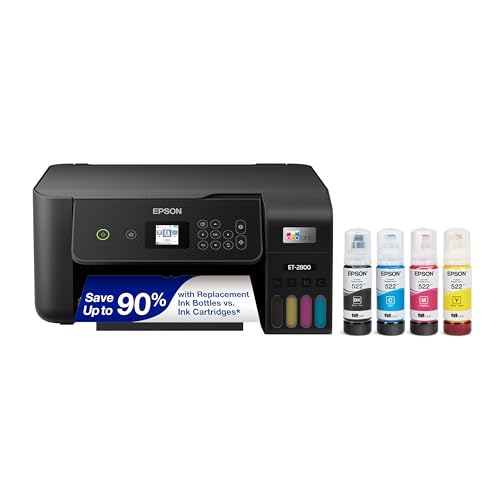
A buying guide to the best a4 printers: printer types, running costs, paper handling, and the features that matter most at home.
Almost every home and small office needs a printer that simply works: school assignments, shipping labels, contracts, boarding passes, and the odd photograph. The hard part is that A4 printers look nearly identical on a shelf while behaving very differently over two or three years of ownership. This guide shows you how to judge the best a4 printers by running costs, reliability, and fit for your actual workload.
Start with how much you print in a normal month and what most of those pages look like. That one answer drives nearly every recommendation below, and it will make the comparison table below far easier to use.
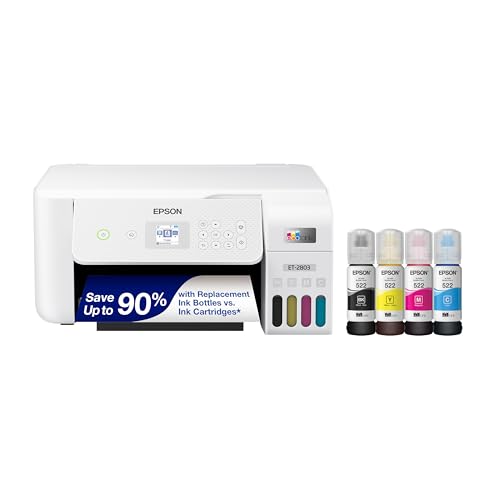
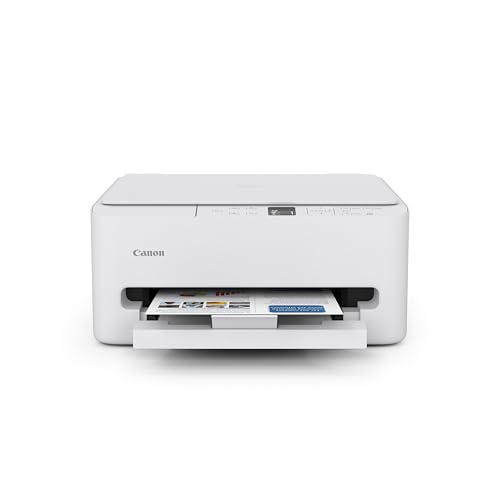


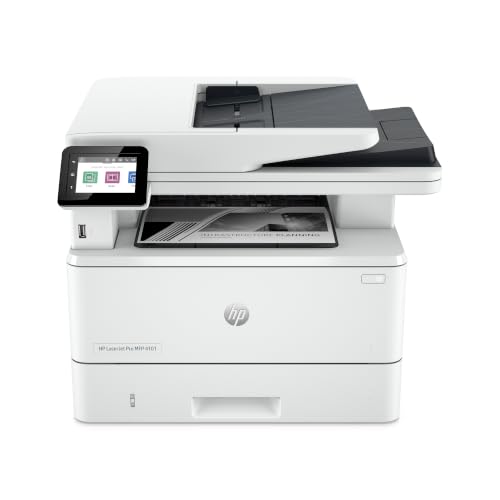
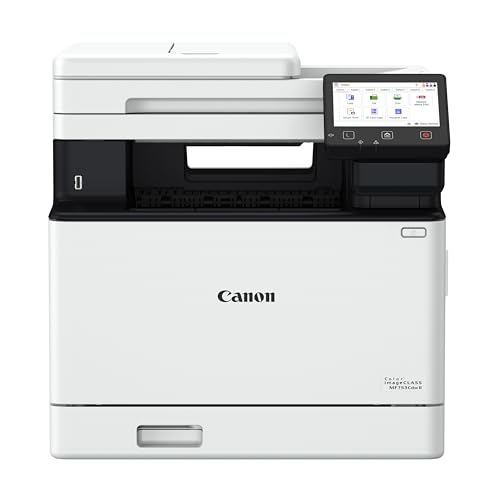
How the Main Price Tiers Compare
Instead of a list of named models, use these three tiers to judge anything in the product table above. Prices are approximate for the US market.
The All Round Tier
All round A4 printers, usually around $200 to $350, balance purchase price, speed, and running costs for a busy household or small office. Expect automatic two sided printing, a document feeder on many models, dependable WiFi, and ink or toner supplies sized for hundreds of pages. This tier suits families printing schoolwork weekly and home workers printing documents daily. If you want one machine that handles nearly everything without drama, start your shortlist here and compare running costs carefully.
The Value Tier
Value models around $100 to $200 keep the upfront cost low and cover everyday documents well. The trade offs are slower printing, smaller starter ink supplies, and fewer paper handling extras. They make sense for light users who print a few pages a week and mostly need reliability on demand. Watch the replacement cartridge prices before you buy, because a cheap printer with costly ink stops being a bargain within the first year of regular use.
The Beginner Friendly Tier
Beginner friendly printers focus on painless setup: guided phone based installation, clear ink loading, and simple controls. Many are tank models, which remove the fear of expensive cartridges and let new users print freely while learning. Expect fewer office extras such as fax or large document feeders. If this is your first printer, or you are buying for a less technical household member, this tier around $150 to $300 usually delivers the calmest first year of ownership.
How to Choose the Best A4 Printers: Buying Guide
Printer Type: Inkjet, Laser, Tank, and 3D
Inkjet printers handle the widest mix of documents and photos, and they dominate home printing. Laser printers produce crisp text at speed and suit offices that rarely print color. Tank printers are inkjets with refillable reservoirs that slash ink costs for higher volumes. Resin and FDM 3D printers are a separate category for making objects, not documents. Choose the type by your dominant page: text heavy work points to laser, mixed home use to inkjet or tank.
Reliability and Support
A printer you can fix quickly beats a slightly faster one you cannot. Check that the maker still publishes driver and firmware updates for current operating systems, and that replacement ink is stocked by major retailers rather than a single obscure seller. Our guide to the best quality printers digs into build and longevity if durability tops your list. A two year warranty and a reachable support line are worth real money on a machine your household depends on weekly.
Ease of Setup and Calibration
Good setup takes under half an hour: unbox, load ink, connect WiFi through the app, and print an alignment page. Tank models add a careful first fill, and in return they ask little of you for months afterward. For 3D printers in this wider category, auto bed leveling is the equivalent convenience, removing manual calibration. Whatever type you choose, finish the full setup and a test print on day one, not on the morning you urgently need a document.
Print Quality and Resolution
For documents, judge quality by text edges at small sizes and by how evenly large black areas fill. Resolution figures such as 1200 by 1200 DPI or higher are plenty for text and graphics. Photos demand more: look for at least six ink colors or a dedicated photo black if prints matter to you. If photographs are a major part of your printing, our guide to the best printers for pictures explains paper and ink choices in far more depth than a general guide can.
Print Speed
Speed is quoted in pages per minute, and real world results run below the box figure once a job includes graphics or color. For most homes, 10 to 20 pages per minute is perfectly comfortable. What you feel more is first page time: a printer that wakes and prints in seconds suits the print one label and leave pattern of home life. Offices printing long reports should weigh speed more heavily, along with a larger input tray so paper refills do not interrupt big jobs.
Connectivity and Mobile Printing
Every modern A4 printer should offer WiFi, and dual band support keeps it stable on crowded home networks. AirPrint and the major printing apps let phones and tablets print without extra software, which matters because so many documents now live on phones first. A wired Ethernet port is worth having in an office where WiFi is unreliable. For a wider home focused comparison, see our guide to the best computer printers for home once you know which connection style your household needs.
Types of A4 Printers
Ink Tank (Supertank) Printers
Tank printers store ink in refillable reservoirs you top up from bottles. The purchase price runs higher than cartridge models, but ink costs per page drop dramatically, and most ship with enough ink for a year or more of typical home use. They suit families, students, and home offices with steady volume. The main cautions are printing regularly to keep nozzles clear and filling carefully to avoid spills during the first setup.
Resin 3D Printers
Resin 3D printers cure liquid resin with light to produce extremely detailed small objects, popular for miniatures and prototypes. They are not document printers at all, so consider one only as an additional hobby machine. Resin needs ventilation, gloves, and careful cleanup, which makes it a poor fit for a shared family desk. If that world appeals to you, start with our guide to the best three d printers and the gentler options in our guide to the best hobby 3d printers before spending anything.
Laser Printers
Laser printers fuse toner powder to the page, producing sharp text, fast output, and cartridges that can sit unused for months without drying out. Monochrome models are the cheapest way to print lots of text; color laser costs more and prints photos poorly compared with inkjet. They suit home offices and students with heavy reading loads. Warm up time and fan noise are the everyday annoyances, and replacement toner should be priced into any comparison.
Picking the Right A4 Printers for Different Uses
Best A3 and A4 Printers
Some buyers need both sizes, and the best a3 and a4 printers are really A3 machines that handle A4 as their everyday format. Choose one only if you print posters, plans, or large spreadsheets at least monthly, because you pay for the size in desk space, price, and ink system complexity. Check that the smaller size feeds reliably through the main tray, since some wide printers treat A4 as an afterthought and misfeed it more often than their native large format.
Tips to Get the Most From Your A4 Printer
- Print a small color page every week or two on inkjet models, because regular use is the simplest protection against clogged nozzles and wasted cleaning cycles.
- Use genuine ink or a reputable refill brand matched to your model, since poor quality ink is a leading cause of streaks, faded text, and printhead damage.
- Keep paper sealed and flat until loading, because curled or damp sheets cause most home paper jams.
- Update firmware when the maker releases it, as updates often fix WiFi dropouts and add support for newer phones and computers.
- If you own a 3D printer as well, keep its build plate clean and store filament in a dry box, because moisture ruins print quality quietly.
A4 Printers: Your Questions Answered
What does cost per page mean?
Cost per page is the ink or toner cost of one printed page: the supply price divided by its rated page yield. A tank printer might print a text page for about a cent or less in ink, while a cartridge model can cost several times that. One extra factor: coverage. A page of dense graphics or a full photo uses far more ink than the standard text test page behind every published figure.
Are ink tank printers worth it?
Yes, for anyone printing more than roughly a hundred pages a month. The higher purchase price returns quickly through bottle refills that cost a fraction of cartridges, and the visible ink levels end the surprise of an empty cartridge before a deadline. Very light users may never spend the difference, so estimate your real monthly volume first. Students usually cross the break even point within their first year.
Inkjet or laser: which is cheaper long term?
It depends on what you print. Laser wins for high volume text: toner yields are large, pages are fast, and idle months cause no clogging. Inkjet, especially tank models, wins for mixed home use with color and the occasional photo, where laser hardware and color toner cost far more. Count the starter supplies too, because a printer shipped with low yield starter cartridges can erase its price advantage fast.
Which 3D printer is easiest for beginners?
The easiest start is an FDM printer with auto bed leveling, a guided setup routine, and PLA filament. Resin models produce finer detail but demand ventilation and careful handling of liquid resin, so they suit patient hobbyists rather than first timers. Remember that no 3D printer replaces an A4 document printer. Most households that want both buy the document printer first and add the hobby machine later.
Our Verdict
Decide by volume and page type: tank inkjet for steady mixed home use, laser for heavy text, and cartridge inkjet only for genuinely light printing. Keep running costs ahead of sticker price and any tier will serve you well. Judged that way, the best a4 printers are easy to recognize. Take your shortlist to the product table above and confirm paper handling and ink prices before you order.


