
Best Aftermarket Ink for HP Printers: Types Compared and How to Choose for 2026
Disclosure: We may earn a commission when you buy through links on this page, at no extra cost to you. As an Amazon Associate I earn from qualifying purchases. Learn more

Compare the best aftermarket ink for hp printers by type, from compatible and remanufactured cartridges to refill options, with clear pros, cons, and prices.
Shop for ink that did not come from HP and you will meet three very different products wearing similar boxes: brand new compatible cartridges, remanufactured cartridges built from recycled genuine shells, and refill options for tank models. Each type suits a different printer, budget, and tolerance for fuss. This guide compares the types behind the best aftermarket ink for hp printers so you can pick a style first and a seller second.
Choosing the type first saves money and frustration, because most bad experiences come from a type mismatch rather than a bad brand. A home that prints ten pages a week needs something different from a small office printing invoices daily. The comparison table below lays out the main options, and the sections after it explain where each type shines and where it disappoints.

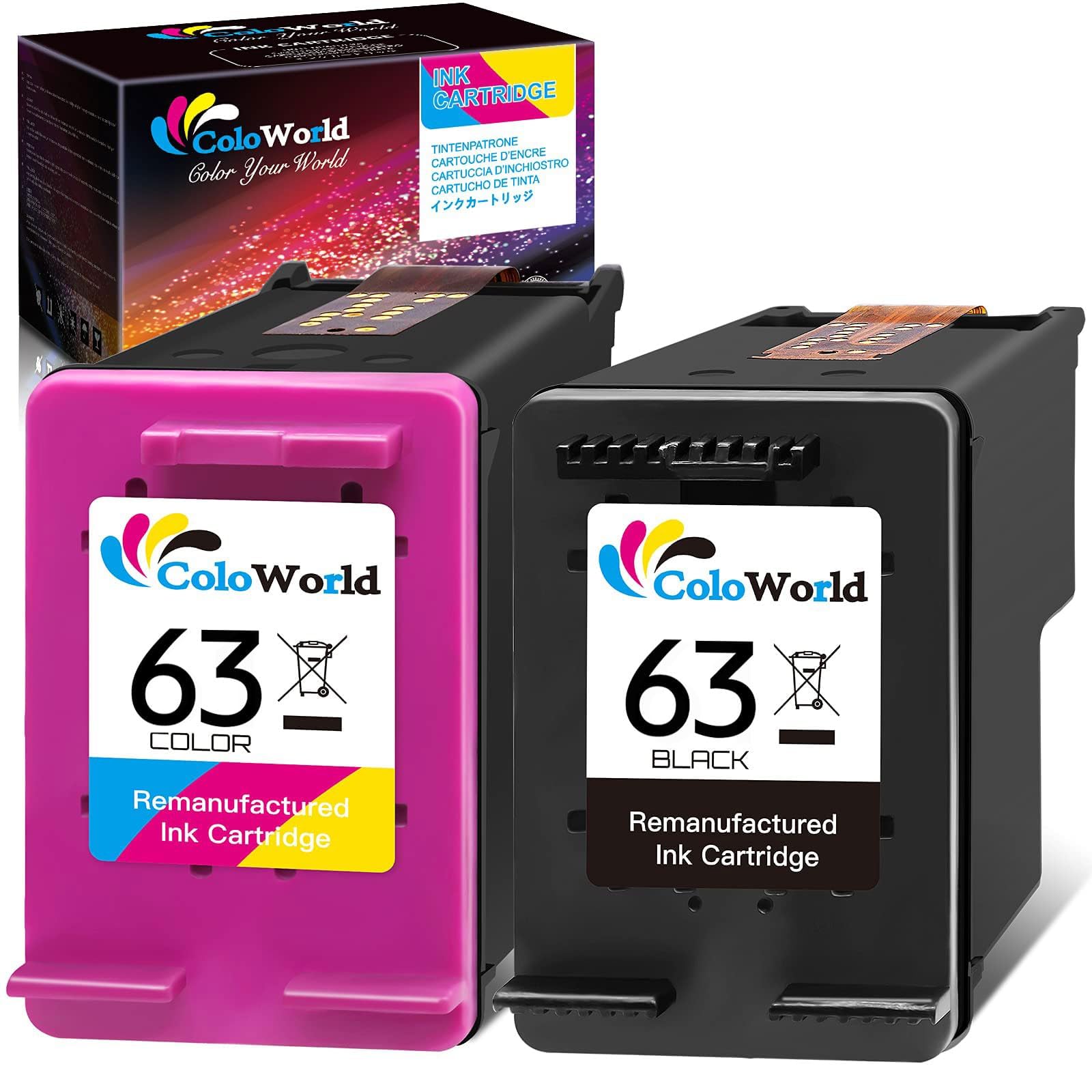


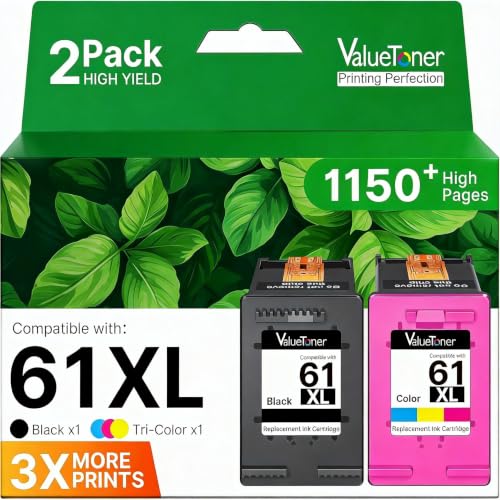
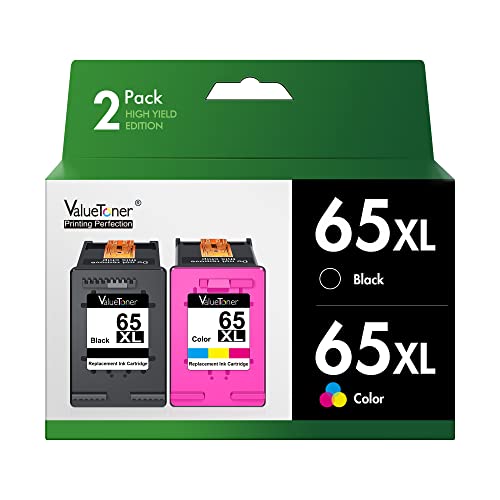


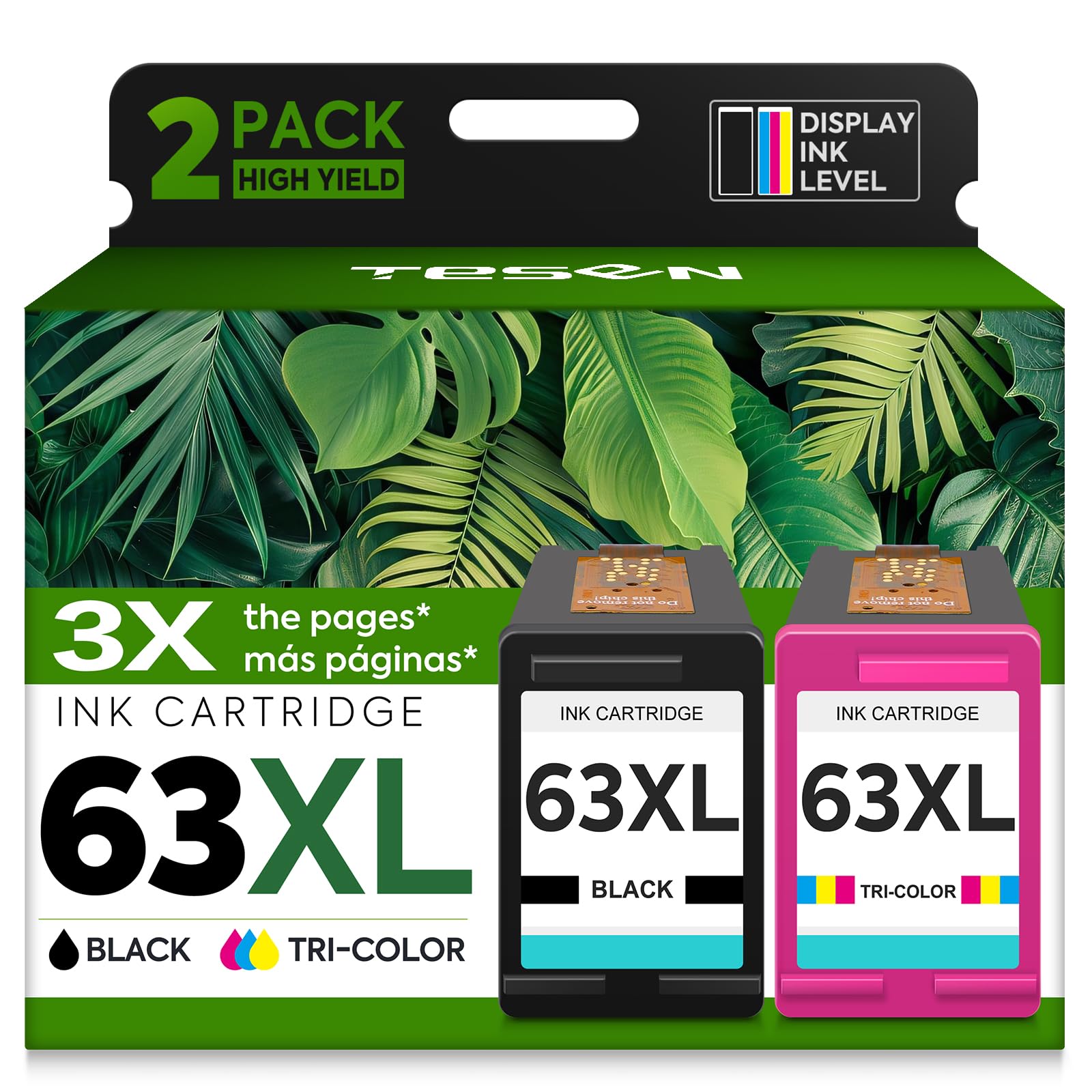
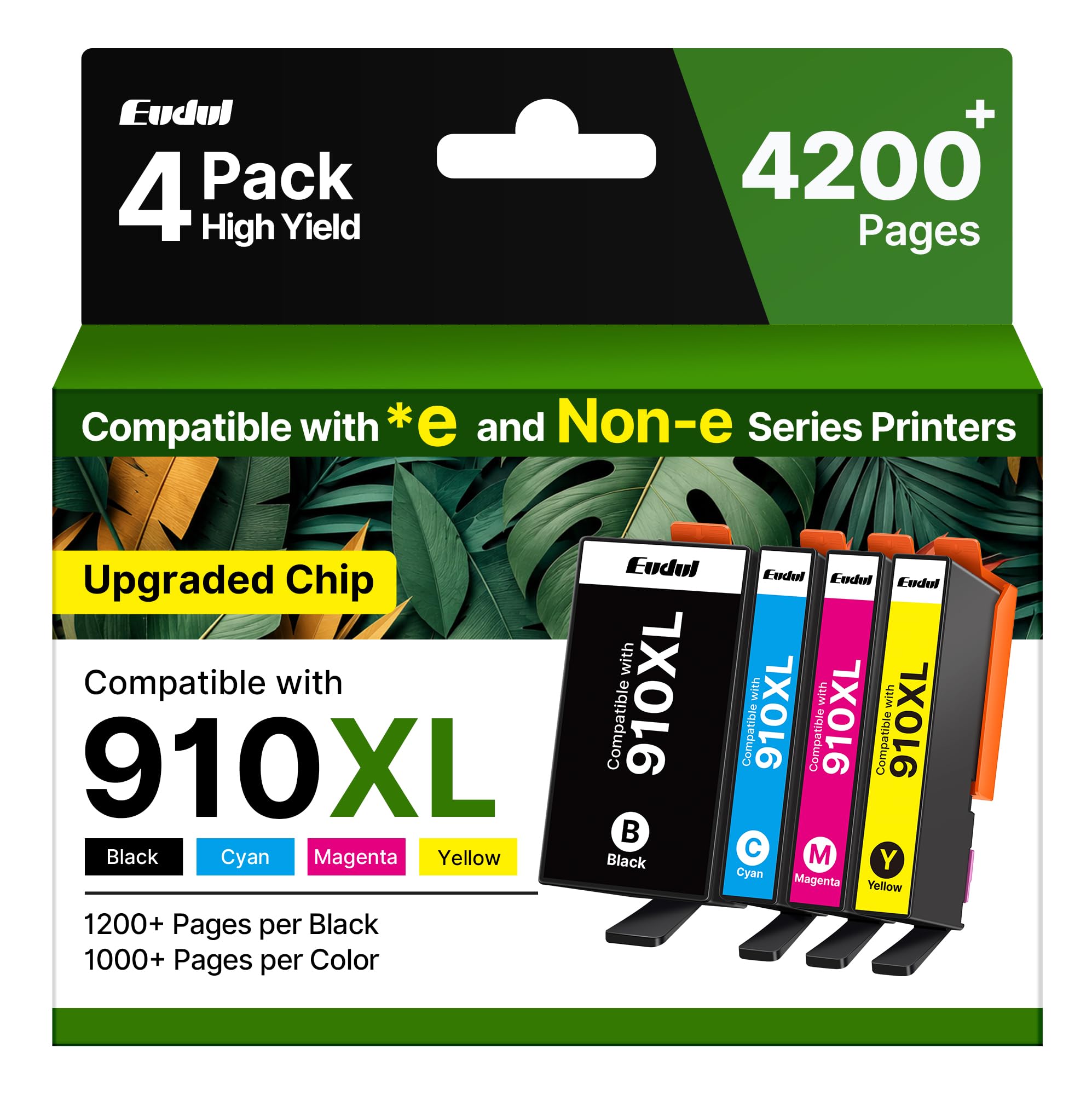
Types of Aftermarket Inks Compared
Here is the short version before the detail. Compatible cartridges are new third party builds, usually the cheapest per cartridge, with quality that depends heavily on the maker. Remanufactured cartridges reuse genuine HP shells, which helps fit and chip behavior, at a slightly higher price. Refill bottles and kits serve tank and refillable setups and deliver the lowest cost per page, but they ask for careful handling. Typical prices run from around $12 for a single compatible cartridge to around $40 or more for multipacks and high yield sets.
Compatible Cartridges: New Third Party Builds
Compatible cartridges are manufactured entirely by a third party to match the shape, chip, and ink capacity of the genuine cartridge. Their strength is price: a multipack often costs half what genuine ink costs, sometimes less. Their weakness is consistency, because a new shell and a freshly programmed chip must both behave perfectly in your printer. Buy this type from sellers who name your exact HP model, state page yield plainly, and back the cartridge with a real guarantee.
One HP specific wrinkle matters here. Many HP printers ship with firmware features that can block cartridges lacking an HP chip, and settings and model lines differ in how strict they are. A good compatible maker tests against current firmware and says so on the listing. If your printer has rejected third party cartridges before, that history is useful information, and it may push you toward the remanufactured type described next.
Remanufactured Cartridges: Recycled Genuine Shells
Remanufactured cartridges start life as genuine HP cartridges that a specialist collects, cleans, refills with fresh ink, and fits with a reset or replacement chip. Because the shell and much of the original hardware are genuine, fit is rarely an issue, and printers tend to accept them smoothly. Prices sit between compatible and genuine, and the recycled shell keeps plastic out of landfills. Quality hinges on the refilling process, so favor operations that describe print testing of every batch.
The trade off is supply and variation. Availability depends on collected empties, so an uncommon cartridge number may sell out, and ink levels can occasionally read oddly if the chip reset is imperfect. For most home and small office users, though, this type offers the calmest first step away from genuine pricing. Our dedicated guide to the best ink cartridges for hp printers walks through cartridge numbers and yield options in more depth.
Ink Tank and Refill Options
Refill options cover two situations: bottled ink for HP tank printers, and refill kits for owners who refill their own cartridges with syringes and patience. Bottled ink is simple, clean, and very cheap per page, and the bottles are keyed or shaped to reduce spills on many models. Manual cartridge refilling is the cheapest route of all but the messiest, and results vary with your technique. Choose bottles if your printer has tanks, and treat manual kits as a hobbyist option rather than a default.
Compatible vs Remanufactured: Which Should You Choose?
Compare the two main cartridge types on five points. On price, compatible wins, often by a clear margin in multipacks. On printer acceptance, remanufactured wins, thanks to the genuine shell and proven fit. On print quality, both can match genuine output for text and everyday color when the maker is careful, and both can disappoint when the maker is not. On environmental impact, remanufactured wins by reusing shells. On availability, compatible wins, since new production is not limited by collected empties.
So the practical rule is simple. If your printer has been picky, or the job is important and you want the smoothest install, choose remanufactured. If your printer accepts third party cartridges happily and you print in volume, compatible multipacks deliver the lowest cost per page. Subscription minded readers should also weigh the factory program covered in our guide to the best hp instant ink printers, which prices ink by pages printed rather than by cartridge.
How to Choose the Right Aftermarket Ink
Print Quality and Resolution
For text, almost any reputable aftermarket ink produces sharp pages, because black pigment ink is a mature formula. Color work is the real test: look for sellers who specify dye based color ink for photo models or pigment based sets for document focused office models, matching what your printer was designed around. Resolution figures such as DPI describe the printer hardware, not the ink, so judge ink by sample rich listings, stated yield, and the seller record rather than by a printhead specification.
Printer Type (Inkjet, Laser, Tank, 3D FDM/Resin)
Confirm your machine type before anything else. Inkjet cartridge printers take the compatible or remanufactured cartridges above, tank printers take bottles, and laser printers take toner, which is a different product entirely with its own aftermarket market. Resin and filament machines use no ink at all. HP sells all of these under similar naming, so check your manual or the cartridge bay label for the supply type and number your printer actually uses.
Features That Matter for HP Printers
HP printers reward attention to the chip. Dynamic security features on many models check for an HP chip, and cartridge protection settings can lock a cartridge to one printer. Practical steps follow from that: buy cartridges whose listings confirm current chip support for your model, install them promptly rather than storing them for a year, and avoid optional firmware updates until your seller confirms compatibility. Readers switching brands can compare approaches in our guide to the best aftermarket ink for epson printers, since Epson handles chips quite differently.
Paper Handling and Duplex
Paper choices interact with ink more than most buyers expect. Pigment black ink sits on the page surface and gives crisp text on plain paper, which suits duplex printing because pages resist bleed through when the second side prints. Dye inks soak in and can show through thin paper on two sided jobs. If you print double sided reports often, choose ink described as pigment based for black, and use paper of at least standard office weight for the cleanest results.
How to Make Your Aftermarket Ink Last Longer
Print a page at least once a week to prevent clogs, because ink that moves does not dry in the nozzles. Store spare cartridges upright, sealed, and away from heat, and install a fresh cartridge soon after opening it. Use genuine or reputable ink for jobs that must look perfect, and let aftermarket ink handle drafts and everyday pages while you build trust in a seller. Keep printheads clean through the printer maintenance menu rather than with household cleaners, and always finish a cleaning cycle with a nozzle check page so you can see whether it worked.
FAQs
What features matter most in aftermarket inks for hp printers?
Chip compatibility, honest yield, and seller support matter most for HP models. The chip decides whether the printer accepts the cartridge at all, so listings that confirm support for your exact model and current firmware deserve priority. Yield stated clearly lets you compute cost per page. A seller who answers model specific questions before purchase is also a strong signal that returns will be handled fairly if a cartridge misbehaves.
Inkjet or laser: which is cheaper long term?
At light home volumes, inkjet with aftermarket ink is usually cheaper, because the hardware costs less and compatible cartridges keep page costs low. At heavy text volumes, laser pulls ahead, since toner yields run into the thousands of pages and never dry out. The crossover depends on your monthly page count. A few hundred pages a month favors inkjet economics, while a busy office printing daily often saves with laser over a two year span.
Are ink tank printers worth it?
Yes, for regular printers of schoolwork, photos, and business documents, tank models are worth it because bottled ink drops cost per page dramatically. The higher purchase price earns itself back fastest when the printer works every week. Infrequent users may never finish the starter bottles before the ink ages. If your current HP is a cartridge model, compare the remaining life of that machine against the tank upgrade cost before switching.
What does cost per page mean?
Cost per page is simply the supply price divided by its page yield, and it exposes the real gap between ink types. A compatible cartridge at around $14 yielding 400 pages costs about three and a half cents per page, while a genuine cartridge at a higher price and similar yield can cost two or three times more. Yields assume light coverage, so photo printing raises your true figure, but the ranking between types stays roughly the same.
Will aftermarket ink void my HP printer warranty?
Using aftermarket ink does not by itself void a printer warranty in the United States, under the same consumer protection rules that apply to other products. A manufacturer can decline coverage for damage it can show was caused by a supply, which is one more reason to buy from established sellers and keep receipts. If a cartridge leaks or is rejected, document the problem with photos and contact the ink seller first, since reputable sellers replace faulty cartridges quickly.
Our Verdict
Pick the type before the brand: remanufactured for the smoothest install, compatible multipacks for the lowest cost per page, and bottled ink if your HP has tanks. Then verify chip support for your exact model and buy from a seller with a clear guarantee. For a broader view across brands, our overview of the best ink for printers and our roundup of the best hp printers are good next stops. Chosen that way, the best aftermarket ink for hp printers in the product table above will save you money without turning printing into a chore.


