
Best 90s Point and Shoot Cameras in 2026: Types Compared and How to Choose
Disclosure: We may earn a commission when you buy through links on this page, at no extra cost to you. As an Amazon Associate I earn from qualifying purchases. Learn more

Compare 90s point and shoot camera types by lens, flash, autofocus and used condition, with checks for film, batteries and care before you buy a camera.
Choosing among the best 90s point and shoot cameras can feel confusing because the decade produced everything from simple party cameras to advanced compacts with fast glass. All of them shoot film, and almost every example you find now is secondhand. This guide compares the main types and the checks that matter, so you can read the comparison table below with confidence.
Start with how you plan to shoot. A travel roll, a family party and a careful street project ask different things of a lens, a flash and a used shutter. The sections below sort buyers by those habits first, then explain the points that decide whether a camera still earns its price today.


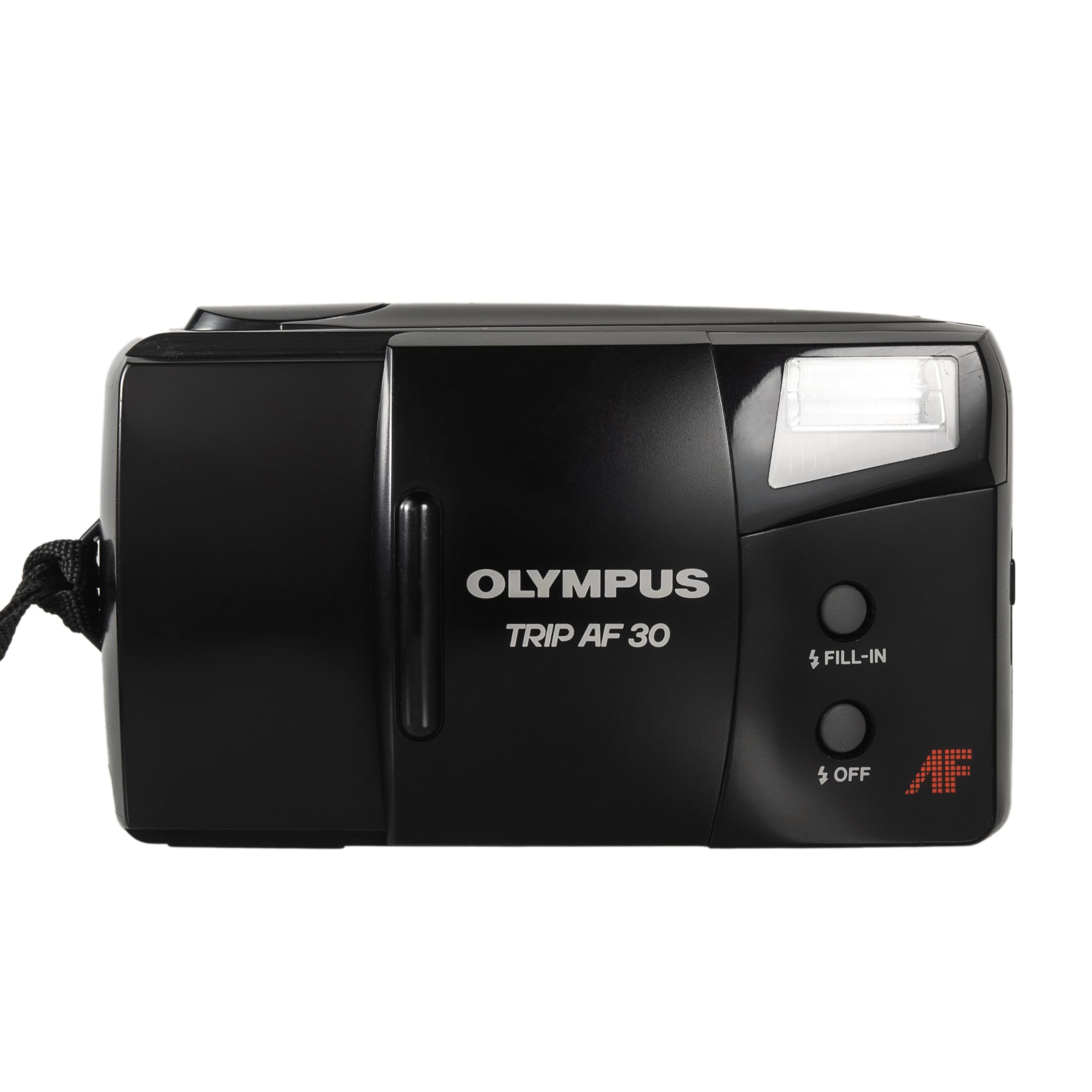
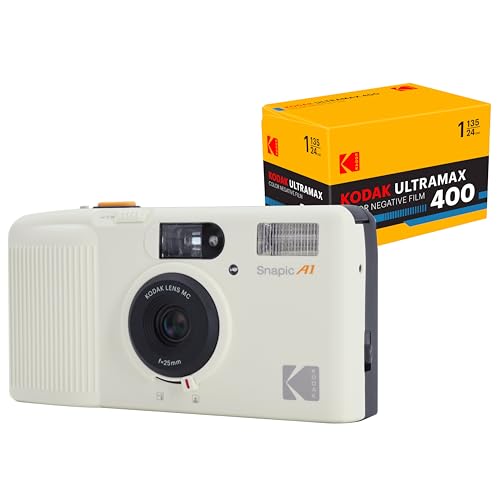
Who Should Buy Which 90s Point and Shoot Cameras?
The decade matters here. These cameras were built before digital previews, so ease, flash habits and film cost shape every choice.
Film Revival Hobbyists Learning on 35 mm Film
You want the film look and a slower pace, but you do not want a manual camera yet. Choose a fixed lens compact with clear autofocus and a flash you can turn off, because natural light teaches you more about film speed and color. Start with one model in proven working order. If you want the wider film picture first, see our guide to the best film cameras point and shoot.
Travelers Who Want One Small Film Camera
You walk all day and shoot buildings, meals and friends on the same roll. Choose a zoom compact that still fits a jacket pocket, because a camera left at the hotel takes no pictures at all. Splash resistance helps in light rain. Our guide to the best point and shoot cameras for travel covers the broader travel shortlist.
Party and Family Snapshot Shooters
You shoot indoors, at night and at close range. Choose a simple autofocus model with a strong built in flash and red eye reduction, because most of your misses will come from dim rooms and moving people. A date imprint can suit family rolls, since it stamps the day onto the print itself.
Key Features to Compare
Compare these points in order, because condition can outweigh a famous name. That is why the best 90s point and shoot cameras today are often clean, ordinary examples with working motors, not rare examples sold untested.
Lens Type, Focal Length and Aperture
A fixed lens is usually 28, 35 or 38 mm and often opens to about f/2.8 to f/4, which gathers more light in shade. A zoom lens usually covers about 38 to 105 mm, which helps with portraits and distant signs, but its widest aperture at full zoom may be near f/11, so flash becomes essential. Choose fixed for low light, and zoom for framing choice on trips.
Autofocus, Focus Lock and Close Focus
Most models use active infrared autofocus, measuring distance with a beam and setting the lens before the shutter fires. It works well in dim rooms, but glass windows and subjects at the frame edge can fool it, since the beam reads what sits in the center. Use focus lock by centering your subject, pressing the shutter button halfway, then reframing. Check close focus too, because many focus no closer than about 12 to 20 inches.
Built In Flash Modes and Red Eye Control
The small flash is a defining tool on these cameras, not an extra. Auto flash fires in low light, fill flash adds light to shaded faces at noon, and flash off suits museums and sleeping children. Red eye reduction uses a lamp or early flashes to shrink pupils first. Range is short, often about 10 to 15 feet indoors, so step closer rather than zooming from across a dark room.
Film Loading, DX Coding and Motor Drive
Nearly all models read DX codes on the film canister and set the film speed for you, then advance each frame with a small motor. Drop in loading makes the first roll simple, but watch the counter move after the first shots, because a missed leader means blank film. Speeds from ISO 100 to 400 suit most daylight and flash work.
Used Condition, Light Seals and Shutter Health
Age is the biggest variable, so inspect before you pay. The lens should look clear, without white haze, spreading fungus or deep scratches, and the zoom should extend smoothly. Foam light seals around the film door often turn sticky with age and can leak light onto negatives. Fire the shutter, check the film door latch, and look for corrosion in the battery compartment.
Power Source and Viewfinder Clarity
Most models run on one CR123A or CR2 lithium cell, while simpler ones use AA batteries. Confirm the type before you bid, and carry a spare on trips since the motor, flash and zoom all draw from it. The viewfinder should look bright and clean, with frame lines you can read in sun.
Types of 90s Point and Shoot Cameras Compared
Each type trades light, reach and toughness differently.
Premium Fixed Lens Compacts
These pair a fast 28 or 35 mm lens with exposure controls that simpler models omit, and they reward careful framing with sharp results. Clean working examples often cost about $300 to $800, and repairs can be hard to source. Choose this type when image quality matters most.
Versatile Zoom Compacts
These cover wide scenes and tighter portraits, usually about 35 to 70 mm or 38 to 105 mm. They suit mixed travel rolls, but the lens is slower and the zoom motor can fail with age. Working examples often cost about $80 to $250. If you also weigh newer choices, see our guide to the best cameras for point and shoot.
Simple Party and Family Compacts
These focus on ease, with full automation, a modest fixed lens or short zoom, and a flash that decides for you. Many cost about $30 to $100 in working order, and plain controls make them easy to share. Results are softer at night, but the look suits birthdays and holidays. For general models beyond the film era, see our guide to the best point & shoot cameras.
Weather Resistant Outdoor Compacts
These use sealed doors, rubber grip panels and oversized controls, so light rain and damp hands cause fewer worries. They are bulkier than pocket models and still cannot go underwater unless the listing states a depth rating. Choose this type when weather or sand shapes your shooting.
Common Mistakes to Avoid
Avoid these common errors.
- Buying an untested camera because the lens looks clean leaves you exposed if the shutter or motor has already failed.
- Opening the film door before rewinding lets light fog frames that were already exposed and cannot be recovered.
- Standing too far from your subject at night leaves faces dark, because the small flash fades with distance.
- Storing a camera with old batteries inside lets leaks corrode contacts and stop the camera from powering on.
- Ignoring sticky residue around the film door lets light leak onto negatives and streak your prints.
Care and Maintenance for 90s Film Compacts
Wipe the body and lens with a soft dry cloth, and use a blower to move grit away from the film door before you open it. Keep the camera in a padded bag away from heat, because a hot car can age film and soften old seals. Remove batteries during long storage.
Run one test roll through a new purchase before any important event, and note any light streaks, focus misses or uneven spacing between frames. Those notes help a repair technician judge a fault, and they protect you from trusting an unproven camera at a wedding.
90s Point and Shoot Cameras: Your Questions Answered
How much should I spend on a first 90s point and shoot camera?
Plan a total starter budget, not only a camera price. A working simple or zoom model often costs about $50 to $150, and film, processing and scanning can add about $25 to $40 per roll. Keeping part of the budget for film teaches you faster than buying a costlier body, because you will shoot more rolls.
Can a 90s point and shoot camera use film and labs available now?
Yes, a 90s point and shoot camera can use current 35 mm film, and many labs still process it and return digital scans. Mail order labs help if no local counter remains, and scans let you share frames on a phone without a darkroom. Black and white processing can take longer at some labs.
How can I test a 90s point and shoot camera before loading film?
Ask for a short video or test it in person with fresh batteries fitted. Power should start at once, the lens should extend, and the shutter should fire with the flash on and off. Open the empty film chamber and check that the take up spool turns when you press the shutter, because a still spool means the camera cannot pull film through.
Is a smartphone enough instead of a 90s point and shoot camera?
A smartphone is enough for instant sharing, but it does not copy the film process or the direct flash look these cameras give. Film slows each frame, limits you to the roll, and adds grain and color shifts that phone filters only imitate. Choose the camera when the process matters, and keep the phone for backup copies of scans.
What does the panorama mode on a 90s point and shoot camera do?
Panorama mode slides masks over the top and bottom of the frame, so the print comes out long and narrow from the same roll. It does not widen the lens. Some labs charge extra to print the shape, so warn the counter first, or crop a normal scanned frame later for the same effect.
The Bottom Line
Match the type to your rolls first, then judge lens, flash and condition in that order. A clean zoom compact suits travel, a fast fixed lens suits careful projects, and a simple model suits shared family use. Use the product table above to compare type and price.
Chosen with those checks, the best 90s point and shoot cameras still offer an easy route into film. Buy the camera you will carry, and let the first finished prints guide your next choice.


