
Best 9 X 13 Cake Pans (2026): Buying Guide and Top Options
Disclosure: We may earn a commission when you buy through links on this page, at no extra cost to you. As an Amazon Associate I earn from qualifying purchases. Learn more
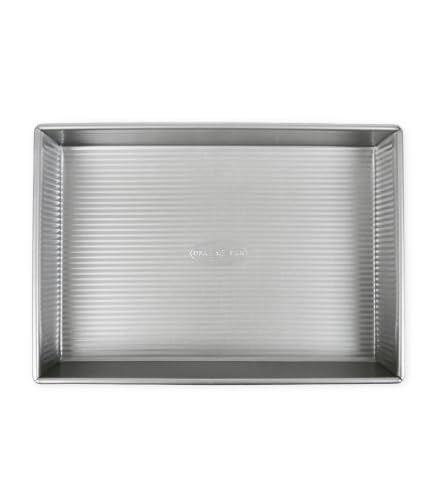
A practical guide to the best 9 x 13 cake pan: sizes, features, budget ranges, and mistakes to avoid before you buy.
A sheet cake for a school party, a tray of brownies on Sunday, and a casserole on a busy weeknight can all come out of the same pan, but only if that pan fits your oven, your cupboards, and the number of people at your table. Choosing the best 9 x 13 cake pan is mostly about matching material, finish, and depth to how your household actually cooks.
This guide walks through size, type, finish, and budget before comparing three styles side by side. Use the comparison table below to see the main options at a glance, then read on for the details that matter in a real kitchen, from storage space to how often you bake.
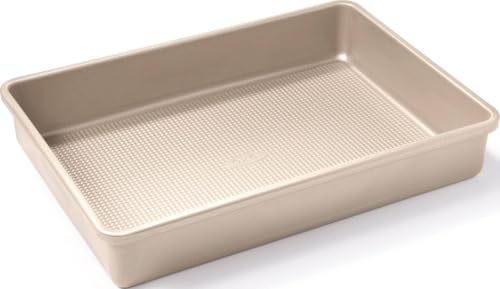


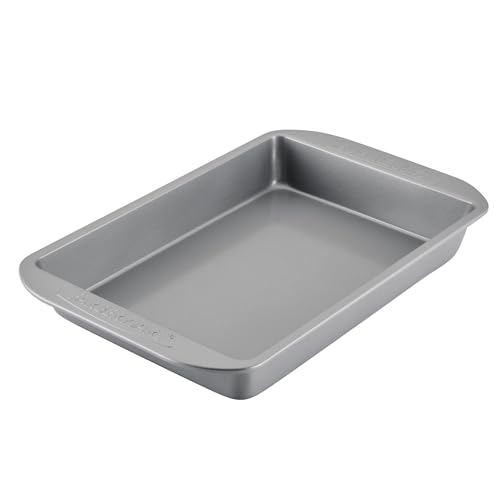
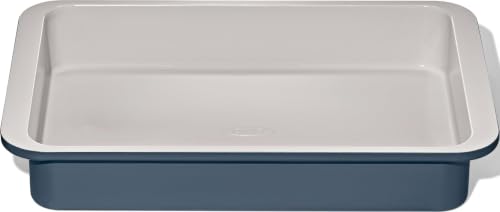



Quick Answer: Three Types in 30 Seconds
If you need a fast answer, most homes do well with one of three styles. Each one suits a different routine.
- Light colored aluminum: the safest all round choice for cakes, because pale metal bakes gently and rarely over browns the edges.
- Dark nonstick coated steel: handy when easy release and quick cleanup matter more than a long service life.
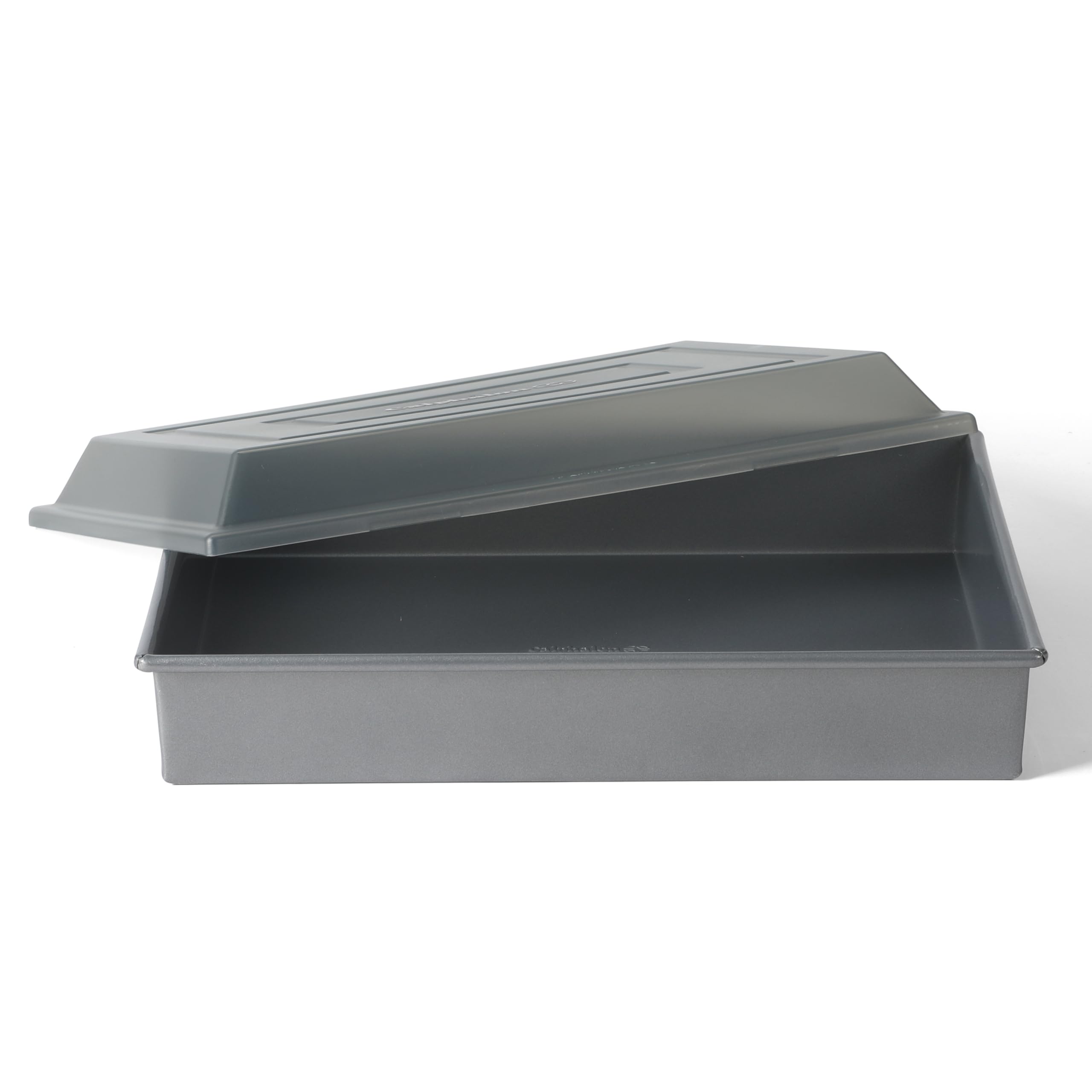
- Heavy gauge anodized aluminum with a lid: the durable option for frequent bakers who carry food to gatherings and store leftovers in the pan.
Before You Buy: A Quick Checklist for Choosing a Cake Pan
The checks below follow the order that causes the fewest regrets. Start with fit, then think about what you bake most, and only then compare finishes, temperature limits, and price.
Size: Match It to Your Space
A 9 x 13 pan holds a standard box mix or a single layer sheet cake and usually serves a family plus a few guests. Measure your oven rack and your cupboard shelf before you buy, because some pans have wide handles that add length. If you mostly bake small cakes for one or two people, our guides to the best 8 inch cake pan and the best 9 inch cake pan cover round sizes that take up less room.
Which Type Fits Your Routine
Rectangular pans suit sheet cakes, brownies, bars, and baked pasta, while round and square pans serve other shapes and are not true substitutes. Plain aluminum needs greasing and a parchment lining for clean release, so read our notes on how to grease a cake pan if you bake sticky batters often. Nonstick versions release food with less prep, and springform styles add little here because a 9 x 13 cake is served from the pan or lifted out with parchment.
Features Worth Paying For and Ones to Skip
A fitted lid is worth paying for if you transport cakes or stack the pan in a full fridge, because it protects frosting and saves you a second container. Rolled rims and reinforced corners also earn their cost, since they help the pan keep its shape. A removable bottom is one feature to skip in this size, as it can leak thin batter and adds a seam to clean. Decorative edges and extra handles that widen the footprint rarely improve the bake itself.
Light Versus Dark Finish and Browning
Finish changes how your cake browns more than many bakers expect. Light colored metal reflects some heat, so sponge cakes and vanilla batters tend to bake evenly with pale, tender edges. Dark metal absorbs more heat and can set crusts faster, which suits brownies but may dry out a light cake or darken the corners before the center is done.
Oven Safe Temperature
Check the stated oven safe limit before your first bake, especially on coated pans and pans sold with plastic lids. Plain and anodized aluminum usually tolerate higher heat than nonstick coatings, which often have a lower ceiling set by the coating maker. Lids are for storage and carrying, not for the oven, unless the maker states otherwise in writing. Broiler use is a separate question, and many coated pans are not rated for it at all, so confirm that point rather than assuming.
Nonstick Coating Versus Uncoated Metal
Coated pans release bars and egg based bakes with little effort, but the coating is the part that wears out first, and metal tools or harsh scrubbing shorten its life. Uncoated aluminum needs more prep, yet it can be scrubbed, lasts for many years, and gives you full control over browning. If avoiding coatings matters to you, see our guide to the best non toxic cake pan for uncoated options and material notes. Either way, avoid aerosol sprays with additives that leave a sticky film on the surface.
Realistic Budget Ranges
At under $15 you can expect a basic light aluminum or coated steel pan that works well for occasional baking, though it may flex when full. Spending about $15 to $25 usually buys heavier metal, a sturdier rim, and a more even bake. At about $25 to $50 the gains are a thicker gauge, an anodized surface, and a well fitting lid rather than a different result on a simple cake. Choose the tier that matches how often you bake each month.
Types Compared: Three Styles That Fit Real Homes
Instead of chasing a single winner, compare the three styles below against your household size, your storage shelf, and how much cleanup you will accept after dinner.
Light Colored Aluminum
This is the default choice for sheet cakes, snack cakes, and coffee cakes, because pale aluminum heats steadily and treats delicate batters gently. It pairs well with parchment, washes without special care, and stores flat with other pans. The trade off is prep time, since you must grease the corners with care to lift out bars cleanly. For a family that bakes a few times a month and wants one pan to cover birthdays and potlucks, this style offers the calmest learning curve and the fewest surprises.
Dark Nonstick Coated Steel
Coated steel pans cost little, release brownies and baked oats with almost no sticking, and suit renters or new kitchens that need a pan today. The darker surface gives firmer edges, which many brownie bakers prefer. Plan on a shorter service life than plain metal, because the coating will eventually wear even with gentle tools. Treat this style as a practical value buy rather than a lifetime purchase, and it will serve small households and occasional bakers very well indeed.
Heavy Gauge Anodized Aluminum With a Lid
A thicker anodized pan resists dents, bakes evenly, and shrugs off the acidic sauces in fruit crisps and tomato based bakes better than plain metal. The lid turns the pan into a carrier for school events and a storage box for leftovers, which saves both foil and extra dishes. It costs more and takes slightly more shelf height with the lid on. Households that bake weekly, cook for a crowd, or travel with food will recover that cost through years of steady use.
How the Options Are Compared
We compared styles using five practical criteria: heat distribution, food release, warp resistance, material safety, and ease of cleaning. Those judgments draw on maker specifications for gauge, finish, and temperature limits, plus patterns in verified buyer reviews about sticking, flexing, and coating wear. We did not rank pans on decorative claims or on features that do not change the bake.
Is a 9 X 13 Cake Pan the Right Size for You?
This size shines when you feed roughly a dozen people, bake one layer cakes, or want leftovers without baking twice. It also doubles as a roasting and casserole dish, which helps in small kitchens.
It is less ideal if you want tall layer cakes, since those need two round pans, or if you cook for one and dislike storing leftovers. A pan that is two inches deep handles most batters, while deeper versions suit cobblers and pasta bakes with more sauce. Check the stated depth, because capacity changes a lot between shallow and deep pans of the same footprint.
Common Mistakes to Avoid
- Buying on footprint alone and forgetting handles, so the pan will not sit flat on your oven rack.
- Using a dark pan at the full recipe temperature, so the edges over brown before the center sets.
- Cutting bars with a metal knife in a coated pan, so the surface gets scratched and food starts to stick.
- Storing the pan while it is still damp, so plain metal can pick up off flavors and water spots.
- Choosing a shallow pan for a saucy bake, so the filling bubbles over and burns onto the oven floor.
Cost of Ownership and Care
Day to day cost is low: parchment, a little butter or oil for greasing, and gentle washing are the main expenses. Wash the pan after it cools, use a soft sponge, and dry it fully before stacking. Our step by step notes on how to clean a cake pan cover stuck on residue without harsh methods. Store pans nested with a cloth or paper sheet between them to protect any coating, and keep lids stored flat so the seal stays true.
Replacement cost depends on material more than on brand. A coated pan is a wear item that you should budget to replace once release declines, while plain aluminum can serve for many years with only minor marks. Factor that difference into your first purchase.
Your Questions, Answered
How do you clean a 9 x 13 cake pan after baking a fruit crisp?
Let the pan cool, then soak it in warm water for about twenty minutes so the fruit sugars soften before you scrub. A paste of baking soda and water lifts darkened spots on uncoated metal without harsh pads. Rinse and dry right away, because sugary residue left overnight hardens and takes far more effort the next day.
Is a 9 x 13 cake pan worth it if you rarely bake cake?
Yes, for most homes, because the pan earns its space outside baking. It roasts vegetables in a single layer, holds a breakfast strata, and works for baked pasta and garlic bread. If your oven work is mostly small meals for one, though, a smaller pan heats faster and stores more easily, so weigh that honest limit before you buy.
How long does a 9 x 13 cake pan last?
Plain and anodized aluminum pans can last for decades, since the metal itself does not wear out with normal home use. Coated pans have a shorter working life that depends on tool choice and washing habits, often a few years of regular use. Replace any pan, coated or not, once it warps enough to rock on a flat counter or develops deep rust.
What size cake pan do you need for a standard box cake mix?
A standard box mix is written for a 9 x 13 pan or for two round pans, so this size is the simple one pan answer. Fill the pan no more than about two thirds full to leave room for the rise. If your batter nearly reaches the rim, hold some back for a few cupcakes rather than risking an overflow in the oven.
What is the best 9 x 13 cake pan for carrying a cake to a gathering?
Choose a sturdy pan with a fitted lid and rims you can grip with oven mitts on both short ends. The lid matters more than the finish here, because it protects the top during the trip and lets you stack a light item above the pan in the car. Set the cooled pan on a flat board for the drive so it cannot slide.
Final Thoughts
For most families, light colored aluminum covers birthdays, brownies, and weeknight bakes with the least fuss, while coated steel suits tight budgets and an anodized pan with a lid suits frequent bakers who travel with food. The product table above sums up those trade offs so you can match a style to your space and routine. Whichever style you pick, the best 9 x 13 cake pan is the one that fits your oven, your shelf, and your table. For a wider view of sizes and materials, see our guide to the best cake pan.


