
Best Brita Water Bottles (2026): Plastic, Steel and Filters
Disclosure: We may earn a commission when you buy through links on this page, at no extra cost to you. As an Amazon Associate I earn from qualifying purchases. Learn more

Plastic or insulated steel? Compare size, filters and cost to find the best brita water bottle for daily use.
Picture a weekday morning in a busy kitchen. One person fills a bottle at the sink before work, a second wants cold water ready in the fridge, and a third keeps losing track of whose bottle is whose. Choosing the best brita water bottle for your home comes down to how many people will use it, where it will live, and how often you are willing to change a filter.
This guide walks through sizes, materials, and filter costs so you can match a bottle to your routine. The product table above shows the main types side by side, so read on for the details that matter most.


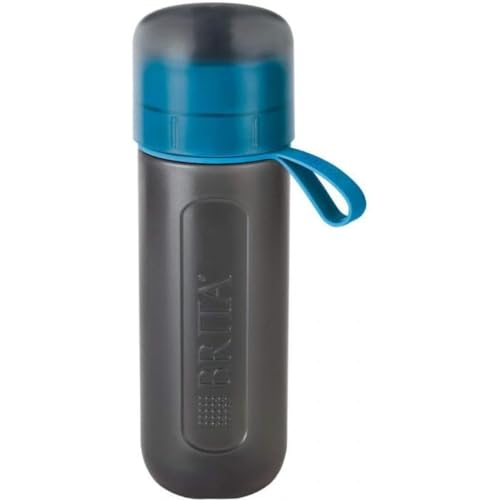

Quick Answer: Brita Bottle Types Compared in Brief
All Brita bottles share one core idea. Water passes through a filter as you drink, which helps improve taste and reduce the taste and odor of chlorine from ordinary tap water. The real differences are size, material, and how the drinking spout works. A plastic bottle with a straw suits daily carrying, while an insulated steel bottle suits people who want water to stay cold longer.
For most homes, the best brita water bottle is a midsize plastic filtering bottle in the 20 to 26 oz range. It fits a work bag, refills quickly at a sink, and costs less to replace if it gets lost. Choose steel if cold water matters more than light weight, and choose the largest size you will realistically carry if you drink a lot between refills.
Before You Buy: A Quick Checklist for Choosing a Water Bottle
The checklist below covers the points that decide whether a filtering bottle fits your home and habits. For a broader framework before narrowing to one brand, our guide to what to look for when buying a water bottle explains general bottle criteria in more depth.
Size: Match It to Your Space
Capacity shapes everything else. Smaller bottles around 20 oz are easy to carry and fit most car cup holders, but they need refilling several times a day if you drink steadily. Bottles in the 26 to 36 oz range cut refill trips and suit desk work or long errands, though they feel heavier when full and may not fit slim bags. Very large bottles and half gallon styles belong at home or in a gym bag, not on a daily commute. Measure your bag pocket and cup holder before you buy, since a bottle that does not fit where you need it will simply stay home.
Which Type Fits Your Routine
Brita focuses on filtered bottles, mainly in plastic and in insulated stainless steel. Plastic versions are lighter and usually cost less, which suits school, work, and general daily use. Steel versions weigh more but resist dents and help keep water cold. If filtration is not a priority at all, other categories may suit you better, and readers curious about unfiltered options can compare the best glass water bottle styles for home use. Within the Brita range, pick the type that matches where the bottle will spend most of its day.
Features Worth Paying For, and Ones to Skip
A straw lid lets you sip without tipping the bottle, which helps while driving or working at a desk. A carry loop or handle helps when your hands are full, and a lid that locks shut matters if the bottle rides in a bag with papers or a laptop. A cup holder friendly base is worth checking if you drive often. Features you can usually skip include decorative extras, complex smart caps, and add ons like fruit infusers, since extra parts only add cleaning work and cost.
Materials, Safety, and Cleaning Needs
Look for clear material labeling, and choose bottles described as made without BPA for the parts that touch water. The glazed ceramic concerns in some drinkware guides, such as lead and cadmium in glazes, do not apply to plastic or steel bottles, so focus instead on the stated materials and the maker care instructions. Many plastic bodies and lids are described as dishwasher safe on the top rack, but the filter itself should never go in the dishwasher or in hot soapy water. Always confirm the care notes for the exact style you choose.
Realistic Budget Ranges
Most single Brita bottles fall under $30, with simple plastic styles often under $20 and insulated steel styles closer to about $30 to $50. Paying more should buy you insulation, a sturdier lid, or a larger capacity, not just a different color. The bottle price is only the first cost, though. Filters need regular replacing, so a low priced bottle with costly filters can end up costing more over a year than a pricier bottle bundled with spare filters in the box.
Brita Bottle Types Compared for Different Homes
Instead of ranking individual models, it helps to compare the three broad types in the lineup. Each type suits a different household pattern, and the trade offs stay consistent across the range.
The Everyday Plastic Filtering Bottle for Most Homes
This is the type most households should consider first. It is light, refills fast, and the straw or spout design makes it easy for adults and older kids to use without spills at the table. It suits families who want better tasting tap water at home and at work without thinking much about the gear. The main trade off is that plain plastic does little to keep water cold, so water filled in the morning will taste warm by afternoon on a hot day.
The Insulated Steel Filtering Bottle for Cold Water Lovers
If you drink more when water stays cold, an insulated steel type is worth the higher price. The double wall build helps hold a chill through a workday, and the body shrugs off knocks that crack or dent plastic. Readers comparing steel bottles generally can also browse the best stainless steel water bottle category for unfiltered alternatives. The trade offs are weight and cost, since a full steel bottle feels noticeably heavier in a bag.
The Large Capacity Bottle for Heavy Drinkers and Shared Spaces
Some people simply drink a lot and hate refilling. A large capacity bottle stationed at a desk or in the fridge reduces trips to the sink and helps you track how much you have had by early afternoon. The trade off is portability, since a full large bottle is awkward on a walk or a train ride. If you travel often, a smaller bottle paired with our guide to the best water bottle for travel may serve you better.
How We Compare Brita Water Bottles
Our comparison for the best brita water bottle rests on maker specifications, stated filter life, materials, and care requirements, weighed against patterns in verified buyer feedback. We weigh the criteria owners mention most after months of use, such as lid durability, straw flow, and how easy the filter is to source and swap.
The Brita Water Bottle Lineup Explained
The lineup is simpler than it first looks. Nearly every Brita bottle is a filtering bottle, and the range splits by material, size, and lid style rather than by completely different designs. Plastic bottles come in a few capacities with straw or spout lids, while steel bottles add insulation at a higher price. Replacement filters are shared across much of the range, which is convenient if your household owns more than one style, because you can stock a single filter type.
If you are still deciding whether a filtering bottle is the right category at all, the wider best water bottle guide compares filtered and unfiltered options together. Within Brita, the choice narrows once you settle on material and size.
Common Buying Mistakes to Avoid
- Buying the largest size for daily carrying, then leaving it behind because a full bottle feels too heavy in your bag.
- Ignoring filter replacement cost, which turns a cheap bottle into a pricey habit over a full year.
- Choosing a wide bottle without checking your car cup holder, so it will not sit upright while you drive.
- Assuming a filtering bottle makes any water source safe, when the filter is designed for treated tap water and taste improvement.
Cost of Ownership and Care
Ongoing cost is mostly about filters. Each filter has a stated life measured in time or in gallons filtered, and flavor will slip once you pass that point, so mark the change date on a calendar or on a small label on the bottle. Buying filters in multipacks usually lowers the cost per filter compared with single packs. Keep a spare on hand so a worn out filter does not leave you drinking unfiltered water while you wait for a delivery.
For daily care, wash the body and lid with warm soapy water, rinse well, and let the parts air dry with the lid open. Clean the straw and spout carefully, since residue builds up in narrow channels first. Our walkthrough on how to clean a water bottle covers brushes and deeper cleaning steps. Store the bottle unsealed, away from prolonged direct heat that can warp plastic parts.
Your Questions, Answered
Which Brita water bottle should I buy for a small kitchen?
Choose a midsize plastic bottle, around 20 to 26 oz, and check its height against your fridge door shelf before ordering. Small kitchens reward bottles that stand upright in the door bin rather than lying on a crowded shelf. A single bottle per person also helps here, since a shared large bottle takes up permanent fridge space. If cupboard room is tight, skip spare accessories and keep only the bottle, its filter, and one backup filter in a drawer.
Is Brita a good water bottle brand if I only care about taste?
Yes, taste is exactly what these bottles are built for. The filter works as you sip and is aimed mainly at reducing the taste and odor of chlorine in treated tap water, the most common complaint about water straight from the faucet. It is not designed to make untreated or unsafe water safe to drink, so use it with water that is already safe. If your tap water tastes fine already, a filtering bottle adds cost without much benefit.
How long does a Brita water bottle last before it needs replacing?
The bottle body can last a long time with gentle care, but treat certain signs as your cue to replace it. Retire a bottle if the body cracks, the lid warps and stops sealing, or a stale smell stays even after a thorough wash. Straws and seals wear faster than the body, so a leak only at the spout may just need a fresh seal or straw if the maker sells those parts. Filters are separate and need changing far more often than the bottle itself.
Can I put sparkling water or juice in a Brita filtering water bottle?
Stick to plain water unless the maker instructions for your style say otherwise. Fizzy drinks build pressure inside a sealed bottle, which can force leaks at the lid and make the cap pop when you open it. Juice and flavored drinks leave sugars in the straw and filter housing that are hard to rinse out, and filtering sweetened drinks can clog the filter early. If you want flavor, keep flavored drinks in a separate ordinary bottle.
Final Thoughts
For most households, the midsize plastic filtering type offers the best balance of price, weight, and easy daily use, and the product table above shows how it stacks up against the steel and large capacity types. Pick steel if cold water drives your habit, and pick a larger size if refilling is your main frustration. Whichever route you take, the best brita water bottle is the one that fits your space, your bag, and your filter budget, so it stays in daily use instead of sitting in a cupboard.


