
Best Brita Water Filter Pitchers (2026): Sizes and Filters
Disclosure: We may earn a commission when you buy through links on this page, at no extra cost to you. As an Amazon Associate I earn from qualifying purchases. Learn more

Compare compact, large and dispenser formats to find the best brita water filter pitcher for your fridge and your household.
Your fridge shelf is crowded, your household drinks water all day, and your current pitcher is either too small or constantly empty. Choosing the best brita water filter pitcher comes down to three practical questions about capacity, fridge space, and how often you want to change the filter. This guide walks through those choices in plain terms so you can match a model to your home.
The product table above lists several Brita pitchers, and the sections below explain the main formats so the size differences are easy to see. If you are still weighing Brita against other brands, start with our broader guide to the best water filter pitcher and then return here to narrow down the Brita options.



Quick Answer: Brita Pitcher Types in Brief
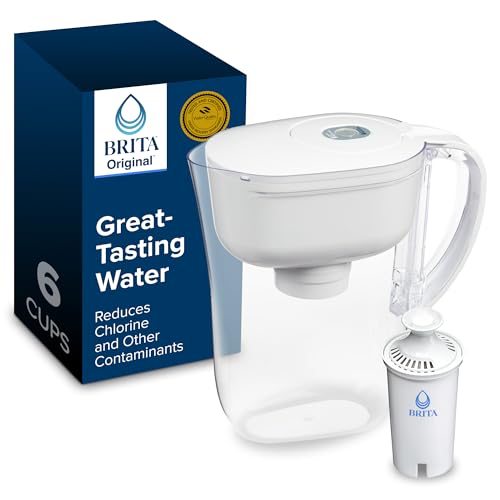
Compact pitchers suit one or two people who drink moderate amounts and have limited fridge room. Standard large pitchers suit most families because they hold enough for meals, cooking, and refills through the day without constant trips to the tap. Dispensers suit shared kitchens and larger households because they sit on a shelf and pour from a spigot.
None of these formats filters better simply because it is bigger. Filtration depends on the filter inside, not the size of the container. Pick the format your household will actually refill and keep cold, then choose the filter type that matches your water concerns.
Before You Buy: A Quick Checklist for Choosing a Water Filter Pitcher
Size: Match It to Your Space
Capacity in this lineup ranges from about 6 cups for compact pitchers to about 10 cups for standard large pitchers, with the XL dispenser holding 27 cups. A bigger container sounds convenient, but it also weighs more when full and takes more vertical room on a shelf. Count how much filtered water your household uses between meals, and choose the smallest size that covers that amount comfortably.
Which Type Fits Your Routine
Most Brita pitchers use plastic bodies, which keeps them light and easy to handle for daily pouring. If you prefer to avoid plastic for the container itself, our guide to the best glass water filter pitcher explains the tradeoffs in weight and breakage risk. Think also about your routine. A household that fills glasses all day benefits from a dispenser, while a household that filters mainly for morning coffee and dinner may be perfectly served by a compact pitcher.
Features Worth Paying For and Features to Skip
A filter change indicator is worth having because it tracks use or time and removes the guesswork from replacements. A lid that fills without full removal speeds up refills at a busy sink, and a covered spout helps keep fridge odors away from the pouring area. Features you can usually skip include decorative finishes that add cost without changing capacity or filtration.
Measurements and Compatibility With Your Setup
Measure the height between your fridge shelves and the depth from the door bins to the back wall before you order. Leave a little clearance above the lid so you can lift the pitcher out without tilting it and spilling. Check the width against your door shelf if you plan to store it there, since door bins vary a lot between fridge models.
Certifications That Matter
Look for independent certification to NSF and ANSI standards on the specific filter, not just on the brand as a whole. Certification to standard 42 covers taste and odor concerns such as chlorine, while standard 53 covers certain health related contaminants when the filter is listed for them. Claims differ between the standard filter and the longer life filter option, so read the performance data sheet for the exact filter you plan to use. If a claim is not listed there, do not assume the pitcher provides it.
Setup Costs Without Installation
A pitcher needs no plumbing work, no drilling, and no professional installation, which keeps your starting cost limited to the pitcher and its first filter. Setup is simply washing the parts, soaking or rinsing the new filter as the maker directs, and discarding the first fills if instructed. That simplicity also makes a pitcher a sensible choice for renters who cannot modify kitchen fittings.
Realistic Budget Ranges
Compact pitchers often cost under $30, while standard large pitchers commonly fall at about $25 to $45 depending on the included filter. Dispensers and models bundled with a longer life filter can run about $40 to $70. Keep the ongoing filter cost in view as you compare, because a low starting price matters less when replacements are frequent. Over a full year, the filter schedule often shapes your total spending more than the pitcher itself.
Brita Pitcher Types Compared
Compact Pitchers for Small Households
Compact pitchers hold about 6 cups and fit easily on a fridge door shelf or a crowded top shelf. They suit single adults, couples, dorm rooms, and small apartments where shelf height is tight. The tradeoff is refill frequency, since a small reservoir empties quickly when you cook pasta, fill a coffee maker, and pour drinking glasses on the same day. If your household drinks steadily all day, a compact model can feel like a chore rather than a convenience.
Standard Large Pitchers for Daily Family Use
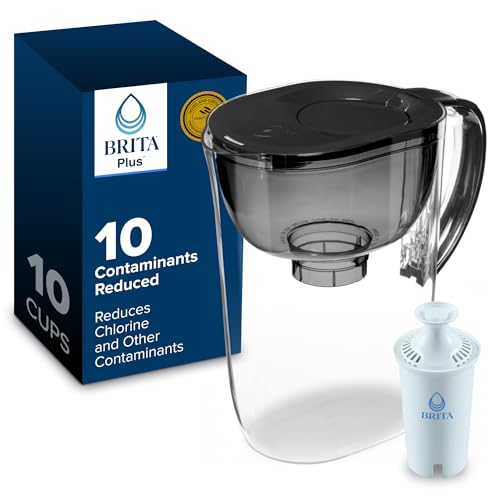
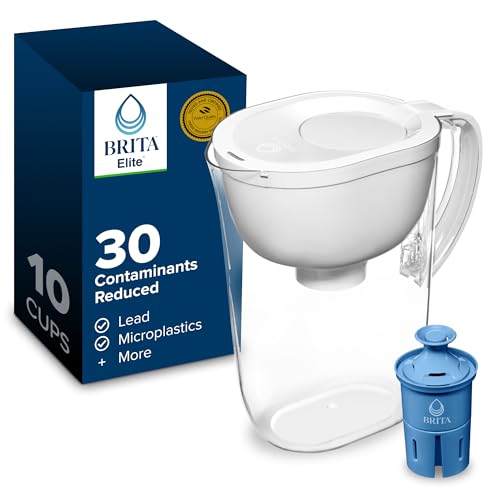
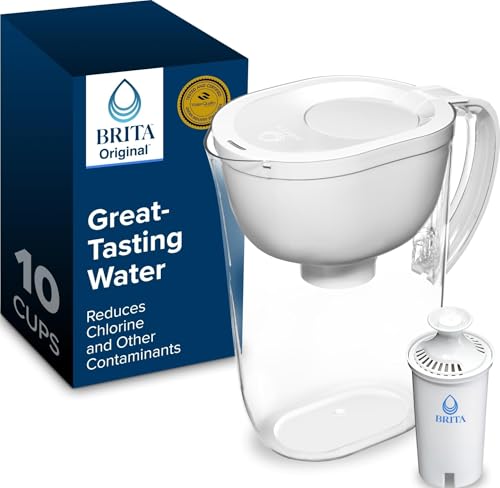
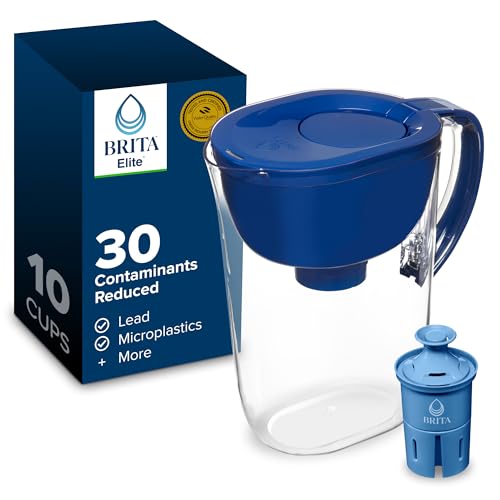
Standard large pitchers hold about 10 cups and strike the balance most families need. They cover breakfast drinks, packed bottles, and dinner water without a refill in between for many households. The filled weight is still manageable for most adults, and the footprint fits a normal fridge shelf. For a family of three or four with no unusual storage limits, this is usually the format to consider first before paying more for extra capacity.
Dispensers for Shared Kitchens
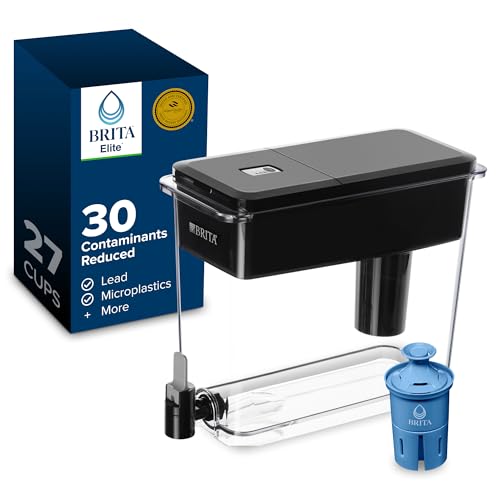
Dispensers such as the XL model hold about 27 cups and pour from a spigot while staying in place on the shelf. They suit large families, shared houses, and anyone who fills tall bottles often, because you do not lift the full container for each glass. The tradeoff is shelf space and cleaning effort, since a large unit takes a wide area and has more surfaces to wash.
How to Evaluate a Brita Pitcher Before You Order
Start with verified specifications from the maker, including capacity, dimensions, filter life, and the certification list for the included filter. Then read buyer feedback with an eye for repeated comments about lid fit, pouring control, and how the handle feels when the pitcher is full. Repeated complaints about the same part matter more than a single glowing or angry comment.
The Brita Water Filter Pitcher Lineup Explained
When shoppers ask which model is the best brita water filter pitcher, the honest answer depends on format and filter pairing rather than filtration power alone. Compact, standard, and dispenser models can share the same standard filter, while some models accept a longer life filter that targets a wider set of contaminants and lasts longer between changes. That means your real decisions are capacity, shelf fit, and which filter you want to keep buying. Two households can own different formats and get very similar water, simply because they chose the same filter.
If you are torn between brands, our comparison of brita vs pur covers how the two lineups differ in filter cost and taste focus. Readers who want much lower mineral content for appliances or specific taste goals can also read our comparison of brita vs zerowater. Those alternatives solve different problems, so decide what bothers you about your tap water before switching systems. For most households bothered mainly by chlorine taste, a Brita pitcher already addresses the main complaint.
Common Buying Mistakes to Avoid
- Buying the largest dispenser without measuring shelf height, so the unit only fits after you remove a fridge shelf you still need.
- Choosing by container price alone, so frequent filter changes quietly make the cheapest pitcher the costliest one to own.
- Assuming every filter in the lineup removes the same contaminants, so you end up with a taste focused filter when your water report called for more.
- Storing the pitcher in a warm spot beside the stove, so filtered water sits at room temperature and tastes stale sooner.
- Waiting for bad taste before changing the filter, so flow slows and filtration quality drops well past the intended service life.
Cost of Ownership and Care
The standard filter is typically replaced about every two months or after roughly 40 gallons, while the longer life option can last about six months or roughly 120 gallons. Follow the schedule for the filter you actually use, and let the indicator or a simple calendar note keep you honest. Buying filters in multipacks usually lowers the cost per filter, but only stock up once you are sure you will keep the pitcher. Our step by step guide on how to clean a water filter pitcher walks through the full washing routine in detail.
Wash the pitcher body, lid, and reservoir with warm water and mild dish soap each time you change the filter. Dry every part fully before you reassemble it, because trapped moisture in the lid channels can cause musty flavors. Keep the filter itself out of soap and never wash it, since cleaning agents can damage the filtering media. If you will not use the pitcher for a week or more, empty it, dry it, and store the filter in the fridge as the maker directs.
FAQ
Which Brita water filter pitcher should I buy for a very tall fridge shelf?
A dispenser makes the most of tall shelf space because its capacity grows upward and it stays in place while you pour. Before ordering, confirm the spigot height clears the lip of the shelf below so glasses fit underneath.
Is Brita a good water filter pitcher brand for everyday use?
Brita is a reasonable everyday choice because its filters are widely available, its formats cover most household sizes, and replacement parts are easy to find in ordinary stores. The brand focuses mainly on taste improvement and selected contaminant reduction rather than full purification. Households with a specific concern named in their water report should confirm the exact filter certification first. For general taste complaints, the broad availability alone makes ownership simpler.
Does a Brita water filter pitcher remove fluoride from tap water?
The standard filters in this lineup are not sold for fluoride removal, and you should not rely on them for that purpose. Fluoride reduction generally requires a filter medium designed and certified for it, which most taste focused pitcher filters do not use. If fluoride is your main concern, look for a system that lists fluoride in its certified performance data. Your water utility report can confirm how much fluoride your supply contains.
How long does the Brita pitcher itself last before it needs replacing?
The plastic body can serve for several years when you wash it gently and keep it out of prolonged direct sunlight. Replace the pitcher when cracks appear near the handle, the lid no longer seals, or scrubbing no longer removes a lingering odor. Those signs matter because a damaged seal lets unfiltered water mix at the spout.
Is a Brita water filter pitcher worth it compared with bottled water?
For a household that drinks water at home every day, a pitcher usually costs far less per gallon than bottled water over a full year. It also keeps cold water ready without storing heavy cases in a pantry or garage. The value drops if the pitcher sits unused, because filters still age out on a time schedule.
Can I put a Brita water filter pitcher in the dishwasher?
Some parts on some models tolerate a top rack cycle, but many makers recommend hand washing for the lid and reservoir to protect seals and the indicator. Heat can warp thin plastic over time, which leads to loose lids and slow leaks at the spout. Check the care notes for your exact model before using the dishwasher. When in doubt, a quick hand wash protects the parts you cannot replace separately.
Final Thoughts
Match capacity to your shelf, choose the filter by its certification list, and keep the replacement schedule in view, and the best brita water filter pitcher for your home becomes an easy call. Compact models serve small households, standard pitchers cover most families, and dispensers suit shared kitchens with room to spare. Use the product table above to compare the formats once more before you order. A pitcher that fits your fridge will earn its place daily.


