
Which Calphalon Knife Sets Should You Buy? Best Models for Every Home (2026)
Disclosure: We may earn a commission when you buy through links on this page, at no extra cost to you. As an Amazon Associate I earn from qualifying purchases. Learn more

Not sure which calphalon knife set to pick? We break down the lineup by household size, space and budget so you can choose with confidence.
Picture a weeknight dinner in a kitchen where counter space is tight, two people are cooking at once, and the only sharp knife is already in the sink. That small daily friction is exactly what a well matched set solves. This guide helps you find the best calphalon knife set for your household size, your storage space, and your budget, so every cook in the home has the right blade within reach.
Calphalon sells several set sizes and styles under one brand name, and the differences matter more than the logo does. The product table lists current sets, and the sections that follow explain how piece count, steel, and block style translate into everyday use at home.


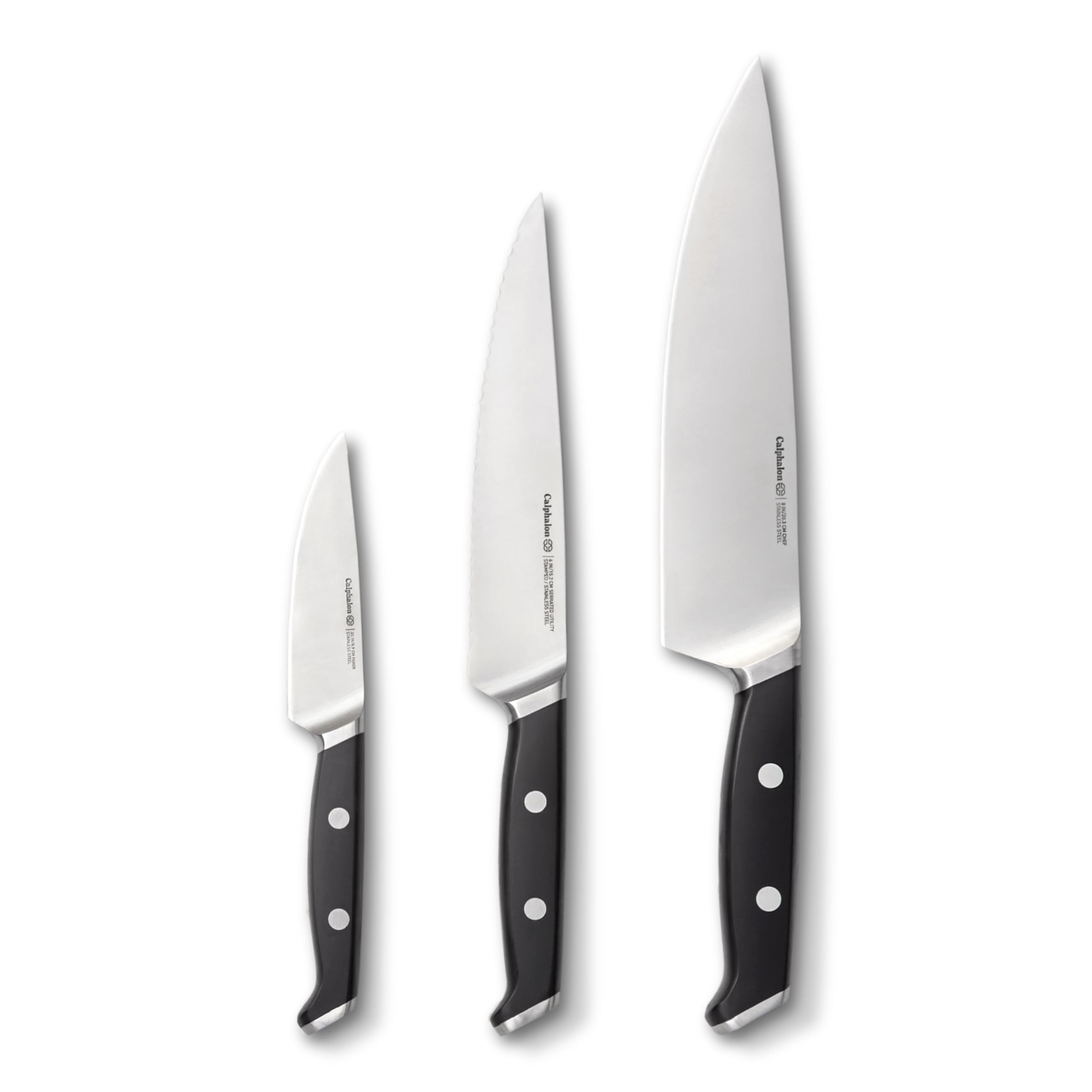
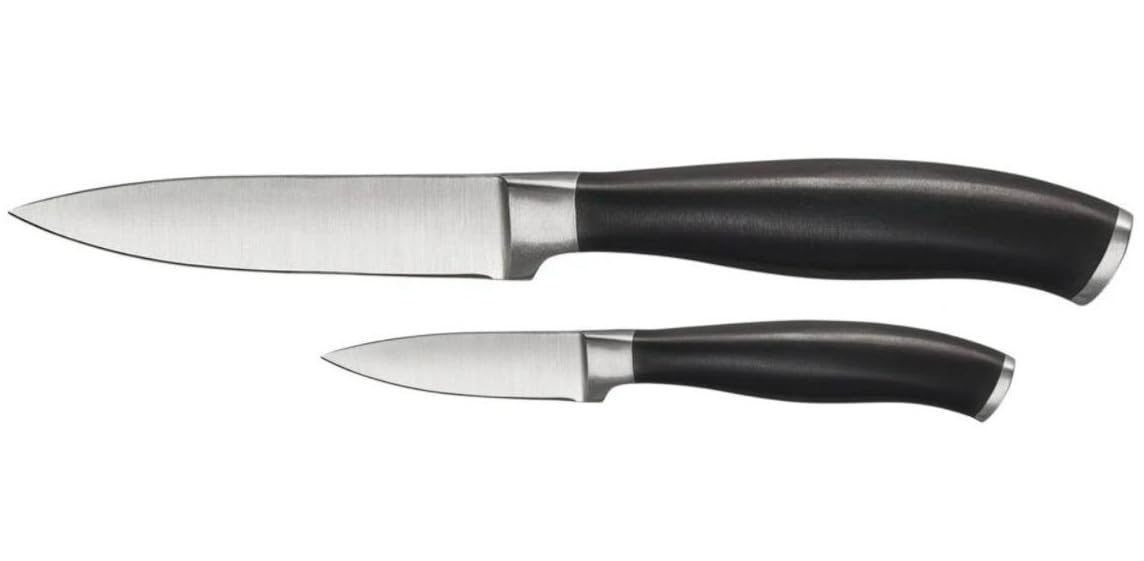

Quick Answer: Three Configurations That Cover Most Homes
Most households land on one of three setups. A compact starter set suits one or two cooks in a small kitchen. A mid size block set with steak knives covers family dinners and guests. A larger set with a sharpener built into the block suits busy homes that cook daily and want edges refreshed with almost no effort. The rest of this guide shows you how to pick between them with confidence.
Before You Buy: A Quick Checklist for Choosing a Knife Set
Size: Match It to Your Space
Piece count is really a storage question. Starter sets of 3 to 7 pieces hold the core blades and fit a drawer insert or a slim block, which suits apartments and small counters. Sets of 10 to 15 pieces add steak knives, shears, and a honing steel, and they need a full size block footprint. Sets near 20 pieces reward large kitchens with prep space to spare. Count your household first, then measure the counter area where the block will live, and let those two numbers set the size before you look at anything else.
Which Type Fits Your Routine
Calphalon sets lean toward German style blades, meaning sturdy edges that handle dense squash, thick skinned melons, and frozen foods without much worry. If your routine is mostly fine slicing of fish and vegetables, our guide to the best japanese knife set explains the thinner, lighter alternative. Most Calphalon lines use stainless steel for rust resistance and easy care, while a few use high carbon stainless blends that hold an edge longer but ask for prompt drying after washing.
Features Worth It (and Ones to Skip)
A block with a sharpener built in earns its keep in homes where nobody wants a separate sharpening routine, and you can read more in our article on whether a self sharpening knife block worth it for your habits. Steak knives are worth it if you serve sliced beef or pork weekly. Skip oversized sets padded with duplicate utility knives you will never grab, and skip loose sheaths and roll bags unless you truly store knives in a drawer or travel with them.
Steel Type and Hardness
Steel decides how long an edge lasts and how it feels when it dulls. Softer stainless resists chipping and sharpens quickly on a basic sharpener, which suits family kitchens where knives meet plates, bones, and the occasional dropped blade. Harder steel holds a fine edge through weeks of prep but needs gentler handling and a proper stone or guided sharpener to restore. For most homes, corrosion resistance matters more than peak hardness, because a knife that survives the sink and the dishwasher debate will simply get used more.
Blade Geometry: German vs Japanese
German style blades carry a thicker spine and a curved belly that supports a rocking cut through herbs and onions, and the edge angle is wider, which trades a little finesse for durability. Japanese style blades run thinner with a straighter profile and a narrower edge angle, so they glide through produce but chip more easily on hard rinds. Calphalon sits firmly on the German side of this split, so expect a forgiving edge that favors power cuts and a rocking motion over delicate push cuts.
Handle, Bolster and Balance
Everyone in the household should be able to hold the main chef knife comfortably, because a set serves the whole home, not one cook. A full bolster adds weight near your fingers and can feel reassuring, while a half bolster lets you grip the blade and sharpen the full edge length. Check that the handle fills a smaller hand without forcing a squeeze and that a larger hand still has knuckle clearance above the board. Balance near the bolster, where blade and handle meet, keeps long prep sessions from tiring your wrist.
Realistic Budget Ranges
Under about $50, expect a small stamped starter set that covers basics for one cook. About $100 to $200 is where forged blades, full blocks, and steak knives appear, and this band fits most families. About $200 to $300 brings larger counts and blocks with sharpeners built in. Above that, you pay mostly for premium handles and presentation. If you are comparing across brands at each tier, our broader guide to the best knife set shows how the same budgets play out elsewhere.
Three Set Configurations Worth Your Money
Mid Size Block Sets for Most Homes
A block set in the 12 to 15 piece range gives a family a chef knife, a bread knife, a paring knife, utility knives, steak knives, shears, and a honing steel in one footprint. This is the configuration that ends the nightly hunt for a clean sharp blade, because duplicates of the most used sizes mean one can be in the sink while another works. Choose this size if three or more people eat at home most nights and your counter can spare a block about the width of a cutting board.
Compact Starter Sets for Small Kitchens
Starter sets of 3 to 7 pieces cost the least and take the least space, which makes them right for first apartments, dorm adjacent living, and couples who cook simple meals. You give up steak knives and specialty blades, but the core trio of chef, utility, and paring knives handles the large majority of home prep. A compact set also works as a second set for a holiday home or a camper kitchen, where a full block would only collect dust.
Sets With a Sharpener Built Into the Block
In these sets, ceramic sharpening slots inside the block refresh the straight edge knives each time you draw one out or put it back. For a busy household, that quiet routine keeps edges working far longer between deep sharpening sessions, and it removes the main reason home knives end up dull and frustrating. The block costs more and needs a little more counter depth, but for families who cook daily and never plan to learn stone sharpening, it is the configuration most likely to still feel sharp years later.
Our Selection Process for the Best Calphalon Knife Sets
We compared the Calphalon lineup on the factors that shape daily home use: steel and edge retention, balance and handle comfort for different hand sizes, sharpness out of the box, ease of maintenance, and value for the piece count. Our sources are manufacturer specifications and patterns in verified buyer feedback about fit, storage, and long term edge care, so this guide focuses on matching set configurations to household needs.
The Calphalon Knife Set Lineup Explained
Calphalon groups its sets into a few families. Classic style lines offer stamped or forged stainless blades with simple handles at the lowest prices, aimed at starter kitchens. Contemporary lines add sleeker blocks and contoured handles for kitchens where the block stays on display. The self sharpening family is the step up for maintenance free edges. Across all of them, the blades share the same general German profile, so moving between lines changes comfort, looks, and upkeep more than cutting style. If you prefer your knives in a block regardless of brand, our roundup of the best block knife set options compares that format directly.
Common Buying Mistakes to Avoid
- Buying a 20 piece set for a small kitchen, so the block crowds out your only prep area.
- Counting pieces instead of checking which blades are included, since shears and steak knives inflate the number fast.
- Ignoring the second cook in the household, whose smaller or larger hands may hate the handle you chose alone.
- Skipping the cost of upkeep, then letting edges dull until cooking feels like a chore and cheap replacement sets start to look tempting.
- Putting every knife in the dishwasher, which dulls edges and can crack handles over time.
Cost of Ownership and Care
The purchase price is only the start. Budget for a honing steel if your set lacks one, a simple pull through or electric sharpener for yearly edge restoration, and a board that treats edges kindly. Hand wash and dry the knives, and store them in the block or on a strip rather than loose in a drawer; our guide on how to store kitchen knives covers safe options for tight spaces. Replacing one damaged knife from an open stock line is usually cheaper than replacing a whole set, which is another reason to choose a current line.
Your Questions, Answered
Are knife sets worth it for a home kitchen?
Yes, for most households, because a set costs less per blade than buying the same knives one at a time and it guarantees the handles match in feel. A set also solves storage in one purchase, since the block arrives with the knives. The exception is the solo cook who only ever uses two knives, where a small starter set or individual blades make more sense.
How many knives should a kitchen have?
A working home kitchen needs at least three cutting blades: a chef knife for bulk prep, a paring knife for small in hand work, and a serrated bread knife for loaves and tomatoes. Beyond that, one utility knife per regular cook prevents bottlenecks at busy times. Steak knives are table tools rather than prep tools, so count them separately when you judge a set size.
What knives do I really need as a beginner?
Start with the chef, paring, and bread trio, then cook for a month and notice what you reach for and miss. Most beginners next want kitchen shears for packaging and herbs, plus a boning or utility knife for trimming meat. Buying a starter set first and adding one blade later costs little more than a big set and leaves no drawer of untouched knives.
Is Calphalon a good knife set brand for everyday cooking?
Calphalon is a reasonable choice for everyday cooking because its sets focus on rust resistant steel, forgiving edges, and prices that suit family budgets rather than hobbyist sharpening culture. The brand will not satisfy cooks chasing the thin geometry of Japanese blades, but for weeknight meals, school lunches, and holiday roasts, the sets cover the work without demanding careful technique or special stones.
How do I keep a Calphalon knife set sharp at home?
Hone little and often with a steel to realign the edge, and sharpen only when honing stops helping, usually a few times a year for daily cooks. If your block has no sharpener built in, follow the steps in our guide on how to sharpen kitchen knives, which covers stones and guided tools for beginners. Serrated bread knives are the exception; they hold their edge for years and go to a professional when they finally fade.
Final Thoughts
Match the set to your household first and the steel second. A mid size block set fits most families, a starter set serves small spaces and tight budgets, and a set with a sharpener built in rewards daily cooks who want edges that stay ready. Whichever route you take, the best calphalon knife set is the one your whole household can hold comfortably and store without a fight over counter space. Use the product table above to compare the configurations side by side before you decide.


