Best 8x32 Binoculars under $500 of 2026: Complete Buying Guide
Disclosure: We may earn a commission when you buy through links on this page, at no extra cost to you. As an Amazon Associate I earn from qualifying purchases. Learn more

Compare 8x32 binoculars under $500 by glass quality, field of view, eye relief and weight, with clear guidance for birding, travel and stadium use.
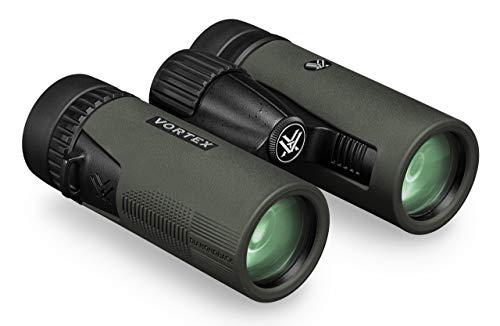
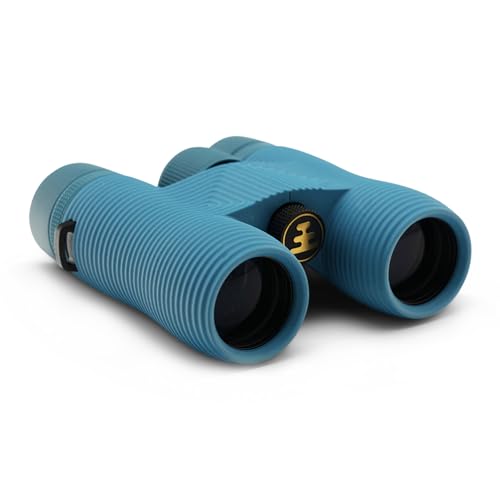
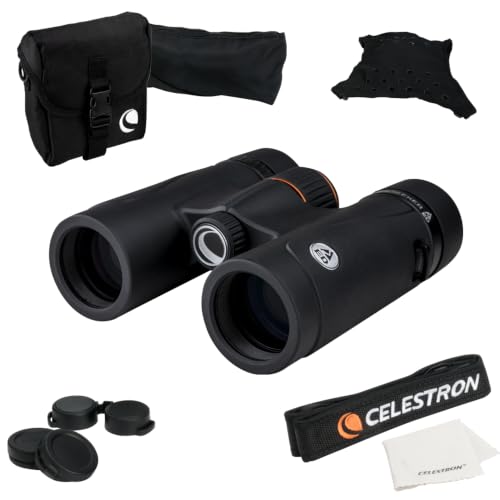
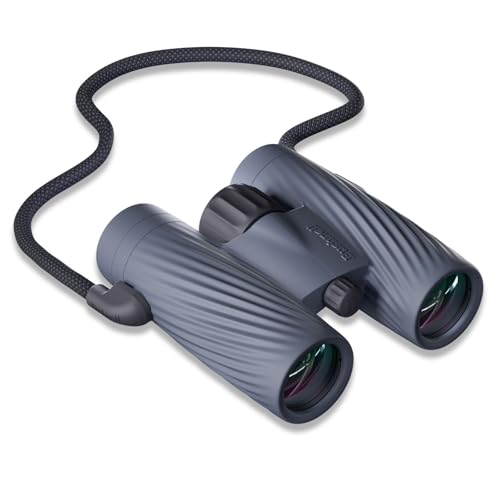
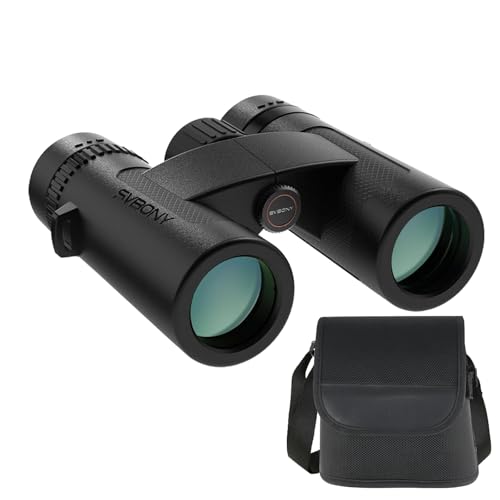
An 8x32 is light enough to hang around your neck for hours, yet it gathers enough light for most daylight and early evening viewing. The best 8x32 binoculars under $500 pair good glass with a wide view and a body that shrugs off rain. The sections below show what separates a sharp pair from a dim one, and the comparison table below gathers the options in one place.
Price alone tells you little here, because two pairs at the same price can differ a lot in coatings, field of view and focus feel. Read the features in the order that matches your use.

Who Should Buy 8x32 Binoculars Under $500?
The 8x32 size suits viewers who value a wide scene and a light carry over maximum brightness after sunset.
Birdwatchers Who Cover Ground on Foot
You walk trails, scan tree lines and follow birds that move fast between branches. A wide field of view helps you find a bird quickly, and a close focus near five to six feet lets you study butterflies on the same walk. Choose a pair around 17 to 22 ounces so it stays comfortable all morning. For dawn outings, see our guide to the best birding binoculars under $500.
Travelers and Day Hikers Who Pack Light
You want one pair that fits a daypack side pocket and comes out for viewpoints, harbor seals and distant landmarks. A compact roof prism body packs flat, and a weight under about 25 ounces will not pull on your neck during a long climb. Sealed optics also help when a viewpoint turns misty.
Sports and Concert Fans in Daylight Seats
You sit far from the action and want faces, jersey numbers and stage detail without a shaky image. Eight power magnification is easy to hold steady from a seat, and the view stays bright through afternoon games and evening shows under stadium lights. A wide field keeps the whole play in frame.
Key Features to Compare
When you compare the best 8x32 binoculars under $500, work through glass first, then the view, then fit. At this price you can expect ED glass, full multi coating and sealed bodies.
Glass Quality, ED Elements and Lens Coatings
Glass and coatings decide how much light reaches your eyes and how clean the image looks. ED glass, short for extra low dispersion glass, reduces the purple and green fringing that can outline a bird against a bright sky. Fully multi coated lenses carry anti reflective coatings on every glass surface, which raises brightness and contrast. Phase coating sharpens fine detail, and BaK4 prism glass gives a brighter image than cheaper BK7 glass.
Field of View and the 4 mm Exit Pupil
The numbers 8x32 mean eight power magnification through objective lenses 32 mm wide. Dividing 32 by 8 gives an exit pupil of 4 mm, the width of the light beam that reaches each eye, and that beam suits daylight and open shade well. Field of view matters just as much: look for about 400 to 450 feet at 1,000 yards, or roughly 7.5 to 8.5 degrees, so you can follow moving birds and players without constant panning.
Eye Relief, Eyecups and Fit for Glasses
Eye relief is the distance your eyes can sit behind the eyepieces while still seeing the full view, and glasses wearers need more of it. Look for about 15 to 20 mm if you wear glasses, then test with the eyecups turned down so your frames sit close to the lenses. Twist up eyecups with firm stops help users without glasses hold the right distance. Also check the interpupillary distance range, usually about 56 to 74 mm.
Close Focus and the Focus Wheel
Close focus is the nearest distance the binoculars can sharpen, and a good 8x32 focuses down to about five to seven feet. That range turns a trail walk into a close look at feathers, flowers and insects without stepping back. The center focus wheel should turn smoothly with light finger pressure, with no gritty spots or slack when you change direction. About one to one and a half turns from near to far is quick without feeling twitchy.
Size, Weight and Hinge Design
Most 8x32 models weigh about 17 to 25 ounces and measure near five inches long. A single hinge body stays rigid and simple, while a double hinge folds smaller and lets each hand grip its own barrel, which some users find steadier. The strap changes how that weight feels, so a wide padded strap spreads the load better than a thin cord.
Waterproof and Fogproof Sealing
Sealed binoculars keep rain and dust out of the optics, which protects the view for years. Look for O ring seals and a body filled with nitrogen or argon gas, because dry gas inside stops the inner lenses from fogging when you move from a warm car into cold air. Rubber armor adds grip with wet hands and cushions small drops.
Roof Prism or Porro Prism: Types of 8x32 Binoculars
Two prism layouts dominate this size, and each shapes the body and the view differently.
Roof Prism 8x32 Binoculars for a Slim Carry
Roof prism models keep the barrels straight and narrow, so the binoculars slip into a pack pocket. Nearly every 8x32 under $500 uses this layout, and it seals well against weather. The trade off is cost, because the prisms need precise phase coating to stay sharp. For a larger pair built for dimmer light, see our guide to the best 10x42 binoculars under $500.
Porro Prism 8x32 Binoculars for a Wide, Deep View
Porro prism models offset the objective lenses wider than the eyepieces, which gives a strong sense of depth and often a generous field of view for the price. The body is broader and harder to pack flat, and fewer makers offer this layout at 32 mm. For full size options, see our guide to the best binoculars under $500, and hunters can see our guide to the best hunting binoculars under $500.
Common Mistakes to Avoid
These errors are common at this price, and each one is easy to dodge.
- Ignoring eye relief when you wear glasses cuts off the edges of the view and strains your eyes.
- Judging brightness by objective size alone misses the coatings, so a well coated 32 mm pair can beat a cheap 42 mm pair.
- Skipping a focus wheel test in the store means living with a stiff wheel on every outing.
- Buying a pair with no sealing for trail use invites inner fog that no cloth can wipe away.
- Choosing the narrowest field of view to save money makes fast birds and plays hard to follow.
- Paying extra for digital zoom features on a simple optical pair wastes money that better glass would use well.
Setup and Care Tips for 8x32 Binoculars
Set the diopter once and focus stays even between your two eyes. Point the binoculars at a plain distant sign, close your right eye and focus the left barrel with the center wheel, then close your left eye and turn the diopter ring until the right image is sharp. After that, use only the center wheel.
Clean the lenses with a blower first, then a soft lens cloth in small circles, because wiping grit across glass can scratch the coatings. Keep the covers on during travel, and store the pair in a dry padded case away from direct sun. Let a wet body dry at room temperature before you close the case.
FAQ
Can you get a good pair of 8x32 binoculars for under $500?
Yes, under $500 buys a genuinely good 8x32 pair with ED glass, full multi coating and sealed optics. The smart range for a first serious pair is about $300 to $500, where the jump in clarity over budget models is largest. Before you order, check the return window and warranty length, because a long warranty signals maker confidence in the seals.
Are 8x32 binoculars bright enough at dawn and dusk?
An 8x32 pair is usable at dawn and dusk, though it gives up some brightness to a larger 42 mm pair. In dim light your own pupils widen beyond the 4 mm exit pupil, so part of the delivered image goes unused and the scene looks darker. For the first and last half hour of light on open ground, most users still find it clear enough to identify birds and deer.
Is a smartphone camera enough instead of 8x32 binoculars?
No, a phone camera is not a true substitute for 8x32 binoculars when you watch distant subjects for more than a few seconds. Phone zoom crops a small sensor image, so fine detail softens and the screen washes out in bright sun. Binoculars show a live optical view to both eyes at once, which makes following a flying bird far easier.
What specs matter most for a first pair of 8x32 binoculars?
For a first pair, start with field of view, eye relief and weight, then check the glass. A wide view makes subjects easier to find, which is the skill new users struggle with most. If you wear glasses, put eye relief first, because a bright image you cannot see in full is wasted. Handle two or three pairs in a store if you can, since grip shape differs in the hand.
How long do 8x32 binoculars usually last with regular use?
A well sealed 8x32 pair can serve for a decade or more of regular use. The parts that age first are the eyecups, the strap and the rubber armor, which take sun and sweat on every outing. Storing the pair dry and out of heat slows that wear. If the image shows a double view after a drop, the prisms may have shifted, and a repair service is the right next step.
Our Verdict
Pick your pair by glass first, then field of view, then fit for your eyes and hands. A sealed roof prism 8x32 with ED glass, about 15 mm or more of eye relief and a weight you will happily carry covers birding, travel and stadium use. Check your finalists in the product table above.
Chosen that way, the best 8x32 binoculars under $500 become the pair you reach for on every walk, not the pair that stays home for being too heavy or too dim.