
Best 10x42 Binoculars Under $500: A Buying Guide for 2026
Disclosure: We may earn a commission when you buy through links on this page, at no extra cost to you. As an Amazon Associate I earn from qualifying purchases. Learn more

What the best 10x42 binoculars under $500 really buy: coatings, ED glass, sealing, and weight compared by price band, plus the trade offs at each level.
A firm budget ceiling changes what a smart buyer shops for. Under $500 you cannot buy the finest glass in the world, but you can buy glass that is hard to fault in daylight and still respectable at dusk. This guide shows where the money goes when you shop for the best 10x42 binoculars under $500, and the product table lays the main options side by side.
You will see which upgrades actually appear as the price climbs, which corners get cut at the bottom of the range, and how to read coating, weight, and sealing claims without a sales pitch.


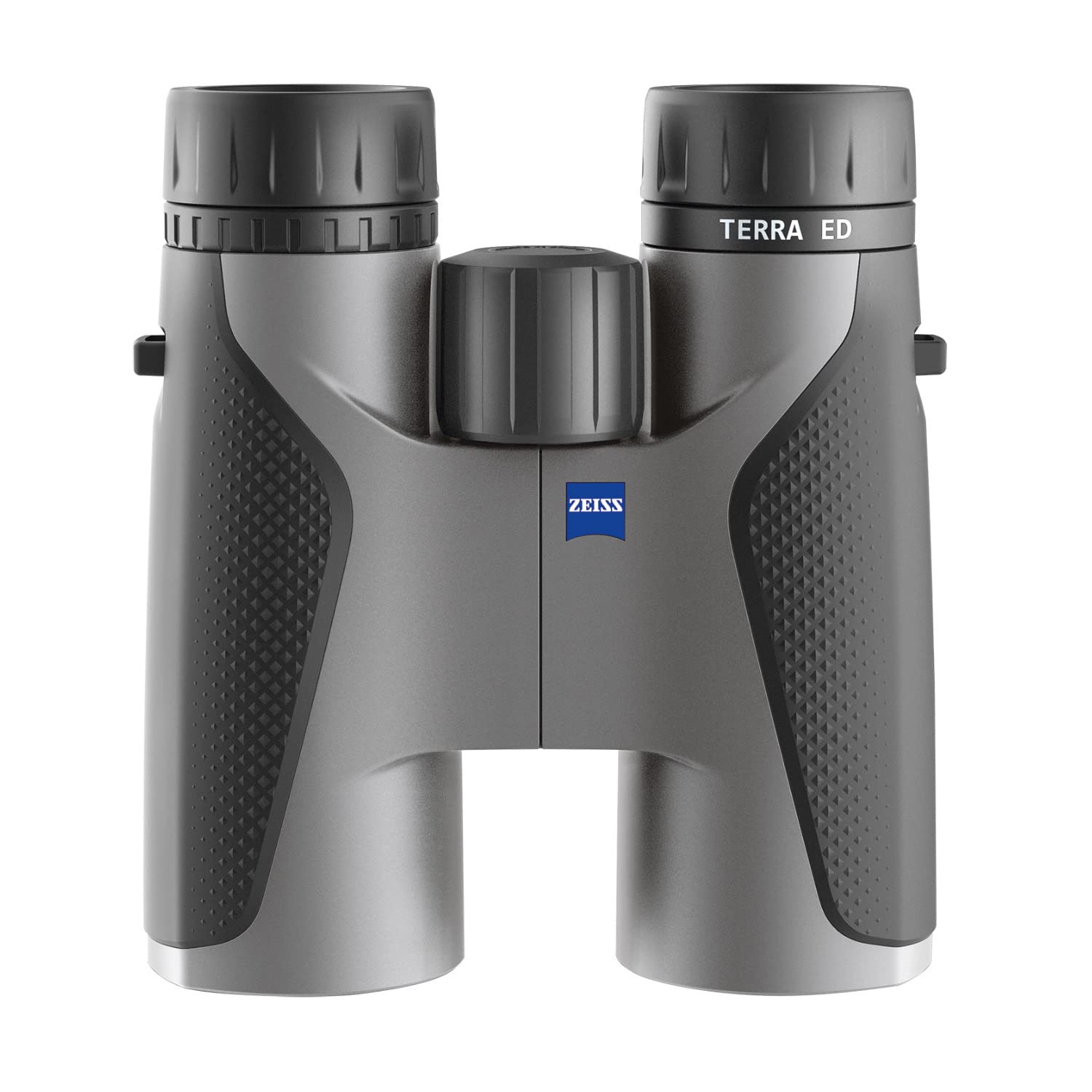


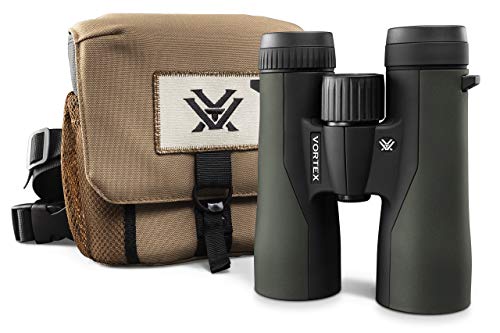


Where Your Money Goes Under $500
Shoppers comparing the best binoculars under $500 across sizes will find that the 10x42 class is where a budget stretches furthest, because it is the most produced size in the industry. Within the cap, three rough classes repeat.
Entry Class: About $100 to $200
At this level you get honest basics: multicoated optics, a sealed and nitrogen purged body on most pairs, and a focus wheel that may feel slightly gritty at the extremes. Edge sharpness falls off sooner than on pricier glass, and ED glass is usually absent. If your real ceiling sits lower still, our guide to the best 10x42 binoculars under $200 covers what survives at that level.
Mid Class: About $200 to $350
The mid class is where phase coatings on the prisms become standard, and the jump in contrast is the first upgrade most viewers actually notice. Eye relief grows more generous, close focus shortens, and warranties lengthen. For most hunters and birders, this band delivers the strongest value in the whole range.
Upper Class: About $350 to $500
Near the cap, ED glass becomes common, dielectric prism coatings reflect more light, and fields of view widen toward about 340 feet at 1,000 yards. Smoother hinges, better eyecups, and quieter wheels add up over long sessions. Hunters who glass open country at first light often start with the best hunting binoculars under $500, where this upper class forms the default shortlist.
How to Choose the Best 10x42 Binoculars Under $500
What the $500 Cap Buys
The best 10x42 binoculars under $500 are limited by the glass class you can reach: below the cap you are choosing among very good coatings and mid tier glass rather than the exotic glass of flagship pairs. The clearest place a mid price shows is coatings, where phase coated prisms and full multicoating separate a $300 pair from a $120 pair more than any headline spec does. Spend first on coatings and glass, then on sealing, and only last on extras such as fancy cases.
Exit Pupil and Low Light
Every 10x42 shares the same exit pupil math: 42 divided by 10 gives about 4.2 millimeters of light beam at each eye. That is enough for bright, comfortable viewing through the day and serviceable views at dawn and dusk. What changes across this budget is not the exit pupil but how much of that light survives the journey through the glass. This is why two pairs with identical numbers can look clearly different at last light.
Glass and Coatings in This Budget
Extra low dispersion glass, shortened to ED, keeps color fringing low around high contrast edges, and it appears regularly once you pass about $300. On roof prism pairs, dielectric coatings on the prism surfaces reflect more light than the silver coatings used on cheaper models. Read the coating wording carefully: fully multicoated is the standard to want, while a vague claim of coated optics may mean only some surfaces carry a single layer.
Weight and Carry
Weight governs how a pair carries, and it quietly decides how often the binoculars come along at all. Most 10x42 pairs in this budget weigh about 1.4 to 1.7 pounds, light enough for a neck strap on short outings. On long hikes or all day hunts, a chest harness spreads that load across your shoulders. The heaviest pair is still the one most likely to be left in the truck, the worst optical outcome of all.
Weather Sealing and Build
Sealed bodies filled with nitrogen prevent internal fogging when temperatures swing, and by the mid class this is expected rather than a luxury. Rubber armor protects the barrels from knocks and gives wet hands something to grip. Waterproof claims vary in depth and duration, so treat them as rain and splash protection unless a maker states a depth and time.
Focus, Eye Relief, and Close Focus
Eye relief of about 15 to 18 millimeters lets glasses wearers see the full field, and most pairs in this budget manage it. The focus wheel should travel from close focus to infinity in roughly one and a half turns without grit or slack. Close focus of about 6 to 8 feet is typical here, and the shorter end opens up butterflies, dragonflies, and feeder birds at close range.
Types of 10x42 Binoculars Under the Cap
Roof Prism Pairs
Roof prism pairs have straight, parallel barrels that slip easily into a pack side pocket. They dominate this budget because the design is compact, modern, and simple to seal against weather. Most buyers shopping under $500 will end up here.
Porro Prism Pairs
Porro prism pairs use offset barrels in a wider body, a shape that delivers a strong sense of depth for the money. They often give the best image per dollar in this guide, at the cost of bulk and fewer sealing options. Value hunters who glass from a porch, blind, or vehicle should look closely.
Rangefinder Pairs
Rangefinder pairs build a laser distance meter into a 10x42 body, serving hunters who need a range and a clear view in one tool. They sit at the very top of this budget and add weight and battery dependence. Our guide to the best rangefinder binoculars under $500 explains how the ranging features compare. If you never shoot or golf, the plain version of the same glass is the smarter buy.
Close Focus Pairs for Birding
Some 10x42 pairs are tuned for near work, focusing down to about 5 or 6 feet so insects and close birds fill the view. Birders who split time between distant raptors and nearby warblers often shortlist the best birding binoculars under $500, where close focus and fast wheels are the headline traits. These pairs trade nothing in distance performance, which makes them easy to recommend.
Common Mistakes to Avoid
- Spending the entire budget on the binoculars and nothing on a harness, because an uncomfortable carry means the pair stays home.
- Assuming every ED claim means the same glass quality, because the term covers a range of glass grades and designs.
- Chasing the widest field of view while ignoring edge sharpness, because a wide but soft edge tires your eyes.
- Skipping the eye relief check when you wear glasses, because short relief hides the outer field behind black rings.
- Choosing the heaviest pair for mountain hunts, because ounces at the trailhead become pounds by the last mile.
Care and Maintenance Tips
- Drop a small silica gel pack into the storage case, because it absorbs the humidity that feeds fungus on internal glass.
- Let a rain soaked pair dry at room temperature before casing it, because sealing in moisture invites fog and mildew.
- Mark your diopter setting with a tiny dot of paint, because a bumped ring silently softens one side of the image.
- Keep the pair away from insect sprays and solvents, because their chemicals can cloud coatings and soften rubber armor.
- Check hinge tension and eyecup movement once a season, because small looseness caught early is a cheap fix.
10x42 Binoculars Under $500 Questions Answered (FAQ)
Can you get a genuinely good pair of 10x42 binoculars under $500?
Yes, comfortably, because the mid and upper classes under the cap include ED glass, phase coatings, and full weather sealing. The honest way to confirm quality is to use the return window: check edge sharpness against a brick wall and focus smoothness in dim light at home. A pair that passes those checks in its first week is very likely a keeper.
How much of a $500 budget should go to accessories for 10x42 binoculars?
About $50 to $80 covers the accessories that matter: a chest harness at about $30 to $50, a tripod adapter at about $15 to $25, and a simple lens cleaning kit. That leaves about $420 to $450 for the binoculars themselves, still in the strong upper class. Skip padded luxury cases and branded straps, because they add cost without improving a single view.
Are 10x42 binoculars under $500 good enough for low light hunting?
For most stand hunting, yes, because the last minutes of legal light are exactly where this class and its coatings earn their price. The picture changes for spot and stalk hunting in dark timber, where a larger objective would help more than a pricier 42 millimeter pair. Match the tool to the terrain: open country favors 10x42, while deep woods reward brightness over magnification.
What does the 10x42 label mean on a pair of binoculars?
The 10x is the magnification and the 42 is the objective lens diameter in millimeters. A figure worth knowing is relative brightness, the exit pupil squared: for a 10x42 that is about 4.2 times 4.2, or roughly 17.6. Higher relative brightness suggests a brighter image in dim conditions when comparing sizes, such as a 10x50 at about 25. Within one size, coatings decide more than this number.
What warranty should 10x42 binoculars under $500 include?
Look for coverage that lasts at least ten years and ideally for the life of the product, with accidental damage terms stated plainly. Many makers cover defects but charge for impact or water damage repairs, so read the exclusions before you buy. One detail worth checking is whether the warranty transfers to a second owner, because transferable coverage protects resale value if you upgrade.
Final Thoughts
Under this cap, the winning formula is steady: let coatings and glass take the largest share of the budget, respect the fixed 4.2 millimeter exit pupil, and pick a weight your shoulders accept for a full day. Compare the options in the product table above against your main use. Chosen that way, the best 10x42 binoculars under $500 stop feeling like a compromise and start feeling like the smart buy.


