
Best 8x32 Binoculars for 2026: A Buyer Checklist
Disclosure: We may earn a commission when you buy through links on this page, at no extra cost to you. As an Amazon Associate I earn from qualifying purchases. Learn more

Choosing the best 8x32 binoculars is easier with a checklist for glass, coatings, eye relief, and weather sealing.
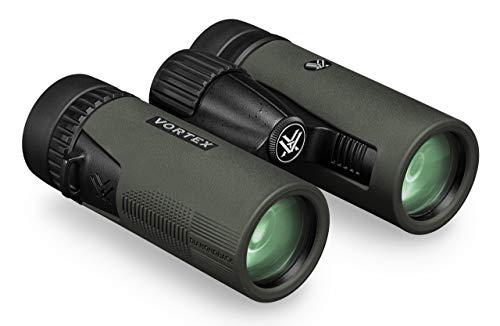
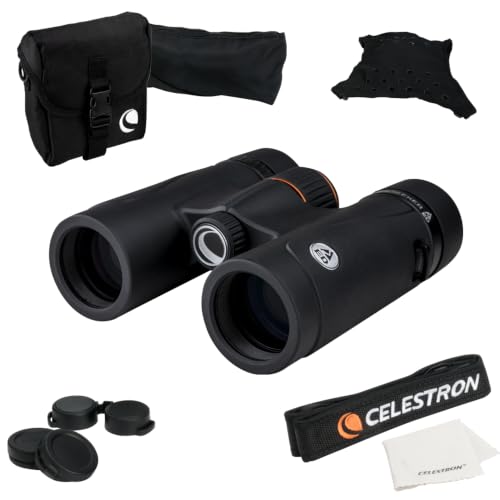
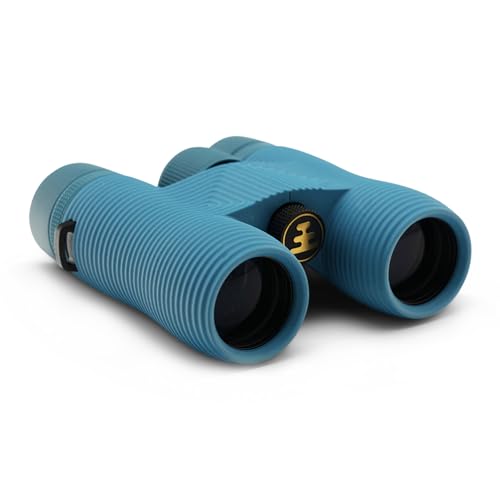
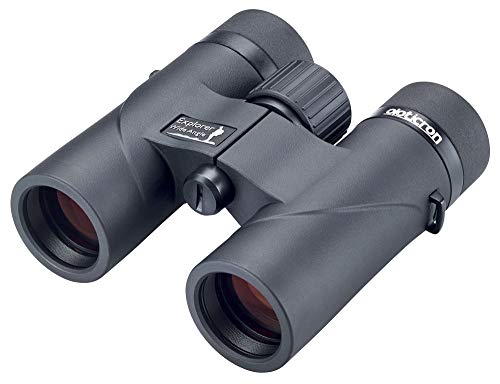
Shopping for best 8x32 binoculars starts with a simple idea: the numbers describe an 8 power magnification with a 32 mm objective lens, so the pair should be compact, bright enough for daylight, and easy to carry for hours. This guide turns that idea into a practical checklist, covering glass, coatings, eye relief, field of view, build, and low light behavior, so you can compare pairs on the points that change what you actually see. The product table can help you compare the main options at a glance.
An 8x32 pair suits birding, hiking, travel, sports, and general nature watching, because it balances a steady image with a fairly wide view and a size that fits a jacket pocket or a small bag. It will not match a larger pair in very dim light, and it will not reach as far as a higher magnification pair, but for most daylight use it is a sensible middle ground. Never look at the sun through binoculars, because focused sunlight can harm your eyes.

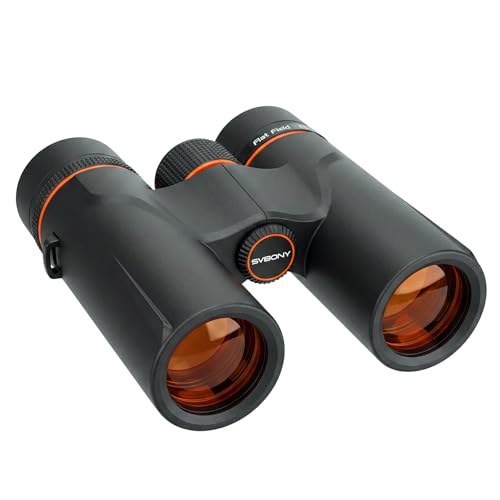
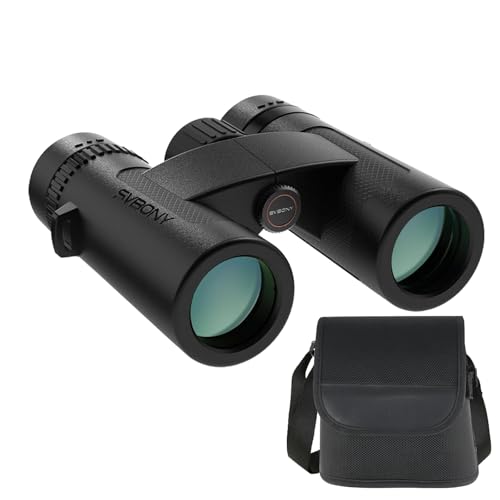
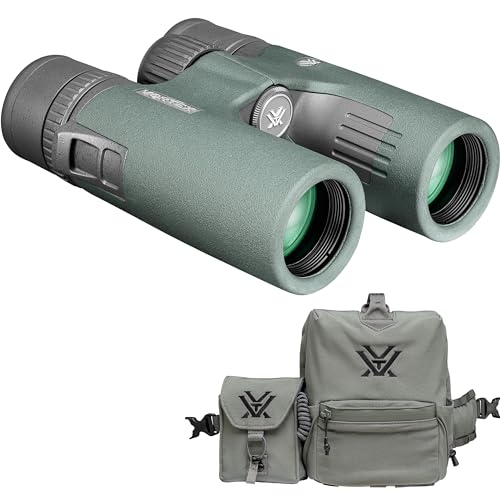


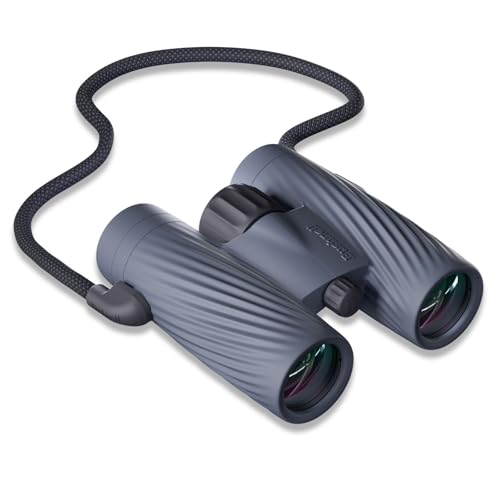

Key Features of the Best 8x32 Binoculars
Use the checklist below as a neutral way to compare pairs, without relying on brand claims or vague praise. Each feature below explains what it means, how it changes the view, and what to look for when you handle a pair in a shop or read a maker data sheet.
Magnification and Objective Size
Magnification tells you how much closer a subject appears, while objective size tells you how wide the front lens is and how much light it can gather. An 8 power view is steady enough to hold by hand for most people, and a 32 mm objective keeps the pair compact while still gathering enough light for daylight and bright overcast conditions. If you often watch in dawn or dusk light, a larger objective may help, but it will also add size and weight, so weigh portability against brightness for the hours you watch most.
Glass and Coatings
Glass quality and lens coatings affect sharpness, color, and glare more than many buyers expect, because coatings reduce reflections inside the barrels and help more light reach your eyes. Look for fully coated or fully multi coated optics in the maker description, and check whether prisms are described as phase coated, which can improve contrast in roof prism designs. For a general sense of how well regarded designs compare, see our guide to the best rated binoculars alongside the details here, and judge sharpness at the edges of the view rather than at the center alone.
Eye Relief and Field of View
Eye relief is the distance from the eyepiece at which you can still see the full view, and it matters most if you wear glasses, because short eye relief can cut off the edges of the image. Look for eye relief of about 15 mm or more if you wear glasses, and use twist up eyecups to set the right distance for your eyes. Field of view tells you how wide a scene you can see at a set distance, and a wider field helps you find birds, follow moving subjects, and scan a hillside without constant repositioning.
Build and Weather Sealing
Build quality affects how a pair survives rain, dust, drops, and years of carrying, so check the body material, hinge feel, and eyecup action before you buy. A sealed, nitrogen purged body helps resist internal fogging when you move between warm indoors and cold outdoors, and a rubber armored body gives grip and some shock absorption. Weight matters too, because a pair you leave at home helps no one, so hold the pair with its strap and neck weight in mind, not just the bare body weight on a data sheet.
Focus and Handling
Focus feel shapes everyday use, because a smooth central wheel lets you shift from a near subject to a distant one without losing the moment. Check how far the wheel turns, whether it feels stiff or loose, and whether the diopter control for your right eye stays put once set. Close focus distance matters for butterflies, flowers, and nearby birds, so check that figure if near subjects interest you, and make sure the interpupillary adjustment fits the distance between your eyes without slipping.
Low Light Performance
Low light performance depends on objective size, glass, coatings, and exit pupil, which is the objective size divided by magnification, so an 8x32 pair gives a 4 mm exit pupil. That size suits daylight and bright twilight, but a larger objective will usually do better in deep shade or at dawn and dusk. Never look at the sun, even in low light, and judge low light claims by the glass and coatings rather than by a single brightness number, because no single figure tells the whole story.
Spending Levels to Consider
Rather than naming single winners, it helps to think in spending levels, because each level trades glass, build, and warranty against price in a fairly clear way. Use the levels below to set a budget that matches how often you will use the pair and how rough the conditions will be.
Lower Spending Level
At a lower spending level, expect decent daylight sharpness, basic coatings, and a lighter body, with more plastic in the build and a simpler warranty. This level suits occasional use, travel, and first pairs, as long as you check eye relief, field of view, and hinge feel before you commit. Prices often sit around $80 to $150, and the best value here comes from a pair that feels solid in the hand rather than one that promises features it cannot deliver.
Mid Spending Level
At a mid spending level, expect better glass, fuller coatings, smoother focus, and stronger weather sealing, with a more comfortable strap and eyecups. This level suits regular birders, hikers, and nature watchers who use a pair weekly and want a view that stays sharp across more of the field. Prices often sit around $150 to $350, and the step up usually shows most in edge sharpness, glare control, and build feel rather than in raw magnification.
Higher Spending Level
At a higher spending level, expect premium glass, refined coatings, precise focus, and a robust build with a longer warranty and better service support. This level suits daily users, guides, and watchers who need reliable performance in rain, cold, and low light, and who will notice small gains in contrast and color. Prices often sit above $350, so buy at this level only if you will use the pair often enough for the extra refinement to matter.
Quick Buyer Checklist
Run through these questions before you buy the best 8x32 binoculars for your needs, and treat a clear no as a reason to keep looking rather than a detail to overlook.
- Does the 8 power view feel steady in your hands, without excessive shake?
- Can you see the full field with or without glasses, using the eyecups correctly?
- Is the field wide enough to find and follow your usual subjects?
- Does the focus wheel move smoothly and hold its setting?
- Is the body sealed against rain and fogging for your usual conditions?
- Does the weight and strap feel comfortable for a full outing?
- Does the warranty and maker support give you confidence for long use?
For birding specific use, also see our guide to the best binoculars for birdwatching for advice on field of view, close focus, and carrying comfort in the field.
Red Flags to Watch For
Watch for vague specs, such as a magnification claim with no objective size, no coating detail, and no eye relief figure, because those gaps make honest comparison hard. Be wary of extreme zoom claims, very low prices paired with premium promises, and descriptions that mix camera terms such as sensor size or video resolution into a binocular listing. Also check warranty length, return terms, and whether spare eyecups and caps are available, because a pair with no support can become costly if a small part wears out.
How to Make Your Pair Last Longer
Care starts with using a lens cloth rather than a shirt sleeve, because grit on fabric can scratch coatings over time. Keep lens caps on during transport, store the pair in a dry padded bag, and avoid leaving it in a hot car or a damp shed for long periods. Clean lenses with a blower first, then a cloth and lens fluid if needed, and check the hinge, eyecups, and strap regularly so small wear does not turn into a loose or misaligned pair.
Frequently Asked Questions
Is a smartphone enough instead of 8x32 binoculars?
A smartphone is not a full substitute for 8x32 binoculars, because a phone screen shows a digital zoom image while binoculars give a direct optical view with better depth and detail at distance. Phones suit quick photos and identification apps, while binoculars suit watching behavior, following movement, and enjoying a scene without a screen in between. If you already carry a phone, use it as a companion for photos and notes, and let binoculars handle the watching itself.
What specs matter most for beginners buying 8x32 binoculars?
Beginners should focus first on eye relief, field of view, weight, and focus feel, because those points decide whether a pair is comfortable and easy to use every day. Glass and coatings matter next, since they affect sharpness and glare, while extreme magnification and extra features matter less at this size. Choose a pair that feels steady and clear in your hands, and avoid paying extra for terms you do not understand until you have used a basic pair for a season.
What does 8x42 or 10x42 mean?
The figures 8x42 and 10x42 describe different binocular sizes, where the first number is magnification and the second is objective lens size in millimeters. An 8x42 pair gives 8 power magnification with a 42 mm objective, while a 10x42 pair gives 10 power magnification with the same objective size, so both gather more light than an 8x32 pair but weigh more. Use those figures only as a size comparison, and judge each pair by its own glass, coatings, and field of view rather than by the numbers alone.
How much should I spend on my first 8x32 binoculars?
Most first time buyers do well around $80 to $250, because that range usually buys solid glass, decent coatings, and a sealed body without paying for premium refinements you may not yet notice. Spend less if use will be occasional and gentle, and spend more if you will use the pair weekly in rain or low light. Set your budget after handling a few pairs, and let comfort, field of view, and eye relief narrow the choice before price does.
Which 8x32 binoculars are better for low light?
Pairs with better glass, fuller coatings, and a clean optical path usually perform better in low light, even at the same 8x32 size, because they lose less light to reflections inside the barrels. A larger objective would gather more light, but within 8x32 pairs the difference comes from coating quality, prism type, and internal blackening rather than from magnification alone. Compare pairs at dusk when you can, and never look toward the sun while judging brightness or clarity.
Final Thoughts
The right 8x32 pair is the one that feels steady, clear, and comfortable for the watching you actually do, not the one with the longest feature list. Use the checklist in this guide to compare glass, coatings, eye relief, field, build, and focus, and set a spending level that matches how often and how roughly you will use the pair. The product table can help you compare the main options side by side before you narrow the choice to a short list.
When you have a short list, handle each pair if you can, check the full field with your glasses on or off as needed, and confirm the warranty and return terms. A well chosen pair of best 8x32 binoculars should disappear in use, leaving you free to watch birds, landscapes, and games without fighting the optics.


