
Best Academy Running Shoes for Every Need: How to Pick the Right One for 2026
Disclosure: We may earn a commission when you buy through links on this page, at no extra cost to you. As an Amazon Associate I earn from qualifying purchases. Learn more
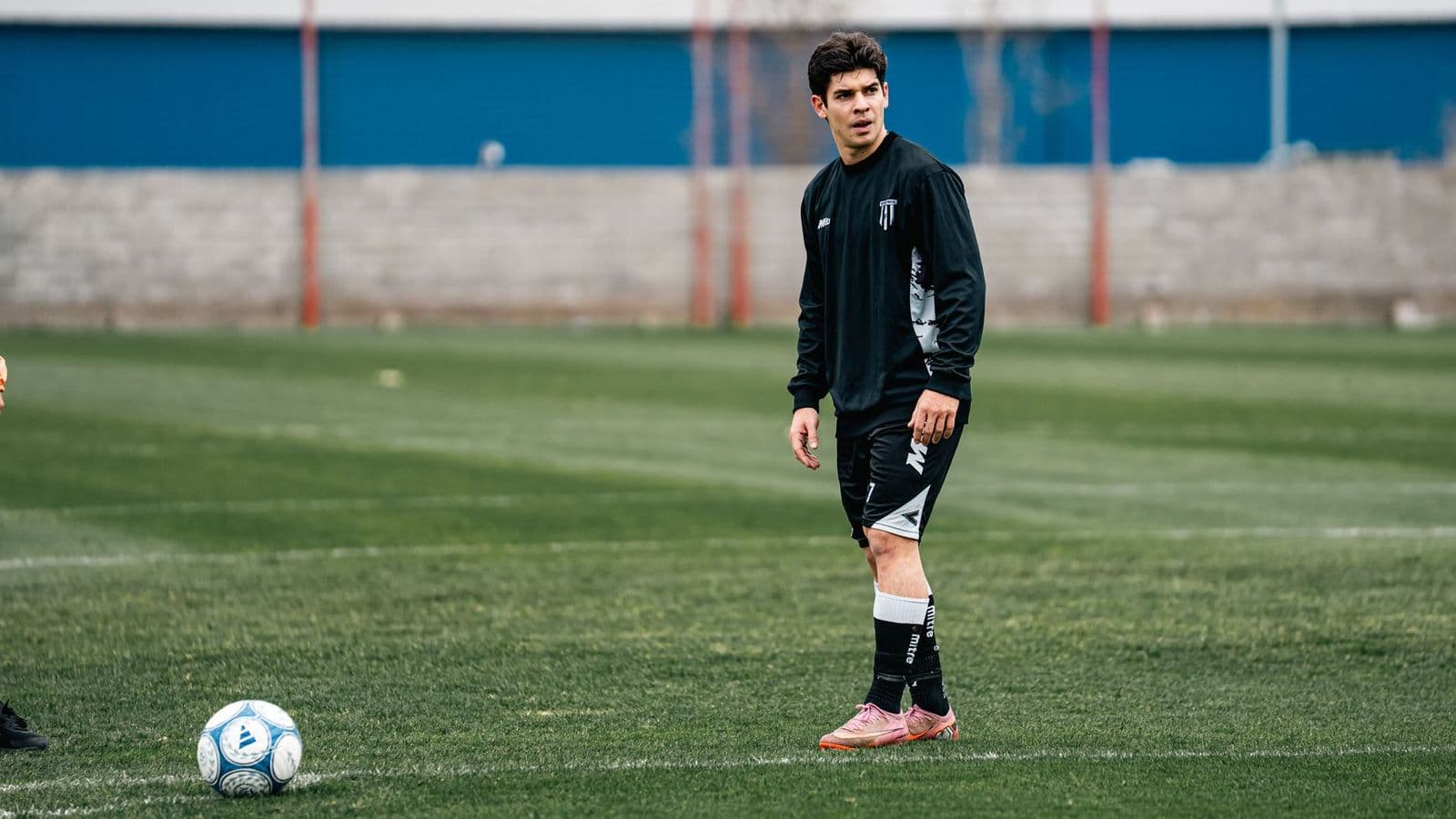
Discover the best academy running shoes for your needs. We match features to real use cases so you avoid overpaying and get the right fit the first time.
No single shoe suits every academy runner, because a student logging daily training miles needs something different from a weekend beginner joining occasional sessions. The best academy running shoes are the ones that match your training load, your foot shape, and the surfaces your academy actually uses.
This guide groups buyers by routine first, then explains the features that protect comfort across a full term of training. Use the sections that follow to narrow your choice.
Who Should Buy Which Academy Running Shoes?
For Small Spaces and Easy Storage
Academy students often live with a small locker, a shared dorm room, or one gym bag that must hold everything. Choose a light, flexible pair that slips into a locker without bulky structure, and consider a second low cost pair only if you have room to rotate. Shoes with removable insoles also air out faster in tight spaces, which keeps odors down.
Storage habits matter more than most buyers expect: a pair crushed under books loses cushioning shape sooner. Keep your running pair in the bag top or locker front, never under heavy gear, and loosen the laces fully before putting them away.
For Frequent or Serious Users
If you train four or more days a week, run academy time trials, or add weekend races, durability and consistent cushioning become your top priorities. Look for a resilient midsole foam, a reinforced upper around the toes, and a warranty or return window that covers early defects. Serious users wear through budget foam quickly, so cost per mile favors a sturdier pair.
Your training mix should shape the shoe too: track intervals want a lighter, firmer feel, while long easy runs want more cushion under the heel. Many serious academy runners keep one pair for each job once weekly mileage climbs. Our wider guide to the best running shoes covers that two pair approach in more depth.
For Weekend Beginners
New runners need comfort and simplicity above all, because sore feet end habits faster than slow times do. Choose a cushioned neutral shoe with a roomy fit, a price that feels safe while you learn, and enough versatility for academy sessions, gym work, and walks between classes. Avoid racing style shoes with stiff plates until your legs adapt to regular running.
Start with shorter sessions and build distance gradually, since no shoe can protect tendons that are suddenly overloaded. If you are choosing between sizes, the fit advice later in this guide matters more for you than any foam technology name.
Key Features to Compare
Outsole Traction and Terrain
Academy training moves between track, pavement, grass fields, and indoor halls, so outsole grip must suit your most common surface. Road shoes use flatter rubber with many contact points for pavement, while deeper lugs grip soft grass and mud but feel clumsy and wear fast on hard ground. Track focused training favors a smooth, light outsole that will not catch during drills.
Check lug depth and rubber coverage in the heel and forefoot, the two zones that wear first. If your academy trains mostly on wet pavement in winter, prioritize rubber that stays grippy when damp over a lighter foam exposed design.
Durability and Expected Lifespan
Most running shoes deliver their best cushioning for about 300 to 500 miles, after which the foam feels flat even if the upper looks fine. Academy runners covering 15 miles a week reach that range within a single school year, so plan replacement into your budget from the start. Heavier runners and heel strikers usually land at the lower end of the range.
Track your mileage in a simple note on your phone, because guessing by calendar alone misleads. Press the midsole with your thumb every few weeks: foam that stays compressed or feels dead compared with a new pair is telling you its best miles are done.
Fit, Sizing, and Toe Box
Measure and try shoes late in the day, when feet are slightly swollen from classes and training, and wear your usual running socks. Leave about a thumb width of space beyond your longest toe, because feet swell and slide forward during longer runs. The toe box should let toes spread without pressing the sides, while the heel should hold firm without slipping.
Sizing varies between brands more than most students expect, so treat your usual size as a starting guess, not a rule. Teen runners should recheck size each term, since growing feet quietly turn a good fit into blisters and blackened nails. If one foot is larger, fit to the larger foot and adjust the smaller side with lacing.
Arch Support and Foot Type
Flat feet that roll inward, often called overpronation, may feel steadier in a stability shoe with firmer support under the arch. High arches that roll outward usually prefer a neutral cushioned shoe that lets the foot move naturally. The wet footprint test at home gives a rough clue: a full wide print suggests flat arches, while a thin curved print suggests high arches.
Support should feel guiding, never painful or forced. Stop and seek advice from a doctor, physiotherapist, or other qualified professional if you notice sharp pain, numbness, swelling, or pain that changes how you walk, and talk with your clinician about personal needs before training through an injury.
Common Mistakes to Avoid When Buying Academy Running Shoes
- Choosing by color or price alone and ignoring the surfaces your academy trains on.
- Skipping traction checks, then slipping through winter sessions on worn smooth soles.
- Buying too small because your street shoe size felt fine in the shop for two minutes.
- Ignoring the return window, which is your safety net when the first long run reveals a hot spot.
- Wearing one pair for every sport, including court games that stress shoes sideways and tear uppers.
Students who split time between running and court sports sometimes look at dual use options, and our guide to the best tennis shoes for running explains where that compromise works and where it fails.
How to Make Your Academy Running Shoe Last Longer
Replace running shoes every 300 to 500 miles, and retire them to walking duty once the cushioning feels flat rather than running them into the ground. Air dry wet shoes away from direct heat, since radiators and dryers damage foam and glue; stuffing them with newspaper overnight pulls out moisture well. Rotate two pairs for daily wear when your budget allows, because a rest day lets foam recover between sessions.
Keep academy running shoes for running only, because playground games, cycling pedals, and gym machines wear the outsole in ways that shorten training life. Untie them instead of kicking them off, which preserves the heel structure that holds your foot steady.
FAQs
Can I wear academy running shoes all day?
Yes, you can wear them all day for classes and walking, and many students do. The trade off is wear: every hour on pavement around campus spends the same cushioning you bought for training. If you train seriously, keep a separate older pair for daily wear and save your current pair for sessions where fresh legs matter most.
How often should I replace my academy running shoes?
Replace them after about 300 to 500 miles, which for most academy runners means once or twice a school year. Replace sooner if you notice new aches in your shins or knees, visible midsole creasing, or a heel that leans to one side. A simple mileage note after each session removes the guesswork entirely.
Are expensive academy running shoes worth it?
They can be worth it for frequent runners, because pricier foams often stay lively longer and uppers survive a full season of training. For beginners running twice a week, a mid priced pair usually delivers the same comfort at far lower cost per term. Spend first on correct fit, since an expensive shoe in the wrong size is still the wrong shoe.
Do I need waterproof academy running shoes?
Only if your academy trains outdoors through wet winters and your routes stay soaked for months. Waterproof membranes keep rain out but also trap sweat and dry slowly once water enters over the ankle. Most runners prefer breathable shoes that drain and dry fast, paired with wool blend socks that stay comfortable when damp.
How should academy running shoes fit?
They should feel snug through the midfoot and heel, with clear space ahead of your toes and no pressure on top of the foot. Walk, jog in place, and do a few jumps in the shop, because a static standing fit hides heel slip. Sizes differ by brand and by gender lines, so readers comparing fits may also check the sizing notes in our guides to the best male running shoes and the best ladies running shoes.
How long is the break in period for academy running shoes?
Modern cushioned trainers need little break in time, usually two or three short easy runs before a longer session. A shoe that still rubs or presses after those runs is the wrong fit, not a shoe that needs more patience. Never debut a brand new pair on race day or the longest run of your training block.
Wrapping Up
Match the shoe to your training load, fit it late in the day with room for your toes, and track miles so replacement never surprises you. When those three basics are right, the best academy running shoes for you will feel obvious on the first run. Pick the style that suits your surfaces and start your term on comfortable feet.


