Best Accessories for a Mountain Bike: A Buyer Checklist in 2026
Disclosure: We may earn a commission when you buy through links on this page, at no extra cost to you. As an Amazon Associate I earn from qualifying purchases. Learn more

Use this checklist to choose the best accessories for a mountain bike, covering helmets, repair kits, hydration, lights, storage, and locks for trail rides.
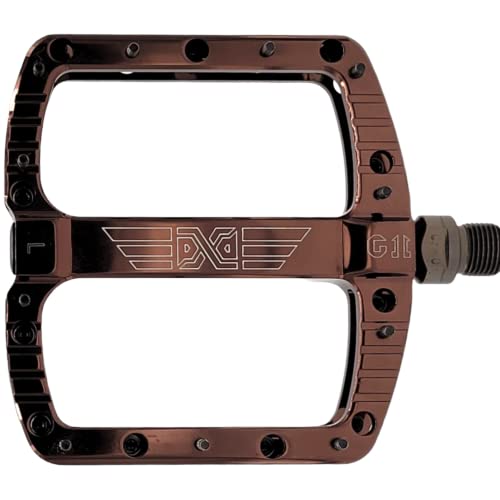
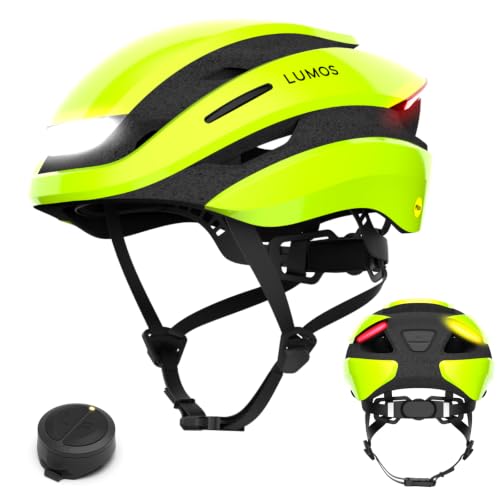
The gear around a mountain bike decides whether a flat tire ends your day, whether you stay hydrated on a long climb, and whether you can be seen when light fades. This guide treats the best accessories for a mountain bike as a checklist built around your trails and your frame, so use the comparison table below to match each type to your riding.
Start with protection and repair, then add carrying capacity and visibility only where your routes demand them. Short local loops need far less than rides far from help.


Who Should Buy Which Mountain Bike Accessories?
Your routes, ride length, and body size shape the kit most.
New Trail Riders Building a First Kit
If you are new to dirt riding, buy in a strict order and stop once the basics are covered. A helmet that fits well, a way to fix a flat tire, water, and a small multitool handle almost every problem on a short loop. Skip extra bags and mounts until you know what you reach for. Riders shopping for a younger family member can see our guide to the best mountain bike for a teenager for helmet and pack sizing.
Trail and Cross Country Riders Who Cover Long Distances
Riders who spend two hours or more away from the trailhead need self sufficiency most. Prioritize a larger water supply, a complete repair kit, food storage you can open while moving, and a light you trust if a problem delays you past dusk. Choose storage that keeps mass low and centered instead of swinging from the saddle.
Riders Whose Size Changes How Accessories Fit
Accessories are not one size, and fit problems show up fast. Smaller riders often need smaller helmet shells, gloves with shorter fingers, and packs with shorter back lengths, and a small frame may fit only one small bottle. Our guide to the best mountain bike for a women helps if frame reach affects storage fit. Larger riders should check larger helmet sizes, pack straps with real extra length, and bag weight limits, and our guide to the best mountain bike for a big guy covers the frame side.
Key Features to Compare
Choosing the best accessories for a mountain bike starts with fit and compatibility checks you can do at home.
Helmet Fit, Coverage, and Certification
A trail helmet should sit level, feel snug without pressure points, and stay put when you shake your head with the strap open. Look for certification to a recognized bicycle helmet standard on the inside label, extended coverage at the back of the head, and vents you can feel air move through at climbing speed. Hot climate riders should favor larger vents, while riders on rough descents may prefer deeper coverage. If a rider has a headache, confusion, dizziness, or vomiting after a fall, seek medical care right away and talk with a clinician about personal needs before riding again.
Trail Repair Kit and Inflation
A useful repair kit covers the failures that actually stop a ride. Pack a multitool with the hex sizes your bolts use, tire levers, a spare tube that matches your valve and wheel size, patches, and a plug kit if your tires run without tubes. A mini pump works in any weather and never runs out, while an inflator cartridge fills a tire in seconds but gives only as many fixes as you carry cartridges. Test your choice at home first.
Hydration Capacity and Carry Method
Most riders need about half a liter of water per hour on warm trails, and more on exposed climbs. Bottle cages keep weight on the frame and suit short rides, but crowded frames may fit only one small bottle. A hydration pack carries about 1 to 3 liters plus tools and food, which suits long rides, yet it adds heat on your back.
Lights and Visibility for Low Light Riding
Trail riding after dark calls for a bright front light, while riding roads to the trailhead calls for being seen more than seeing far. A bar mounted light shows the ground your wheel is about to cross, and a helmet mounted light follows your eyes into corners and down at a repair. Rear lights and reflective details on packs matter most on shared roads. Check run time at the brightness you will actually use, since the longest setting is usually the dimmest.
Storage, Mounts, and Frame Clearance
Where you store gear changes how the bike handles. Frame bags keep weight centered but must clear your knees, your bottles, and the moving parts of a rear shock, so measure the front triangle before ordering. Saddle bags are simple and cheap, though a large one can sway and rub a dropper post. Phone and computer mounts should match your bar diameter and hold the device where a crash is least likely to crush it.
Gloves, Grips, and Locks for Daily Protection
Gloves protect your palms in a slide, improve grip when hands sweat, and take the sting out of rough descents, and padded palms help most on long rocky rides. Grips should match your hand size and glove use, since a grip that feels right bare handed can feel bulky with padded gloves. A lock is for brief stops on most trail and town rides. A heavy chain resists cutting but is a burden to carry, while a light cable only slows a casual thief.
Quick Buyer Checklist for Mountain Bike Accessories
Run through these questions before you order. A no answer points to the section above that solves it.
- Does the helmet size match your head measurement by tape, not a hat size?
- Does your repair kit match your tire setup, valve type, and wheel size?
- Can your frame fit the bottles, bags, or mounts you plan to add?
- Does your water supply match your longest planned ride in warm weather?
- Do your lights run long enough at full brightness for a delayed ride home?
- Do gloves and grips fit your hands together, without bunching or slipping?
- Is every strap, mount, and cage rated for the weight you will put in it?
- Have you budgeted for replacing wear items such as tubes and cartridges?
Common Mistakes to Avoid
- Buying a helmet by style instead of head measurement, so it rocks on descents and protects poorly.
- Carrying a spare tube with the wrong valve or size, so the repair kit fails when you need it.
- Adding a large frame bag without measuring, so it blocks a bottle, rubs your knees, or fouls the rear shock.
- Trusting the lowest light setting run time for a night ride, so the battery fades before you reach home.
- Leaving a bike locked with a light cable outside for hours, so an easy target tempts theft.
- Packing every accessory you own on every ride, so extra weight tires you out and hides needed tools.
Care and Maintenance for Mountain Bike Accessories
Accessories last longer with a short routine after muddy rides. Rinse a helmet with mild soap and water, let the pads air dry out of direct sun, and never store it near solvents or fuel, which can damage foam you cannot see. Wash packs and gloves per their labels, leave pockets open while they dry, and check straps for fraying.
Dry a multitool and pump after wet rides, work the pump a few strokes to clear grit from the seal, and wipe plug tools clean so they seal a tire properly next time. Charge lights after each night ride, since a battery stored empty loses capacity over time. Inspect cages, mounts, and straps for cracks each month, and replace any part that flexes or slips.
Frequently Asked Questions About Mountain Bike Accessories
Which mountain bike accessories should a new trail rider buy first?
Buy a certified helmet, a spare tube with tire levers and a pump, water, and a basic multitool first. Those items cover safety, hydration, and the most common trail stoppage, and together they often cost about $100 to $200. Add lights and storage only after several rides show you a real gap, since early guesses about what you need are often wrong.
How should a mountain bike helmet fit on the head?
A mountain bike helmet should sit level, low on the forehead, and snug all the way around without a single sore spot. Measure your head just above the eyebrows and match that number to the size range printed by the maker, because brands size differently. With the chin strap loose, bend forward and shake gently. A correct size stays in place, while a loose one slides toward your eyes.
Should a mountain bike rider carry a mini pump or an inflator cartridge on the trail?
Carry a mini pump if you want unlimited air and can accept a few minutes of work at the trail side. An inflator cartridge seats a tire bead quickly, which matters after a burp on a tire run without tubes, but each cartridge is a single use item. Cold weather is the detail many riders miss: cartridges lose pressure as they chill, so winter riders are safer with a pump.
Do mudguards and frame bags fit both 27.5 and 29 inch mountain bike wheels?
Most mudguards and frame bags fit both wheel sizes, but clearance, not diameter, decides. A front guard needs space between the tire knobs and the fork arch at full compression, and tall knobs on a 29 inch wheel can eat that space quickly. Frame bags depend on triangle shape instead. Measure the gap with the tire inflated, and leave roughly a finger width beyond the tallest knob.
How much should a rider spend on a first set of mountain bike accessories?
A sensible first set costs about $150 to $300 when you put most of the money into the helmet. Spend roughly half the budget there, then divide the rest among repair gear, hydration, and one light if you ride near dusk. A simple steel multitool outlasts many costly ones, so price alone is a weak guide for the other items.
Final Thoughts
Build your kit in the order the trail demands it: protection first, then repair, then water and storage, then visibility. Fit checks at home prevent nearly every bad purchase here, and a smaller kit you understand beats a large one you have never practiced with. For most riders, the best accessories for a mountain bike are the ones matched to their frame, routes, and hands, so compare your shortlist with the product table above before you order.