Best 8000 Btu Portable Air Conditioners (2026): Types and Buying Guide
Disclosure: We may earn a commission when you buy through links on this page, at no extra cost to you. As an Amazon Associate I earn from qualifying purchases. Learn more
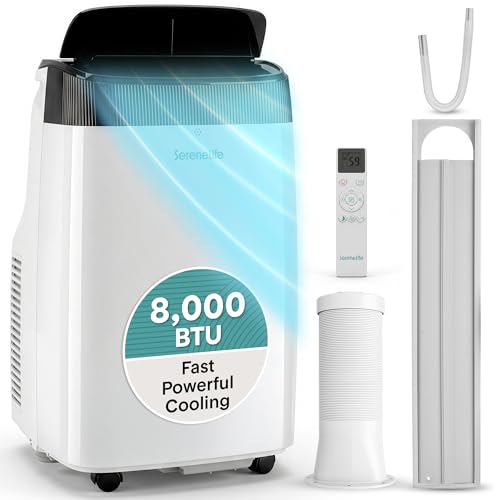
A buying guide to the best 8000 btu portable air conditioner: hose design, real coverage, noise and drainage compared for one room.
An 8000 Btu portable air conditioner sits in a narrow but useful spot. It is strong enough for one small room, yet compact enough to roll between rooms and store in a closet. Two units with the same rating can feel very different in daily use, because hose design, fan noise, and drainage style all change the result. This guide to the best 8000 btu portable air conditioner options explains how the main types compare, so you can match one to your room instead of guessing from the box label.
Use the comparison table below to line up the main types by coverage, noise, and features. If your space is larger than this size class can handle, our broader guide to the best portable air conditioner range covers the bigger sizes as well.


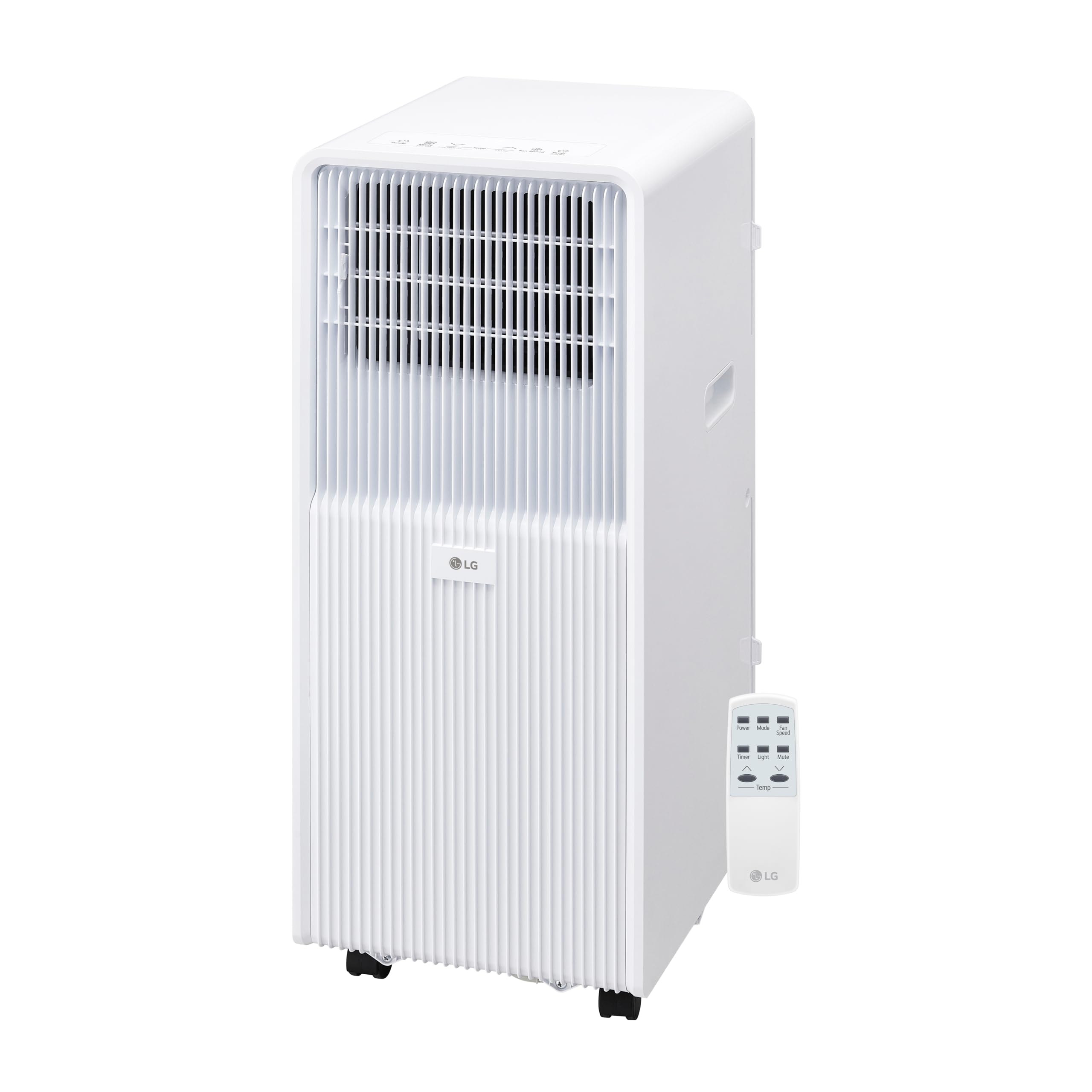

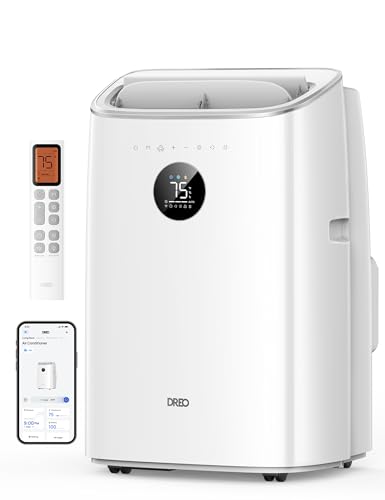
Who Should Buy an 8000 Btu Portable Air Conditioner?
This size class suits people cooling one room at a time rather than a whole floor.
People Cooling a Small Bedroom
If your bedroom measures roughly 150 to 200 square feet, this size can bring the temperature down before bed and hold it overnight. Sleep mode matters here, because it dims the display and eases the fan down after you drift off. Our guide to the best portable air conditioner for bedroom use compares quiet focused options if sleep is your priority.
Renters in Studios and Small Apartments
Many leases ban window units, and a portable model only needs a window kit that you remove when you move out. One unit can serve a studio during the day and roll to the sleeping corner at night. Our roundup of the best portable air conditioner for small room setups lists more ideas for tight floor plans.
Home Office Workers in One Spare Room
A spare room that doubles as an office often heats up from a computer, a monitor, and afternoon sun. A portable unit lets you cool only the hours you work instead of running central air for the whole house. A timer helps, because you can start cooling before your first call and let the unit switch off when the workday ends.
Types Compared at the 8000 Btu Size
The hose layout and the extra modes split this class into three types worth comparing.
Single Hose Units
A single hose unit pulls air from the room, cools it, and pushes the hot portion outside through one hose. This design is the lightest and usually the lowest priced at this size. The drawback is efficiency, because the air pushed outside creates slight negative pressure that draws warm air back in through door gaps. For a small room used a few hours a day, that trade off is often acceptable.
Dual Hose Units
A dual hose unit draws intake air from outside and sends exhaust air back out, so the cooled room air stays in the room. This layout cools faster and wastes less of the air you already paid to cool, which matters in hotter climates. The units tend to cost more and the two hoses take a little more care to route. See our guide to the best dual hose portable air conditioner designs if this type fits your room.
Units With Heat and Extra Modes
Some models in this class add a heat pump mode, a stronger dehumidifier mode, or both. The heat mode can take the chill off a room in spring and fall, though it will not replace a main heating system in deep winter. The dehumidifier mode helps in damp basements and coastal homes where the air feels clammy. Pay for these extras only if your climate gives you months where they will actually run.
Key Features to Compare
Room Size and Coverage Ratings
Portable units carry two ratings, and the gap between them confuses many buyers. The larger number follows the older ASHRAE method, while the smaller SACC number reflects a federal test that accounts for hose heat and air leakage. An 8000 Btu ASHRAE unit often shows a SACC rating near 5000 to 5300, and that lower figure is the honest guide for planning. Treat this class as a fit for about 150 to 200 square feet, and size up if your room has tall ceilings or big south facing windows.
Running Cost and Energy Use
Look for the CEER rating on the energy label, because it compares cooling output against the watts the unit draws. A higher CEER means lower bills for the same cooling, and the gap adds up over a long summer of daily use. Most units in this class draw roughly 900 to 1100 watts while the compressor runs, so a unit that reaches your target temperature and cycles off sooner can cost less than a cheaper model that runs flat out all afternoon.
Noise Levels for Bedrooms and Calls
Manufacturers quote noise on the lowest fan setting, often around 50 to 53 decibels for this size, and the compressor adds a deeper hum on top of the fan sound. On high settings the same unit can climb several decibels higher, which is why a genuinely quiet low setting matters more than the headline number. Place the unit on a flat, solid floor, because a loose window kit panel or a hollow floor adds rattles that no spec sheet mentions.
Drainage, Filters, and Upkeep Needs
Most modern units evaporate much of their condensate out through the exhaust hose, but humid weather can still fill an internal tank or call for a drain hose. Check how the unit tells you the tank is full and how easy the drain port is to reach. The washable mesh filter slides out for rinsing, and a clean filter keeps airflow strong. A few models add a finer filter for dust, which suits homes with pets but needs replacing on a schedule.
Controls, Timers, and Smart Features
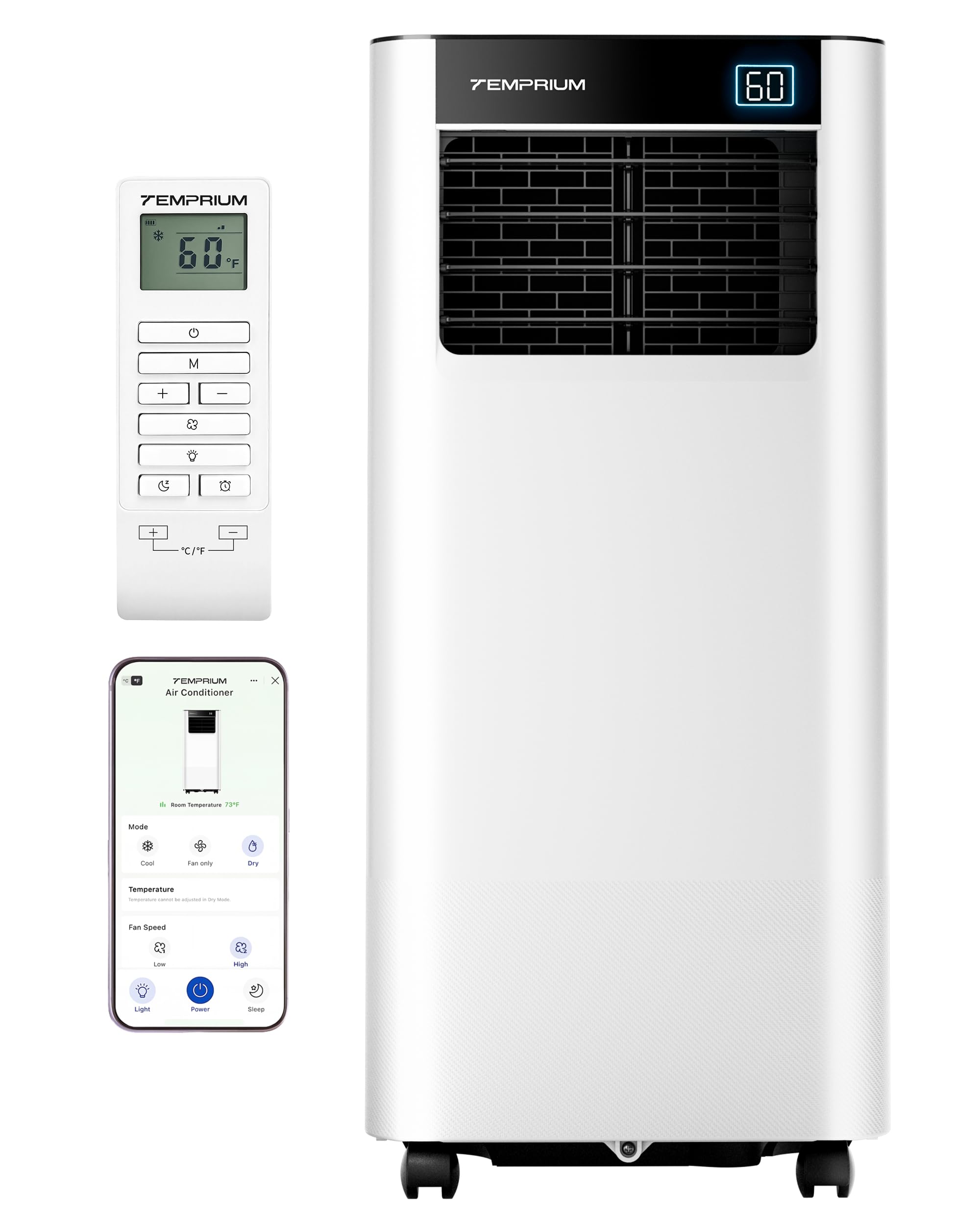
A clear control panel and a remote cover the basics, and a 24 hour timer lets you cool a bedroom before you get home. WiFi control through a phone app adds scheduling from another room, which helps if the unit stands somewhere out of reach. Skip paying extra for app control if the unit will stand near your chair, because the remote does the same job there.
Is an 8000 Btu Portable Air Conditioner the Right Size for You?
Measure the room, then adjust for conditions: add cooling demand for a top floor room under a hot roof, for a room where three or more people gather, and for a space that opens onto a kitchen. If two or three of those factors apply, the best 8000 btu portable air conditioner for you may actually be the next size up, because an undersized unit runs constantly, stays noisy, and still leaves the room warm at the end of the day.
Also weigh the format itself. A portable unit needs a window for the hose kit and floor space near that window. If your window opens sideways or sits high on the wall, check that the included kit adjusts to fit before you order. Our breakdown of portable ac vs window ac walks through the cases where a window unit cools the same room with less energy and less floor space.
How Much Should You Spend?
Prices in this class cluster into three bands. Under about $300 you get single hose cooling, a remote, and basic fan and dry modes, which is enough for occasional use in a small room. Between about $300 and $400, expect quieter low fan settings, better window kits, and in some cases dual hose designs or WiFi control. Above about $400, the gains are mostly comfort extras such as heat modes, finer filters, and smoother fan control, so spend there only when those extras solve a real problem in your room.
Common Mistakes to Avoid
- Trusting the larger ASHRAE number alone, which leads to a unit that cannot hold temperature on the hottest afternoons.
- Leaving gaps around the window kit panel, which lets hot outside air pour back in beside the hose.
- Running the exhaust hose with sharp bends or extra length, which traps heat and cuts cooling output.
- Placing the unit tight against a wall or curtain, which starves the intake and makes the compressor work harder.
- Ignoring the drain plan in humid weather, so the unit stops mid cycle with a full tank light on.
- Buying heat or smart extras for a room that only needs plain cooling a few weeks each year.
Care and Maintenance
Rinse the washable filter about every two weeks during heavy use, let it dry fully, and slide it back before running the unit. Wipe the cabinet and the intake grilles with a soft cloth so dust does not build up where air enters. Check the exhaust hose and window seals at the start of each season, because cracked foam or a loose panel quietly undoes the cooling you paid for. Our full walkthrough of how to clean a portable air conditioner covers the deeper seasonal clean in detail.
Before storing the unit for winter, run the fan only mode for an hour to dry the inside, drain any remaining water, and clean the filter one last time. Store it upright in a dry spot with the hose and kit kept together, and let it stand upright for several hours after any move before switching it on, so the compressor oil settles.
FAQ
How long does a portable air conditioner last?
Most portable air conditioners last about 5 to 10 years, depending mostly on hours of use and upkeep. A unit that runs all day through long summers wears faster than one used on the hottest nights only. Keeping the filter clean, storing the unit dry and upright, and avoiding constant maximum settings all help it reach the upper end of that range. When cooling fades despite a clean filter and a clear hose, a service visit or a replacement is usually the realistic choice.
Is a portable air conditioner worth it?
It is worth it when a window unit is banned by your lease or your window shape, or when you need cooling that moves between rooms. You give up some efficiency and floor space compared with a window unit, and you gain freedom to place cooling where you sleep or work. If you cool the same room every summer for years, a fixed option often wins on running cost.
Can an 8000 Btu portable air conditioner cool a living room?
Only a small living room, and only under mild conditions. A living room of about 150 to 200 square feet with normal ceilings and modest sun can feel comfortable, but an open plan space that flows into a dining area is effectively a much larger room. For open layouts, step up a size class or cool the seating zone with the unit aimed at the sofa.
Does a portable air conditioner need a window?
Yes, for cooling mode it needs a way to send hot exhaust air outside, and a window with the supplied kit is the standard route. Sliding doors can work with a taller kit. Running the unit with the hose dumping heat back into the same room cancels the cooling entirely, because the heat has nowhere to go. The fan only and dry modes are more flexible, but plan on window access wherever you intend to cool.
Why does my portable air conditioner keep shutting off?
The most common cause is a full condensate tank or a blocked drain, because most units stop the compressor for safety and show a warning light. A dirty filter can also overheat the unit and trigger a shutdown, as can a kinked exhaust hose. Check the tank, filter, and hose first, and confirm the unit is not sharing a circuit with another heavy appliance that trips the breaker. If shutdowns continue after those checks, the unit needs professional service.
Final Thoughts
The right choice in this size class comes down to fit. Match the SACC rating to your real room size, pick the hose design that suits how many hours a day the unit will run, and pay for extras only when your climate or routine will use them. Look back at the product table above to compare the types side by side with those points in mind. Chosen well, the best 8000 btu portable air conditioner keeps one room genuinely comfortable all summer.