Best 8000 Btu Window Air Conditioners (2026): Types and Buying Guide
Disclosure: We may earn a commission when you buy through links on this page, at no extra cost to you. As an Amazon Associate I earn from qualifying purchases. Learn more

A buying guide to the best 8000 btu window air conditioner: room size, noise, energy use and window fit compared for medium rooms.
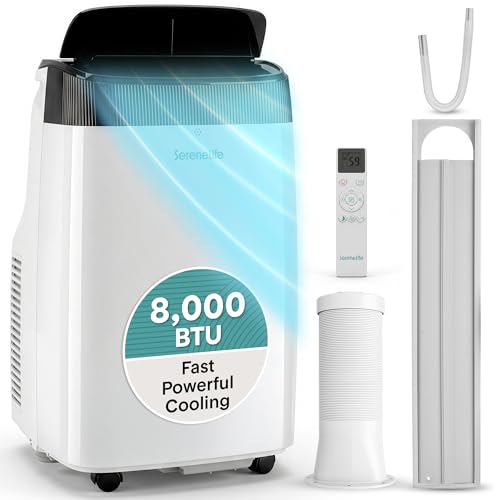
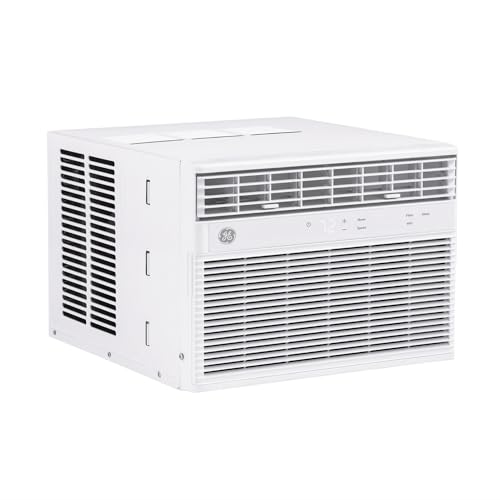
An 8000 Btu unit sits in a useful middle ground. It cools more than a small bedroom unit can manage, yet it still fits many standard windows and runs on a normal household circuit. Choosing the best 8000 btu window air conditioner means matching that capacity to your room, your window, and your tolerance for noise. The comparison table below groups the main types by coverage, noise, and energy use so you can see the trade offs before you read the details.
If your room is part of a larger search, start with our guide to the best window air conditioner for the full size range. This guide stays focused on the 8000 Btu size.




Three Types of 8000 Btu Units Compared
Instead of ranking single models, this section compares the three designs you will meet at this size. The same capacity can feel very different in daily use depending on the compressor design and how the unit sits in the window.
Standard fixed speed units
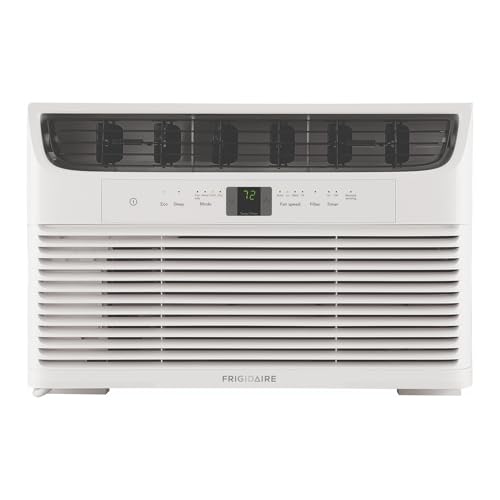
A standard unit runs its compressor at full power until the room reaches the set temperature, then it shuts off and restarts later. That cycle is simple and proven, and these units often cost the least to buy. You will notice the starts and stops more at night because the sound changes each time the compressor kicks in. For a living room or a guest room used mainly in the day, that pattern is often acceptable, and the lower price can be the deciding factor.
Inverter units
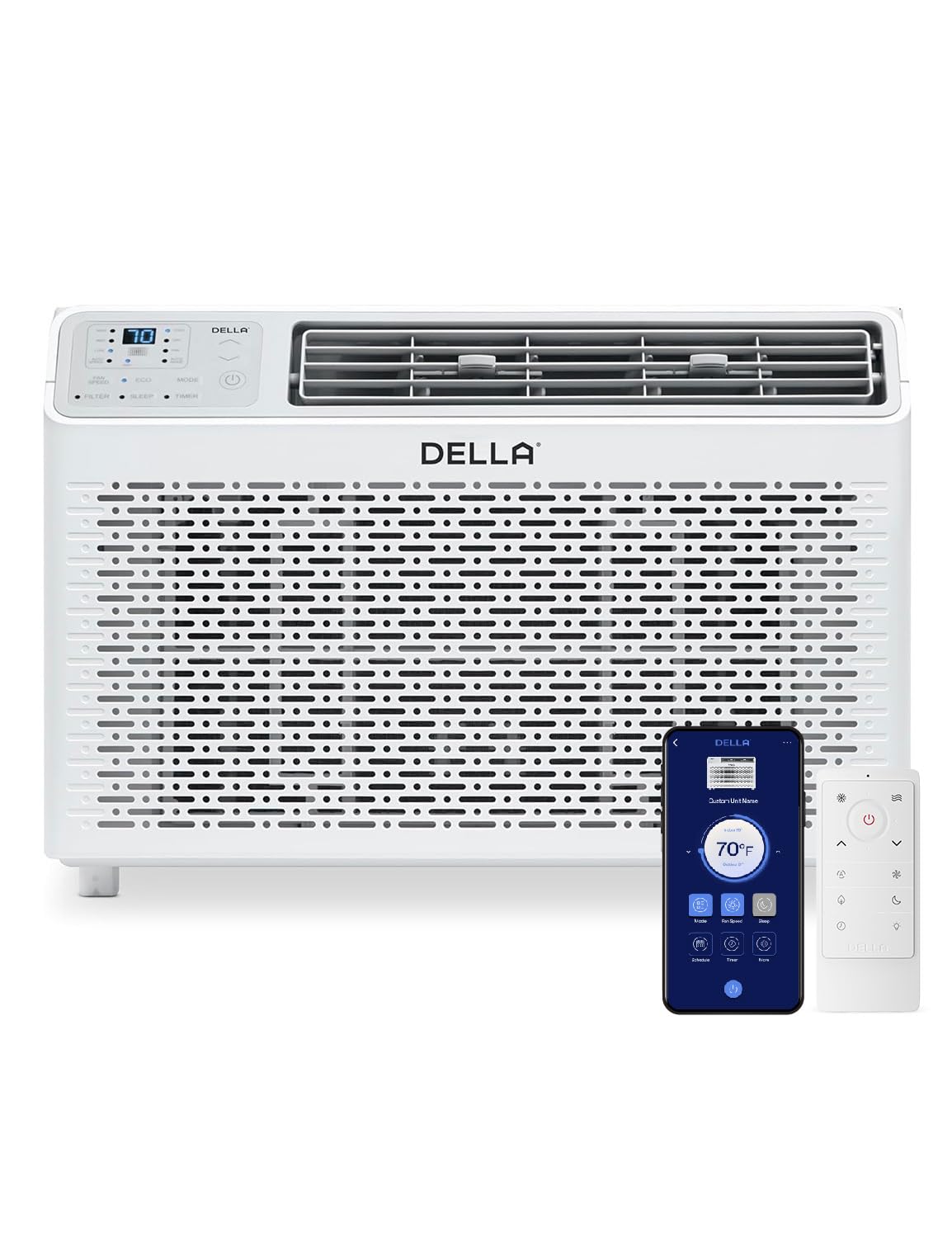
An inverter unit adjusts compressor speed up and down instead of switching fully off and on. Once the room is close to the set temperature, it settles into a lower and steadier speed, which usually means quieter running and smaller temperature swings. These units often cost more and can use less electricity during long running hours. They suit bedrooms and rooms where you sit close to the window, since a steady sound is easier to ignore than repeated starts.
U shaped and saddle style units
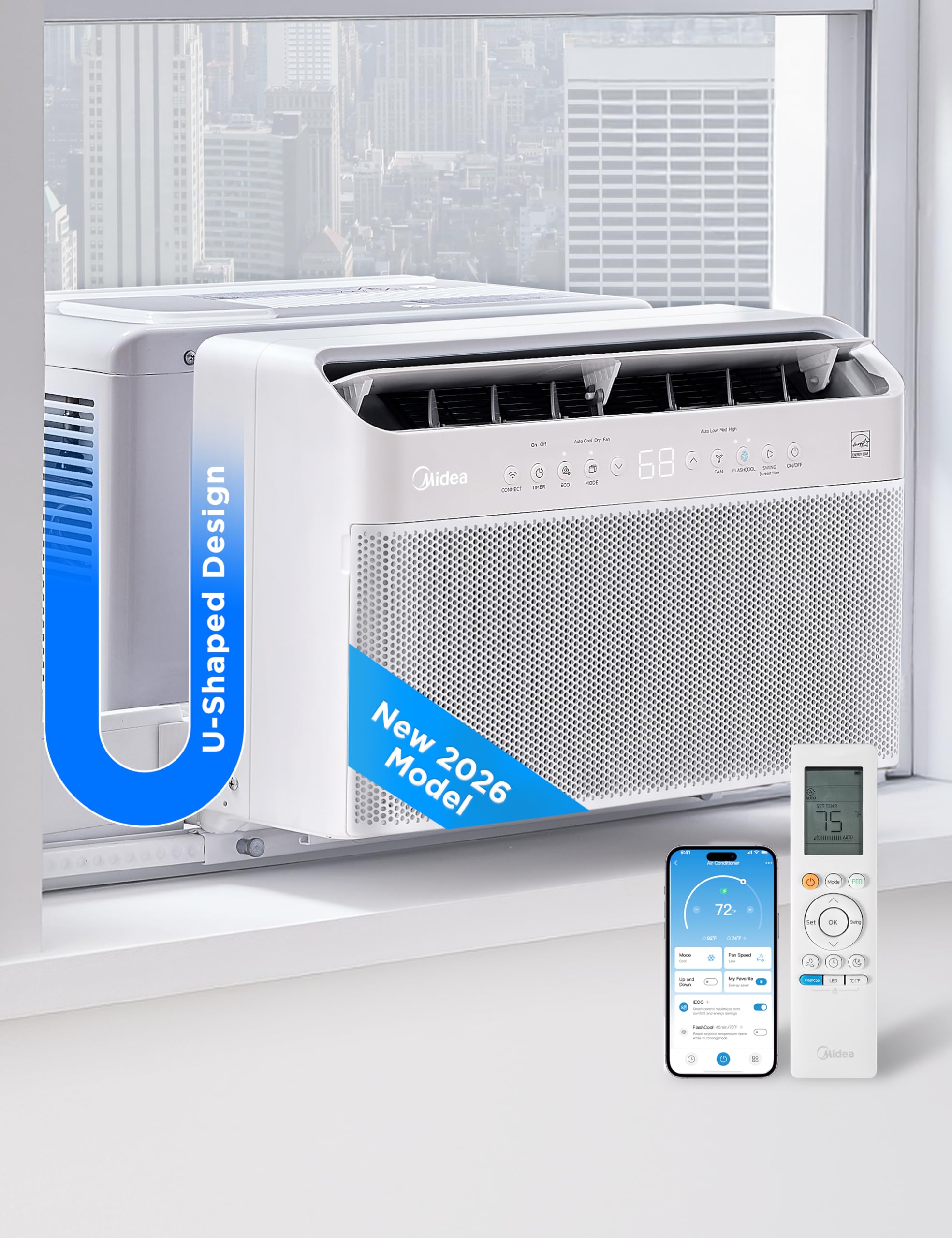
These designs move much of the noisy machinery outside the window line. A U shaped unit lets the window close down into its center channel, which can block more outside sound and let in more light than a tall box does. A saddle style unit hangs over the sill in a similar spirit. Both can cost more and need careful measuring, since sill depth and frame shape matter more here than with a simple box design.
How We Chose the Types and Criteria in This Guide
We based the criteria in this guide on manufacturer specifications, energy ratings, and patterns in verified buyer feedback about noise, fit, and daily use. Coverage comes first, because capacity only helps when it matches the room. We then weighed cooling performance, noise level on low settings, energy use over a full season, filter access, and controls you can understand without a manual beside you.
How to Choose the Right Window Air Conditioner
Size and form factor
Capacity steps up in clear stages, from 5000 Btu for a very small room to 15000 Btu for large open spaces. An 8000 Btu unit is the step where a medium bedroom, a larger home office, or a small studio starts to feel properly cooled. Form factor matters just as much, because a unit that is too wide or too tall for your window will not seal well. Measure the window opening and check the minimum window size listed for any unit before you order it.
Type
Beyond the three designs above, you will see casement and slider models made for windows that open sideways, and through the wall models that need a sleeve set into the wall itself. Smart units add app control, while quiet focused units add extra insulation around the compressor. Energy Star certified units meet a set efficiency standard and are worth a close look if you run the unit for many hours each day. Heat and cool models add a heating mode for rooms that also feel cold in winter.
Features worth paying for
A remote helps when the unit sits high in the window or across the room from your bed or desk. WiFi control helps if you want to start cooling before you get home. A dehumidifier mode, often labeled dry mode, removes moisture without dropping the temperature as fast, which suits muggy days that are not very hot. Timer and sleep settings raise the temperature gradually overnight so you save energy while you stay comfortable. A heater function is worth paying for only if the room truly needs heat in another season.
Room size and coverage ratings
Most makers rate an 8000 Btu unit for about 300 to 350 square feet under normal ceiling height and average sun exposure. Treat that rating as a starting point rather than a promise. A south facing room with large windows, or a room with several people in it, will need more capacity than the same area in a shaded bedroom. High ceilings also add air volume that the rating does not account for. If your room sits at the top of the range, expect longer run times on hot days.
Running cost and energy use
Your cost depends on the watt draw of the unit, your local electricity rate, and how many hours it runs each day. A useful shortcut is to check the energy efficiency ratio or the combined energy efficiency ratio on the label, since a higher number means more cooling for each watt used. For a full breakdown of the math, see our guide on how much electricity does a window air conditioner use. Keeping the filter clean and sealing gaps around the unit also cuts wasted run time.
Noise levels for bedrooms
Noise ratings are usually given in decibels for each fan speed, and the low speed figure matters most for sleep. A rating in the low fifties or below on the quiet setting is generally calm enough for a bedroom, though steady sound bothers most people less than a changing one. Placement helps too. A unit that fits snugly will rattle less than a loose fit, and foam strips along the sash can remove buzzing that no remote setting will fix.
Filters, drainage and maintenance
Most window units use a washable mesh filter behind the front grille, and it needs rinsing about once a month during heavy use. A clogged filter makes the unit work harder and cool less, so easy access from the front is a feature worth checking. Window units drain condensate to the outside, so there is no tank to empty, but the unit should tilt slightly outward so water flows out instead of pooling. Our step by step guide on how to clean a window air conditioner covers the deeper seasonal clean.
How much should you spend?
Units under $200 at this size are uncommon, and most 8000 Btu models fall between about $200 to $300 for a standard design. Inverter and U shaped designs often land between about $300 to $400, and a few premium builds go above that range. Spending more mainly buys quieter running, steadier temperatures, and smarter controls, not more cooling, since the Btu rating stays the same. Set your budget after you decide which of those gains matters in your room, rather than paying for features you will rarely use.
Is an 8000 Btu Window Air Conditioner the Right Size for You?
Choose this size if your room measures roughly 300 to 350 square feet and has a normal ceiling, average insulation, and one or two occupants. A primary bedroom, a den, or a small studio often fits that picture well. It also works for a slightly smaller room that gets strong afternoon sun, since the extra capacity covers the added heat load.
Step down if your room is under about 200 square feet. A smaller unit will cycle more evenly, remove moisture better, and cost less to buy and run. In that case look at the best small window air conditioner options, or compare the best 5000 btu window air conditioner size for a compact bedroom or nursery.
Step up if your space is open plan, has high ceilings, or joins a kitchen. A larger unit or a different system may serve you better there. If you are weighing a permanent install against a seasonal one, our comparison of window ac vs mini split explains the cost and comfort differences. Check building rules before ordering, since some buildings limit where a unit can be installed.
FAQ
What is the best 8000 btu window air conditioner?
There is no single answer, since the right choice depends on your window type, your noise tolerance, and how long the unit runs each day. For most bedrooms, an inverter or U shaped design is the most comfortable pick because of its steadier, quieter sound. For a daytime room on a tight budget, a standard design gives you the same cooling capacity for less money. Match the type to the room first, then compare controls and filter access.
What size window air conditioner do I need?
Start with your room area in square feet, then adjust for sun, ceiling height, and how many people use the room. A shaded room can sit near the low end of a size rating, while a sunny room with a lot of glass should sit near the high end or move up a size. Measuring before you shop matters more than any chart, since a unit that cools well but fits poorly will leak air around its edges and lose much of its advantage.
How long does a window air conditioner last?
Many units run well for about 8 to 12 years when the filter stays clean and the coils stay free of dust and outdoor debris. Storing the unit indoors during winter, or covering it properly if it stays in place, protects the cabinet and electronics from weather wear. A unit that cools weakly after a full cleaning, or one that needs repeated repairs, is usually telling you that replacement will cost less over time than another repair visit.
Is a window air conditioner worth it?
For a single room that overheats, yes, in most cases. It costs far less to buy and install than a central system or a split system, and you cool only the room you use instead of the whole home. It is less worthwhile if you need several rooms cooled all season, since buying and running three or four units narrows that cost gap. Noise and the loss of a window view for the season are the other trade offs to weigh honestly.
How do you clean a window air conditioner?
Start by unplugging the unit, sliding the filter out, and rinsing it with water until it runs clear, then let it dry fully before refitting it. Wipe the front grille and the cabinet with a damp cloth, and clear leaves or dust from the outer vents where you can reach them safely. Cleaning at the start of the season and once more midway through it keeps airflow strong. Never spray water into the electrical parts, and let the unit dry before you run it again.
What is the most reliable window air conditioner brand?
Reliability has more to do with build quality, warranty length, and local service support than with any single name. Look for a warranty that covers the sealed refrigeration system for longer than the basic parts warranty, and check that replacement filters and remotes are easy to order. A brand with a wide service network near you is a safer bet than a lesser known import with no local support, since a small fault in summer can otherwise mean weeks without cooling while parts ship.
Final Thoughts
An 8000 Btu unit rewards careful measuring more than any other buying step. Confirm your room area, your window opening, and the noise level you can live with at night, then pick the design that fits those facts. The product table above pulls those points together so you can compare the main types side by side. When you choose the best 8000 btu window air conditioner for your own room rather than for an average room, you get steady cooling, lower bills, and a unit you will be glad to keep for many summers.