Best 14000 Btu Portable Air Conditioners (2026): Types, Sizing and Buying Tips
Disclosure: We may earn a commission when you buy through links on this page, at no extra cost to you. As an Amazon Associate I earn from qualifying purchases. Learn more

How to choose the best 14000 btu portable air conditioner: hose type, SACC rating, room coverage, noise and budget.
Two units with the same headline rating can cool very differently once heat, sun, and hose losses enter the picture. The best 14000 btu portable air conditioner for your room depends on real coverage, hose design, noise, and how much filter and water care you are willing to handle. This guide compares the main types by coverage, performance, and noise so you can judge each option on the factors that matter most, starting with the product table on this page.
Instead of ranking brand names, we group the choices into three clear types, then walk through sizing, running costs, and upkeep.

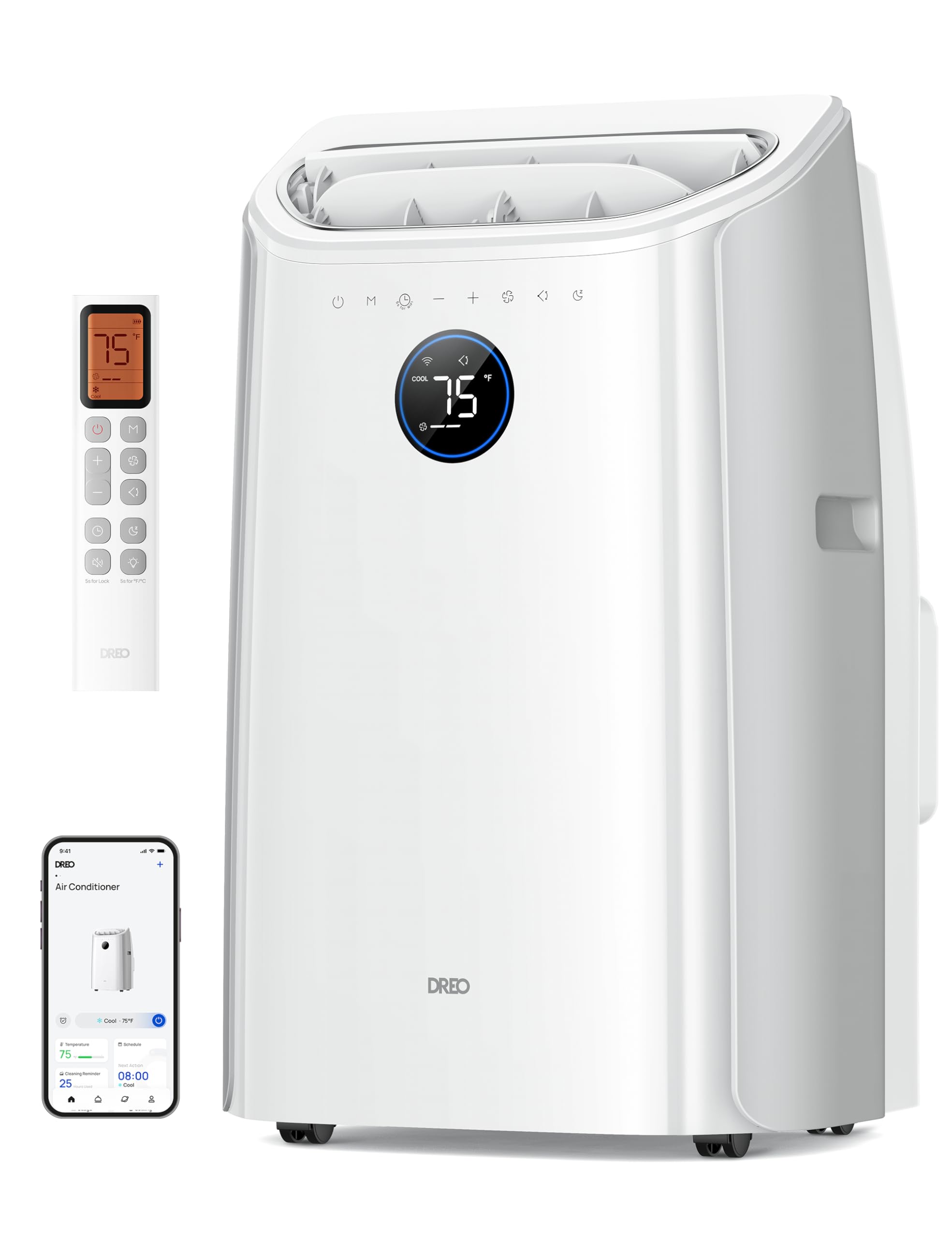


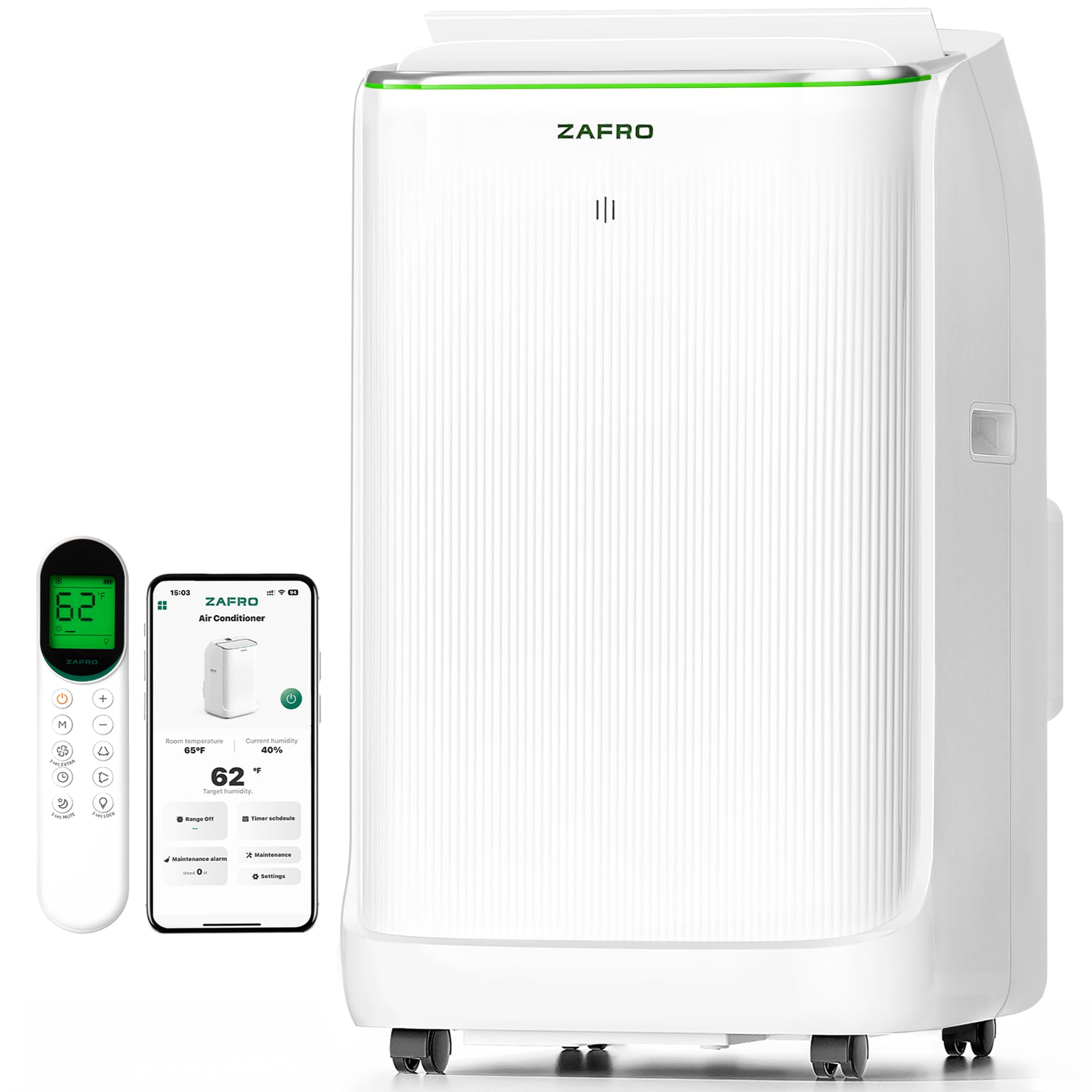

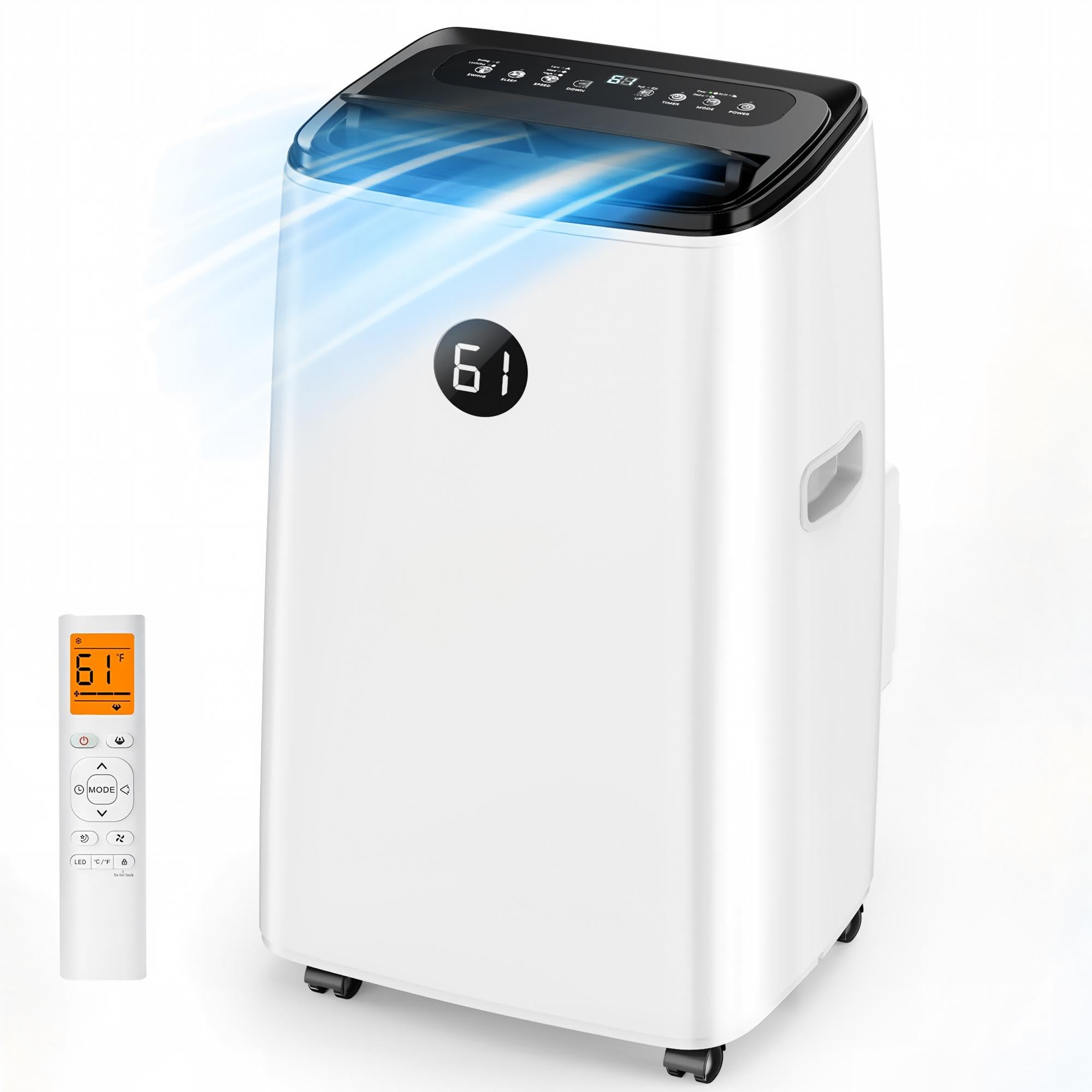
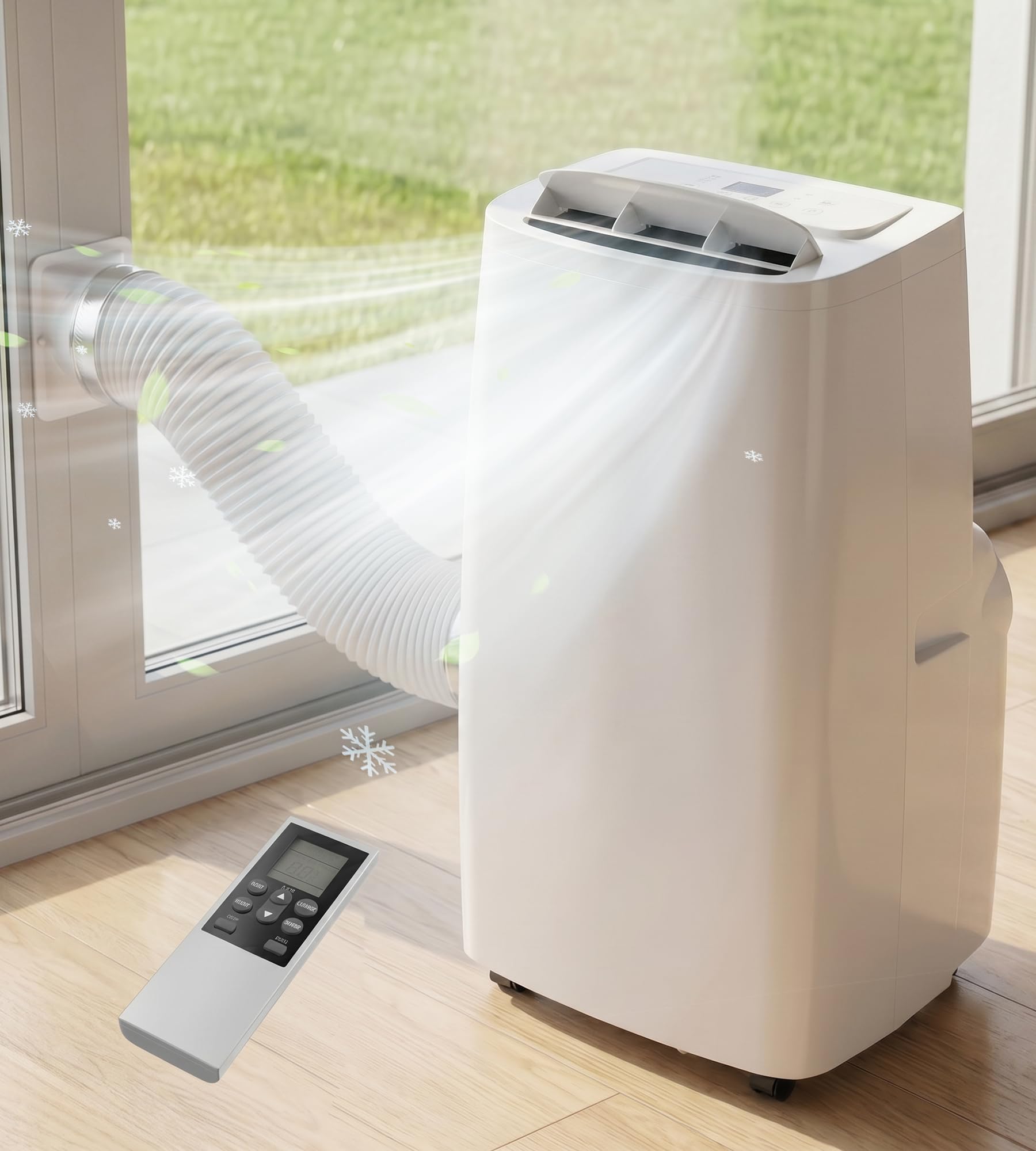

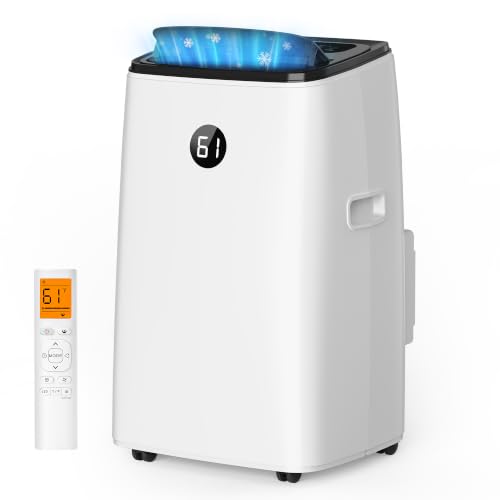
Three Types Worth Comparing in This Size Class
Dual Hose Models for Large and Sunny Rooms
A dual hose unit draws intake air from outside and pushes hot exhaust air back out through a second hose, so it does not pull warm air into the room through door gaps the way a single hose design can. That sealed path usually delivers cooling closer to the rating on the box, which matters in sunny rooms and rooms over a hot garage. The trade off is a bulkier window kit and two hoses to route and store. If your room sits near the top of the coverage range, favor this type.
Single Hose Models for Simpler Setup
A single hose unit sends hot air out through one exhaust hose and uses room air for intake, which makes installation quick and the window panel light and easy to fit. These models suit bedrooms and home offices where the door stays mostly closed, and they often cost less. Expect some loss of efficiency on very hot afternoons, since the unit draws warm air in from adjoining spaces.
Inverter and Smart Models for Steadier Comfort
Inverter designs vary compressor speed instead of switching the compressor fully on and off, which holds room temperature steadier and can trim energy use during long runs. Many also add WiFi control, scheduling, and a sleep mode that raises the set temperature slowly overnight. You pay more up front, but the gentler cycling suits light sleepers. Our broader guide to the best portable air conditioner shows how this size class compares with smaller and larger options.
How We Chose the Types and Criteria in This Guide
We built the criteria here from manufacturer specification sheets and the rating methods behind them, rather than from brand claims alone. Coverage comes first, judged on both the traditional Btu rating and the lower SACC figure explained below, because that pair shows how a unit behaves in real rooms. We then weighed cooling performance, stated noise on the lowest fan speed, energy use, filter access, and water handling. These are not personal use claims; the goal is a fair framework you can apply to any model.
How to Choose the Right Portable Air Conditioner
Size and Form Factor
Portable units step up through 8000, 10000, 12000, and 14000 Btu sizes, and each step adds cooling capacity along with weight, size, and noise. A 14000 Btu model is the largest common step before commercial style units, and it is heavy enough that you will roll it on its casters rather than carry it. Measure your storage spot and the floor area near the window, since the cabinet needs clearance for air intake on the sides and back.
Type Differences That Affect Daily Use
Beyond hose count, look at how the unit handles the water it pulls from the air. Most modern designs evaporate much of that moisture into the exhaust stream, but in humid weather some water still collects in a tank or a drain line. Heat and cool models add a heating mode for spring and fall, while cooling only models stay simpler and often cheaper. All true units in this class need window venting, so treat any ventless label with caution. For hose layouts built for efficiency, see our guide to the best dual hose portable air conditioner.
Features Worth Paying For
A dehumidifier mode earns its keep in muggy climates, letting the unit dry the air on rainy days without overcooling the room. WiFi control is worth paying for in a bedroom unit, since you can start it before you get home and adjust it without getting up at night. A heater function only makes sense with a real shoulder season need, such as a cool finished basement, because you pay for capacity you may never switch on.
Room Size and Coverage Ratings
Makers usually rate a 14000 Btu unit for rooms of about 500 to 700 square feet, but that figure uses the older ASHRAE test method, which flatters portable units. The SACC rating, a seasonally adjusted figure on current packaging, often lands around 9500 to 10500 Btu for the same machine, and it is the better guide for a hot, sunny room. Raise your size target for high ceilings, large west facing windows, or heat from cooking, and lower it for a shaded, well insulated room. When the two ratings disagree, trust the SACC number.
Running Cost and Energy Use
A unit in this class draws roughly 1200 to 1400 watts while the compressor runs, so your bill depends mostly on how many hours a day that compressor stays on. Efficiency ratings let you compare models directly, since a higher rating means more cooling for each watt you pay for. Good habits matter as much: seal the window kit gaps and keep the hose short and straight.
Noise Levels for Bedrooms
Portable units put the compressor in the room with you, so they run louder than a window unit of similar capacity, and maker figures of about 50 to 58 decibels cover most of this class. The low fan speed and sleep mode figures matter at night, not the quietest number quoted for fan only operation. Place the unit on a firm, level surface, since vibration adds a rattle specs never mention. If the cooled room is a bedroom, our guide to the best portable air conditioner for bedroom goes deeper on quiet operation and sleep settings.
Filters, Tanks, and Maintenance
The washable air filter is the part you will touch most, and a filter you can slide out without tools makes regular cleaning far more likely. Dust buildup chokes airflow and lengthens run time. Water handling ranges from a small internal tank with a full indicator to a continuous drain port for a hose. A tank is fine in dry climates, while a drain port suits humid regions where daily emptying would get old fast. The full upkeep routine is covered in our guide on how to clean a portable air conditioner.
How Much Should You Spend?
Each price tier in this class buys a fairly predictable set of gains. Under $300, expect basic single hose cooling, a simple remote, and modest efficiency, fine for one room used part of the day. Models under $400 add better window kits and quieter low speed operation. The step under $500 is where dual hose designs and stronger SACC ratings become common, and large room performance improves most. Paying toward under $700 buys inverter compressors, WiFi control, and heat modes, so spend that much only when long daily run times make those gains worth it.
Is a 14000 Btu Portable Air Conditioner the Right Size for You?
This size fits you if your room is large, sunny, or shared, and smaller portables could not hold the set temperature on hot afternoons. Living rooms and rooms above garages are classic matches. It is likely too much machine for a small bedroom or compact office, where a smaller unit would cost less and take up less floor space.
Weigh the main alternative format honestly before you commit. Our comparison of portable ac vs window ac shows where a window unit wins on efficiency and price if your windows and lease allow one, while a portable wins on flexibility. Renters and people with sliding or casement windows usually land on the portable side. If your room is well under 350 square feet, step down a size.
Common Mistakes to Avoid
- Buying on the headline Btu figure alone, which can lead you to expect cooling that the lower SACC rating never promised.
- Leaving gaps around the window kit, which lets hot outside air stream back in and keeps the compressor running for hours.
- Stretching the exhaust hose to full length with several bends, which traps heat near the unit and cuts cooling output.
- Running the unit with a clogged filter, which reduces airflow and strains the compressor over a long season.
- Placing the unit tight against a wall or behind heavy curtains, which starves the intake and cools the room unevenly.
- Ignoring the water plan in a humid climate, which ends with a full tank shutting the unit off on the hottest night.
How to Make Your Portable Air Conditioner Last Longer
Rinse or vacuum the washable filter about every two weeks during heavy use, and let it dry fully before you slide it back in. Each season, wipe the grilles, check the hose for cracks, and confirm the window kit seals sit flat. Drain stored water before storage, then run fan only mode briefly so the inside dries. Store the unit upright with the remote and panels kept with it. Correct daily operation also protects the machine, and our guide on how to use a portable air conditioner covers the settings that reduce wear.
FAQ
What is the best 14000 btu portable air conditioner?
The strongest choice is the model whose SACC rating, hose design, and noise level fit your specific room, rather than the one with the boldest box claims. For a large or sunny room, favor a dual hose design with a high SACC figure. For a bedroom, favor the lowest stated noise on sleep mode and a dimmable display, a detail spec sheets list but buyers often miss.
What size portable air conditioner do I need for a room with high ceilings?
Ceiling height adds air volume that standard square foot charts ignore, so a room with ceilings well above eight feet needs more capacity than its floor area suggests. As a rough guide, treat a room with ten foot ceilings as if it were about a quarter larger, and size up when it also gets direct sun. If the room opens onto a stairwell, the extra open volume may matter more than the unit size itself.
How long does a portable air conditioner last?
Most units in this class serve for about five to ten years, with the compressor and fan motor usually setting the limit. Lifespan shortens when the filter stays clogged or the unit runs against a blocked hose, since both force longer, harder cycles. A longer compressor warranty is a useful signal about expected durability.
Is a portable air conditioner worth it compared with a fan and open windows?
A fan only moves air and cannot lower room temperature or remove humidity, so on humid nights the room still feels sticky. A portable unit actually extracts heat and moisture, which is why it changes sleep quality in a way a fan cannot. It earns its cost when heat regularly pushes your room past a comfortable sleeping temperature, or when pollen and outdoor noise make open windows a poor option.
What is the most reliable portable air conditioner brand?
No single brand wins on reliability across every model, since build quality varies by line and year even within one maker. A better test is the warranty terms, the availability of replacement filters and window kits, and how easily you can reach support. Favor makers that publish full SACC and noise figures, because brands that disclose the less flattering numbers tend to support their products openly.
Final Thoughts
Start with your room, not the box: confirm the square footage, sun load, and ceiling height, then match those facts to a SACC rating and a hose design that can keep up. Spend into the higher tiers only when dual hose efficiency, inverter steadiness, or WiFi control solves a problem you actually have. Judged that way, the product table above becomes a quick check that a model carries the specs your room demands. Choose the best 14000 btu portable air conditioner for your space with those checks in hand, and you will get steady cooling all season without paying for features you never use.