Best 6000 Btu Window Air Conditioners (2026): Types and Buying Guide
Disclosure: We may earn a commission when you buy through links on this page, at no extra cost to you. As an Amazon Associate I earn from qualifying purchases. Learn more

A buying guide to the best 6000 btu window air conditioner: room size, noise, efficiency and window fit compared for bedrooms and offices.
A 6000 Btu window unit sits in a useful middle spot. It cools a bedroom, a home office, or a small living room far better than a 5000 Btu model, yet it still runs on a normal household outlet and fits most standard windows. Choosing the best 6000 btu window air conditioner is less about raw power, since every model here shares the same rating, and more about noise, efficiency, fit, and controls.
This guide compares the main types by room coverage, cooling performance, and sound level, then walks through sizing, running cost, and upkeep. The comparison table below sums up the types side by side. Our guide to the best window air conditioner covers larger and smaller sizes if your room falls outside this range.

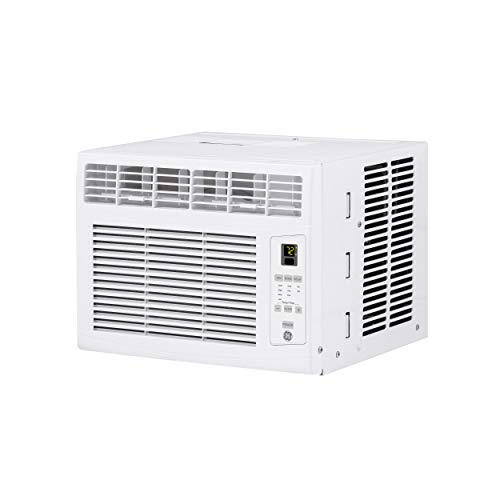
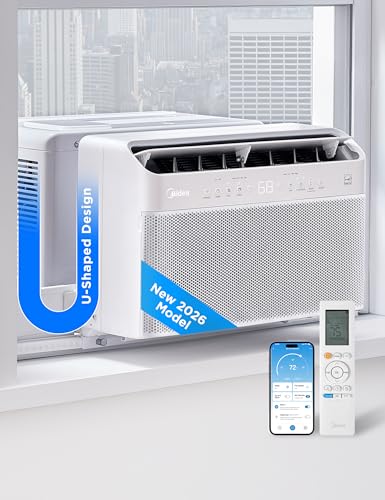
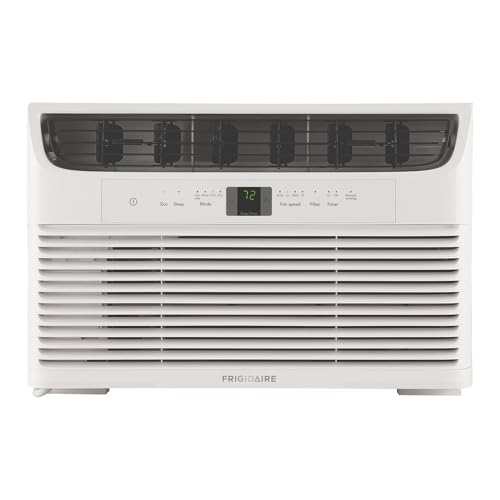
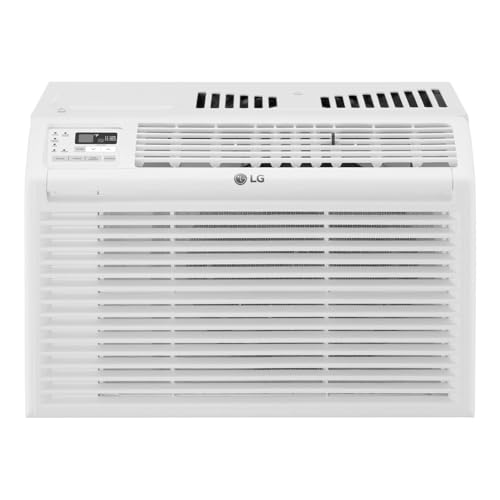
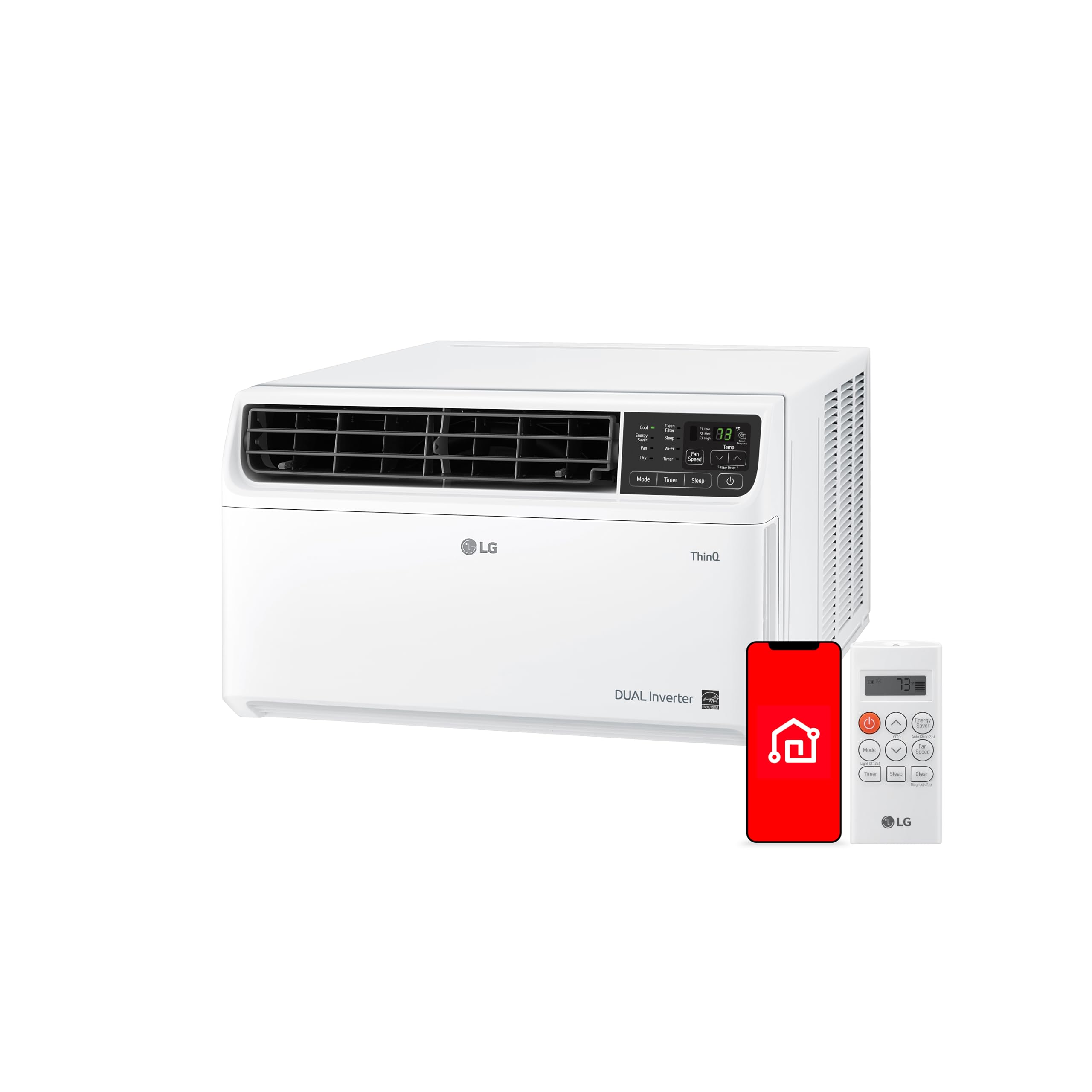


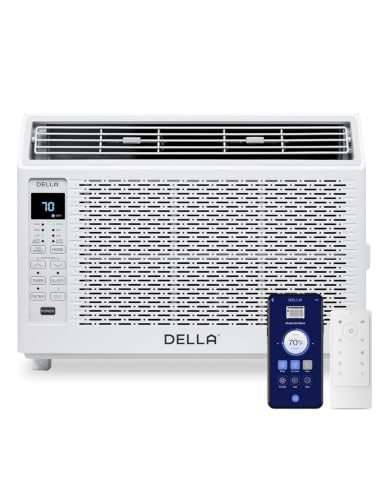
Types at a Glance
Three designs dominate this size class. Standard models use a fixed speed compressor that cycles on and off, and they cost the least. Inverter models adjust compressor speed to hold a steady temperature, which usually means quieter running and lower power draw once the room is cool. U shaped and saddle models straddle the window sill, so the noisy side sits farther outside and you can still open the window.
- Standard type: lowest price, simple controls, louder compressor starts.
- Inverter type: steadier temperatures, softer sound, higher price.
- U shaped and saddle types: better window access and views, stricter fit requirements.
Three Types Worth Considering for a 6000 Btu Unit
Standard Type for Simple, Low Cost Cooling
A standard 6000 Btu unit is the right call when the room needs basic cooling and the budget matters most. You get a washable filter, a few fan speeds, and either dial controls or a simple electronic panel with a remote. The trade off is sound. The compressor starts and stops through the night, and each start is easy to hear in a quiet bedroom. Temperatures also swing a little between cycles. If the unit runs mainly during the day in a living room or office, those flaws may never bother you.
Inverter Type for Quiet and Steady Comfort
An inverter unit changes speed instead of switching fully off, so once the room reaches your setting it keeps cooling gently in the background. That steady running removes most temperature swings and cuts the start up jolt that wakes light sleepers. Many inverter models also post higher efficiency ratings, which helps where the unit runs ten or more hours a day. The trade off is price, often about $100 more than a comparable standard model. For a primary bedroom, the quieter nights usually justify the extra cost.
U Shaped and Saddle Types for Window Access
These designs move most of the weight and noise outside the glass line. A U shaped unit lets the window close down into the channel in the middle, which blocks sound and still lets you raise the window for fresh air on mild days. A saddle unit hangs over the sill and leaves the full window free. Both styles need careful measuring, since sill depth and frame shape decide whether the unit sits level and secure. Choose this type when preserving your view and window use matters more than a quick install.
How We Chose the Types and Criteria in This Guide
We compared published maker specifications for this size class rather than relying on marketing claims. The factors that separated the types were room coverage, cooling performance, sound ratings on the low fan setting, certified efficiency scores, filter access, and extras such as timers and WiFi controls.
How to Choose the Right Window Air Conditioner
Size and Form Factor
Start with your window, not the box. Most 6000 Btu units need a double hung window about 22 to 24 inches wide at minimum, with about 13 to 14 inches of opening height, though exact figures vary by model. Measure the opening and the sill depth, and note any storm window frame that could block the cabinet. Plan on a second person to lift the unit, since most weigh about 40 to 55 pounds.
Type and Window Style
Standard and inverter units assume a double hung window with room for accordion side panels. If your home has casement windows that crank outward or horizontal slider windows, a normal unit will not seal properly, and you need a model built for that opening or a different cooling approach. Through the wall models belong in a permanent wall sleeve and should never be swapped with a window unit, since their vents sit in different places and a blocked vent can overheat the compressor.
Features Worth Paying For
A remote and a programmable timer earn their keep fast, letting you cool the room before bed. Dry mode helps in humid climates by pulling moisture from the air at low fan speed. WiFi control is worth paying for if you keep irregular hours and want the room cool when you arrive home. A built in heater only makes sense in mild climates where it covers chilly nights in spring and fall. Skip extra modes you cannot picture using weekly.
Room Size and Coverage Ratings
Rating charts place a 6000 Btu unit in rooms of about 150 to 250 square feet with standard ceiling height. Treat that range as a starting point. A room at the top of the range with large west facing windows or a kitchen next door will feel undersized on the hottest days. A shaded north facing bedroom at 180 square feet, by contrast, will cool easily.
Running Cost and Energy Use
Look at the CEER rating on the yellow EnergyGuide label, since a higher number means more cooling for each watt. A typical standard unit in this class draws about 500 to 600 watts on high. To estimate your cost, multiply the watts by your daily hours, divide by 1000 to get kilowatt hours, and multiply by your local rate. Our breakdown of how much electricity does a window air conditioner use walks through that math with sample bills.
Noise Levels for Bedrooms
Sound ratings for this class often fall around 50 to 58 decibels on high, and in the low to mid 40s on the quietest settings for inverter and U shaped designs. Numbers only tell part of the story, though. A steady hum is easy to sleep through, while a compressor clunk every few minutes is not. A unit that sits firmly on foam seals also vibrates less against the frame.
Filters, Tanks and Maintenance
Window units do not fill a tank the way portable models do. Most condensate drains outside or is flung onto the hot coils to evaporate, which is normal and even helps efficiency. Your routine job is the filter behind the front grille, which needs rinsing about once a month during heavy use. A clogged filter cuts airflow and forces longer run times. For the full routine, including coil care and storage prep, see our steps for how to clean a window air conditioner.
How Much Should You Spend?
Basic standard models often sell for under $200, with simple controls and modest efficiency. Spending about $200 to $300 usually adds a remote, a timer, better seals in the install kit, and a higher CEER score. At about $300 to $400 you are paying for inverter drive or a U shaped cabinet, which buys quiet rather than more cooling power. Prices over $400 should bring a clearly quieter rating, strong smart controls, and a longer warranty.
Is a 6000 Btu Window Air Conditioner the Right Size for You?
For most single rooms between 150 and 250 square feet, yes. This size cools a typical bedroom or office without the short, frequent cycles an oversized unit produces, and those short cycles leave humidity behind because the coils never stay cold long enough to drain much moisture away. If your space is under 150 square feet, our guide to the best 5000 btu window air conditioner covers a size that runs longer, drier cycles and costs a little less.
Above 250 square feet, or in an open plan space where air drifts into a hallway and kitchen, a 6000 Btu unit will run all day and still lag on hot afternoons. Step up using our guide to the best window air conditioner for large rooms rather than pushing this size past its limit. If you own your home, our comparison of window ac vs mini split explains when a permanent system makes financial sense.
| Room size | Suggested capacity |
| 100 to 150 square feet | 5000 Btu |
| 150 to 250 square feet | 6000 Btu |
| 250 to 350 square feet | 8000 Btu |
| 350 to 450 square feet | 10000 Btu |
One more check before you order. A 6000 Btu unit usually draws about 5 amps, which is fine on its own, but the same circuit may also feed lights, a television, and chargers. Repeated breaker trips after install often trace back to an overloaded circuit rather than a faulty unit.
FAQ
What is the best 6000 btu window air conditioner for most buyers?
For most buyers, the strongest choice is the type that matches your room and sleep habits, not the one with the longest feature list. Use the warranty as your tie breaker. Compressor coverage and parts coverage often differ, and a longer sealed system warranty protects the most expensive repair you could face.
What size window air conditioner do I need for an open plan room?
Size for the whole connected area, not just the part with the sofa or bed. If your bedroom opens into a dressing area with no door between them, add that floor area to your total before using any sizing chart. Open doorways let cooled air spread out and warm air drift back in, so the unit effectively serves both spaces. When the combined area pushes past a size boundary, move up one capacity step.
How long does a 6000 Btu window air conditioner last?
Most window units last about 10 to 15 years with basic filter care and sheltered winter storage. Decline usually shows up gradually. Watch for rust spreading across the coils, ice forming on the front during normal use, or a burning smell when the compressor starts. Any of those signs points to professional service or replacement.
Is a 6000 Btu window air conditioner worth it for renters?
Yes, for renters it is often the most practical cooling upgrade available. You need no permanent changes beyond the window install, most leases allow it, and you take the unit with you when you move. The resale value on a clean, working unit also stays reasonable in early summer.
How do you clean a 6000 Btu window air conditioner before storage?
Before storage, run the unit on fan only mode for about an hour so the coils and drain path dry out fully. That single step prevents most of the musty odor people notice on the first hot day of the next season. Wipe the cabinet, let the rinsed filter dry completely before refitting it, and store the unit upright in its box if you still have it.
What is the most reliable 6000 Btu window air conditioner brand?
No single brand leads on reliability for every buyer, and published failure data for individual models is thin. What you can check is practical. Look for a maker with a service network near you, spare filters and remotes that are easy to order, and clear warranty terms in writing. A plain unit from a maker with strong parts support will usually serve you better than a feature rich model whose replacement parts vanish after a few seasons.
Final Thoughts
Match the size to your room first, then choose the type by sound and budget. A standard unit serves daytime rooms well for the least money, an inverter unit earns its price in bedrooms, and a U shaped design protects your window and your view. Whichever route you take, the product table above is the quickest way to compare the key specs side by side. Pick the best 6000 btu window air conditioner for the way you actually live in the room, and it should keep you comfortable for many summers.