Best Android Phones under 300 Dollars in 2026: A Buying Guide
Disclosure: We may earn a commission when you buy through links on this page, at no extra cost to you. As an Amazon Associate I earn from qualifying purchases. Learn more

Compare the best android phones under 300 dollars by screen, chip, camera, battery and updates, with clear price bands and a simple buying checklist.
This price point is where budget phones stop feeling like compromises and start feeling like proper tools. The best android phones under 300 dollars share a pattern: a bright screen, a calm chip, a camera that handles evening light, and an update window measured in years. This guide walks through each factor, so you can match a phone to your routine instead of guessing from headline claims.
The comparison table below sets the main classes side by side. Read the guide first, then return to the table with your shortlist in mind.




Price Bands and What Each Step Buys
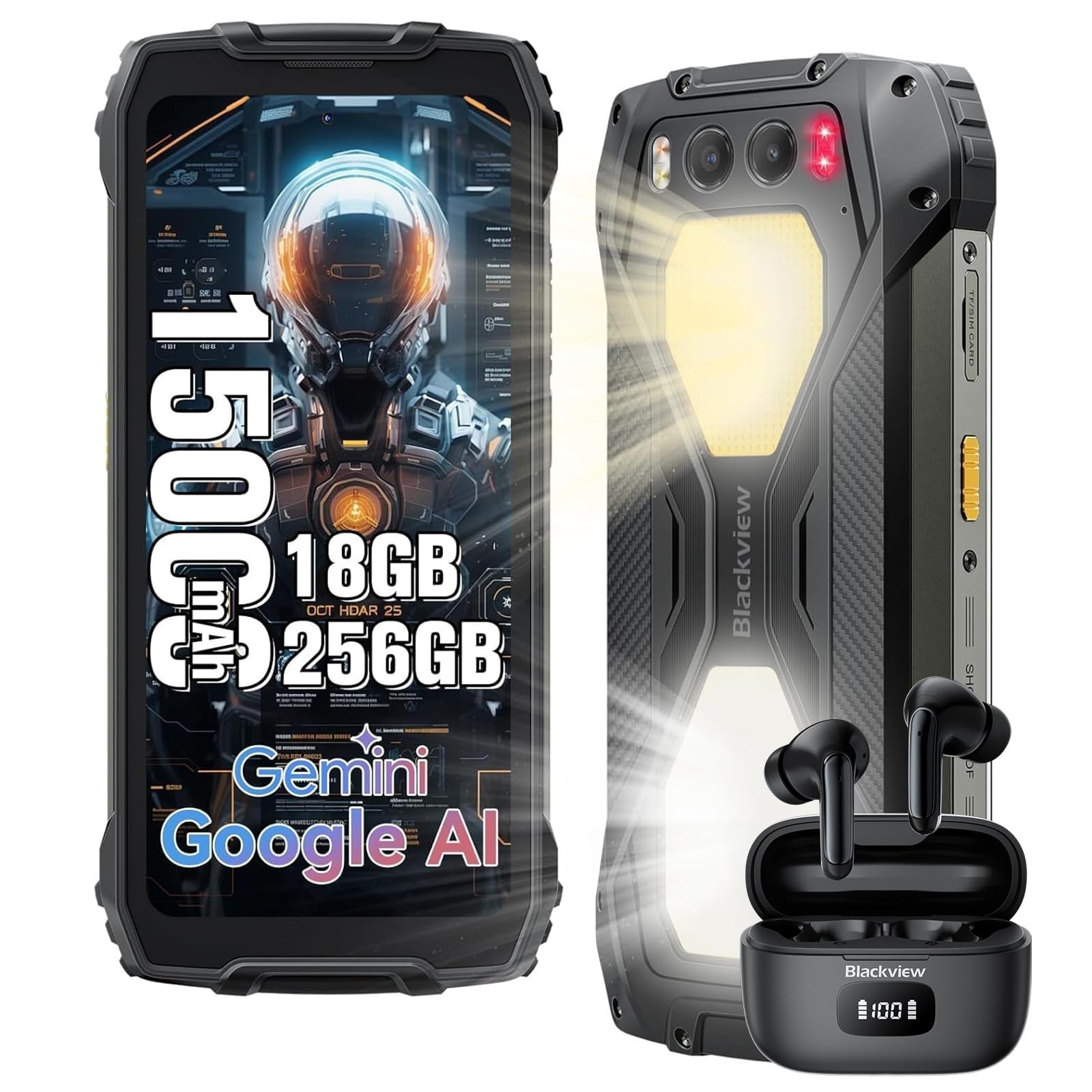
Each step up in price buys a stronger chip, a better screen and a longer update window, and those three gains shape daily use. The product table above is organised by price, so use the bands below to decide where your money works hardest.
The Entry Band Within the Cap
The entry band, about $180 to $220, delivers a large screen, a full day battery and a camera that suits daylight and indoor shots. Refresh rates are smoother, and storage usually reaches 128 GB. This band suits readers who browse, message and stream video without pushing games or heavy editing. Anything sold far below it has usually cut the update window or the screen brightness to get there.
The Middle Band Where Most Value Sits
The middle band, about $220 to $260, is where screens gain brighter OLED panels and chips gain the headroom that keeps apps open in the background. Cameras add a useful night mode, and build quality steps up to firmer frames and better glass. Most buyers should land here, because the gains are things you feel hourly: faster app switching, clearer outdoor reading and steadier evening photos.
The Upper Band Near the Cap
The upper band, about $260 to $300, buys refinement rather than a new category. Expect the strongest chip under the cap, the longest stated update window, and extras such as a brighter outdoor screen mode and faster wired charging. This band suits buyers who keep a phone for three or four years. If a listing at this band cannot state its update window or its chip name, a middle band phone is the better buy.
How to Choose: A Buying Guide
Throughout this guide, the best android phones under 300 dollars means phones sold new, either unlocked or carrier ready, with most of their update window still ahead of them. Work through the factors below in order, because the early ones cannot be fixed later.
What You Can Realistically Get at This Price
At this cap you can expect a bright OLED screen in most classes, a chip that runs daily apps and popular games smoothly, and a camera system with a genuine night mode. What you give up against far pricier phones is the longest zoom reach, the fastest charging and full sealing against deep water. Those are fair trades for most readers. Refuse to trade away the update window or the base storage.
Display Size and Quality
The screen is the heart of daily use, because you look at it for every task the phone does. Most phones here offer about 6.4 to 6.7 inches with an OLED panel and a refresh rate of 90 to 120 Hz, which makes scrolling look smooth. Outdoor brightness decides whether maps and messages stay readable in sun, so favour a stated brightness figure over panel names alone.
Build, Durability, and Water Resistance
Frames at this price range from firm plastic to aluminium, and both survive daily life well inside a case. Front glass with a stated protection level is worth seeking, since screen repairs cost more than every other common repair. Water resistance claims vary widely: some classes carry a full IP68 rating, while others promise splash resistance only. Read the exact rating in the listing, and remember that a rating covers fresh water tests in a lab.
Camera System
Judge the camera by the main sensor and its low light handling, not by the number of lenses on the back. A main camera with optical stabilisation and a stated night mode takes steadier evening photos than a longer lens list without them. An ultrawide lens helps with group shots and interiors. Video with stabilisation matters more for family clips than headline resolution figures.
Carrier Compatibility and 5G
A phone must match your carrier bands before any camera or screen gain can reach you, because a phone missing key bands loses signal in exactly the places you need it. Buying unlocked keeps your carrier choice open and usually means updates arrive on the maker schedule rather than a carrier schedule. Prefer a listing that prints the full band list over one that prints a logo.
Processor and Everyday Performance
The chip sets the pace for app launches, photo processing and game settings, and this cap buys chips that feel calm rather than merely adequate. Pair the chip with at least 8 GB of memory at this price, so maps, music and messages stay open together without reloading. Storage of 128 GB is the sensible floor, and 256 GB suits readers who film often.
Battery Life and Charging Speed
A battery of about 4,500 to 5,500 mAh is the norm here and carries most users through a full day, with heavier users reaching the evening on a partial charge. Wired charging of about 25 to 45 watts restores a useful charge during a short break. Wireless charging appears in some classes at this cap and is a comfort, not a necessity. Check the port type before you assume your old cables will fit.
Types of Android Phones at This Price
Four types share this price range, and each one spends the budget in a different place.
Mid Range Phones
Mid range phones are the natural home of this cap, balancing screen, chip and camera without starving any one of them. They suit the widest range of buyers and hold their pace well for three or more years. Their weakness is sameness, so the update window and the screen brightness figure are your best tiebreakers.
Budget Phones
Budget phones sold within this guide are the strongest budget models, with better screens and support than their cheaper siblings. Readers comparing them with the classes in best android phones under 200 dollars will feel the step in chip pace and camera night handling most. Choose this type when your tasks are light.
Compact Phones
Compact phones trade screen size for one handed comfort, and they are the rarest type at this cap. A screen near 6.1 inches fits smaller hands and shallow pockets, and the best compact classes keep the same chip pace as their larger siblings. The honest cost is battery size and video comfort.
Flagship Phones
True flagship phones sit above this cap when new, so treat any flagship claim here with care. What this cap buys is flagship style features in a mid range body: an OLED screen, a stabilised main camera and a metal frame. Readers who want the genuine flagship level should compare the step up shown by best android phones under 500 dollars.
Picking the Right Phone for Different Uses
Choosing by Your Heaviest Daily Use
Whatever words you search with, choose by your heaviest daily use rather than by a feature list. Heavy photographers should weight the main camera and stabilisation first. Heavy travellers should weight band coverage, battery size and the update window. Readers who game daily should weight the chip and the refresh rate.
How to Make Your Phone Last Longer
- Use a case and a screen protector from the first day, because the screen is the costliest part to repair.
- Keep software updated whenever the phone offers an update, since each update carries security fixes.
- Avoid charging in extreme heat, such as a closed car in summer, because heat ages the battery fastest.
- Back up photos regularly, so a lost phone never means lost family records.
- Leave some storage free at all times, because a nearly full drive slows daily tasks.
Your Questions Answered
Can you get a good android phone for under $300?
Yes, you can get a genuinely good phone for under $300, with a bright screen, a calm chip and a camera that handles evening light. The classes at this cap cover daily tasks without the strain found at lower prices. One check many buyers skip is the weight of the phone with a case fitted, because large battery classes can feel heavy by evening.
Do I need 5G?
You need 5G if your plan includes it and your area has strong coverage at home and at work. Where coverage is patchy, the phone falls back to 4G and the real world speed feels much the same for browsing, mail and standard video. A detail worth checking is whether the phone supports the specific 5G bands your carrier uses, since a 5G badge alone does not promise a match.
How much storage do I need?
Choose 128 GB as your floor and 256 GB if you film video often or keep large game installs. Apps and their stored data grow every year, and the system itself claims a larger share than it once did. A memory card slot, where offered, suits photos and downloaded video, yet apps still live on internal storage. Readers who store everything in cloud accounts can stay at 128 GB with comfort.
Is a mid range phone good enough?
A mid range phone is good enough for the great majority of daily use, including photography, navigation, streaming and popular games. The classes in this guide are mid range at their strongest, with screens and chips that would have led the market a few years ago. What you give up is mainly zoom reach and the very fastest charging. For most readers, that trade is wise.
Should I buy unlocked?
Yes, buy unlocked when you can, because it frees you to change carriers, travel with local plans and sell the phone more easily later. Unlocked classes also tend to receive updates on the maker schedule. The one check that matters is the band list: print it, compare it against your carrier bands, and only then order. A short band list on an unlocked phone can still leave you with weak rural coverage.
Final Thoughts
Let three factors lead: a screen you can read outdoors, a chip with memory to match, and an update window stated in years. Match those against the bands in the product table above, then confirm the band list for your carrier. Chosen that way, the best android phones under 300 dollars deliver years of calm daily use without a flagship bill.