Best 8 Inch Boat Speakers: A Buyer Checklist for 2026
Disclosure: We may earn a commission when you buy through links on this page, at no extra cost to you. As an Amazon Associate I earn from qualifying purchases. Learn more
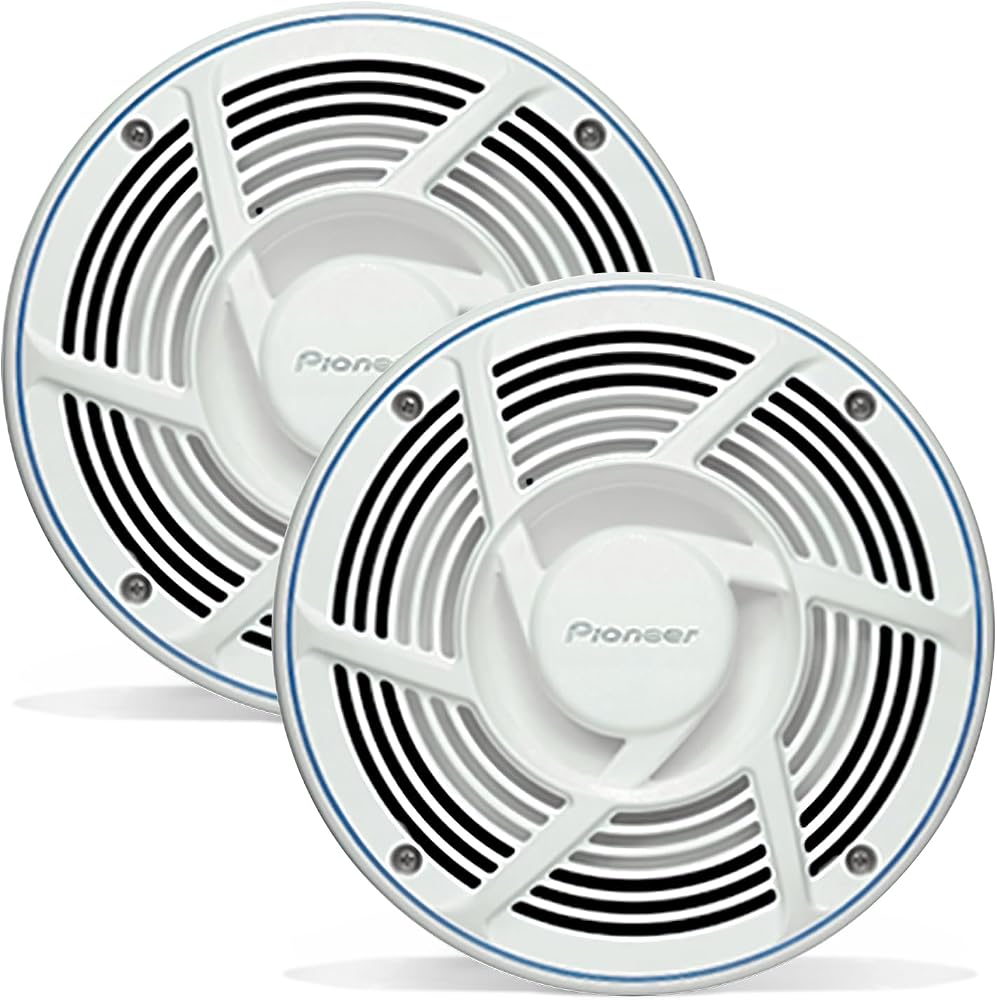
Use this checklist buying guide for the best 8 inch boat speakers to judge marine ratings, power handling, fit and sound before you install.
Boat audio lives a hard life of sun, spray, vibration, and wind noise, so a speaker that sounds fine in a living room can fail fast on the water. This checklist guide to the best 8 inch boat speakers explains the specs that predict survival and sound at speed, the red flags that signal a fair weather product, and how to judge the options in the product table below before you cut any holes in your boat.
The eight inch size is popular because it moves enough air for open cockpits without the mounting depth and power demands of a separate subwoofer on smaller boats.

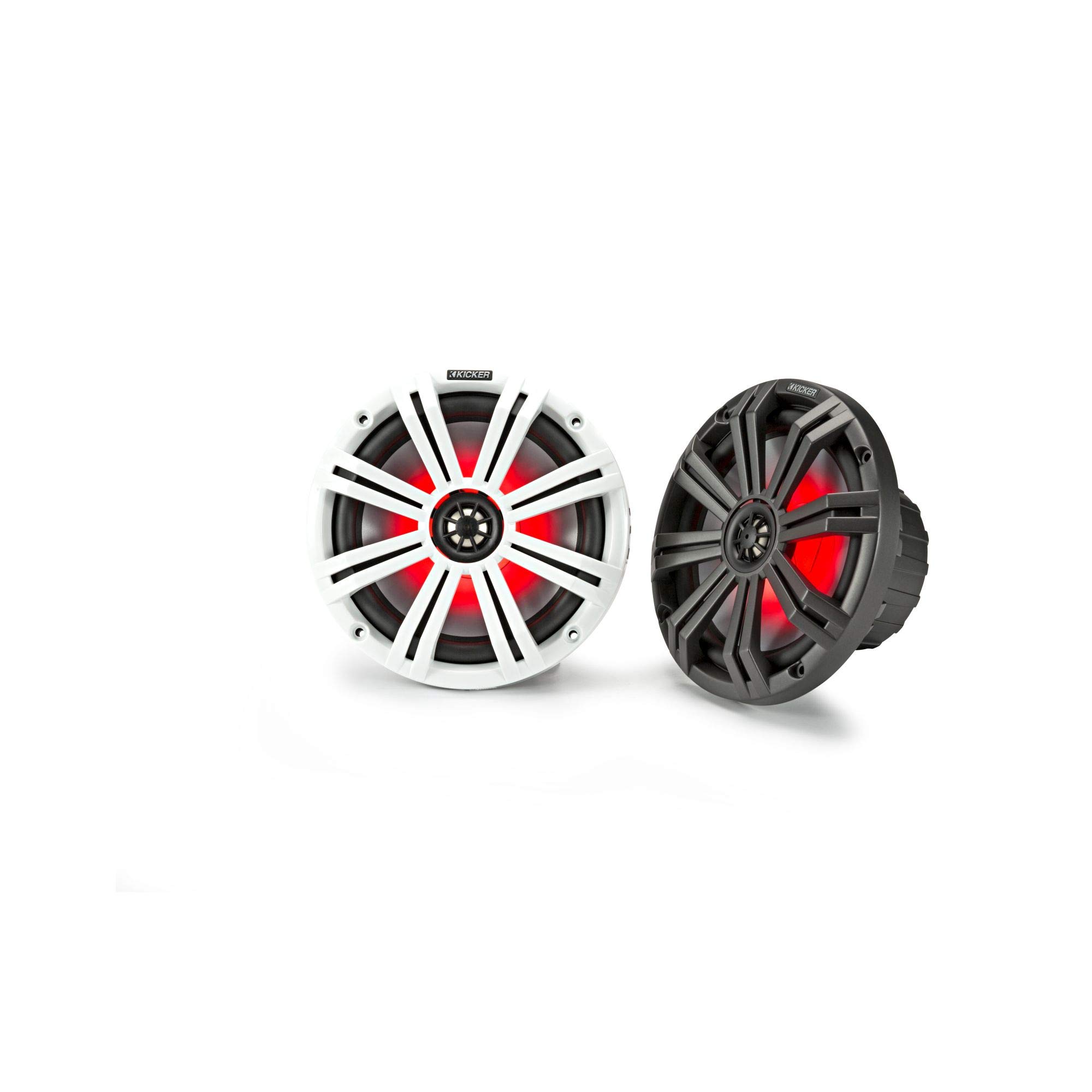


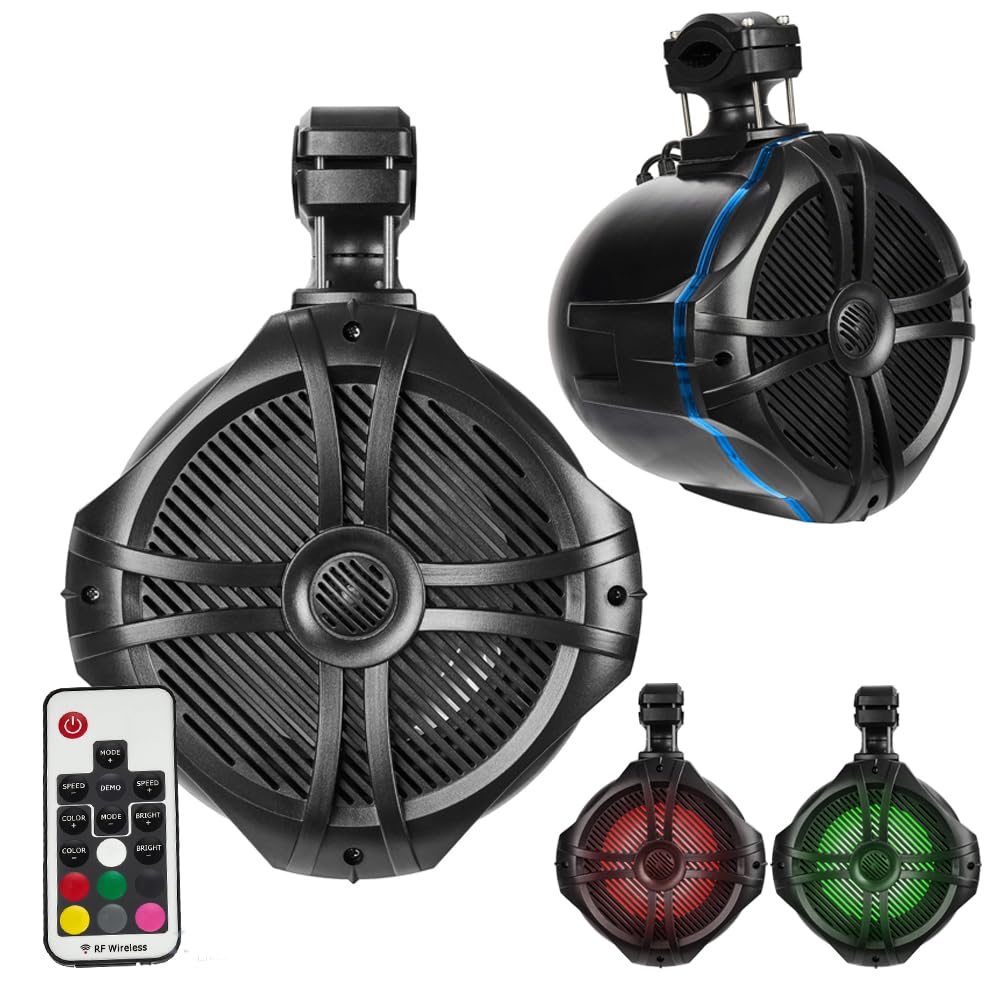
How to Evaluate 8 Inch Boat Speakers
Sound Quality and Tuning
On open water, clarity matters more than deep bass, because wind and engine noise mask low frequencies first. Look for a frequency response that stays strong through the midrange, where voices and most music detail live, and a tweeter design that projects rather than sprays sound in every direction. A balanced tuning beats a bass heavy one at cruising speed.
Sensitivity is the quiet hero spec here. A rating around 90 dB or higher means the speaker plays louder with the same amplifier power, which matters on boats where electrical capacity is limited. Two speakers with equal wattage ratings can differ greatly in real volume if their sensitivity differs.
Placement and Mounting Position
On a boat, placement means cockpit zones rather than rooms. Measure the flat mounting surface, the cutout diameter, and the depth behind the panel before you shop, because an eight inch speaker needs real space behind it for its magnet and for air movement. Speakers mounted low near feet get kicked and soaked, while higher mounts sound clearer to seated passengers.
Think in pairs and zones. One pair near the helm serves the driver, while a second pair in the bow or stern seating keeps volume even without blasting one area. If your panels are too small for this size, our guide to the best 8 inch marine speakers covers mounting trade offs across marine formats.
Durability and Water Resistance (IP Rating)
Marine duty demands more than a splash rating. Look for UV stable cones and surrounds, plastic or coated grilles that will not rust, stainless or coated hardware, and sealed connections. An IP rating such as IP65 or IP67 on the front face is a good sign, but the back of the speaker also needs protection from damp lockers and spray.
Salt water is harsher than fresh water, so coastal buyers should favor speakers marketed and warrantied for salt use, with tinned wiring and corrosion resistant terminals. A practical know how point is to rinse speakers gently with fresh water after salt trips, which slows the corrosion that ratings alone cannot stop.
Fit and Weight
Check mounting depth against wiring, hoses, and storage behind each panel, and confirm the grille diameter clears nearby trim and cup holders. A speaker that forces you to relocate other hardware costs more than its price tag suggests.
Weight matters on thin fiberglass panels. Heavy speakers can flex or crack weak mounting surfaces under vibration, so reinforcing rings or a backing plate are wise on flexible panels. Dry fit the supplied cutout guide before cutting, and never assume an old six inch cutout will accept an eight inch frame without new work.
Receiver and Control Features
The speaker itself is passive in most boat systems, so the features live in your receiver or amplifier. Check that your head unit or amp supports the zones you plan, Bluetooth streaming from phones, and any app control you want at the helm. Speakers with built in lighting need a compatible controller and extra wiring runs.
Firmware updates apply to the receiver, not the speaker, so choose electronics from makers who publish updates and manuals clearly. Keeping one brand family for receiver and amp often simplifies wiring diagrams and warranty support when something misbehaves mid season.
Wiring and Connectivity
Most eight inch boat speakers connect by speaker wire, and that wired link is a strength, since it carries full power without compression or dropouts. Bluetooth version and codec support, such as AAC for iPhones, belong to your receiver, so judge them there rather than on the speaker box.
Use marine grade tinned wire of adequate gauge for the run length, and sealed connectors at every joint. Undersized or corroded wire steals volume and clarity long before a speaker itself fails. If you are also upgrading indoor or dockside sound, our guide to the best 8 inch speakers covers the wider eight inch category beyond marine use.
What Each Price Tier Delivers
The Overall Tier to Aim For
The middle tier, roughly about $150 to $300 per pair, is where most boat owners should shop for the best 8 inch boat speakers. Speakers here usually combine strong sensitivity, real marine materials, and warranties that cover water exposure honestly. They play loudly on modest amplifier power and survive several seasons of sun and spray with basic rinsing care.
This tier suits family runabouts, fishing boats, and pontoons that see weekly use. Its main limit is bass depth at high volume, which only a separate subwoofer or larger enclosures can fully solve on open water.
The Value Tier
Value pairs under about $150 can sound cheerful for calm lake days and light use. Expect simpler materials, lower sensitivity, and shorter warranties. They make sense for a small boat you may sell soon, or as rear zone fill where the main pair carries the sound.
Check the fine print on water claims at this price, because vague splash proof language is common. A value speaker in a sheltered mount under a hardtop will outlast the same speaker mounted fully exposed on a center console.
The Compact Alternative Tier
Sometimes the smartest spend is stepping down in size rather than up in price. Smaller speakers fit tight panels, need smaller cutouts, and leave storage space intact. You give up some bass and maximum volume, but you gain an install you can finish cleanly in an afternoon without rebuilding panels.
This route fits small center consoles, sailboat cabins, and older boats with limited flat surfaces. Pairing smaller speakers with careful placement often sounds better than large speakers crammed into flexing, rattling mounts. For mid focused upgrades in other settings, some shoppers also compare the best 8 inch midrange speakers to understand how driver roles differ.
Quick Buyer Checklist
- Have you measured cutout diameter, mounting depth, and space behind each panel?
- Is the sensitivity around 90 dB or higher for open water volume?
- Does the RMS power rating match your amplifier output per channel?
- Are cones, surrounds, and grilles rated for UV and salt or fresh water use?
- Is the impedance compatible with your receiver or amp, usually 4 ohms?
- Do you have marine grade tinned wire and sealed connectors for the install?
- Does the warranty clearly cover marine exposure rather than excluding it?
Red Flags to Watch For
Peak power numbers in huge type with no RMS rating are the classic warning sign, because peak figures say little about daily performance. Missing sensitivity data, no stated water or UV rating, and steel grilles that will rust are further reasons to walk away. A warranty that excludes water damage on a boat speaker undermines the entire point of the product.
Also be wary of cutout sizes that match no common standard, which makes future replacement painful, and of lighting features that need proprietary controllers sold separately. Unusually glowing reviews that never mention mounting, wiring, or a specific boat type deserve skepticism as well.
Picking the Right 8 Inch Boat Speakers for Different Uses
Best 6 Inch Boat Speakers: What to Check
If your panels will not accept an eight inch frame, the best 6 inch boat speakers search starts with the same marine checklist in a smaller cutout. Prioritize sensitivity even more, because a smaller cone moves less air, and check mounting depth, since compact speakers often fit shallow sailboat and console spaces where eight inch models cannot go.
Expect less bass and a lower volume ceiling, which matters on fast open boats but matters little in cabins and sheltered cockpits. Many owners run six inch speakers in secondary zones alongside larger mains, which balances fit, cost, and coverage across the boat.
How to Make Your 8 Inch Boat Speaker Last Longer
Keep the firmware of your receiver updated, rinse salt spray off with fresh water, and inspect terminals each season for green corrosion. Store removable grilles or covers as the maker directs, clean cones gently with a soft cloth rather than solvents, and tighten mounting screws after the first few trips because vibration loosens them. Disconnect or protect electronics during long storage, and check wiring insulation where it passes through bulkheads for chafe.
Safety matters during installation. Disconnect the battery before wiring, fuse amplifier power leads near the battery as directed, and keep speaker wiring away from fuel lines and bilge water. If you are unsure about marine electrical work, hire a qualified marine electrician, because a short circuit on a boat is a fire risk, not just a blown fuse.
Frequently Asked Questions
Do 8 inch boat speakers need a separate amplifier?
Most do for good volume. A typical marine receiver puts out modest power per channel, and an external amplifier matched to the speaker RMS rating gives cleaner sound at speed. If the receiver output already matches the speaker rating, you can start without one and add an amplifier later.
Wired or wireless: which sounds better on a boat?
Wired sounds better and is more reliable for fixed boat speakers, because the wire delivers full amplifier power with no compression or pairing dropouts. Wireless links belong between your phone and the receiver. On a moving boat with interference from many devices, a wired speaker run is one less connection to fail.
Can I replace 6.5 inch speakers with 8 inch ones?
Only if the panel has the space. An 8 inch speaker needs a larger cutout, more mounting depth and a flat surface around the opening, so check the cutout dimensions before you cut. Many owners keep 6.5 inch speakers where space is tight and fit 8 inch pairs in open cockpit zones.
What IP rating do I need for outdoor use on a boat?
For exposed cockpit mounts, look for at least IP65 style protection against jets of water, plus UV and corrosion resistance that an IP number alone does not describe. Cabin speakers can accept less. Remember that the rating covers the front of the speaker, so keep the rear and its connections sheltered and sealed as well.
How many 8 inch boat speakers do I need?
Most boats do well with one pair at the helm seating and a second pair for the bow or stern zone. Add more only if your receiver and amplifier can power them evenly. Spreading sound across zones at moderate volume works better than one loud pair.
Our Verdict
Measure your panels, match RMS power and impedance to your amp, and demand honest marine ratings before you compare prices or styling. Get those three right and your system will stay clear at speed and survive the seasons. Use the product table above to check current options against this list, and choose the best 8 inch boat speakers that fit your boat, your wiring, and your waters.