The Best 65 Inch TV for Your Room: A Complete Buying Guide
Disclosure: We may earn a commission when you buy through links on this page, at no extra cost to you. As an Amazon Associate I earn from qualifying purchases. Learn more

Picking a screen for the living room used to mean choosing between a handful of similar options. Now the shelf is crowded with panel types, resolutions, and smart platforms, and a 65-inch set is often the size where the decision starts to feel overwhelming. Finding the best 65 inch TV for your space comes down to a few factors that matter far more than any single spec sheet number: panel technology, resolution, connectivity, and how your room is lit. This guide walks through what actually changes the picture you see every night, so you can shop with a clear sense of what to prioritize and what you can safely skip.

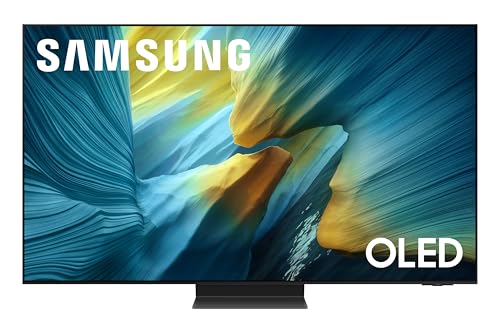


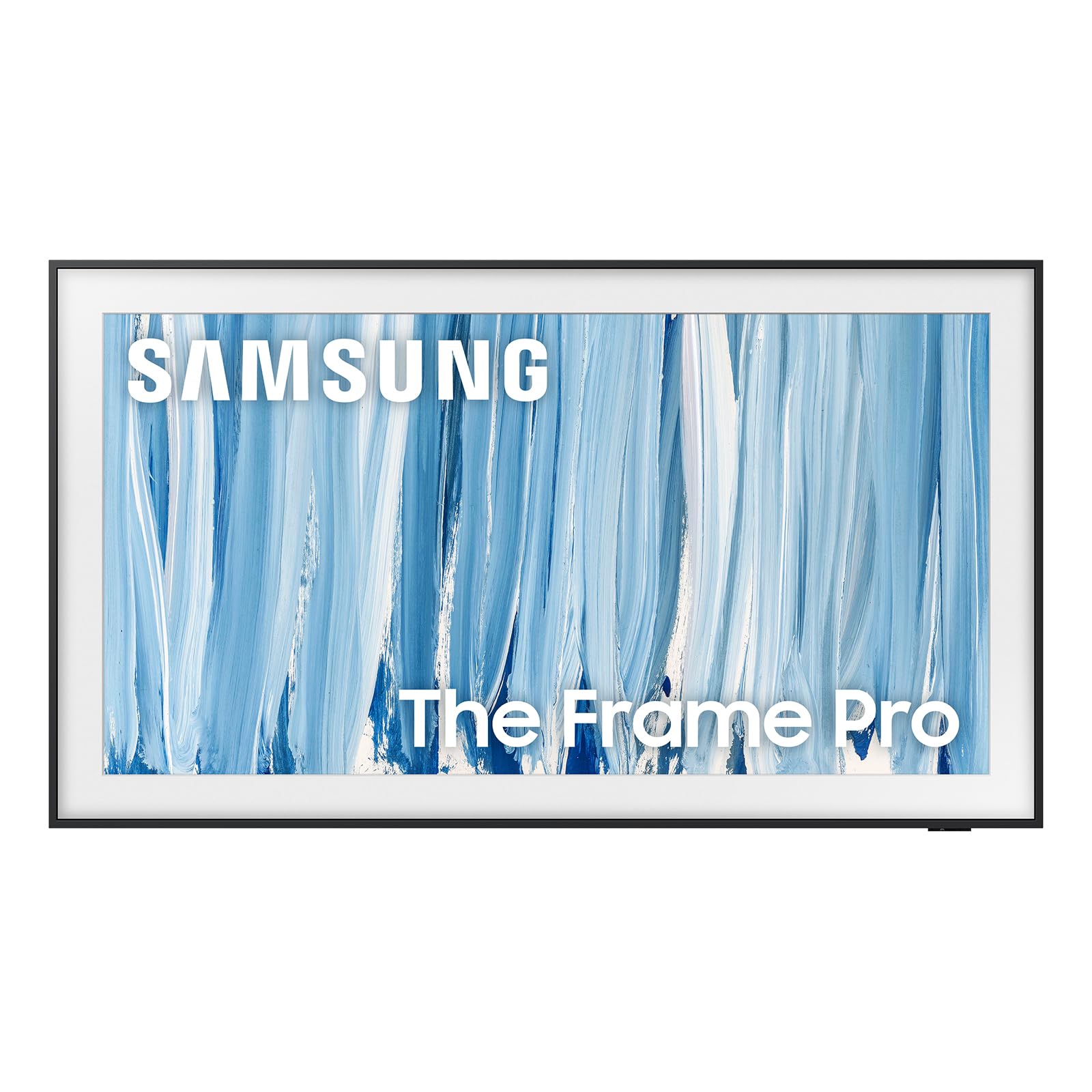


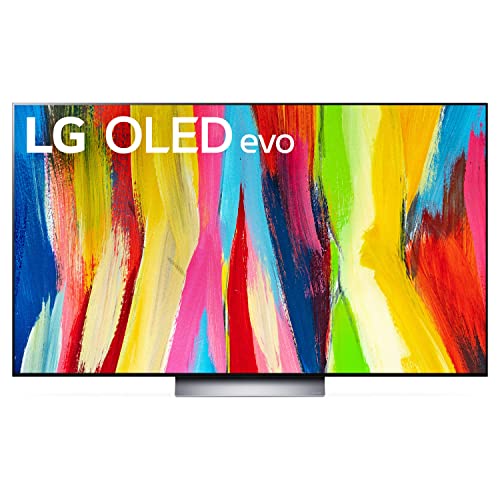
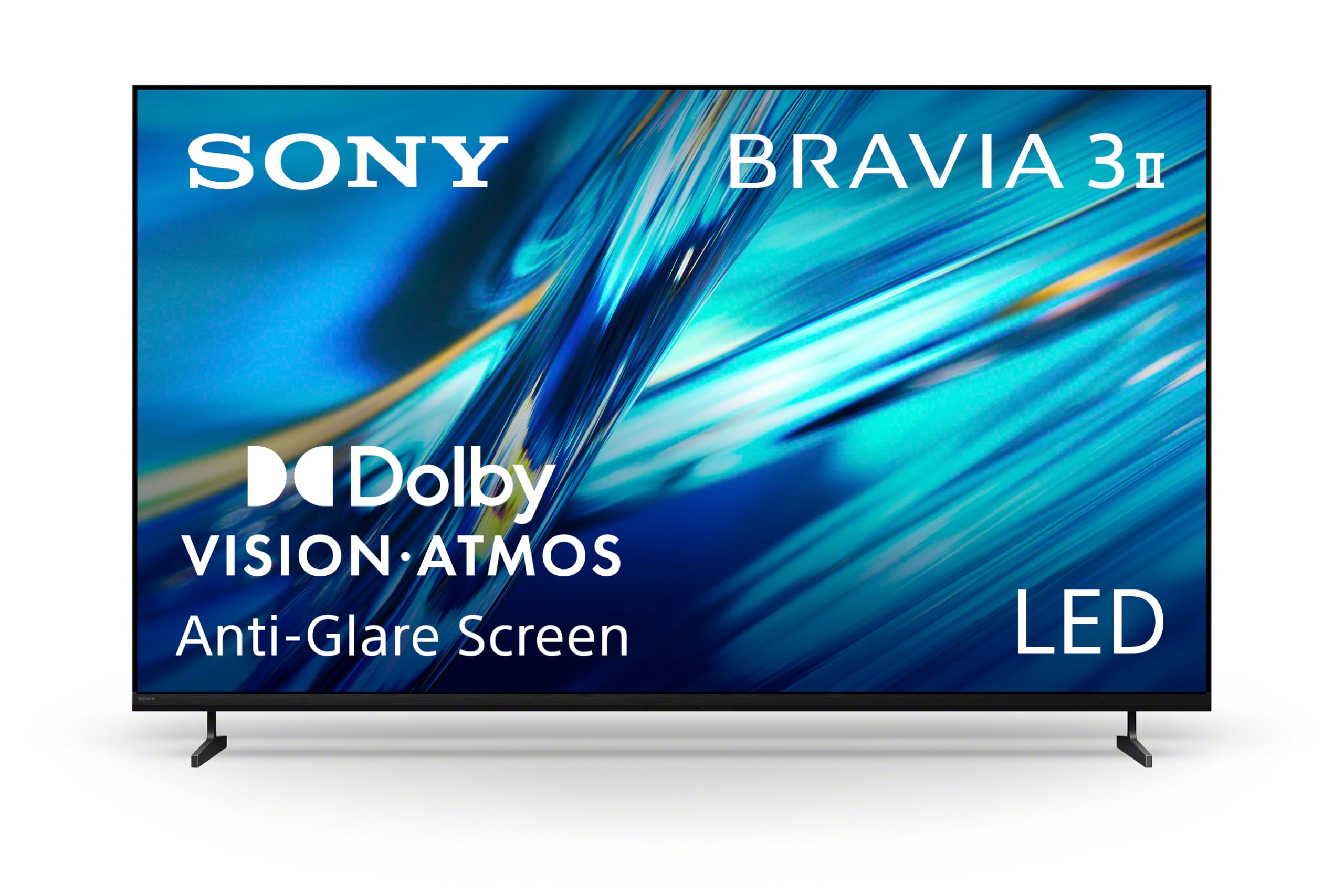
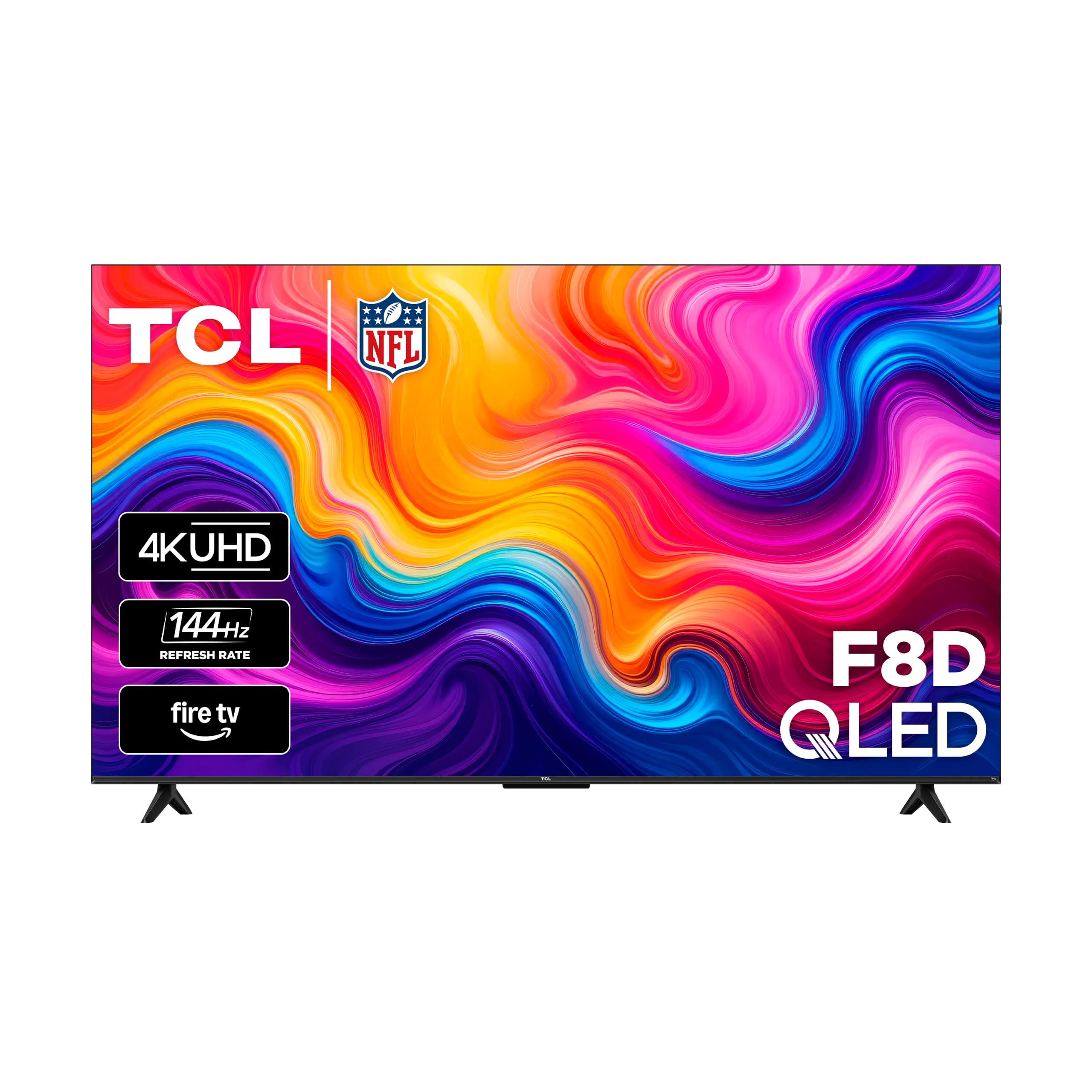
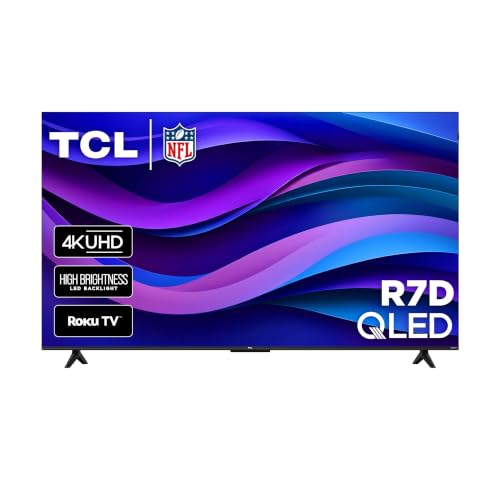

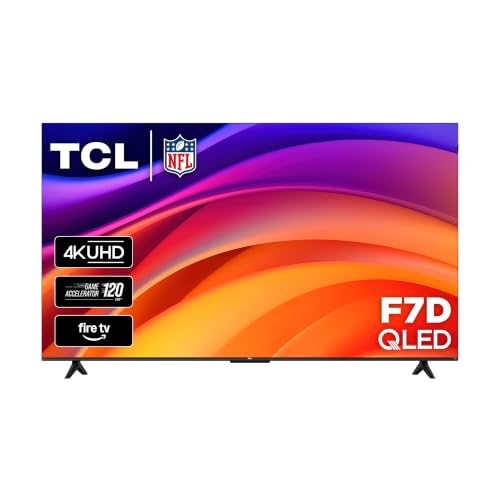
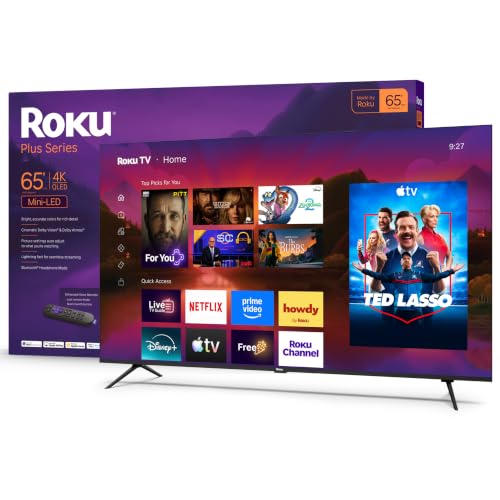
Panel Technology: LED, QLED, Mini-LED, and OLED at 65 Inches
At 65 inches, panel technology has a bigger impact on picture quality than almost anything else on the spec sheet. A larger screen makes backlight flaws, blooming, and weak contrast far easier to spot than they would be on a smaller set in a bedroom, so it pays to understand what each technology actually does before comparing anything else.
Standard LED and QLED
Entry-level LED panels use a basic backlight behind the screen and rely on a color filter for saturation. QLED adds a layer of quantum dots that boosts brightness and color volume without changing the underlying backlight structure. Both are budget-friendly and bright enough for daytime viewing, but they tend to struggle with deep black levels, especially during dark scenes on a screen this large.
Mini-LED
Mini-LED panels use thousands of tiny LEDs organized into dimming zones instead of one uniform backlight. That allows brighter highlights and darker shadows within the same frame, which is exactly the kind of contrast a 65-inch screen benefits from. Mini-LED has become a common middle ground for shoppers who want strong HDR performance without paying OLED-level prices.
OLED
OLED panels light each pixel individually, so black areas of the screen simply turn off. That produces near-perfect contrast and excellent viewing angles, both of which matter more as screen size increases. The tradeoff is lower peak brightness in very bright rooms and a higher price tag. Readers focused specifically on this technology will find a deeper breakdown in our 65-inch OLED buying guide, which looks at how the panel performs at this exact screen size.
Resolution and Picture Detail: How Much Do You Actually Need
Nearly every 65-inch TV sold today ships with at least 4K resolution, and for most living rooms that is plenty. Pixel density stops mattering once seating is far enough away that individual pixels become invisible, and at 65 inches that distance lands somewhere around 6.5 to 9 feet for typical seating. Sit closer than that, and a resolution upgrade can be worth it. Sit farther, and even an older display can look nearly identical to a newer one.
8K panels exist, but the extra detail only becomes visible at distances closer than roughly 4 to 5 feet from a screen this size, which is not realistic for most sofas. Native 8K content also remains limited. Unless a very specific setup calls for it, putting the budget toward better panel technology or higher peak brightness generally pays off more than chasing resolution beyond 4K.
Smart TV Features, Refresh Rate, and Connectivity Worth Prioritizing
Once panel type and resolution are settled, the features that shape daily use come down to refresh rate, HDR support, and the smart platform itself. A 120Hz refresh rate noticeably smooths fast motion in sports and action scenes, and it is close to essential for anyone connecting a current game console. HDMI 2.1 ports enable variable refresh rate and auto low latency mode, both of which reduce input lag and screen tearing during gameplay. Readers building a setup around a console or PC should see our guide to gaming-focused 4K TVs for a closer look at which connectivity specs matter most.
- At least one HDMI 2.1 port for full-bandwidth 4K gaming at high frame rates
- A refresh rate of 120Hz or higher for smoother motion handling
- Support for at least one major HDR format
- A smart platform with strong app support and minimal ad clutter on the home screen
HDR format support affects how much extra contrast and color a TV can pull from compatible content, though the benefit is limited without a panel bright enough to display it well. The smart TV platform matters more than shoppers often expect: app selection, voice search speed, and how much of the home screen gets used for promotions all vary widely between operating systems, so it is worth checking recent user feedback on the platform before buying rather than judging hardware alone.
Matching a 65-Inch TV to Your Room and Viewing Habits
Screen size decisions do not happen in a vacuum. Room lighting, seating distance, and furniture layout all influence which technology and features will actually pay off. A bright room with large windows favors a panel with high peak brightness, since even excellent contrast gets washed out by glare and ambient light. Our guide to TVs built for bright rooms covers this in more detail when natural light is a major factor in the space.
A dedicated media room or a space that can be dimmed makes the deep black levels of OLED far more noticeable, which is where that technology tends to earn its price premium. Seating distance matters too: a 65-inch screen fits most living rooms with seating between 6 and 10 feet from the wall, though a smaller room may call for a different size regardless of how good the panel is. Getting the size and room pairing right is arguably more important to the final experience than choosing among the best 65 inch TV options on paper alone.
Frequently Asked Questions
Is a 65-inch TV too big for a small living room?
Not necessarily. Screen size should be matched to seating distance rather than room size alone. If seating is at least 6 feet from the wall, a 65-inch screen typically fits well; closer seating may call for a smaller size.
Is OLED always better than Mini-LED at 65 inches?
Not always. OLED offers deeper contrast and wider viewing angles, which suits dim rooms and movie-focused viewing. Mini-LED delivers higher peak brightness, which holds up better in rooms with lots of natural light.
Does 8K resolution matter for a 65-inch TV?
Rarely, for standard living room seating. The resolution gain over 4K only becomes visible at unusually close viewing distances, and native 8K content remains limited for now.
What refresh rate is needed for gaming on a 65-inch TV?
A 120Hz panel paired with HDMI 2.1 support covers most current console and PC gaming needs, enabling smoother motion and features like variable refresh rate.
How much does room lighting affect picture quality?
Significantly. A bright room reduces the visible contrast of any panel, particularly OLED, while a Mini-LED or QLED model with higher peak brightness tends to hold up better against glare and ambient light.
Do all 65-inch TVs support HDR?
Most current models include at least one HDR format, but support quality varies widely. Peak brightness and local dimming performance affect how much benefit HDR actually adds, so format support alone should not be the deciding factor.
Making the Right Call for Your Space
There is no single best 65 inch TV for every room, only the right combination of panel technology, resolution, and features for a specific space and viewing habit. Matching brightness needs to room lighting and choosing a refresh rate that fits how the screen will actually be used solves most of the buying decision on its own. Once those basics are locked in, the remaining choices come down to platform preference and the design details that suit the room.