Best Chromecast TVs for 2026: Complete Buying Guide
Disclosure: We may earn a commission when you buy through links on this page, at no extra cost to you. As an Amazon Associate I earn from qualifying purchases. Learn more
Compare the best chromecast tvs by panel, size, sound, ports and price so the set suits your room and your viewing habits.
Choosing best chromecast tvs starts with how you watch. A TV with Chromecast built in lets you send video, music, and photos from a phone, tablet, or laptop straight to the big screen, without hunting for extra boxes or cables. This guide compares the features that change everyday viewing, so you can match a set to your room, your habits, and your budget.
The comparison table below gives a quick overview, and the sections that follow explain what each choice means in practice. Read the panel, size, sound, and connection sections before you decide, because those four choices affect satisfaction far more than a small difference in headline brightness or a feature you may never use.
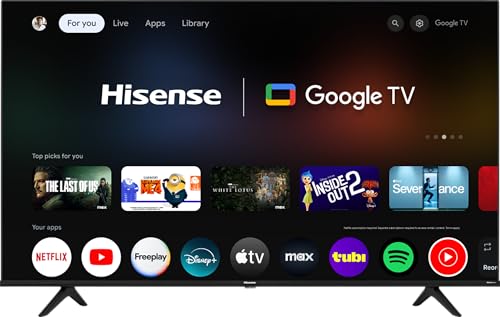
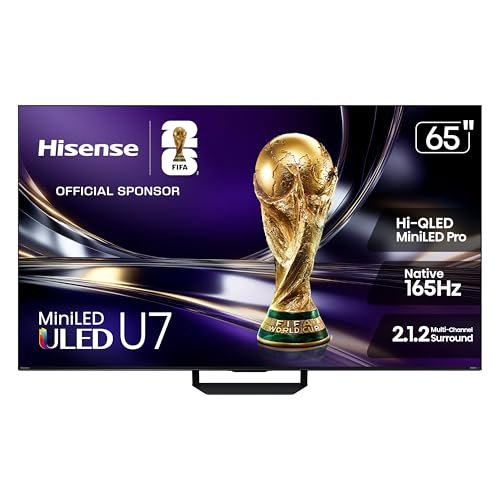
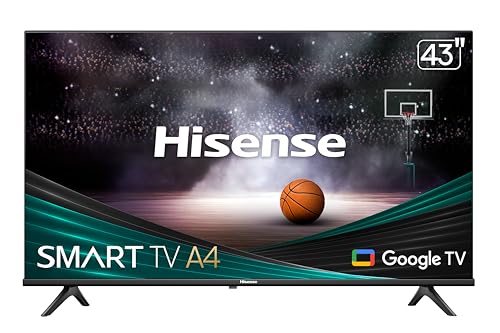
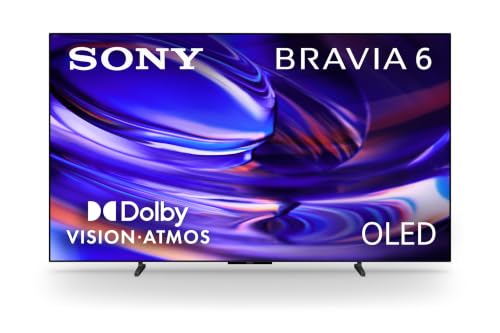


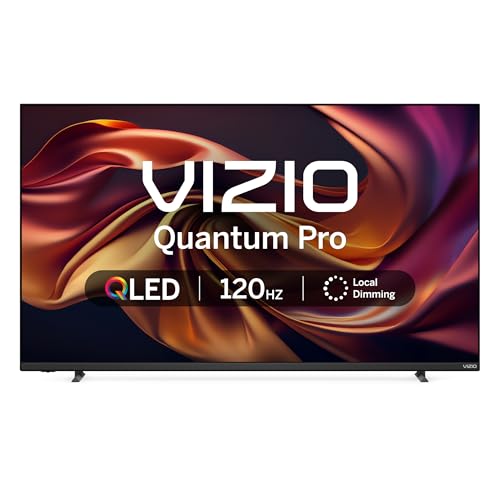
Spending Levels for Chromecast TVs
Price is a useful starting point, but it should follow your viewing habits rather than lead them. The levels below describe what each range usually offers, without naming any single set as the right choice for everyone.
Modest Spending for Everyday Streaming
Sets around $300 to $500 usually offer a clear 4K picture, built in streaming, and enough ports for a soundbar and a game console. They suit viewers who mainly watch shows, news, and online video in a room with controlled light. If your budget is tight, our guide to best inexpensive tvs can help you compare low cost sets side by side.
Middle Spending for Sharper Pictures and Better Sound
Sets around $600 to $1,000 often add stronger contrast, smoother motion, and fuller built in sound. They suit living rooms where the TV runs for several hours a day and where family members watch from different seats.
Higher Spending for Home Theater Viewing
Sets around $1,200 to $2,500 or more usually bring deeper blacks, brighter highlights, and wider viewing angles. They suit dedicated movie nights, sports viewing with friends, and rooms where the TV is the main entertainment center. At this level, check the warranty, the return terms, and whether the set fits your wall or stand before you buy.
How to Choose a Chromecast TV: Buying Guide
The sections below walk through the choices that matter most.
Panel Technology
Panel type shapes color, contrast, and viewing angle. IPS panels tend to offer wide viewing angles and steady color, which helps when viewers sit off to the side. VA panels often deliver deeper blacks and stronger contrast in a dark room, although the picture can shift when viewed from a sharp angle. OLED panels produce rich blacks and vivid color, but they cost more and need sensible care, such as avoiding a static image left on screen for very long periods.
Smart Platform and Sound
The built in platform controls how fast you find shows and how easily casting works. A Google TV based set usually keeps casting simple, since the feature is built into the system rather than added on top. Sound matters just as much as the picture in daily use, and a set with clear dialogue will feel better than a set with booming bass but muddy voices. If dialogue is hard to follow, our guide to best soundbars tv explains how an external speaker can improve clarity without a complex setup.
Connectivity and Ports
Count the ports you will actually use before you buy. Most households need at least three HDMI inputs for a console, a streaming device or soundbar, and one spare connection. HDMI 2.1 matters mainly if you play modern games at high refresh rates, while older HDMI ports are fine for ordinary streaming. Check the port layout too, since side facing ports are easier to reach on a wall mounted set than rear facing ports.
Resolution and Screen Size
For most buyers, 4K is the sensible resolution today, since streaming services and consoles now offer plenty of 4K content. Size depends on viewing distance: a 55 inch set suits a typical living room, a 65 inch set suits a larger room, and a 75 inch set needs a wall and seating distance that let you take in the whole picture. Measure your wall and your seating distance with a tape measure before you order, and leave room for ventilation around the set.
Stand, Mounting, and Ergonomics
Check the stand width against your furniture, because wide feet can overhang a narrow console. A VESA mount pattern lets you use a wall bracket, and the pattern size and screw depth should match the bracket you plan to use. If you mount the set, confirm the wall type and use fixings rated for the weight of the set, and keep cables tidy so they do not pull on the ports.
Refresh Rate and Response Time
Refresh rate, measured in hertz, describes how often the picture updates each second. A 60 hertz set is fine for news, drama, and most streaming, while a 120 hertz set makes sports and fast action look smoother. Response time describes how quickly pixels change color, and a lower figure reduces blur in fast scenes.
Adaptive Sync and Gaming Features
Gamers should look for variable refresh rate support, which helps prevent screen tearing when a console output does not match the TV refresh rate. Auto low latency mode switches the set to a faster game mode when a console turns on, which reduces input delay. HDMI 2.1 supports 4K at 120 hertz on compatible consoles, while older ports cap the frame rate at lower levels.
Types of Chromecast TVs
Chromecast TVs come in a few broad styles, and each suits a different room and habit. The type you choose should follow where the set will live and who will watch it most.
Large Screen Options
Large screen sets, typically 65 inches and above, suit living rooms and shared viewing. They make movies and sports feel more immersive, and they work well when several people watch from different seats. They also demand more wall space, a stronger mount or wider stand, and a seating distance that lets you see the whole screen comfortably.
OLED Displays
OLED sets use self lit pixels, which allows deep blacks and precise contrast. They suit movie lovers and viewers who watch in dim rooms, where the contrast advantage is most visible. They cost more than most LCD sets, and they reward sensible habits such as varying content and using the built in screen care features.
Gaming Displays
Gaming focused sets prioritize low input lag, high refresh rates, and variable refresh support. They suit households where a console shares the main TV, and they also handle sports and action movies smoothly. If you play only occasionally, a good general purpose set with a solid game mode may serve you better than a set built mainly around gaming specs.
How to Make Your Chromecast TV Last Longer
- Calibrate picture settings by turning off vivid mode, which often oversaturates color and strains the panel over time.
- Use pixel refresh on OLED sets when the maker prompts you, since this routine helps keep the picture even.
- Clean the screen with a microfiber cloth only, and avoid harsh cleaners that can damage coatings.
- Use quality HDMI 2.1 cables for 4K at 120 hertz, since a weak cable can cause dropouts or a lower frame rate.
- Keep the set ventilated and out of direct sun, and update the software when the maker releases fixes.
Maker electrical safety guidance applies throughout the life of the set: use the supplied power cable, avoid overloaded outlets, and keep small parts and remote batteries away from children.
Frequently Asked Questions
Is 4K worth it on a Chromecast TV?
Yes, 4K is worth it for most buyers, because streaming services now offer a large library of 4K shows and movies. The extra detail is most visible on screens of 55 inches and above. Choose 4K if the price gap is modest, and spend the saving on better sound if you pick a smaller set.
IPS vs OLED: which panel is better for a Chromecast TV?
Neither panel wins for every room, since each suits a different viewing condition. IPS panels offer wide viewing angles and steady color for off center seating. OLED panels offer deeper blacks and richer contrast for dim movie rooms. Check both panel types under lighting like your room if you can, since bright showroom lighting can flatter one type over the other, and match the panel to your light and seating first.
Does refresh rate matter for non gamers?
Refresh rate matters less for non gamers than panel quality and size, but it still affects sports and fast action. A 120 hertz set can make sports and action look smoother, while for news and drama the difference is small. Spend on refresh rate if you watch a lot of sports, and prioritize contrast and sound if you do not.
What size Chromecast TV should I get for my room?
Measure your seating distance and your wall before you choose a size. A 55 inch set suits about 6 to 9 feet of seating distance, while a 65 inch set suits about 8 to 11 feet. If you are between sizes, the larger set usually feels better for movies, provided the room can hold it comfortably.
How long do Chromecast TVs last?
Most modern TVs last many years with normal use, although the exact life depends on daily hours, brightness settings, and care. Sets used a few hours a day in a cool, ventilated spot tend to last longer than sets left on all day at maximum brightness. Good habits, such as sensible brightness and regular cleaning, help any set reach a long service life.
Our Verdict
Start with room size, light, and viewing habits, then match panel type and sound to those needs. For a broader view of sets across eras and price levels, our guide to best tvs of all time offers useful context before you narrow the choice. In short, the right choice among best chromecast tvs is the set that fits your room, suits your content, and stays within a budget you are comfortable with, so check the product table above once more before you buy.