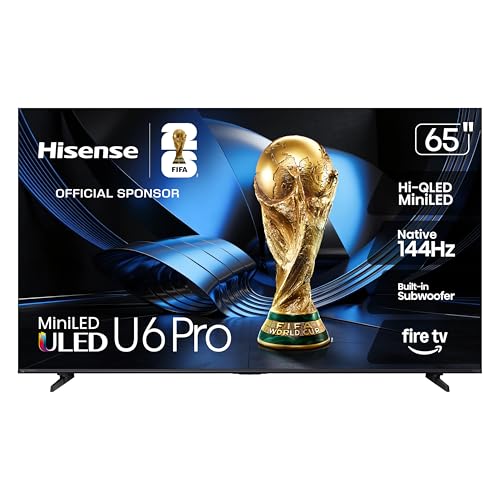
Best Cleaner for Flat Screen TVs in 2026: Matching the Right Model to Your Routine
Disclosure: We may earn a commission when you buy through links on this page, at no extra cost to you. As an Amazon Associate I earn from qualifying purchases. Learn more

Compare spray, wipe, and kit formats to pick the best cleaner for flat screen tvs, learn which ingredients to avoid on coated screens, and fit your routine.
There is no single best cleaner for flat screen tvs that suits every home, because every screen, room, and routine is different. A household with pets and fingerprints needs a different approach from a quiet viewing room that only gathers dust. This guide matches cleaner formats to real routines, so you can avoid overpaying for features you will never use. You will find the comparison table below, with the details that follow.
Flat screens need gentler care than older glass screens, and the best cleaner for flat screen tvs respects that. Many modern screens have coatings that can be damaged by harsh chemicals, rough cloths, or too much liquid. The right cleaner removes dust and smudges without leaving streaks, and the right cloth matters just as much as the liquid itself. Start with your screen type, your mess type, and how often you clean, then choose a format that fits that pattern.
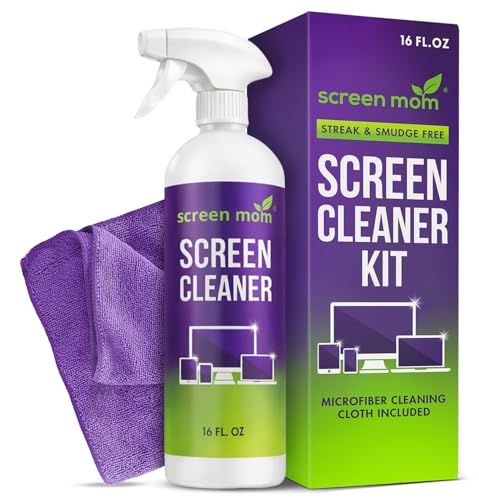
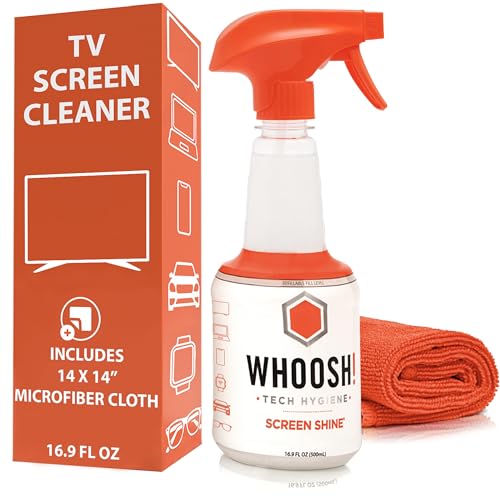
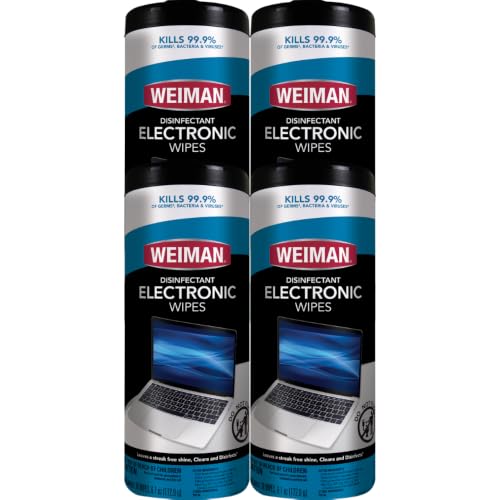
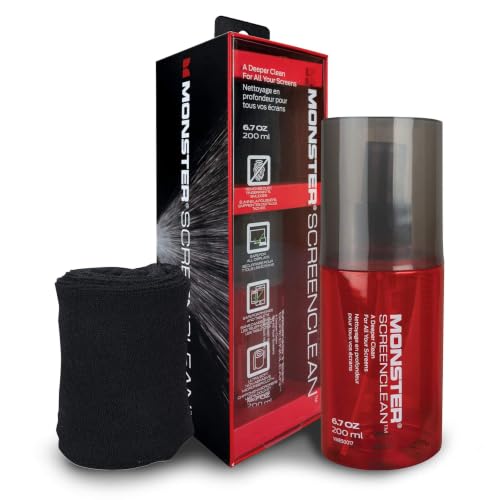
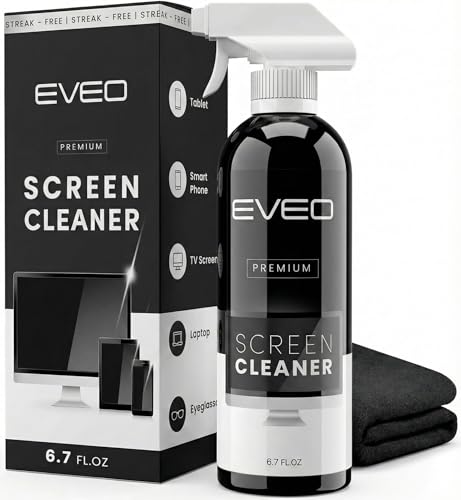

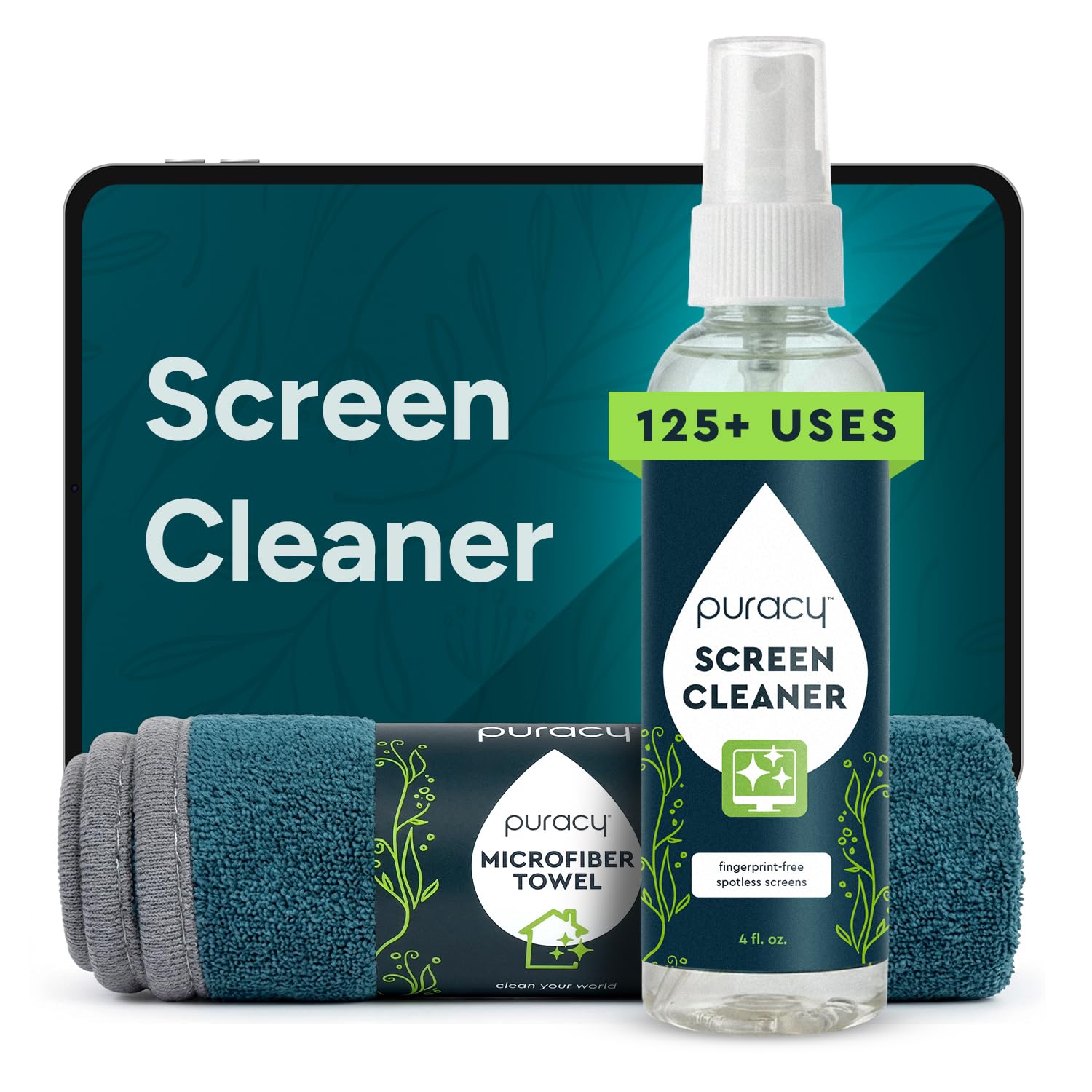


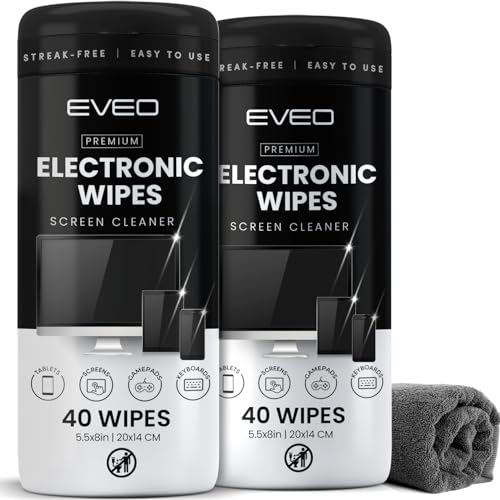


Who Should Buy Which Cleaners?
Use case is the fastest way to narrow the choice. The groups below describe common routines, not product models, and each group points to the features that matter most for that routine. Find the group closest to your home, then check the feature section for the details behind it.
For Gift Shoppers
Gift shoppers usually want a simple, complete kit that is easy to give and easy to use. A kit with a spray and a soft cloth in one box avoids guesswork and looks ready to use. Choose a gentle formula with clear screen safe labeling, because the recipient may not know their screen coating type. A pleasant but light scent and a compact bottle also help, since a large kit can feel awkward to store.
For First Time Buyers
First time buyers benefit from a simple routine with few steps. A pre moistened wipe or a spray paired with one soft cloth keeps the process short and reduces the chance of using too much liquid.
Look for clear directions on the label, including how much to spray onto the cloth rather than onto the screen. Avoid strong chemicals at this stage, and try any new cleaner on a small corner first if the maker guidance allows it. If you just bought a set, see our guide to the best new flat screen tvs.
For People Who Want the Best Performance
Performance focused buyers often clean larger screens or screens used for detailed viewing. For them, streak free drying, even coverage, and a high quality microfiber cloth matter more than scent or packaging. A fine mist spray can cover a wide screen evenly, while a dense cloth lifts dust without pushing it around.
This group should also check compatibility with coated screens, because a strong formula that cleans well on plain glass may be too harsh for a coated panel. For smart screen features, see our guide to the best flat screen smart tvs.
For Value Seekers
Value seekers want a cleaner that lasts, works on more than one screen, and does not need frequent replacement. A concentrate that mixes with water can lower the cost per clean, but only if the mixing steps are simple and the mixed solution stores well. A washable cloth adds value too, since a single cloth can serve for many cleans when washed as directed. Compare the cost per clean, not just the bottle price, and check whether refills are sold separately.
Key Features to Compare
The features below explain what actually changes the result on a flat screen. Read each one with your own routine in mind, because a feature that matters for a dusty living room screen may matter less for a bedroom screen cleaned once a month.
Features That Matter for Flat Screen TVs
Flat screens need a cleaner that lifts dust and fingerprints without harming coatings or leaving residue in the corners. A fine mist or a lightly dampened cloth gives better control than a heavy spray, because excess liquid can seep toward the bezel. Look for screen safe labeling that names flat screens directly, and check whether the maker warns against ammonia, alcohol, or abrasive ingredients for your screen type.
A soft, lint free microfiber cloth is essential, since paper towels and rough fabrics can scratch a coated surface over time. If your screen is small, see our guide to the best small flat screen tvs.
Ingredients and Safety
Ingredient choice affects both the screen and the people in the room. Formulas without bleach are generally gentler on coatings, and fragrance free options suit sensitive households. Some cleaners carry an EPA Safer Choice label, which signals a review of ingredient safety, though it does not make a cleaner safe for every screen.
Always read the full label, follow the maker guidance for your screen, and store cleaners away from children and pets. Ventilate the room while cleaning, and wash your hands after use if the label advises it.
Effectiveness on the Specific Mess
Different messes need different cleaning power. Light dust usually lifts with a dry microfiber cloth and needs no liquid at all. Fingerprints and light smudges respond to a gentle screen spray and a second dry pass.
Greasy marks near a kitchen viewing area may need a slightly stronger screen safe formula and more patience, with repeated light passes rather than one heavy application. Limescale and hard water marks are less common on TV screens, but when they appear, a gentle approach and maker guidance matter more than scrubbing force.
Surface Compatibility
Surface compatibility is about the screen coating, not about counters or sinks. Some screens have matte coatings that hide glare, while others have glossy coatings that show every streak. A cleaner that works on glossy glass may leave a haze on a matte coating, so check the label for your coating type when you know it.
The bezel, stand, and remote need care too, but they can usually handle a lightly dampened cloth even when the screen needs a gentler touch. When in doubt, clean the screen with the gentlest method first and increase care only if the maker guidance allows it.
| Cleaner format | Best for | Watch for |
|---|---|---|
| Spray and cloth kit | Regular cleaning of one or more screens | Over spraying and liquid near the bezel |
| Pre moistened wipes | Quick cleans and first time buyers | Wipes that dry out before the pack is finished |
| Concentrate | Value seekers with several screens | Mixing steps that are easy to get wrong |
Common Mistakes to Avoid When Buying Cleaners
- Buying on price alone, because a cheap cleaner with harsh ingredients can cost more in screen damage than it saves.
- Ignoring the features that matter for flat screens, such as coating safety and streak free drying.
- Choosing a bulk size you will not finish, because an opened cleaner can lose strength or dry out over time.
- Skipping the warranty or return check, because a kit with a poor cloth or a faulty sprayer is hard to use well.
- Using a household glass cleaner by default, because ammonia and other strong ingredients can harm some screen coatings.
Another mistake is cleaning too often with too much liquid. A screen that only has dust does not need a wet clean every week. A dry microfiber pass is often enough, and a wet clean can wait until fingerprints or smudges actually appear. This habit also helps the cleaner last longer.
How to Make Your Cleaner Last Longer
Always read the label and try the cleaner on a small area first when the maker guidance allows it. Store the bottle upright, with the cap closed, away from heat and direct sunlight. Keep cloths clean and dry between uses, and wash them as directed so dust trapped in the fibers does not scratch the next screen.
Never mix bleach with ammonia or acids, and never mix two cleaners to make a stronger solution, because mixed chemicals can create harmful fumes and can damage coatings. Ventilate the room while cleaning, and keep cleaners away from children and pets at all times.
Power off and unplug the TV before cleaning, and let the screen cool if it has been on for a long time. Spray onto the cloth, never directly onto the screen, and use light, even passes from top to bottom. Finish with a dry section of the cloth to remove any remaining moisture. This routine protects the screen, stretches each bottle further, and gives a clearer result than a single heavy application.
Cleaners: Your Questions Answered
What features matter most in cleaners for flat screen tvs?
Coating safety, streak free drying, and a soft lint free cloth matter most for flat screen TVs. A fine mist that you spray onto the cloth gives better control than a heavy spray aimed at the screen. Check the label for flat screen compatibility and for warnings about ammonia or alcohol on your coating type. A good cloth matters as much as the liquid, so replace a worn or rough cloth before it can scratch the surface.
Is it safe to use around kids and pets?
Many screen cleaners are gentler than household cleaners, but safety still depends on the exact formula and label. Choose a fragrance free option when children or pets share the room, and store every bottle out of reach. Ventilate the room while cleaning, and keep pets away until the screen is dry. If a child or pet contacts the cleaner, follow the label first aid guidance and seek advice promptly if symptoms appear.
How often should I use it?
Clean a flat screen only when dust, fingerprints, or smudges actually affect viewing. A dry microfiber pass once a week suits most living rooms, while a wet clean once a month or less is enough for many homes. Screens near kitchens or play areas may need more frequent light cleans. Over cleaning with liquid adds risk without improving the picture, so let the visible mess guide the schedule.
Are natural cleaners as effective?
Natural or plant based cleaners can handle dust and light fingerprints well, but they may work more slowly on greasy marks. Their advantage is often a simpler ingredient list and a lighter scent, which suits sensitive households. Check that the formula is still labeled safe for flat screens, because natural does not automatically mean coating safe. For stubborn marks, repeated light passes with a gentle formula usually beat one harsh application.
What should never be mixed together?
Never mix bleach with ammonia or acids, because the mixture can create harmful fumes. Never mix two different cleaners in the hope of a stronger result, since the combined chemicals can damage coatings and irritate skin or lungs. Use one product at a time, rinse or wipe the cloth between products if you switch, and follow the label for storage and disposal. When in doubt, use the gentler product alone and repeat the pass instead of mixing.
Wrapping Up
Focus on three checks: coating safety for your screen type, a format that matches how often you clean, and a soft cloth that will not scratch the surface. Add clear label directions and safe storage to that list, and most poor buys disappear. Use the product table above to compare formats side by side before you choose a size or a scent.
For most homes, a gentle spray and cloth kit used sparingly is a sensible starting point. Power off and unplug the TV, spray onto the cloth, and finish with a dry pass for a clear, streak free result. The right choice is the best cleaner for flat screen tvs for your screen, your mess type, and your routine, not the strongest bottle on the shelf.