Best 5G Phones USA of 2026: Complete Buying Guide
Disclosure: We may earn a commission when you buy through links on this page, at no extra cost to you. As an Amazon Associate I earn from qualifying purchases. Learn more

The best 5g phones usa buyers choose, compared by carrier bands, display, camera, battery and update support.
A new phone in the United States has to match your carrier, your city and the places you travel, not just a spec sheet. The best 5g phones usa buyers choose well combine the right 5G bands with a bright display, a reliable camera and a full day of battery life. Use the comparison table below with this guide at hand.
Start with coverage where you live and work. A commuter weighs speed and battery most, while a parent filming school events weighs night mode and storage.

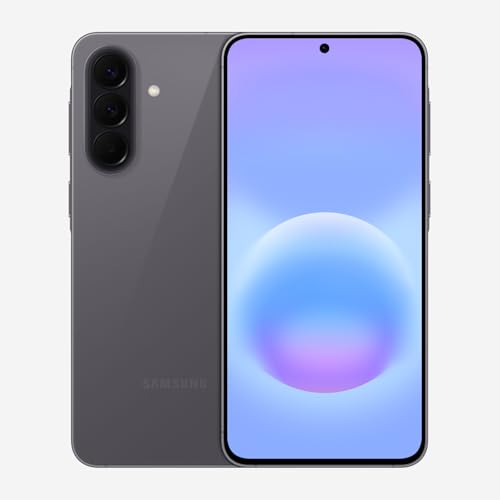
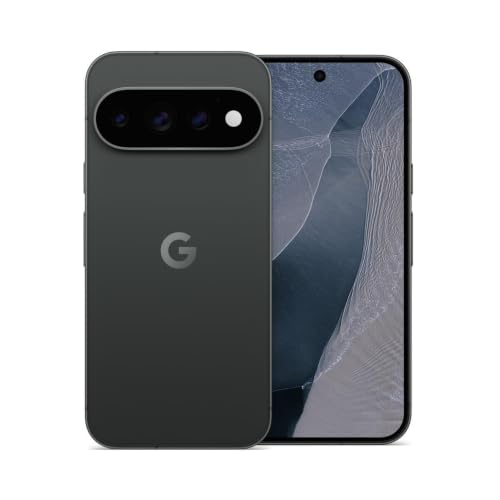


Who Should Buy Which 5G Phones in the USA?
Your carrier matters more in the United States than in most markets, because each large network uses a different mix of 5G bands. Match your group below first.
Shoppers Staying With One US Carrier
If you plan to stay on one network for two or three years, a phone sold for that network is the safe route. Its band list matches local towers, WiFi calling is set up from the start, and payment plans spread the cost. If that network is Verizon, see our guide to the best 5g phones verizon before you build a shortlist.
Unlocked Buyers Who Switch Carriers or Travel
An unlocked phone suits you if you change plans often, use a small regional carrier, or add a local SIM card abroad. You pay more upfront, but you keep freedom to move when prices or coverage change. Android shoppers here can see our guide to the best android phones usa for options that work across networks.
Rural and Suburban Buyers Who Need Range
Outside large cities, distance between towers matters more than top speed. Low band 5G travels farther and passes through walls better, so it does most daily work in small towns and suburbs. Prioritize strong reception and a large battery, then test the phone at home during the return window. A phone that holds a weak signal in your kitchen beats a faster model that drops calls there.
Key Features to Compare
Compare these factors in the same order each time, so a low price cannot hide poor band support.
Picking a Screen Size That Fits Your Hand and Pocket
Most phones here offer screens of about 6.1 to 6.9 inches, and the right size depends on your hands and pockets. OLED panels give deep contrast and save power on dark screens. A refresh rate of 120 Hz makes scrolling feel smoother than the older 60 Hz standard. Outdoor brightness matters in the USA, where summer sun can wash out a dim screen during map and camera use.
Camera System and Night Mode
A good camera set pairs a main lens for daily shots with an ultrawide lens for groups. A telephoto lens adds real zoom for sports and concerts, where digital zoom turns soft. Night mode combines several frames to lift shadows, so look for it on the main lens if you shoot indoors often. Video stabilization matters for walking shots of kids and pets.
Chips and RAM for Apps, Games and Navigation
The processor decides how fast apps open, how well games hold a steady frame rate and how hot the phone feels during navigation. Flagship chips pair with about 8 to 12 GB of RAM and suit heavy multitasking, while current mid range chips handle calls, maps and streaming with ease. Android buyers can also see our guide to the best 5g android phones.
Carrier Compatibility and US 5G Bands
When shoppers compare the best 5g phones usa listings, band support is the detail that decides real coverage. Low band 5G reaches far but adds modest speed, mid band and C band give the best mix of range and capacity in most cities, and mmWave is very fast over short distances in stadiums and dense downtown blocks. An imported model may show a 5G logo yet miss that mid band.
Build, Durability and Water Resistance
An IP68 rating means a phone is sealed against dust and can survive brief immersion in fresh water under standard conditions, so rain and splashes should not worry you. Strong cover glass such as Gorilla Glass helps against scratches and short drops, but it does not make a large glass phone drop proof. Water resistance can weaken after a cracked screen, so keep using a case.
Why 256 GB Is the Safer Long Term Pick
For most buyers, 128 GB fills up within two years, so 256 GB is the safer pick for a phone you keep long term. Choose 512 GB only if you record lots of 4K video or carry large media libraries. Most flagship phones no longer offer a microSD slot, which makes the first choice hard to change later. Cloud storage helps, but large libraries need a monthly fee.
Battery Life and Charging Speed
Battery capacity here runs from about 4,000 to 5,500 mAh, and larger cells usually last longer, though screen size and signal strength change the result. A phone hunting for a weak signal drains faster than the same phone near a tower. Fast wired charging refills much of the battery during a short stop at home, while wireless charging suits a desk. Many boxes no longer include a charger.
Types of 5G Phones Sold in the USA
Most models fall into three groups. For a wider view, see our guide to the best 5g phones as a starting point.
Phones That Put Big Sensors and Night Mode First
These phones put the largest sensors, the best night mode and a true telephoto lens first, and they cost more for it. They suit parents, travelers and creators who print photos or post video often. If you mostly share snapshots, this hardware is the easiest place to save money.
Top Tier Phones for Buyers Who Keep One Phone for Years
Flagship phones combine the fastest chips, the brightest displays and the longest update promises, at prices of about $800 to $1,200. They suit buyers who keep one phone for four or five years. The trade off is simple: you pay the most upfront, and repairs for large glass screens also cost the most.
Mid Priced Phones With 120 Hz Screens and All Day Batteries
Mid range phones, at about $350 to $600, cover core needs well: solid mid band 5G, a bright 120 Hz screen and a battery that lasts the day. Cameras step down a notch, and update support is shorter. Shoppers who like that balance can see our guide to the best motorola 5g phones, a brand known in this tier for clean software.
Common Mistakes to Avoid
These errors are easy to make and costly once the return window closes.
- Buying a phone built for another country can leave key US bands missing, so 5G fails despite the logo on the box.
- Paying extra for mmWave support where mid band does the daily work wastes money on speed you will rarely reach.
- Choosing 128 GB for years of 4K video fills storage fast and forces rushed deleting or paid cloud upgrades.
- Assuming every unlocked phone enables WiFi calling on every carrier leads to missing features after you switch.
- Ignoring update support length leaves a phone without security patches while it still works fine.
- Skipping a home signal test during the return window locks you into weak coverage where you use the phone most.
How to Make Your 5G Phone Last Longer
Small habits protect both the battery and the glass for far less than a repair.
- Use a case and a screen protector from day one, because one drop on concrete can crack glass a thin case would have saved.
- Keep software updated, since updates patch security flaws and fix bugs that drain the battery in the background.
- Avoid charging in extreme heat, such as on a hot car dashboard, because heat ages a battery faster than daily use.
- Back up photos and contacts to cloud storage or a computer, so a lost phone does not mean lost memories.
- Keep the charging port clear of pocket lint with a soft dry brush, because packed lint stops the cable seating fully.
Frequently Asked Questions
Is a mid range 5G phone good enough for most US buyers?
Yes, a mid range 5G phone is good enough for calls, maps, streaming, photos and social apps for most US buyers. The gaps show up at the edges: zoom shots at indoor games and heavy gaming at top settings. One point buyers miss is resale value, since mid range models lose value faster.
Do you need 5G on a phone in the USA?
You do not need 5G for basic use, because 4G LTE still handles calls, messages and music streaming well across the USA. 5G earns its place in crowded places, where extra capacity keeps maps and video working at stadiums and airports. Most US carriers now sell 5G phones by default, so the real choice is band support.
How much storage does a 5G phone need for photos and apps?
Most buyers should start at 256 GB if they keep a 5G phone for three years or more. A useful check is your current phone: if you already use more than 100 GB, step up a size. Video is the swing factor, since a few long 4K clips from one concert or trip can use more space than a month of photos.
Should you buy an unlocked 5G phone in the USA?
Buy an unlocked 5G phone in the USA if you value switching carriers, travel abroad or lower monthly plan prices. Carrier deals can still win when a trade in credit is large, but those credits usually arrive as monthly bill credits tied to a long plan. With eSIM now common, switching takes minutes at home.
How many years of software updates should a 5G phone get?
A 5G phone should get at least four years of security updates, and leading flagship lines now promise up to seven years of combined system and security support. Ask two questions before buying: how many system upgrades, and how often patches arrive, since monthly patches protect you sooner than quarterly ones. Long support also helps hand me downs within a family.
The Bottom Line
Put band support first, because the fastest phone is no help on the wrong network. Then weigh battery, camera and update years against price, and pick storage for year three.
When you choose the best 5g phones usa option for your carrier and your streets, speed stops being a promise on a box and becomes something you notice daily. Compare your finalists in the product table above and buy with confidence.