Best and Worst Android Phones in 2026: Which Type Is Right for You?
Disclosure: We may earn a commission when you buy through links on this page, at no extra cost to you. As an Amazon Associate I earn from qualifying purchases. Learn more

Compare the best and worst android phones by type: budget, mid range, camera first and flagship, with pros, cons and price ranges.
Android phones range from simple budget models to flagships that cost as much as a laptop, and the gap between strong and weak choices is wide. The best and worst android phones are rarely separated by one spec, but by how well the whole package fits your daily use, so use the comparison table below to compare types before prices.
This guide compares phone types instead of naming winners and losers, and shows where each type shines, where it cuts corners, and which tradeoffs matter most.
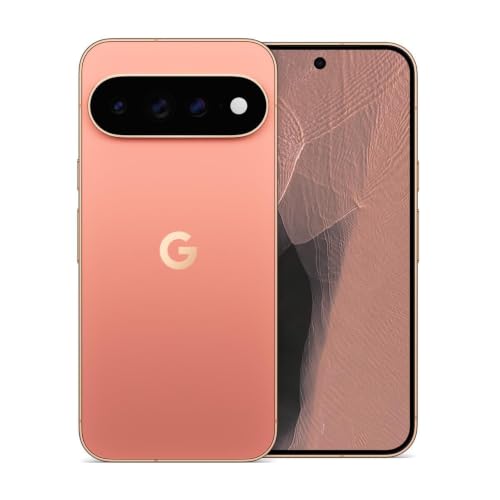
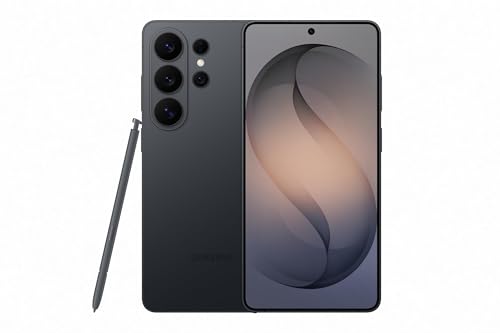
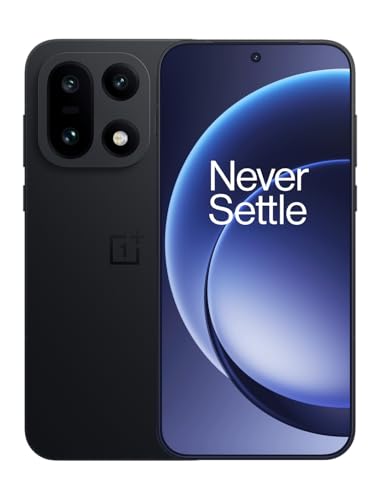

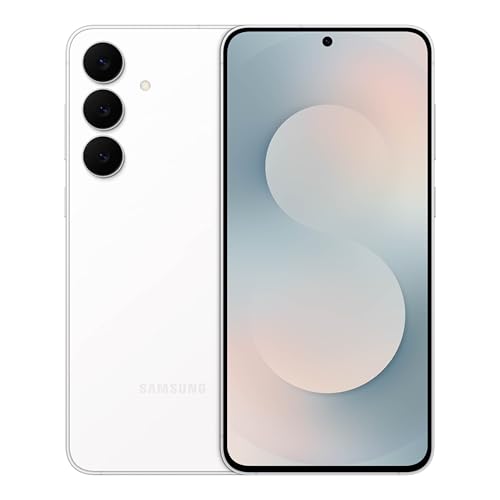

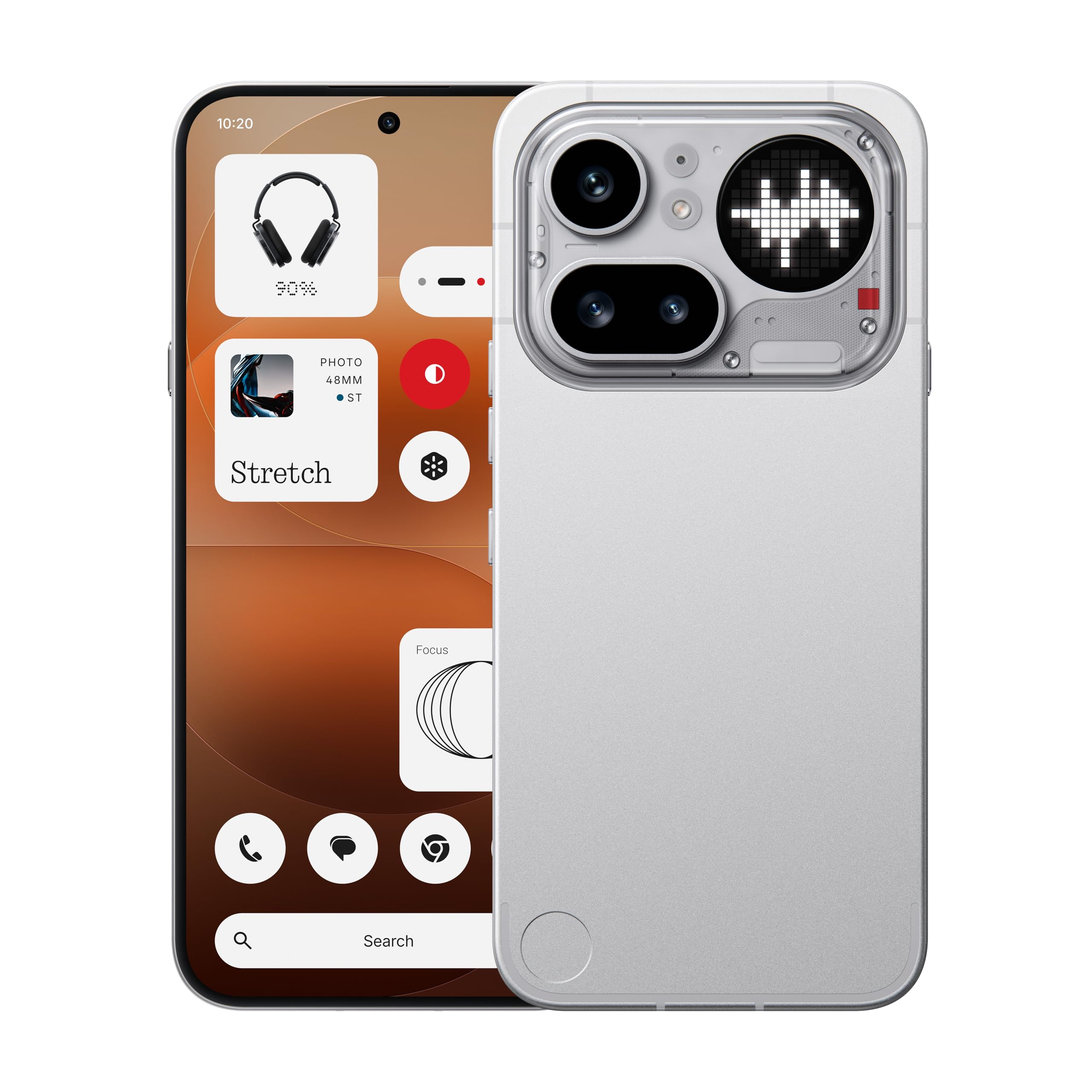


Types of Android Phones Compared: Where Each Type Shines and Falls Short
Each Android phone type makes a clear promise. Budget phones promise a low price, flagships promise the best hardware, and mid range types promise balance. Match the promise to your habits, not to the longest spec list.
Mid Range Phones: Strong Screens and Cameras, Quiet Trade Offs
Mid range phones, usually about $350 to $600, give you the balance most people need. You get a bright OLED screen, a capable camera, a full day battery and a processor that handles apps and casual games without stutter. Corners are cut in quieter places, such as a plastic frame or no wireless charging. Choose this type if you want one phone that does everything well for three or four years without flagship pricing.
Budget Phones: The Basics Covered, With Real Compromises
Budget phones, usually about $150 to $300, cover calls, messages, browsing and video at the lowest cost. The tradeoffs are real: screens are dimmer outdoors, cameras struggle after dark, storage fills fast and updates may stop early. Our guide to the best inexpensive android phones shows what a careful pick in this range should still include. Choose this type for a first phone, a spare or very light daily use.
Camera First Phones: Money Spent on Lenses, Not Speed
Camera focused phones put their budget into lenses, sensors and image processing instead of raw speed. You get a strong main camera, an ultrawide lens for groups and landscapes, and often a telephoto lens that keeps distant subjects sharp. Night mode on this type pulls detail from scenes that look flat on cheaper phones. The weak spots are price and battery drain during long video sessions. Choose this type if photos and video drive your upgrade.
Flagship Phones: Top Speed, Top Screens, Longest Support
Flagship phones, usually about $800 to $1,200, combine the fastest processors, the brightest screens and the longest update support in one device. Most add IP68 water resistance, wireless charging and premium glass or metal builds. They are the strongest type on paper, yet large sizes tire smaller hands and repairs cost far more. Choose this type if you keep a phone for four years or more or play demanding games.
Mid Range Phones vs Budget Phones: Which Should You Choose?
A mid range phone gives you a better screen, a faster processor, more storage and a longer update window. A budget phone gives you a lower price and hardware that is cheaper to replace. For most adults, the mid range type is the safer long term value.
Rankings of best and worst android phones often judge these types by specs alone, but your usage should decide. Light users who mostly call, message and browse can save half the price with a budget model. If you rely on your phone for work, photos and banking, the stronger package feels worth the cost within a year.
How to Choose the Right Android Phone for Your Needs
Compare the five factors below in order. They affect daily use far more than small differences in screen size or camera megapixels printed on a box.
Camera Lenses and Processing Beyond Megapixel Counts
A good camera system is about lens choice and processing, not megapixel counts alone. A main lens handles everyday shots, an ultrawide lens fits groups and tight rooms, and a telephoto lens keeps distant subjects clear without digital cropping. Night mode matters if you shoot indoors or after dark, because it blends several frames into one brighter image. For video, look for steady stabilization at the resolution you actually record.
Battery Capacity, Screen Drain and Fast Charging
Battery capacity is listed in mAh, and most phones fall between about 4,000 and 5,500 mAh. A larger number helps, but screen brightness and processor efficiency decide how far that charge goes. Fast charging matters when your routine leaves only short gaps near an outlet, because a brief top up can add hours of use. Wireless charging suits desks and nightstands where convenience beats speed. If you travel often, favor capacity first.
Processor and RAM for Apps, Multitasking and Games
The processor and RAM decide how smoothly a phone opens apps, switches tasks and handles games. A recent mid range chip with about 8 GB of RAM feels quick in maps, mail, photos and video calls. Demanding games reward flagship chips, and our guide to the best performing android phones compares that side of the market. A fast chip also ages better, because apps grow heavier each year.
Update Years: How Long the Phone Stays Secure
Software updates decide how long a phone stays secure and compatible with new apps. Count both parts: major Android version updates, which add features, and security updates, which patch risks. Strong support now runs about five to seven years on leading models, while many budget phones get only two or three years. A phone that stops receiving security patches should be replaced even if the hardware still works.
OLED Panels, Refresh Rate and Outdoor Brightness
An OLED display gives deep blacks and strong contrast, and it sips power with dark backgrounds. Refresh rate shapes how smooth scrolling feels: 60Hz is the basic standard, while 90Hz or 120Hz makes menus and feeds glide. Brightness matters outdoors, where a dim screen turns maps and photos into guesswork. Match the size to your hands, since a large panel is a plus for video and a minus for one handed use.
Android Phones for Specific Needs
Some buyers have a constraint that outranks every spec, such as a carrier plan or a strict budget ceiling. Start from that constraint, then apply the factors above to the phones that satisfy it.
Best to Worst Android Phones with Sprint
Ranking the best to worst android phones with sprint starts with network fit, not cameras or speed. Sprint accounts now run on a successor network, so confirm that any phone you consider supports the bands your plan uses and accepts the SIM or eSIM your account provides. An unlocked model that lists those bands gives you the most freedom, while older Sprint branded models may lack newer bands. Check activation with your carrier before you buy.
Common Mistakes to Avoid
These errors turn a good phone into a poor purchase.
- Buying on megapixels alone leaves you with weak low light photos and shaky video.
- Ignoring the update window leaves you with a phone that loses security patches early.
- Choosing storage that is too small forces constant deleting of photos and apps.
- Skipping the band check can leave you with a phone that activates poorly on your plan.
- Paying flagship prices for unused power wastes money that could cover a case or storage.
Protecting Your Android Phone From Drops, Heat and Neglect
Use a case and a screen protector from day one, because a single drop can crack a screen that costs far more to repair. Keep software updated as patches arrive, since updates fix security flaws and often improve battery behavior. Avoid charging in extreme heat, such as on a hot car dashboard, because heat ages the battery quickly.
Unplug once the charge is full instead of leaving the phone at full charge in a warm room. Clear storage before it is completely full, because a phone with no free space slows down and updates can fail. Restart the phone every week or two to clear stuck processes.
FAQ
Is a mid range Android phone good enough for everyday use?
Yes, a mid range Android phone is good enough for everyday use for most people. Calls, messages, browsing, video, maps and most games run smoothly on current mid range hardware. Plan to load your heaviest app during the return window, such as a large game or a video editor. If that task feels smooth, the rest of your routine will too.
How much storage does an Android phone need for photos and apps?
Most Android phone buyers should choose at least 128 GB of storage. Photos, apps and system files grow steadily, and video fills space far faster than still photos do. If you record video on trips or keep large games installed, 256 GB gives you breathing room. Some budget models accept a memory card for media, but apps stay on internal storage, so buy enough built in space first.
How many years of software updates should an Android phone get?
An Android phone should get at least four years of security updates, and five or more is better. Promises vary by model, not only by brand, so check the exact model page before you buy. Treat the end of security updates as your replacement deadline, even if the battery and screen still work well then.
Does an Android phone need 5G for everyday use?
An Android phone does not need 5G for everyday tasks, but 5G helps in crowded places where older networks slow down. Coverage varies street by street, so check the map for your home and workplace rather than trusting a national average. 5G can also use more battery on a weak signal, and many phones let you limit it.
Should you buy an unlocked Android phone or a carrier model?
Buy an unlocked Android phone if you value freedom to switch carriers and faster access to updates. Carrier models can cost less each month, but they may include extra carrier apps and a locked SIM until payoff. Before choosing unlocked, confirm the model supports your carrier bands and ask how activation works for your line.
Final Thoughts
Focus on the choices that shape daily use most: the type that fits your budget, the update window that keeps the phone secure, and the camera and battery that match your routine. Use the product table above to compare those points side by side.
When you judge best and worst android phones by fit instead of spec sheets, the right type stands out quickly. Pick the simplest phone that covers your needs with room to spare.