Best and Loudest Speakers 2026
Disclosure: We may earn a commission when you buy through links on this page, at no extra cost to you. As an Amazon Associate I earn from qualifying purchases. Learn more

How to choose loud speakers that stay clear at high volume: sensitivity ratings, clean power, driver size, room size, and hearing safety tips.
Choosing the best and loudest speakers means looking for clean volume, not just a big watt number, because a speaker that plays loud but distorts will tire your ears and hide detail. Check sensitivity, power, and driver size together, then match the speaker to your room, your amplifier, or your party plans.
The product table above lines up loud options so you can compare output, bass reach, and power needs. The sections below explain how to read those numbers and what separates a speaker that stays clean from one that only impresses for a few seconds.




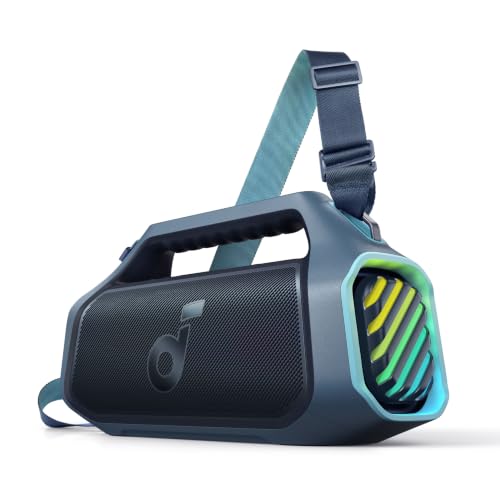
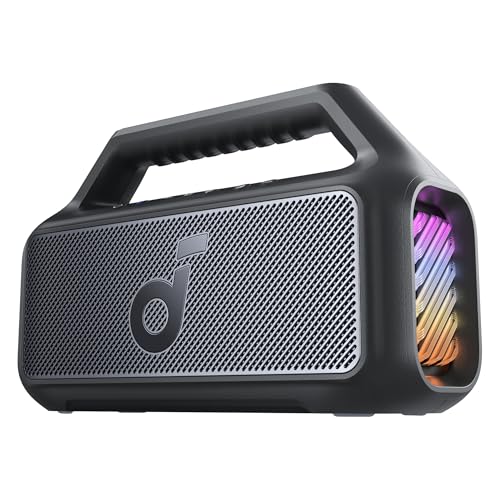
What Loud Really Means
Loudness depends on sensitivity, amplifier power, and listening distance working together. A high sensitivity speaker plays louder with less power, while a low sensitivity speaker needs a much stronger amplifier to reach the same volume. Doubling amplifier power adds only about 3 decibels, which most people perceive as a small step. Sensitivity and clean power handling matter far more than a headline watt figure on the box.
Sensitivity and Power Handling
Sensitivity tells you how loud a speaker plays with one watt measured at one meter. A gap of just 3 dB means the amplifier needs double the power to match, so compare this rating before you compare watts. Power handling tells you how much power the speaker can take without damage, but not how clean it sounds at that level. Look for a speaker that stays composed at your normal loud listening level, not only at its limit.
Driver Size and Bass at Volume
Larger drivers and cabinets move more air, which keeps bass full when you turn the volume up. Small speakers lose bass first, leaving sound thin and harsh even though the treble stays loud. If you love loud bass, plan for a subwoofer or a larger speaker. A small speaker pushed past its bass limit will distort, while a bigger design or a subwoofer shares the load and keeps the sound clean.
Room Size and Listening Distance
A speaker that fills a small room easily may sound lost in a large open plan space. Doubling your listening distance calls for far more output, so match speaker size and sensitivity to how far you sit. Hard rooms with bare floors sound louder and harsher than soft furnished rooms, and rugs, curtains, and bookshelves tame reflections so you can enjoy high volume without fatigue.
Amplifier Matching for Loud Play
An amplifier that is too weak clips at high volume, and clipping damages speakers more often than clean high power does. Choose an amplifier with enough clean headroom for your loudest listening. Check impedance too: a speaker that dips to a low impedance needs an amplifier that can deliver current into that load, or it will strain and sound compressed when pushed. Powered speakers and Bluetooth party speakers avoid this matching step because the amplifier is built in and tuned to the drivers.
Outdoor and Party Use
Outdoor listening needs far more output than indoor listening, since there are no walls to reflect sound back. Battery powered portable speakers trade maximum volume for portability, so check output and battery life at high volume, not only at moderate volume. For parties, place speakers to cover the area evenly rather than driving one unit to its limit. Two speakers at moderate volume usually sound better, and are kinder to your ears, than one pushed to distortion. Our guide to the best loudest outdoor bluetooth speakers covers that case in detail.
Hearing Safety
Very loud listening can damage hearing quickly, so take breaks, keep volume lower for long sessions, and use hearing protection at live level volumes. If speech sounds muffled or your ears ring after listening, you played too loud for too long. Follow the manufacturer's instructions and see a doctor if symptoms persist.
Related Guides Worth Reading Next
If portability matters as much as volume, compare the best portable speakers and the best mobile speakers. For wireless options at a range of sizes, see the best bt speakers, and if sound quality leads your list, read about the best sounding speakers.
Common Mistakes to Avoid
- Chasing watt numbers while ignoring sensitivity.
- Driving a small speaker beyond its bass limit instead of adding a subwoofer or choosing a larger model.
- Pairing a strong speaker with a weak amplifier that clips.
- Judging a speaker at shop volume rather than the level you really use at home.
- Ignoring return terms, which let you try the speaker at real volume.
Frequently Asked Questions
What matters more, watts or sensitivity?
Sensitivity matters more, because it tells you how loud a speaker plays with a given amount of power, while a watt rating alone says little about volume or sound quality. Compare sensitivity first, then check power handling.
Can a small speaker play really loud?
A small speaker can play loud in a small room, but it usually loses bass and distorts sooner than a larger speaker when pushed hard. For sustained loud listening in a larger space, choose a larger speaker or add a subwoofer.
Will a bigger amplifier damage my speakers?
A clean, powerful amplifier is usually safer than a weak one, because a weak amplifier clips at high volume and clipping damages drivers. Match amplifier power to the speaker rating with headroom for peaks, and turn down if the sound turns harsh.
How loud is safe for long listening?
Keep everyday listening at a level where you can still hear a normal conversation nearby, and take breaks during loud sessions. If your ears ring or speech sounds muffled afterwards, reduce the volume next time and use protection at live level volumes.
Do I need a subwoofer for loud music?
A subwoofer helps a lot, because it handles deep bass and frees the main speakers to play cleaner in the midrange and treble. Choose one that blends smoothly with your speakers rather than one that only booms.
Final Thoughts
Start with sensitivity and room size, then choose a speaker, and an amplifier if needed, that stays clean at your loudest level. Compare the picks in the product table above and protect your hearing during long sessions. The best and loudest speakers are the ones that sound full and clear at the volume you actually enjoy.