
Best 5G Android Phones: A Buyer Checklist for 2026
Disclosure: We may earn a commission when you buy through links on this page, at no extra cost to you. As an Amazon Associate I earn from qualifying purchases. Learn more

A buyer checklist for the best 5g android phones: carrier bands, update support, processor, battery and storage.
Phone listings bury the few specs that decide whether a handset still feels good in three years under a pile of camera slogans. This guide works as a buyer checklist instead: it takes the best 5g android phones apart into the checks that matter, from carrier bands to update promises, so you can score any listing in a few minutes. Work through each item in order, because the first checks can rule a phone out before price even enters the picture.
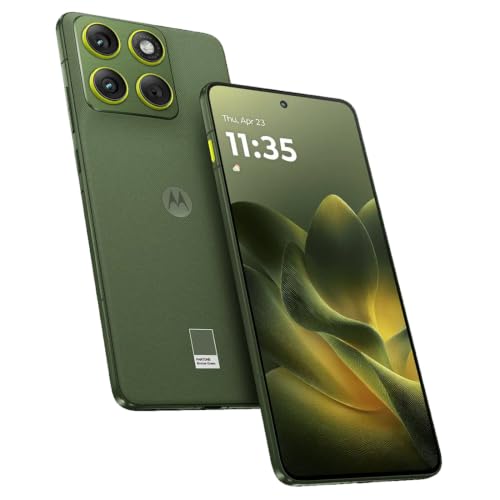
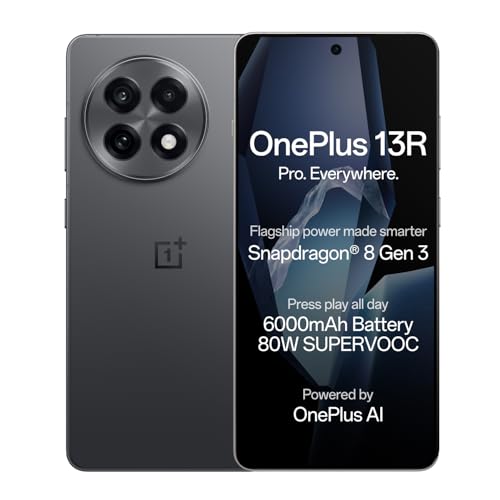
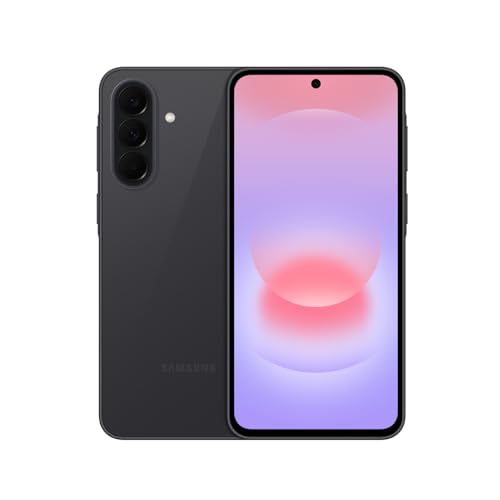
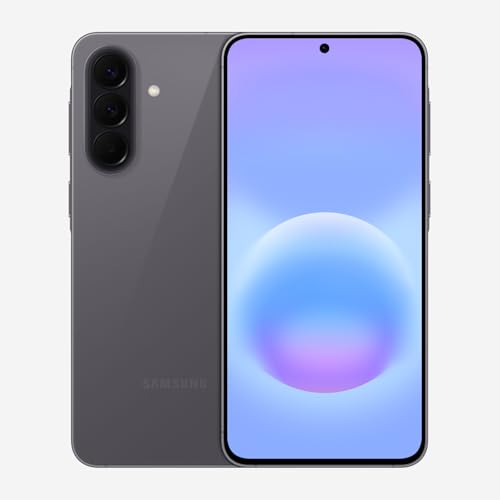
Nothing here needs special knowledge: each section explains what the spec means, where the healthy range sits, and what should make you walk away. The comparison table below gathers current models in one place, ready for the same checklist.






The Checklist That Matters
5G Bands and Carrier Match
Start here, before display, cameras, or price. A 5G band is a slice of radio spectrum, and a phone only connects where its band list matches the bands your carrier actually runs in your area, so read the band list on the spec sheet and compare it with the carrier list for your plan. An imported or carrier specific variant can carry the right name and the wrong radios, and low band 5G travels far while mid band carries most city speed and millimeter wave is fast but rare and short ranged. A phone missing your local mid band will feel like a 4G phone no matter what the box promises.
Software Updates and Support Window
The update promise governs how long the phone stays safe and useful, so treat it as a headline spec rather than fine print. Count two things: how many years of system upgrades the maker pledges, and how many years of security patches follow them. Strong current offers run about five to seven years of combined support, while thin offers stop after two or three, and a phone bought near the end of its window is a worse buy than its discount suggests since banking and work apps drop old systems first. Prefer the longer window whenever two phones sit at the same price.
Processor and Everyday Performance
The processor governs how fast apps open, how smoothly games hold their frame rate, and how long the battery lasts doing it, because an efficient chip finishes tasks and returns to idle sooner. You do not need the flagship tier for everyday work: a recent mid range chip handles messaging, maps, video, and most games without complaint. Where the chip class shows is longevity, since a stronger processor keeps a phone responsive through years of heavier apps. Shoppers chasing the quickest handsets can compare guides to best performing android phones, but balance speed against the update window above.
Display Size and Quality
Most buyers land happily on a screen of about 6 to 7 inches, big enough for video and maps without turning the phone into a two handed tool, and panel type matters more than size since an OLED screen gives deeper blacks and better battery behavior on dark themes than a plain LCD. A refresh rate of 90Hz or 120Hz makes scrolling and animation look smoother, and outdoor brightness decides whether the map stays readable at noon. None of these numbers helps if the phone is uncomfortable to hold, so weigh width and weight alongside the glossy figures.
Battery Life and Charging Speed
Battery capacity of about 4,500 to 5,000 mAh is the normal healthy range for this class, and it should carry a typical user through a full day. Charging speed is quoted in watts: higher wattage refills a flat battery faster, which matters more to most people than a small capacity edge. Wireless charging adds desk and car convenience, while reverse wireless charging is a rare bonus rather than a need. Treat maker endurance claims as best case figures, since brightness, signal strength, and 5G use move the real result a long way.
Storage Options
Storage fills up quietly and cannot be fixed later on phones without a card slot, so buy for the next three years, not for this month. About 128GB suits light users who stream music and video, while 256GB is the safer floor for anyone who shoots much video or keeps large games installed. Check whether a microSD slot exists before counting on cheap expansion, because many current models have dropped it.
Build, Durability, and Water Resistance
An ingress rating such as IP68 means the phone survived dust and fresh water immersion tests under controlled conditions, and it is worth having for rain, sinks, and beach bags. It is not a license to swim with the phone, since seals age and salt water and steam attack them faster. Screen glass branding matters less than a case and a screen protector from day one, and glass backs enable wireless charging but crack more readily than plastic ones, a fair trade to choose knowingly.
What Your Money Gets You
Phones in the product table above sort into three broad bands, and knowing what each band buys keeps the checklist honest. Entry level models at about $200 to $350 cover the essentials, though update windows shrink and cameras soften in low light, and roundups of best inexpensive android phones show how far that money stretches when the basics are chosen well. The mid range at about $350 to $600 is where most buyers should shop, since band support, OLED screens, and five year update pledges all appear here, while flagship models at about $700 to $1,200 add the strongest chips, the best cameras, and the longest support. Shoppers who do not need the Android app ecosystem at all can also weigh the wider field of best 5g phones before deciding.
Quick Buyer Checklist
- Does the band list match my carrier and my area?
- Are at least five years of updates promised in writing?
- Is the storage 256GB, or 128GB with a card slot?
- Does the battery reach about 4,500 mAh or more?
- Is the screen an OLED panel with 90Hz or better?
- Does the phone carry an IP67 or IP68 rating?
- Is it unlocked, or locked to a carrier I plan to keep?
- Does the price sit inside one clear band with no upsell pressure?
Red Flags to Watch For
Some listings fail the checklist in ways that only show after the return window closes. Walk away from a phone whose seller cannot state the exact band list, since vague network claims usually hide an imported variant with missing bands, and be wary of update promises absent from the maker support page. Short warranties, missing ingress ratings on phones that advertise toughness, and storage described without a number are all signs of a listing built to confuse. Finally, treat prices far below every other seller as a warning, not a bargain.
Setup and Care Tips
Once the phone arrives, a case and a screen protector go on before the first outing, and the initial setup should include transferring accounts with two factor codes ready, since a locked out account ruins more first days than any spec does. Keep the system updated, restart the phone every week or two, and avoid charging in extreme heat, which ages the battery faster than daily use does.
5g Android Phones: Your Questions Answered
Does 5G drain the battery faster on an android phone?
It can, especially where the signal is weak and the phone keeps hunting between 4G and 5G. Radios work harder at the edge of coverage, so a fringe area commute can cost real endurance compared with a strong signal city route. Most phones let you limit the connection to 4G in settings, a sensible step for a long day away from a charger. As coverage thickens, this penalty keeps shrinking.
Should I buy an unlocked 5g android phone or a carrier model?
An unlocked phone gives you freedom to change carriers, travel with local SIM cards, and sell the handset more easily later. A carrier model can be cheaper through monthly deals, but the savings usually arrive as bill credits spread over two or three years, and the phone may stay locked until the balance clears. If you might move or switch plans, unlocked is the safer default, though a certain carrier and a genuinely lower credit total can justify the carrier route.
How much RAM does a 5g android phone need?
About 8GB of RAM is the comfortable floor for a phone you plan to keep for several years, and 12GB gives heavy multitaskers and gamers extra headroom. Below that, apps reload more often when you switch between them, which feels like slowness even when the processor is fine. RAM is cheap for makers to add and impossible for you to upgrade, so it deserves a place on the checklist.
Can a 5g android phone replace a home internet connection?
For light use in a strong signal area, tethering a laptop to the phone can cover browsing, email, and video calls surprisingly well. The limits arrive with data caps, since many plans throttle hotspot traffic long before the phone data itself runs out, and a household of simultaneous users will strain one radio. Treat the phone as an excellent backup and travel connection, while a home that streams, games, and works online all day still belongs on a fixed line.
When is the smartest time to buy a 5g android phone?
Prices drop in a predictable rhythm around new model announcements, when the outgoing generation is discounted while its update window still has years to run. Holiday sale periods bring a second wave of cuts, and carrier trade in offers can beat both if your current phone is recent. The trap is buying a heavily discounted model whose support ends within a year or two, so check the remaining update window first and then chase the discount.
The Bottom Line
Run every candidate through the same three gates: the band list must match your carrier, the update promise must stretch at least five years, and the chip and storage must fit how you actually use a phone. The best 5g android phones for you are the ones that pass those gates inside your price band, not the ones with the loudest camera claims. Score the models in the product table above against this checklist, and the right choice names itself.


