
Best 50 Inch TVs 2026: A First Time Buyer Guide
Disclosure: We may earn a commission when you buy through links on this page, at no extra cost to you. As an Amazon Associate I earn from qualifying purchases. Learn more
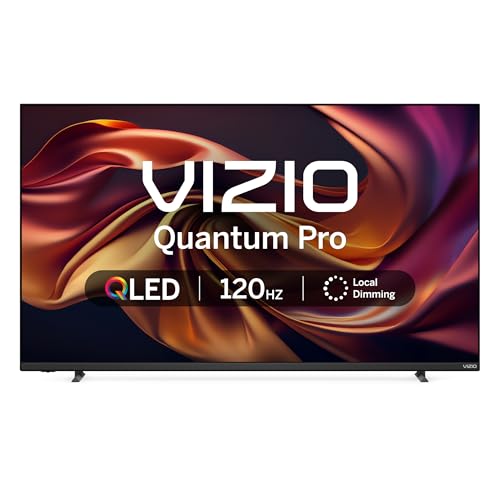
Learn how screen size, panel type, and viewing distance affect 50 inch TVs, plus which ports, sound, and smart features matter for your living room.
Shopping for best 50 inch tvs is simpler than it looks once you know your room size and viewing distance. A 50 inch screen suits many living rooms and bedrooms without dominating the wall. The comparison table below outlines the main screen types so you can compare them at a glance.
Screen size is only the starting point. Panel type affects contrast and viewing angles, resolution shapes sharpness, and the smart platform decides how easily you reach your shows. Sound quality also varies widely, and many buyers add a soundbar later.

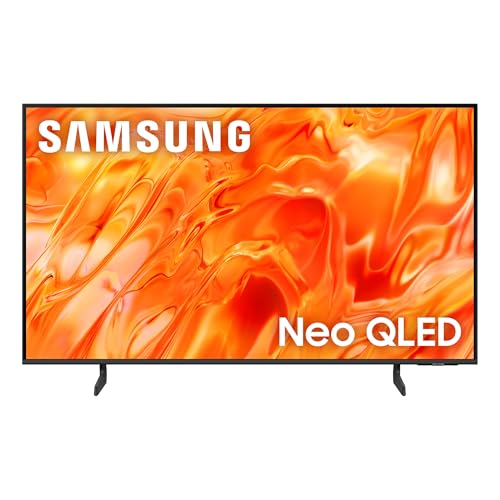

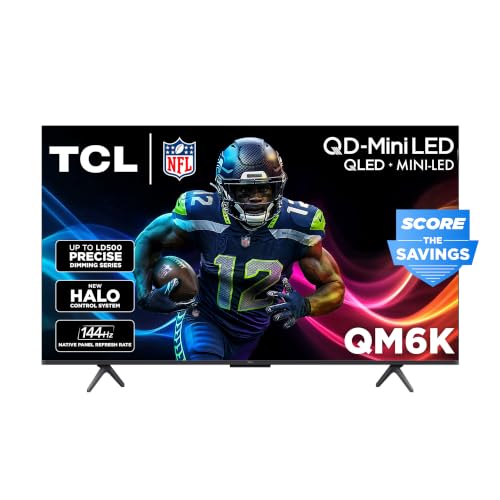


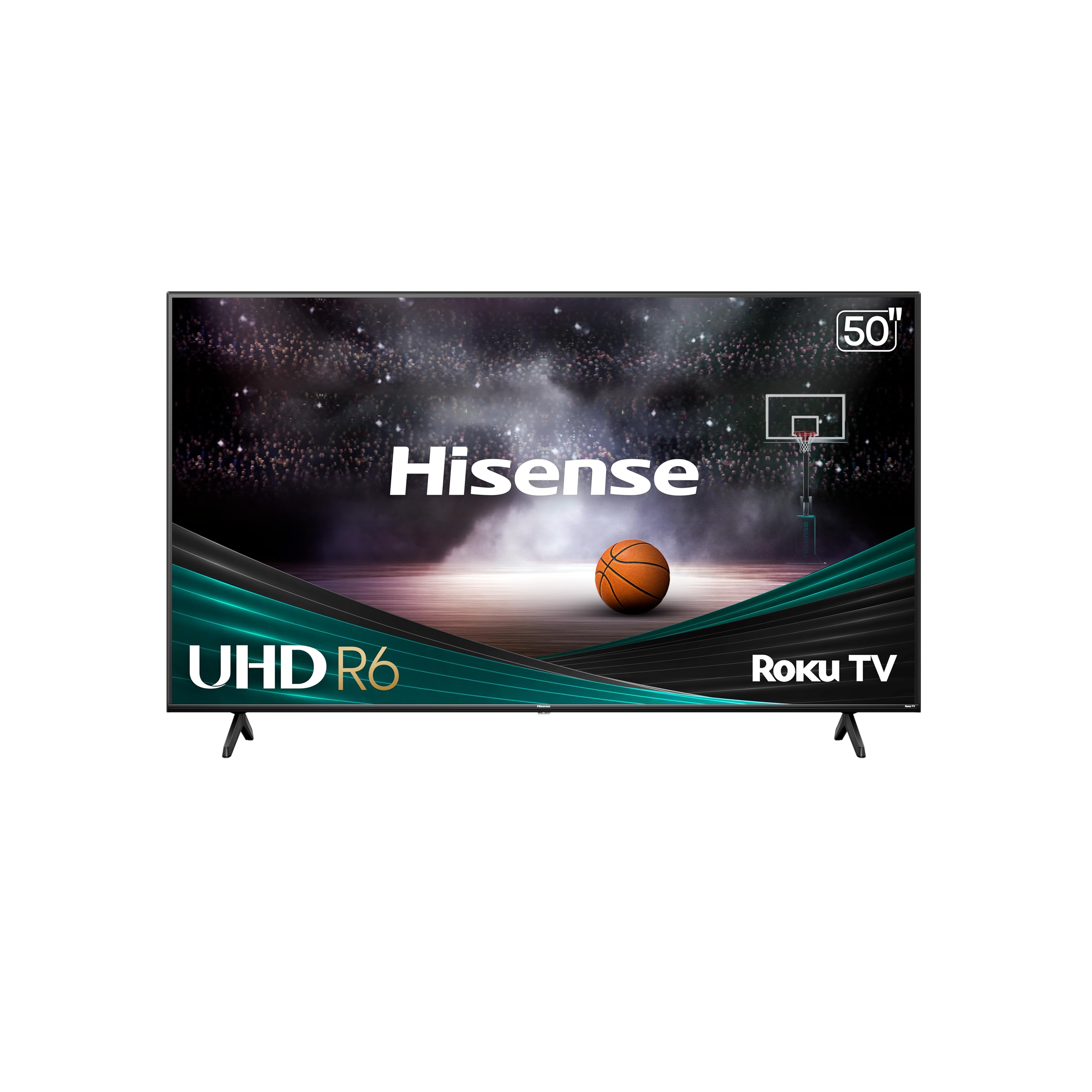
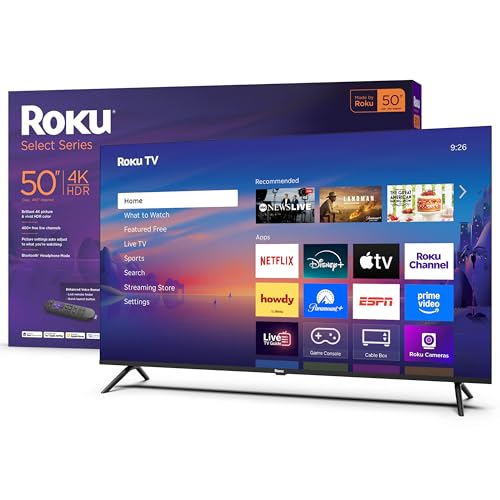
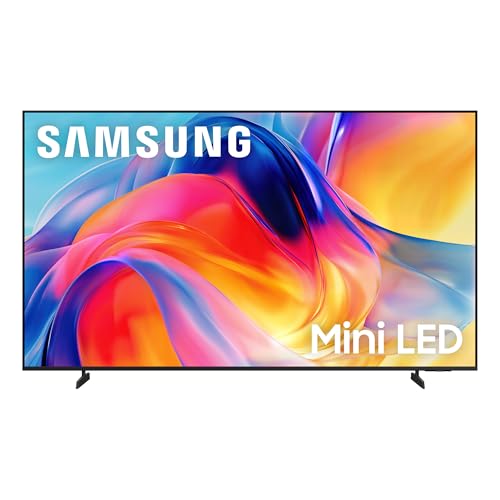
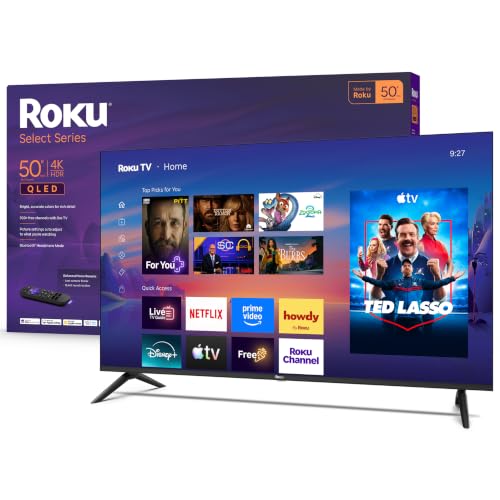
Measure your seating distance before you shop. Sit too close and the picture can feel overwhelming, sit too far and small text looks soft. A 50 inch screen works well for typical sofa distances in medium rooms, which is why it remains a popular choice.
50 Inch TV Basics for First Time Buyers
Most 50 inch TVs today use 4K resolution, which packs four times the pixels of older HD screens. At normal sofa distances, 4K looks sharp for movies, sport, and games. Higher refresh rates smooth fast motion, which matters for sport and gaming but matters less for news and drama.
Panel type shapes the picture more than brand names do. Standard LED panels are bright and affordable, while advanced panels offer deeper blacks and wider viewing angles. If people watch from the side often, viewing angle deserves extra weight in your choice. If the room is bright, peak brightness matters more.
Specs Explained in Plain English
Resolution and Picture Sharpness
Resolution counts pixels on screen. A 4K panel shows fine detail in nature shows and text, while upscaling improves older content. Do not judge sharpness from a bright store display alone, since store lighting and demo clips flatter every screen. Check how the TV handles your usual content at home lighting levels.
Panel Type and Viewing Angle
Panel type decides contrast, color, and how the picture holds up from the side. Some panels keep colors steady across a wide sofa, while others fade when viewed off center. If your seating spreads wide, test the picture from side seats. If you sit straight ahead, contrast and black depth may matter more.
Brightness for Your Room
Bright rooms need brighter screens to fight glare. A TV that looks vivid in a dim store may look washed out near a sunny window. Matte screens and anti glare coatings help, as does placing the TV away from direct window light. Check brightness ratings only as a rough guide, since makers measure them differently.
Smart Platform and Apps
The smart platform controls menus, apps, and voice search. Most platforms carry major streaming apps, but layouts and speed differ. If you already use a streaming stick or game console, the built in platform matters less. If you want one remote for everything, test the menu speed and app layout before you buy.
Ports, Sound, and Gaming
Count the HDMI ports you need for consoles, players, and soundbars, and check for the audio return channel that simplifies soundbar setup. Built in speakers suit casual viewing, but movies and games sound fuller through a soundbar. Gamers should also check input lag and variable refresh support for smoother play.
Mistakes First Time Buyers Make
These errors are easy to avoid with a tape measure and a quick port count.
- Buying the largest screen that fits the wall instead of the size that suits seating distance.
- Judging picture quality only under bright store lights, which hide glare and black level issues.
- Forgetting to count HDMI devices, then needing a switch box after setup.
- Assuming built in speakers will satisfy movie nights, then facing thin sound at home.
Checklist Before You Order
Measure seating distance and wall space, then confirm the screen size fits both. List your HDMI devices and check port count and placement. Test viewing angles if seating spreads wide, and decide whether a soundbar fits the budget. A TV that passes those checks will suit daily viewing far better than one chosen on screen size alone.
Making the Final Choice
Price tiers for 50 inch TVs reflect panel quality, processing, and smart features more than size. Budget models handle everyday viewing well, especially in dim rooms with straight on seating. Mid range models add better contrast, brighter panels, and faster menus that show during sport and movies. Premium models at this size are rarer and suit buyers who value wide viewing angles or advanced gaming features. Spend up only when your room or viewing habits reveal a real weakness in cheaper models.
Before ordering, test the TV in conditions like your home if possible. Store lighting flatters every screen, so ask about picture settings for home use and check viewing angles from side seats. Measure stand width against your furniture, since feet placement varies and a too wide stand forces a new unit. Confirm delivery, wall mount compatibility, and return rules for dead pixels or damage. A careful pre purchase check avoids the hassle of repacking a large screen.
Sound and accessories deserve part of the budget. A basic soundbar improves dialogue clarity more than a panel upgrade for many viewers. A streaming stick can fix a slow smart platform cheaply, while a good HDMI cable set avoids connection headaches. Plan cable management too, since visible cables spoil a clean setup. Spending a little on sound and setup often lifts daily satisfaction more than chasing the brightest panel.
Think about how long you will keep the TV. Most buyers keep a set for five to eight years, so future content matters. A 4K panel with modern HDR support and enough HDMI ports will age better than a bare bones model. Gaming households should weigh refresh rate and variable refresh support, since consoles evolve faster than broadcast standards. Buying with a five year horizon prevents early regret when new devices arrive.
Finally, match the TV to your household viewing mix. News and drama viewers need little more than a clear, well sized screen. Sport fans benefit from motion handling and brightness, while gamers need low lag and good ports. Families with wide seating need viewing angles most. When the TV fits the dominant use, minor spec gaps fade and daily viewing feels right.
Related Guides
For a closer look at a nearby choice, see our guide to best 50 inch smart tvs and compare how its focus differs from the option described here.
For a closer look at a nearby choice, see our guide to best tvs of all time and compare how its focus differs from the option described here.
For a closer look at a nearby choice, see our guide to best samsung 50 inch tvs and compare how its focus differs from the option described here.
For a closer look at a nearby choice, see our guide to best 50 inch tvs for gaming and compare how its focus differs from the option described here.
For a closer look at a nearby choice, see our guide to best tvs under 50 inches and compare how its focus differs from the option described here.
Frequently Asked Questions
What viewing distance suits a 50 inch TV?
A 50 inch screen suits many sofas placed about 1.5 to 2.5 meters away. Closer seating makes the picture feel large and can reveal pixels on low quality content. Farther seating still works well, but small on screen text may look softer than on a larger screen.
Is 4K worth it on a 50 inch screen?
Yes for most buyers, since 4K content is now common and prices have fallen. The extra detail shows most in nature, sport, and close up scenes. Even older content often looks cleaner thanks to upscaling, though the gain is smaller than on a much larger screen.
Do I need a soundbar with a 50 inch TV?
Built in speakers handle news and casual shows fine. Movies, sport, and games benefit from a soundbar, which adds clearer dialogue and fuller sound. If dialogue often sounds muffled, a soundbar is usually a better fix than replacing the TV.
How many HDMI ports do I need?
Count every device you plan to connect, including consoles, players, and soundbars, then add one spare. Three or four ports suit most living rooms. Check port placement too, since side ports are easier to reach when the TV sits close to a wall.
What is the difference between LED and advanced panels?
LED panels use a backlight behind liquid crystal pixels and offer good brightness for the price. Advanced panels improve contrast and viewing angles, often at higher cost. Your room light and seating layout decide which trade off matters more for daily viewing.
Final Thoughts
A good choice among best 50 inch tvs balances room size, seating distance, panel quality, and the ports you truly need. Use the product table above to compare screen types, then measure before you order. The right screen should feel natural from your sofa, not impressive only in a store.


