
Best 50 Inch Smart TVs: Types Compared and How to Choose for 2026
Disclosure: We may earn a commission when you buy through links on this page, at no extra cost to you. As an Amazon Associate I earn from qualifying purchases. Learn more

Compare 50 inch smart tvs by panel type, picture quality, sound and smart platform, and learn how to choose one for a family living room.
Choosing best 50 inch smart tvs suits many family living rooms, since this size balances immersion with room fit. A 50 inch screen viewed from seven to ten feet fills the view comfortably without dominating a medium room. The comparison table below sets out the main 50 inch types side by side.
This guide compares panel types, picture features, sound, and smart platforms in plain terms. Start with seating distance and room light, then narrow by picture priorities and household use.

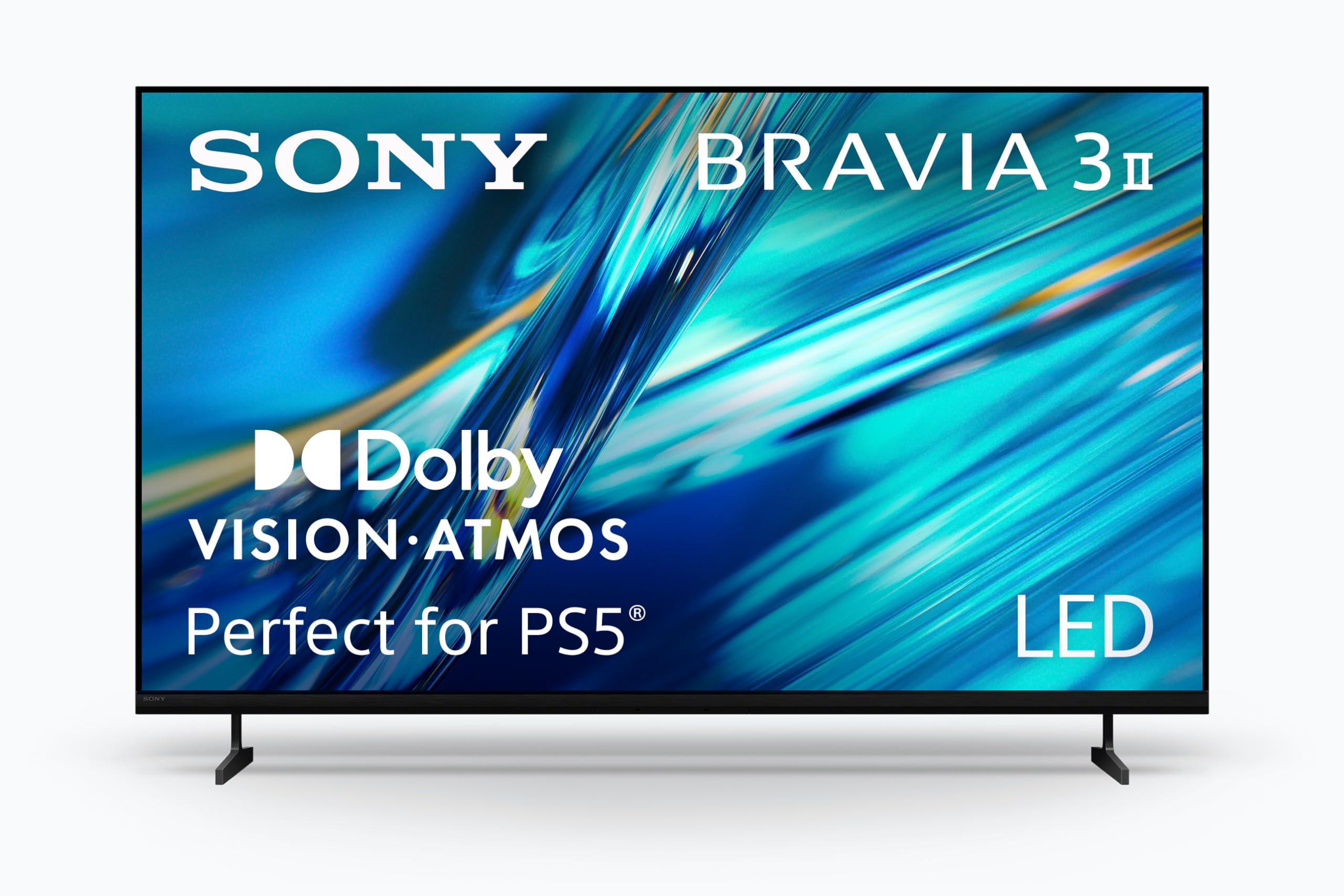
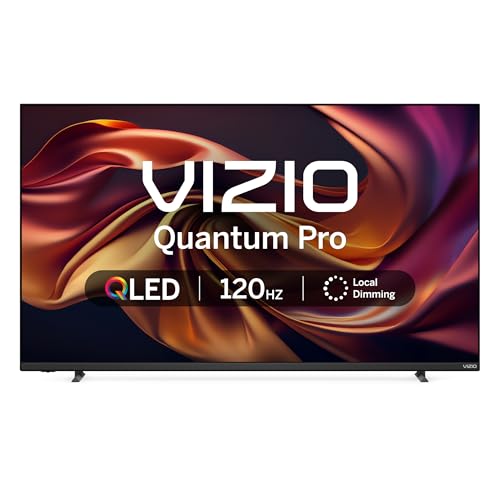
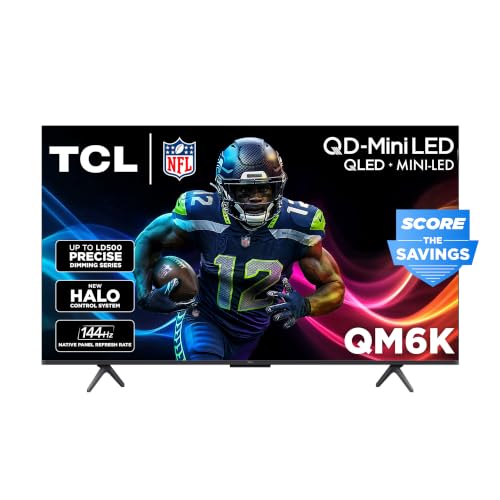


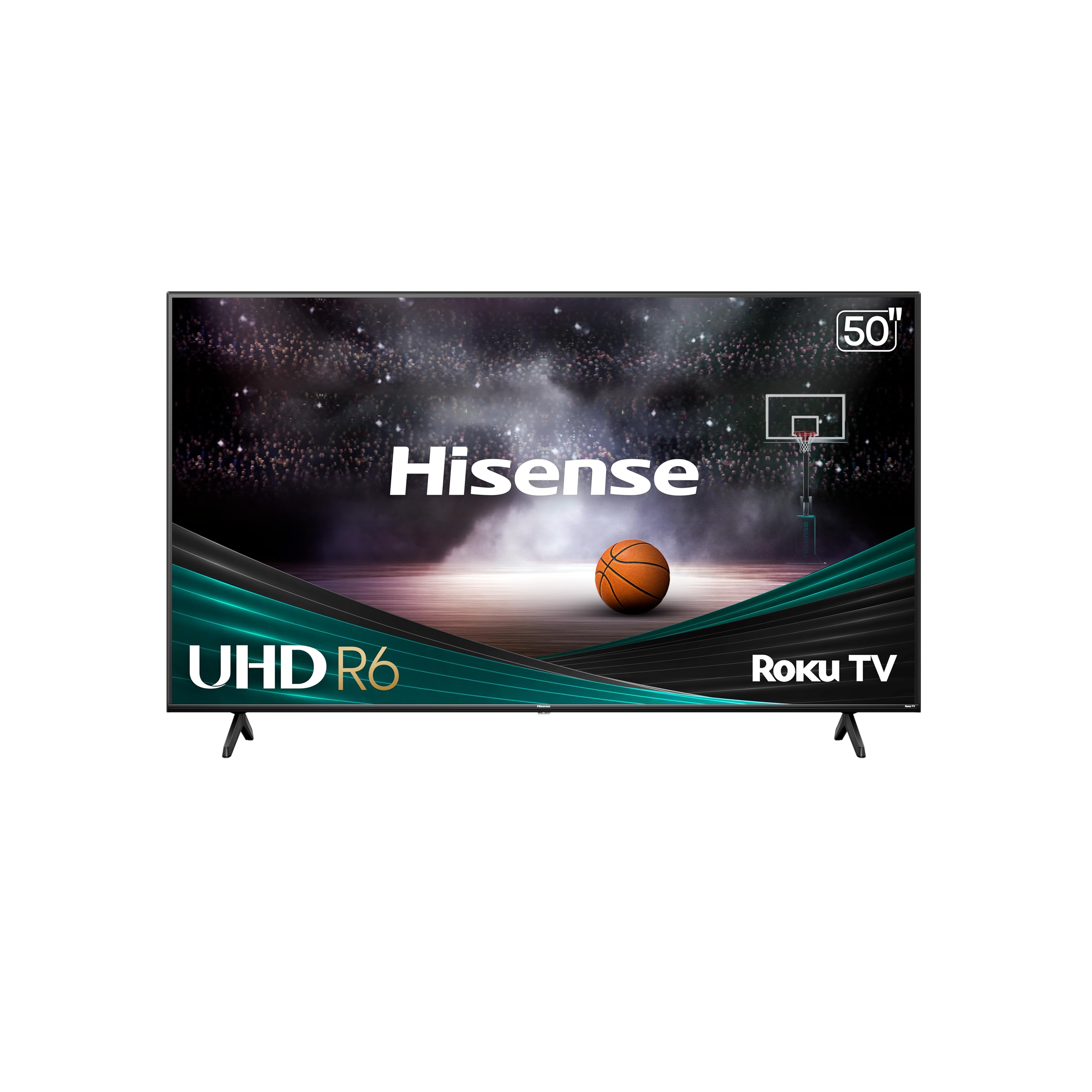
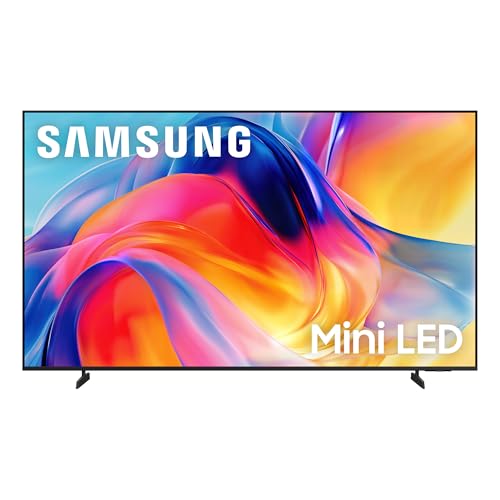
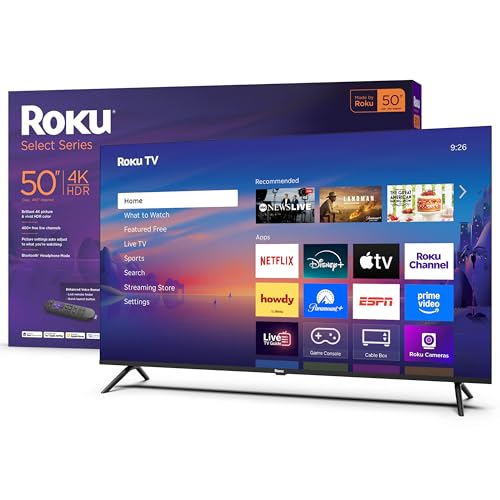
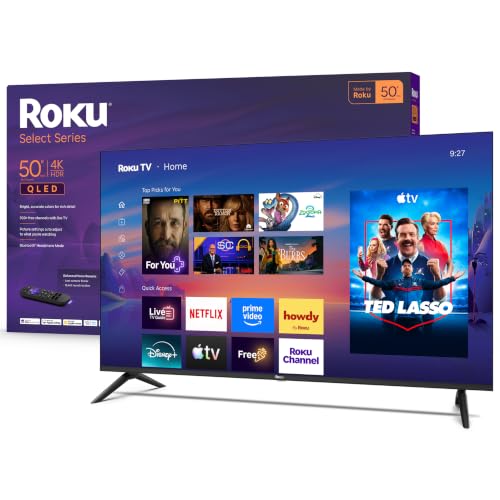


Panel types: LED, QLED, and OLED basics
LED televisions use a backlight behind a liquid crystal panel, offering good brightness and value. They suit bright living rooms and varied viewing, though dark scenes may look gray compared with higher end panels. Most family televisions use LED technology.
QLED televisions add a quantum dot layer for richer colors and higher brightness, suiting bright rooms and colorful content. OLED televisions use self lit pixels for deep blacks and wide viewing angles, suiting dark rooms and film lovers. OLED costs more and needs care against static images, but picture quality impresses many viewers.
Picture quality: brightness, contrast, and color
Brightness matters in bright rooms with windows, since a dim screen washes out. Contrast matters in dark rooms, where deep blacks make films feel cinematic. Colour accuracy matters for natural skin tones and landscapes, more than oversaturated vivid modes suggest.
High dynamic range improves bright highlights and dark detail together, provided content supports it. Test picture quality on familiar films and sports, not just shop demo reels. Turn off motion smoothing if it makes films look unnaturally smooth.
Smart platforms, apps, and voice control
Smart platforms differ in app availability, menu speed, and voice assistant support. Check that your must have streaming apps, catch up services, and casting options are present. A slow menu frustrates daily use, even on a beautiful screen.
Voice control helps search and volume, especially for children and older viewers. Privacy settings matter, since voice assistants and viewing data raise concerns for some households. Review privacy controls during setup and disable features you do not use.
Sound, soundbars, and dialogue clarity
Built in speakers on slim televisions sound thin, especially for dialogue in action films. A soundbar improves clarity dramatically and suits family living rooms without complex wiring. Look for dialogue modes and simple volume control that children and guests understand.
Consider room acoustics too, since hard floors and bare walls echo. Soft furnishings, rugs, and curtains improve sound more cheaply than speaker upgrades alone. Test sound at family viewing volume, not at shop volume.
Gaming, sports, and family use
Gaming needs low input lag and a suitable refresh rate, especially for fast action games. Sports need good motion handling to keep balls and players sharp during fast pans. Family use needs wide viewing angles, since viewers sit across a sofa, not just in the center.
Check HDMI ports for consoles, soundbars, and streaming devices, plus support for gaming features if relevant. A television that suits films may lag for gaming, so prioritize your household main use. Children profiles and parental controls help manage content access.
Placement, mounting, and budget tiers
Place a 50 inch television at eye level from the main sofa, away from direct window glare. Wall mounting saves floor space and improves viewing height, while a stand suits renters. Measure stand width against furniture, since feet placement varies widely.
In the lower price range, LED models offer solid brightness and smart features for family viewing. In the higher price range, QLED and OLED models offer richer color, deeper blacks, and faster interfaces. Spend first on size fit and sound, since those affect every viewing session.
Related guides worth a look
The guides below cover close alternatives and companion choices. Read the one that matches your next decision, then return to the checklist in this guide before you buy.
50 inch televisions without smart focus appear in best 50 inch tvs.
Highly regarded televisions across sizes appear in best tvs of all time.
A step up in size for larger rooms appears in best 55 inch smart tvs.
Smaller smart televisions for bedrooms appear in best 32 inch smart tvs.
Mid size smart televisions for small living rooms appear in best 40 inch smart tvs.
Common mistakes to avoid
Many buyers choose a 50 inch television for a room that is too large or too small, then regret size daily. Measure sofa distance and wall space first, since seven to ten feet suits this size best. Smaller rooms feel dominated, while larger rooms make the screen feel distant, so size fit deserves priority over panel prestige.
Another mistake is trusting vivid shop settings, which oversaturate colors and hide motion problems. Test familiar films and sports at home settings, turn off motion smoothing if faces look unnatural, and check dark scenes for detail. Home picture quality differs greatly from shop demo quality.
Finally, households often ignore sound, then struggle with muffled dialogue during films. Built in speakers on slim televisions sound thin, so budget for a compact soundbar with a dialogue mode. Clear speech transforms family viewing more than a marginal picture upgrade, especially for older viewers.
A simple buying checklist
Begin your checklist with seating distance, room light, and main use, whether films, sports, gaming, or family viewing. Bright rooms need brightness, dark rooms benefit from contrast, and gaming needs low lag. These priorities narrow panel type quickly, from LED to QLED to OLED.
Next, confirm smart platform apps, voice control, and parental controls for your household. Check must have streaming apps, cast options, and children profiles before buying, since platform differences frustrate daily use. Review privacy settings during setup and disable unused features.
Finally, count HDMI ports and plan placement, including stand width, wall mounting, and cable access. Measure furniture against television feet, since foot spacing varies widely. Place the screen at eye level from the sofa, away from direct window glare, for comfortable long sessions.
Before you decide
Test a 50 inch television in your living room during the return window, watching familiar films, sports, and news at normal volume and lighting. Note viewing angles from sofa ends, dialogue clarity, and smart menu responsiveness. Checking at home matters far more than shop demo impressions.
Set up children profiles and parental controls during initial installation, before children use the television unsupervised. Review maturity ratings, app access, and viewing time limits together as a household. Early setup prevents later arguments and protects younger viewers.
Plan sound and seating together, adding soft furnishings or a compact soundbar if dialogue sounds thin. Rugs, curtains, and cushions improve acoustics cheaply, while a soundbar clarifies speech dramatically. Comfortable seating at the correct distance completes the viewing experience.
Keep a note of HDMI inputs, settings, and remote shortcuts, since family members and guests benefit from clear guidance. Label devices, save picture settings for films and sports separately if possible, and update software regularly. Organised setup makes family viewing effortless.
Finally, test subtitles and audio description options during setup, since family members have different needs. Check subtitle size in both television and app settings, and confirm audio description availability for favorite programs. Accessible settings make family viewing enjoyable for everyone, not just the majority.
Frequently asked questions
What viewing distance suits a 50 inch television?
A 50 inch television suits viewing distances of about seven to ten feet, typical for medium living rooms. Closer seating makes the screen feel immersive but may reveal pixels on lower resolution content. Measure sofa distance first, then confirm the screen does not dominate the wall.
Is OLED worth it over QLED at 50 inches?
OLED offers deeper blacks and wider viewing angles, suiting dark rooms and film lovers, while QLED offers higher brightness and richer color for bright rooms. Choose OLED for cinema style dark room viewing, and QLED for bright family rooms with windows. Both outperform basic LED models.
Do smart televisions need internet?
Smart televisions need internet for streaming apps, updates, and voice features, though they still show broadcast and HDMI sources without it. A stable WiFi connection or wired connection improves streaming quality. Keep software updated for app compatibility and security.
Should I buy a soundbar with a 50 inch television?
A soundbar greatly improves dialogue clarity and film sound on slim televisions, and it suits most family living rooms without complex setup. Choose a compact soundbar with a dialogue mode rather than a large system, unless you want full surround sound.
How many HDMI ports do I need?
Most households need three or four HDMI ports for a console, soundbar, streaming stick, and set top box. Count current devices plus one spare for future additions. Check port locations for wall mounting, since side ports are easier to reach.
Final thoughts
Match panel type to room light, sound to family dialogue needs, and smart platform to apps your household actually uses. The product table above compares the main 50 inch types.
A balanced choice for best 50 inch smart tvs should look great in your room light, sound clear at family volume, and stay easy for everyone to use.


