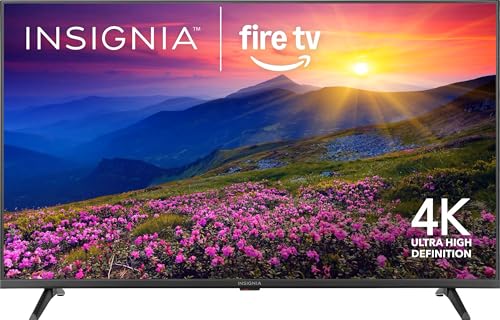
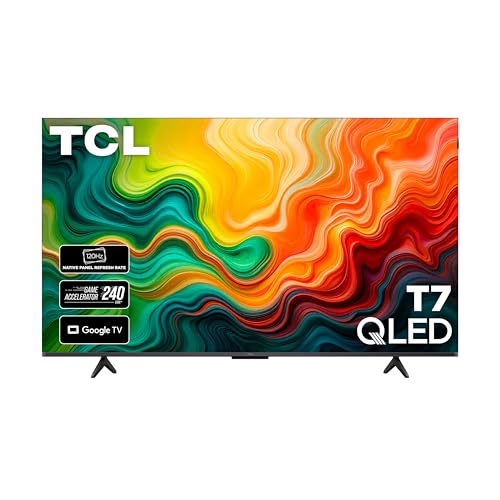
Best 4K TVs under 50 Inches: Matching the Right Model to Your Routine for 2026
Disclosure: We may earn a commission when you buy through links on this page, at no extra cost to you. As an Amazon Associate I earn from qualifying purchases. Learn more
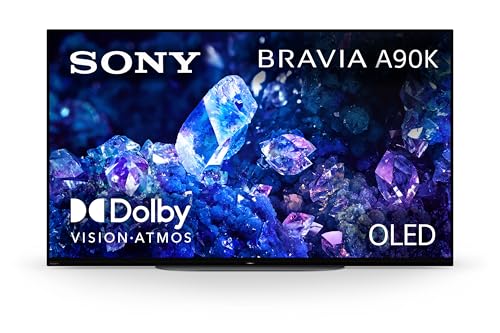
Panel types, ports, sound and sizing explained to help you choose the best 4k tvs under 50 inches.
There is no single model that suits every room and every routine, and that is actually good news. Once you know how you watch, work, and play, choosing among the best 4k tvs under 50 inches becomes much simpler. A TV for late night movies needs different strengths than one for fast games or daily video calls.
This guide sorts the choice by use first, then by the features that matter for that use. Use the comparison table below to see sizes and key specs side by side, then read the sections that match your habits most closely.


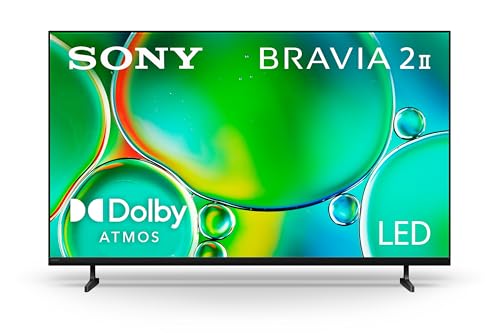
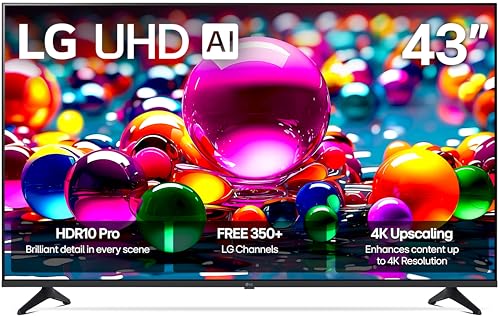

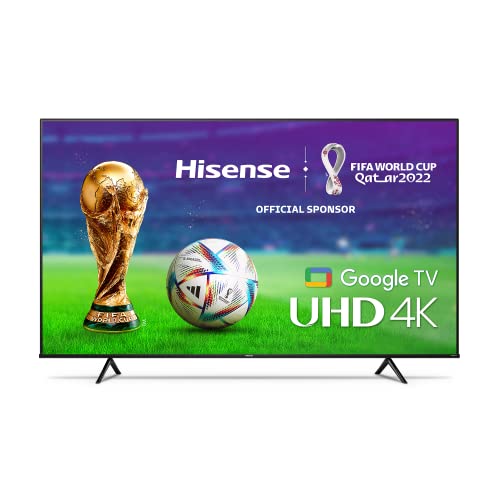
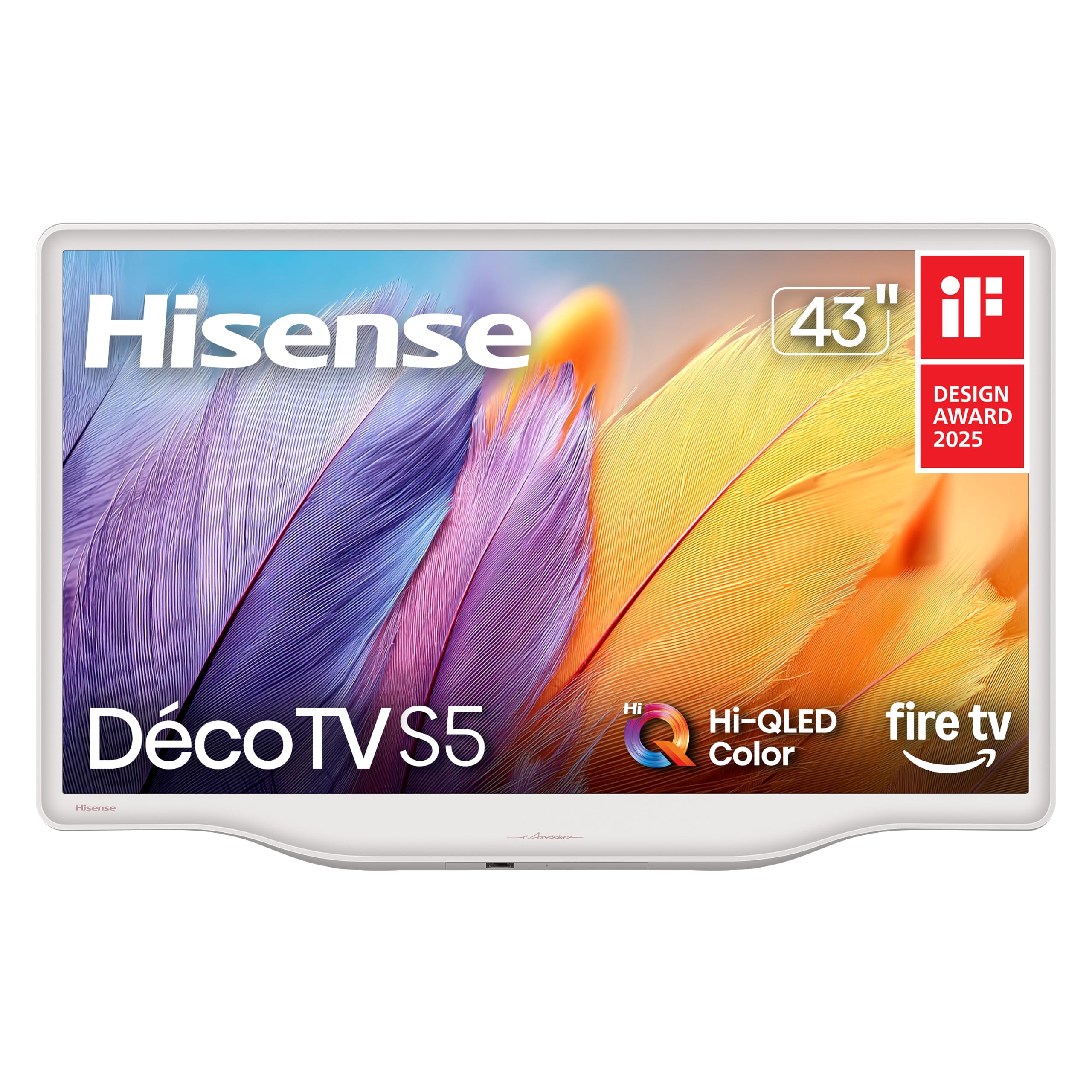

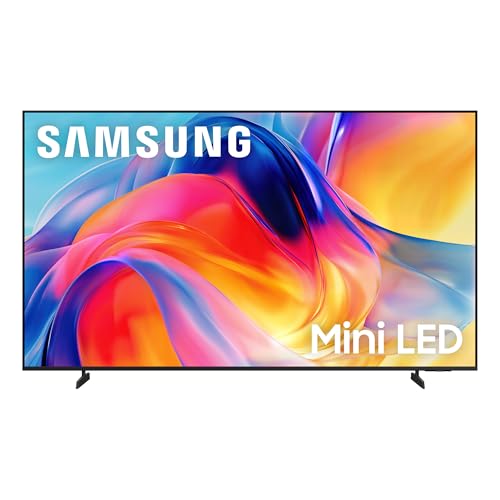
Who Should Buy Which 4K TVs?
Start with your main activity, not with a spec sheet. Most buyers under this size are furnishing a bedroom, a small living room, a dorm, or a desk setup where the screen also serves as a monitor. Your viewing distance, light in the room, and how often you connect other gear will shape which panel and which ports deserve your money.
For Remote Workers and Creators
If you share your screen on calls and edit photos or video, prioritize accurate color, wide viewing angles, and plenty of connection options. Look for at least three HDMI ports and a USB C or casting option if you switch laptops often. Text clarity matters at desk distance, so check that the TV handles 4K input from a computer without softening fine detail. A matte or low glare finish helps during daytime work near windows.
For Gamers and Power Users
Gamers should look for HDMI 2.1, a 120Hz native refresh rate on larger sizes in this range, and low input lag in game mode. Adaptive sync support helps smooth frame pacing when a console or PC varies its output. Response time matters too, because slow pixel changes can blur fast motion. If you play in a dark room, strong contrast will make night scenes easier to read without raising brightness across the whole image.
For Travelers and Commuters
This group is really about second homes, RVs, and rooms that change often. Choose a lighter model with a simple stand that packs flat and a VESA pattern that matches common small mounts. Built in streaming removes the need for extra boxes and cables when you move the TV. Power draw matters in an RV, so check wattage and whether the set runs well on a modest circuit. A headphone output or Bluetooth audio helps in shared spaces.
If your household mixes all three uses, rank them by hours per week. The activity you do most should drive the panel choice, while the others can be covered by settings and accessories. For a broader starting point on size alone, see our guide to the best tvs under 50 inches and then return here to narrow by resolution and features.
Best 4K TVs under 50 Inches: Key Features to Compare
Panel Technology
VA panels give deep contrast and suit movie watching in dim rooms, but their picture can fade when you sit far off to the side. IPS panels hold color and brightness at wider angles, which helps in kitchens and open seating, though black levels look lighter at night. OLED delivers perfect black and very fast response, with a small risk of burn in if a static logo stays on screen for many hours a day. Mini LED improves brightness and local dimming on LED sets and is a strong middle path for bright rooms.
What You Can Realistically Get at This Size
Under 50 inches, prices spread from around $250 for basic LED models to around $900 for OLED and premium Mini LED sets. At the low end you still get true 4K resolution, HDR support, and a smart platform, but brightness, motion handling, and sound will be modest. Spending more mainly buys better contrast control, higher peak brightness for HDR highlights, and smoother gaming features. Do not save money by accepting only two HDMI ports if you know you will connect a console, a soundbar, and a streaming box.
Stand, Mounting, and Ergonomics
Measure the stand footprint, not just the screen width. Many sets now use two wide feet that need a long surface, while others use a central pedestal that fits a small dresser. Check the VESA size, often 200 by 200 or 300 by 300 at this scale, before you buy a wall mount. Wall mounting frees surface space and lets you tilt the screen to cut glare, but you will need cable planning for power and HDMI. In a bedroom, mounting at a slight downward tilt usually gives a more natural view from a bed.
Viewing distance ties all of this together. For 4K at 43 to 50 inches, most people sit about 4 to 6 feet away for an immersive image without seeing individual pixels. If you sit farther, a 50 inch class model will feel more rewarding than a 40 inch one. If you need context on the next step up, our guide to the best 50 inch 4k tvs explains how that exact size class handles distance and brightness.
Smart Platform and Sound
Google TV, Roku, and webOS all cover the major streaming apps, so choose based on the menu style you like and how well voice search works for your household. Check that the platform still receives updates and that it supports the casting method your phones use. Built in TV sound is fine for news and dialogue at close range, but small speakers struggle with movie bass and clear voices at low volume. Budget around $100 to $250 for a compact soundbar if movies are a priority, and confirm the TV has HDMI ARC or eARC for one remote control.
Common Mistakes to Avoid When Buying
- Shopping by price alone. The cheapest set often cuts brightness and motion features you will notice every day.
- Ignoring panel type. A VA panel in a wide seating room or an IPS panel for dark movie nights can disappoint for reasons that have nothing to do with resolution.
- Choosing the wrong size for the distance. Too small feels distant for movies, while too large at a desk forces constant head movement.
- Forgetting port counts. Count your console, player, and soundbar needs before you buy, and leave one HDMI port free.
- Skipping warranty and return terms. Panel defects usually show up early, so a clear return window matters as much as a long warranty.
Budget shoppers sometimes assume a strict price cap solves the decision. If your cap is firm, compare what you give up at that level by reading our guide to the best 50 inch tvs under 500 and note which features disappear first, such as full array dimming and higher refresh rates.
Tips to Get the Most From Your TV
Start by leaving vivid mode behind. Choose a movie or filmmaker style picture mode for the most accurate color, then adjust brightness to your room rather than to a showroom. Turn off motion smoothing for films if faces look unnaturally glossy, but keep it low for sports if you prefer smoother pans. On OLED sets, run the built in pixel refresh when prompted and avoid leaving a paused static image up for hours.
Clean the screen with a dry microfiber cloth only, using light pressure and no household sprays. Keep vents clear on the back panel, update the firmware when a stable update is available, and use a surge protector in areas with unstable power. Small habits like these protect contrast and color over years of use.
4K TVs: Your Questions Answered
Can you get a good TV under 50 inches without spending a lot?
Yes, you can get a satisfying 4K picture at a modest price if your room is not very bright and you mainly stream shows and sports. Expect solid sharpness and apps, with limits on HDR punch and motion clarity. Adding a soundbar later improves the experience more than stretching for a slightly larger screen of the same basic panel quality.
How long do 4K TVs under 50 inches last?
Most quality sets last about 7 to 10 years with normal home use before brightness or backlight wear becomes obvious. OLED lifespan depends more on varied content and brightness habits. Keeping brightness at a level suited to your room, rather than at maximum all day, helps any panel age more slowly and evenly.
Does refresh rate matter for non gamers?
It matters less, but it is not irrelevant. A true 120Hz panel can show sports and fast pans with less blur and can display film content more evenly. Many lower priced sets use motion processing to simulate higher rates, which helps a little but does not equal a native high refresh panel. If you mainly watch dramas and news, a good 60Hz set remains a sensible value.
What size should I get for my room or desk?
Choose 43 inches for a desk or a small bedroom where you sit about 4 feet away, and 48 to 50 inches for a living room at about 5 to 7 feet. Measure your furniture width and leave a few inches on each side. At a desk, also check height, because a large TV can place the center of the screen above comfortable eye level.
IPS vs OLED: which is better for a small 4K TV?
OLED is better for contrast, black levels, and fast motion, especially in dim rooms. IPS is better when several people watch from wide angles and the room stays bright, and it carries no burn in concern. Your seating layout and light decide the winner more than any spec sheet number. For mixed family viewing in daylight, many households find a bright LED panel the easier fit.
Is 4K worth it under 50 inches?
Yes, at typical viewing distances for this size, 4K gives visibly finer detail in nature scenes, sports graphics, and game worlds than 1080p. The benefit shrinks if you sit far away or mostly watch older low resolution channels. Since the price gap has narrowed, 4K is now the sensible default, and it also future proofs the set for streaming services that have largely moved to 4K libraries.
If you have room to spend more for better dimming and gaming ports, compare the step up in our guide to the best 50 inch tvs under 1000 before you decide where your own ceiling should sit.
Wrapping Up
Match the panel to your room light and seating, confirm you have enough HDMI ports with the right standards for your gear, and size the screen to your actual viewing distance. Those three checks prevent most regrets. Compare your short list in the product table above, and choose the best 4k tvs under 50 inches option that fits the routine you live with every day, not the showroom demo.