Best 4K Monitors with G Sync at Every Price: What Your Money Really Gets You for 2026
Disclosure: We may earn a commission when you buy through links on this page, at no extra cost to you. As an Amazon Associate I earn from qualifying purchases. Learn more

Learn how the best 4k monitors with g sync compare by price, panel, refresh rate, and HDR, and what each tier adds for gaming and daily desk work.
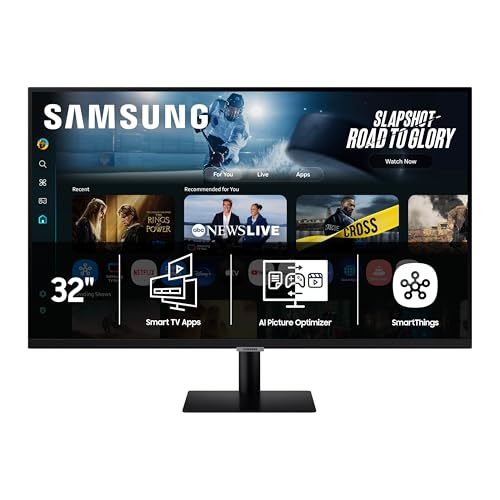
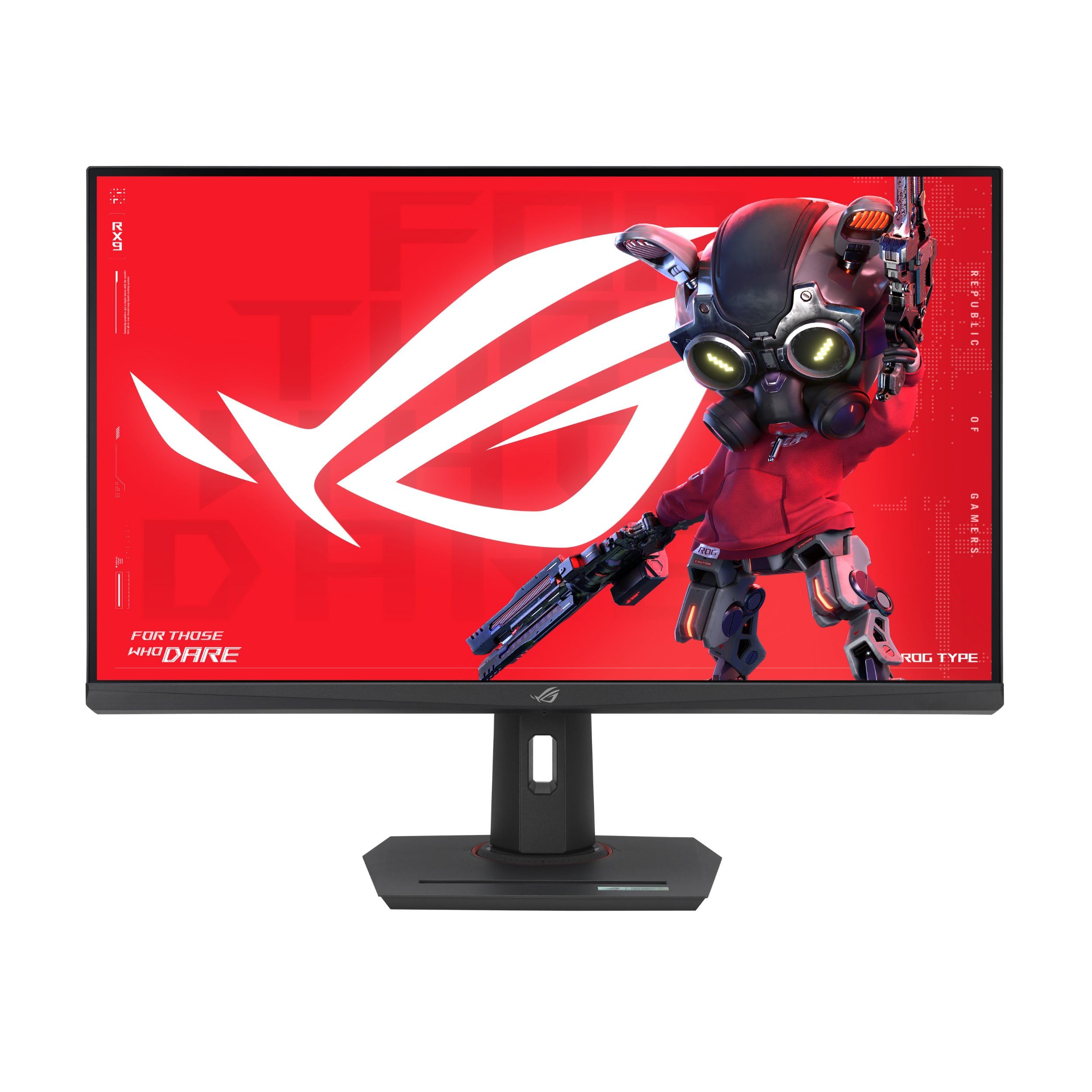
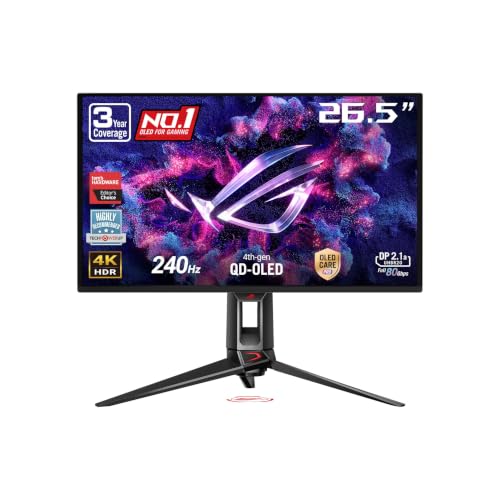
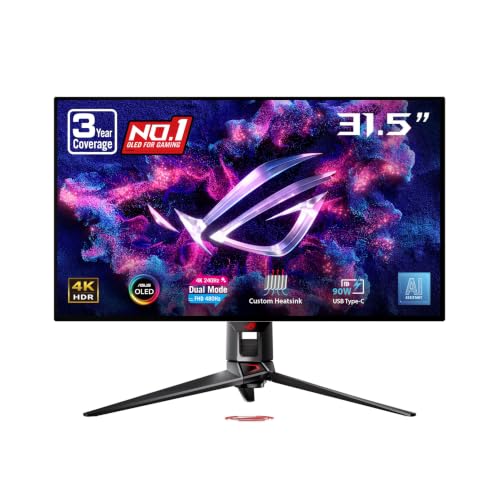
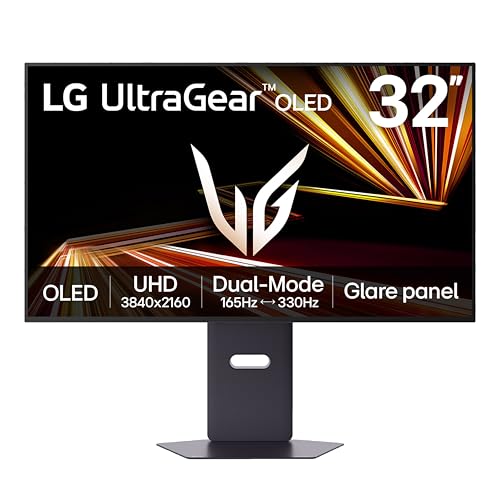
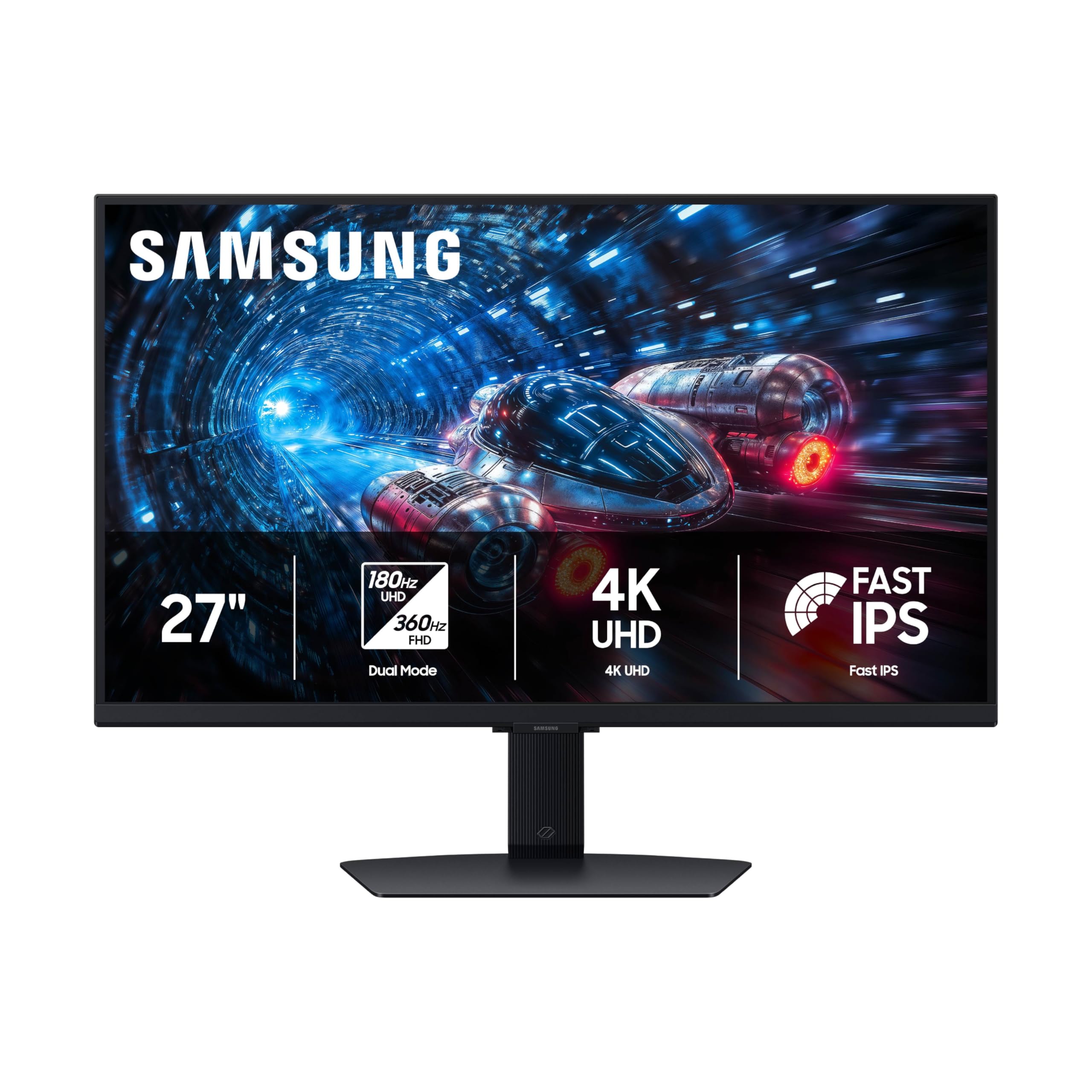
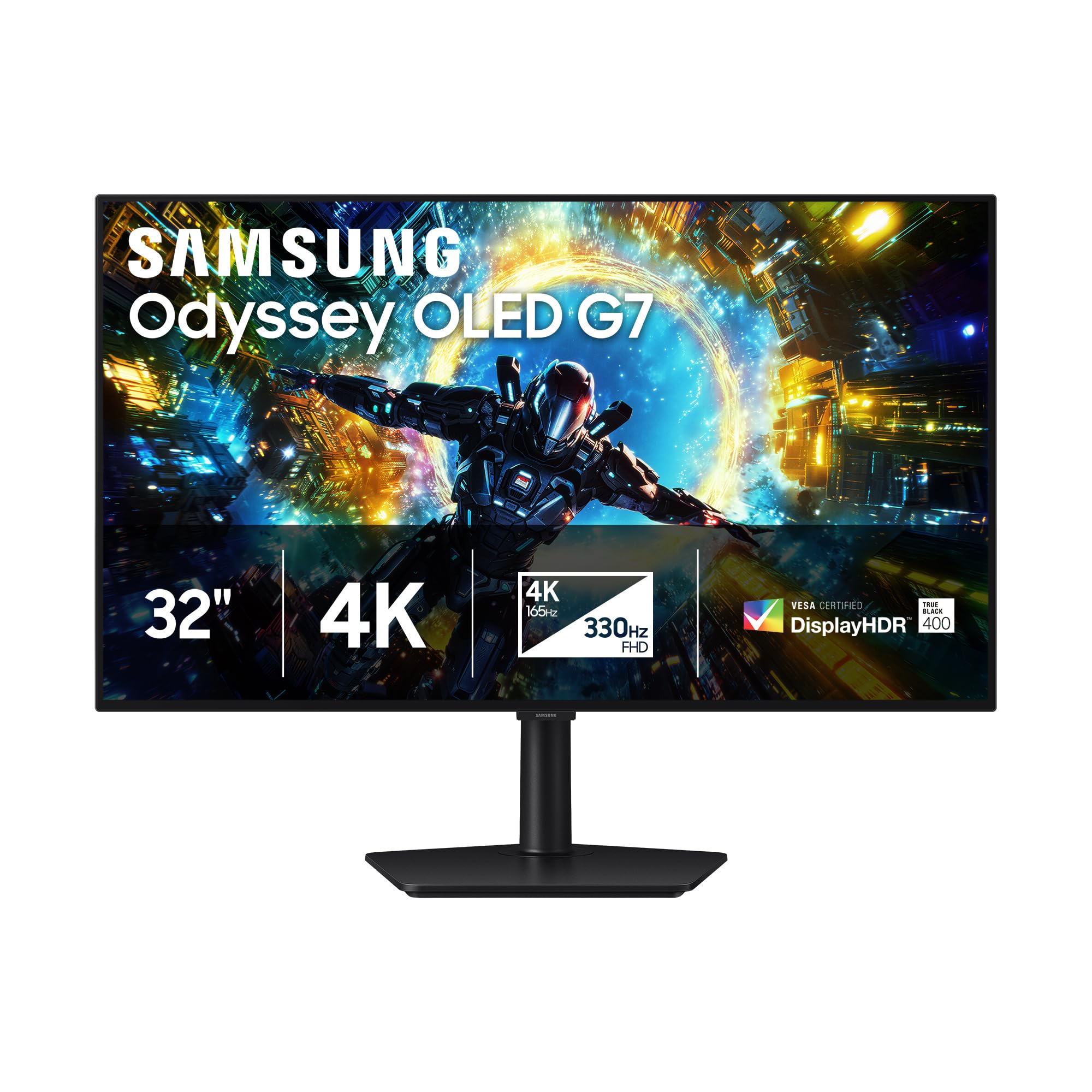
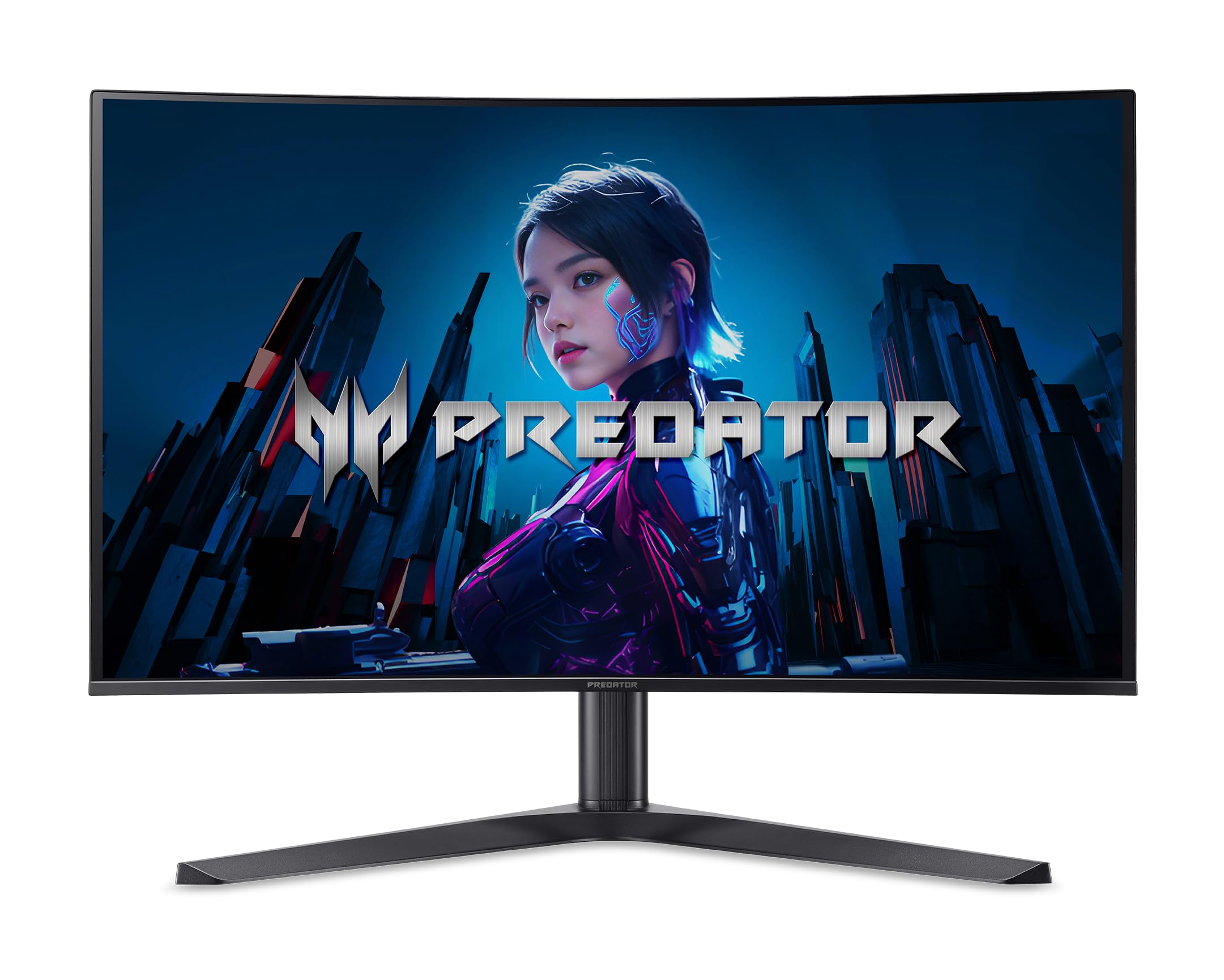
Prices for 4K gaming monitors stretch from a few hundred dollars to well over a thousand, and the spec sheets often look alike at first glance. This guide to the best 4k monitors with g sync explains what actually changes as you spend more, so you can put your money into the gains you will notice every day. Use the comparison table below to spot the differences in refresh rate, panel type, and ports at a glance.
A strong pick is not simply the most expensive screen on the page. It is the screen whose panel, size, and sync range fit your graphics card, your desk, and the games and work you do most.



How to Choose by Budget Before You Compare Models
Start With Your Graphics Card and Your Desk
Your graphics card sets the ceiling for what any 4K monitor can show. Driving modern games at 4K takes far more power than at 1440p, and many cards that feel fast at the lower resolution land closer to 60 frames per second at 4K. If your card regularly sits in that range, a monitor with a wide sync range matters more than a very high maximum refresh rate.
Decide What You Will Not Compromise On
Write down the two or three things you care about most before you look at prices. A competitive player may rank a high refresh rate and fast response time first, while a player who loves story driven games may rank contrast and HDR first. Someone who works at the screen all day may rank sharp text, an adjustable stand, and comfortable brightness above both.
Match the Monitor to How You Play and Work
Think honestly about the split of your week. If most of your screen time is spreadsheets, writing, and browsing with gaming at night, a balanced IPS panel with good ergonomics will serve you better than a screen built only for speed. If you play fast paced shooters several nights a week, read our guide to the best gaming monitors with g sync for a closer look at models tuned for that style of play.
What Your Money Gets You at Each Price Tier
The three tiers below describe what you typically find among the best 4k monitors with g sync on Amazon in the United States. Prices move with sales, so judge each monitor by the features it offers for the money.
Budget Tier: Honest 4K With Basic Sync Support
Budget models start around $350 and usually pair a 27 inch or 28 inch IPS or VA panel with a 60 Hz refresh rate and G Sync Compatible support. You get full 4K sharpness for work and media, plus smooth frame pacing in games near the top of the sync range. Trade offs show up in modest brightness, weak HDR, limited stand adjustment, and fewer ports. This tier suits buyers whose card targets 60 frames per second.
Midrange Tier: The Balance Most Buyers Want
Midrange models cluster around $650. Expect a 27 inch or 32 inch IPS panel at 144 Hz, HDMI 2.1 ports for consoles, stronger brightness, and a stand that adjusts for height, tilt, and swivel. Sync ranges widen, so gameplay stays smooth when frame rates dip during busy scenes. For most gaming PCs with a capable card, this tier delivers the clearest value.
Premium Tier: When the Extra Cost Buys Real Gains
Premium models start around $1000 and move to OLED or Mini LED panels, refresh rates of 240 Hz, and stronger HDR with deep blacks and bright highlights. This is also where the top sync certification lives, so see our guide to the best g sync ultimate monitors if certified HDR and a dedicated hardware module top your list. Large screen options reach 42 inches and beyond here. The gains are real, but they reward only buyers with a powerful card.
Features Worth Paying For and Ones to Skip
Panel Technology: IPS, VA, OLED, and Mini LED
Panel type shapes contrast, color, and motion more than any other choice. IPS panels offer wide viewing angles and dependable color, which suits shared desks and work plus play use. VA panels deliver deeper contrast at lower prices but can smear dark motion. OLED gives perfect blacks and near instant pixel response, with some risk of burn in from static images, while Mini LED lifts LCD brightness and contrast with many small backlight zones.
Resolution and Screen Size: Making 4K Worth It
At 27 inches, 4K packs pixels so densely that text looks crisp and games show fine detail without visible pixel structure. At 32 inches, the same resolution feels more immersive and lets you lower Windows scaling so more windows fit at once. If your card struggles at 4K and you sit close, a smaller high refresh screen may serve you better, and our guide to the best g sync monitors 1440p covers that lower resolution path in depth.
Adaptive Sync, Refresh Rate, and Response Time
G Sync is the name for NVIDIA adaptive sync technology that matches the monitor refresh rate to the frame rate your card produces, which removes screen tearing and reduces stutter. Native G Sync models carry a hardware module, G Sync Compatible models pass NVIDIA validation without that module. To compare certification levels and ranges across the wider market, see our guide to the best g sync monitors. Look for a sync range that starts low, around 30 to 48 Hz, so slower games stay smooth too.
Refresh rate and response time decide how clear motion looks once tearing is gone. A 144 Hz screen refreshes far more often than a 60 Hz screen, so panning views stay sharper and input feels more direct, and our guide to the best 144hz g sync monitors explains who benefits most from that step up. Overdrive settings matter in daily use, and the middle setting usually gives the cleanest motion without bright halos around moving objects.
HDR, Brightness, and Color Coverage
HDR quality depends on peak brightness and local dimming, not on the label alone. A monitor with a VESA DisplayHDR 400 rating and no local dimming will look much like standard content, while DisplayHDR 600 or higher with many dimming zones produces highlights that truly stand out. Color coverage near 95 percent of the DCI P3 space gives rich color for games, films, and photo or video editing. Skip paying extra for HDR claims that list no brightness figure at all.
Ports, VESA Mounts, and Stand Quality
Ports decide how easily the monitor fits your setup. HDMI 2.1 carries full 4K at high refresh rates from consoles and PCs, while older HDMI versions cap the refresh rate at 4K. DisplayPort remains the standard PC connection for G Sync over a cable. A VESA mount pattern, most often 100 by 100 mm, lets you add an arm and reclaim desk space. Built in speakers and novelty lighting are features to skip, since a basic headset or desk lamp does both jobs better.
Long Term Costs to Factor In
The sticker price is only part of what a 4K setup costs over its life. Budget for a good DisplayPort or HDMI 2.1 cable if the box cable is too short, and for a monitor arm if you plan to use the VESA mount. A stronger graphics card is the largest hidden cost, because a card bought to feed a 4K screen costs far more than the screen upgrade that prompted it.
Common Mistakes to Avoid
- Buying a 240 Hz 4K monitor for a card that rarely passes 70 frames per second at 4K, so the speed you paid for never appears.
- Choosing HDR by the label alone without checking brightness and local dimming, so films and games look flat despite the price.
- Ignoring desk depth and buying a 42 inch screen for a shallow desk, so text at the edges is hard to read.
- Plugging a console into an older HDMI port that caps 4K refresh rates, so the console drops to a lower mode.
- Skipping the VESA pattern check before ordering an arm, so the arm arrives and does not fit the monitor at all.
- Leaving overdrive on its highest setting full time, so moving objects gain bright ghosting worse than normal motion blur.
How to Make Your 4K Monitor Last Longer
Clean the screen with a dry microfiber cloth and light pressure, and use a cloth dampened with plain water only when marks remain. Lower the brightness to a comfortable level for your room rather than running at maximum all day, since backlights dim slowly with hours of use. Keep the vents on the back and top clear of dust so heat can escape.
On OLED models, use the built in pixel refresh tools the maker provides and let a screen saver or sleep timer hide static images during breaks. A surge protector guards the panel against power spikes during storms. Once a month, reseat your cables and glance at the ports for strain, because a sagging heavy cable can loosen a port over time and cause flicker.
FAQ
Does the refresh rate of a 4K G Sync monitor matter for people who do not game?
Yes, a higher refresh rate on a 4K G Sync monitor still helps people who do not game, because scrolling text, moving windows, and the mouse pointer all look smoother at 120 Hz or 144 Hz than at 60 Hz. The benefit is comfort rather than performance, so it matters most if you read and scroll for long hours. Video offers less gain, since most films play at low frame rates any screen handles evenly.
What size 4K G Sync monitor should you get for your desk?
Most desks suit a 27 inch or 32 inch 4K G Sync monitor placed about two to three feet from your eyes. Choose 27 inches if your desk is shallow or you also use a second screen, and choose 32 inches if you want one large workspace with less Windows scaling. Before ordering, mark the screen outline on your desk with tape and sit with it for a day to test comfort.
Is IPS or OLED better for a 4K G Sync monitor?
Neither panel wins for every buyer of a 4K G Sync monitor, because IPS suits bright rooms and long workdays while OLED suits dark rooms and film or game focused use. One detail spec sheets rarely stress is text rendering on OLED, where the pixel layout can add slight color fringing on fine text edges. If your day is mostly documents and code, view an OLED in person first or lean toward IPS. If evenings are mostly games and films, OLED contrast is hard to match.
How long does a 4K G Sync monitor usually last?
A 4K G Sync monitor usually lasts five to eight years of daily use before brightness loss or aging ports make replacement appealing. LCD backlights fade gradually rather than failing at once, so an older screen often stays usable as a second display. Check the warranty pixel policy before you buy, because brands differ on how many dead or stuck pixels qualify for service.
Is a 4K G Sync monitor worth it over a 1440p monitor?
A 4K G Sync monitor is worth it over 1440p when your graphics card can hold smooth frame rates at 4K and you value sharp text and fine game detail. Console players gain an extra reason, because current consoles target 4K output and look cleaner on a native 4K panel. If your budget forces a choice between resolution and refresh rate, most fast paced players enjoy 1440p at high refresh more than 4K at 60 Hz.
Final Thoughts
Start with your graphics card, pick the tier that fits your budget, and let panel type and refresh rate guide the final choice. The product table above pulls the current options together so you can compare size, ports, and sync range at once. Chosen with those priorities in mind, the best 4k monitors with g sync give you sharp workdays and smooth game nights from one screen for years.