Best Bluetooth Monitors: Types Compared and How to Choose for 2026
Disclosure: We may earn a commission when you buy through links on this page, at no extra cost to you. As an Amazon Associate I earn from qualifying purchases. Learn more
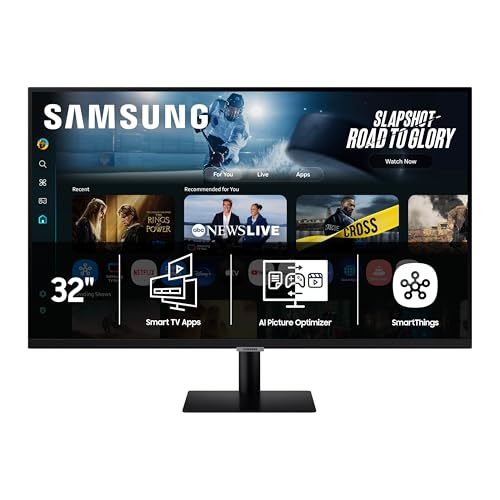
Compare the best bluetooth monitors by type, panel, size, and ports, with clear pros, cons, and buying guidance to help you choose with confidence.
Bluetooth on a monitor sounds simple, yet listings use the word for different jobs. On most models Bluetooth connects speakers, headphones, keyboards, and mice, while the picture still arrives through a cable. Choosing best bluetooth monitors starts with sorting displays by type, so you compare the right strengths for your desk and your daily work.
This guide compares productivity and ultrawide models, gaming displays, and OLED displays by their pros, cons, and ideal users. Use the comparison table below for a quick side by side view, then read the sections that match how you actually work.
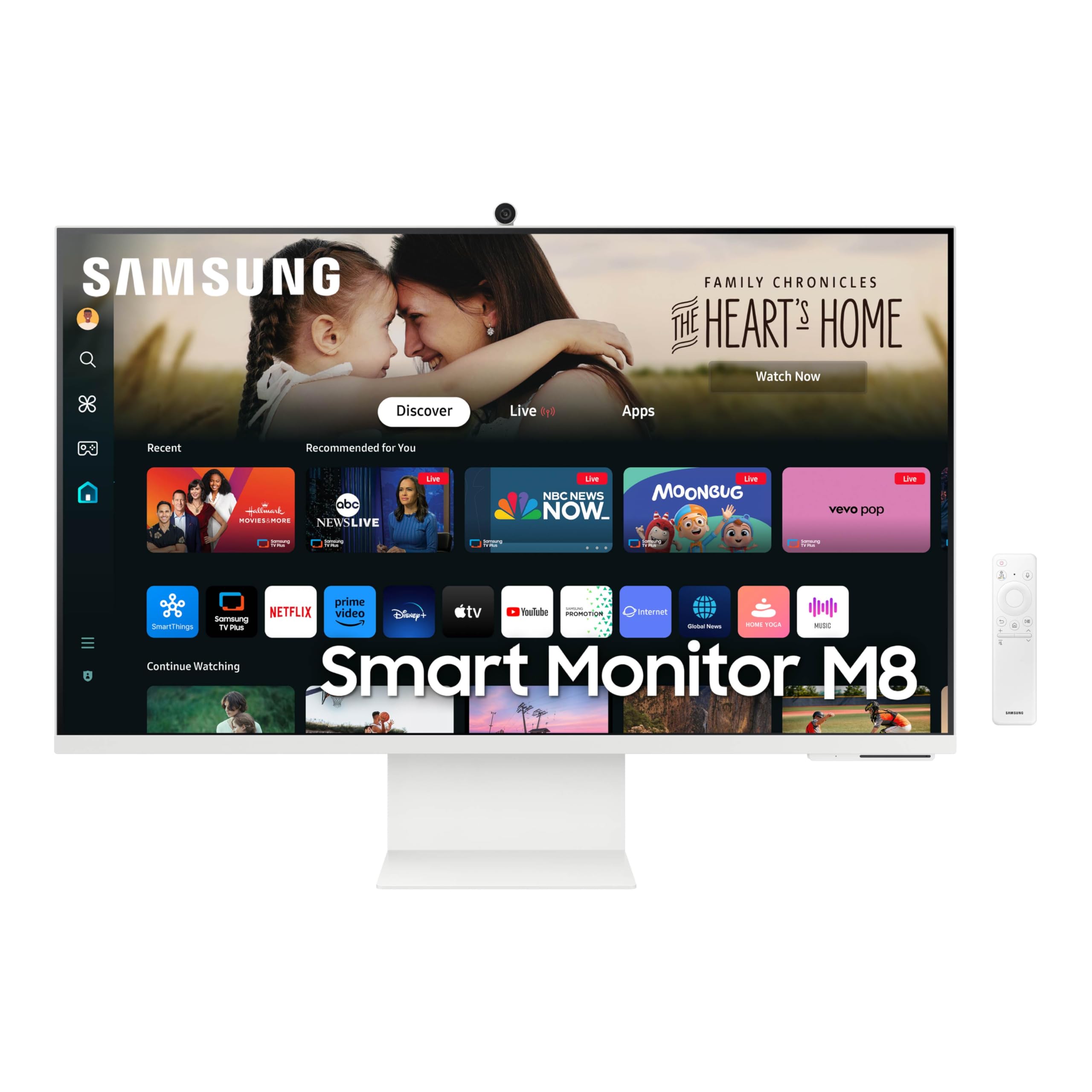
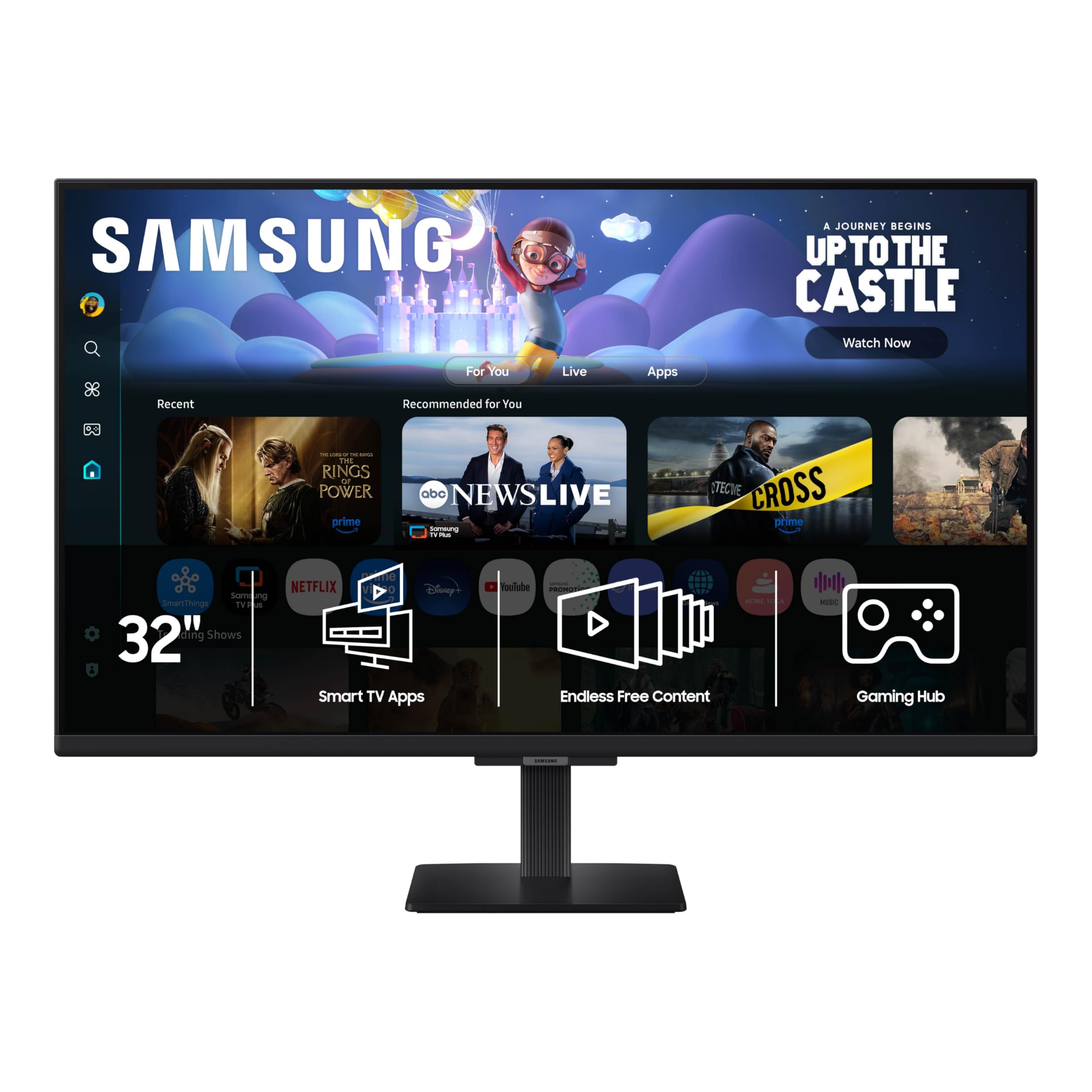

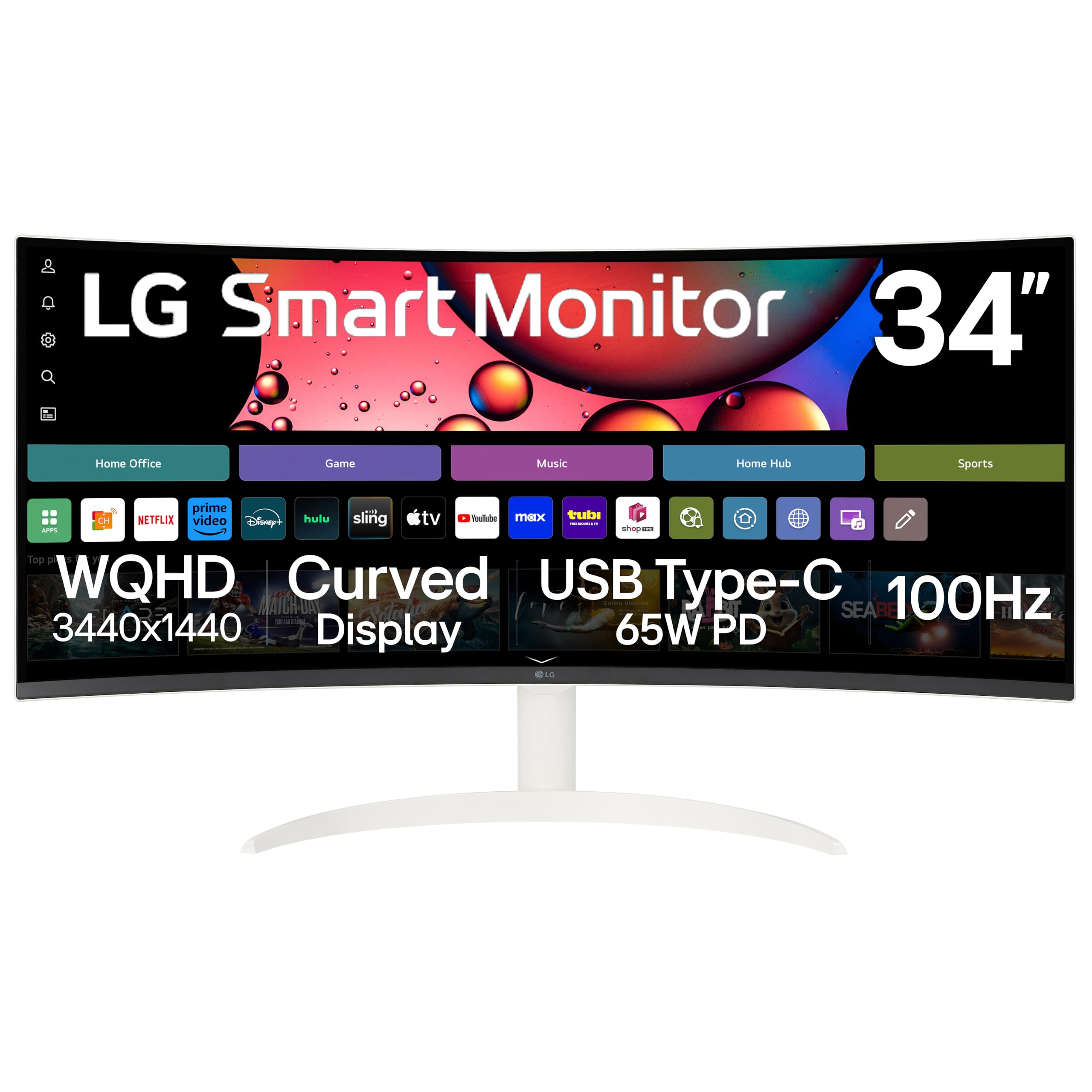
Types of the Best Bluetooth Monitors Compared
Start with the type, because type shapes almost every later choice, from screen shape to price. A wide productivity screen, a fast gaming screen, and an OLED screen can all carry Bluetooth, yet they solve different problems. Bluetooth rarely changes picture quality, so judge the display first.
Price follows type more than Bluetooth. Office models often start at about $150, while OLED models often start at about $600, with wide and fast models in between. The product table above lets you compare current styles once you know which type fits.
Productivity and Ultrawide Displays
Productivity displays favor space, sharp text, and comfort during long sessions. Standard models use a 16 by 9 shape that suits documents, email, and video calls. Ultrawide models stretch to 21 by 9 or wider, letting you place a document, a spreadsheet, and a chat window in one row.
The main gain is fewer window swaps and a cleaner desk with one panel and one stand. The trade off is cost and desk depth, since wide screens need more room. Choose this type if you multitask for work, edit timelines, or compare data across apps for hours each day.
Bluetooth on these models serves wireless keyboards, mice, and headphones during calls, while the video cable stays in place. Look for height and tilt adjustment, because a wide screen set at the wrong height can strain your neck.
Gaming Displays
Gaming displays favor speed. They pair higher refresh rates, quick response time, and adaptive sync to keep motion smooth and reduce tearing when frames change quickly. Sizes often run from 24 to 32 inches, with curved options for racing and simulation titles.
The gain is clearer motion and a more responsive feel in fast games, while the trade off can be weaker color accuracy on some panels built only for speed. Choose this type if you play competitive titles or use one screen for work and evening play. If gaming is your priority, see our guide to the best gaming monitors.
Bluetooth here helps with headsets, controllers, and speakers, but it does not replace a wired video connection for low delay play. For advice on matching a screen to a gaming computer, see our guide to the best computer monitors for gaming.
OLED Displays
OLED displays light each pixel on its own, so black areas can turn fully off and contrast can look striking in a dim room. Colors often appear rich, motion can look very clear, and viewing angles stay strong when you shift in your chair.
The trade offs are price and care. OLED models cost more than most IPS models of the same size, and static elements left on screen for many hours can raise the risk of image retention over time. Pixel refresh tools help, yet sensible habits like varying content still matter.
Choose an OLED display if movies, photo work, and immersive games matter most and your room light stays controlled. Choose a different type if your screen shows the same spreadsheet grid or taskbar all day. In bright rooms a good IPS panel can look more comfortable against glare.
Productivity and Ultrawide Displays vs Gaming Displays: Which Should You Choose?
Compare these two types on the work they do best. Productivity and ultrawide models win on window space and text layout for documents. Gaming displays win on refresh rate, response time, and adaptive sync for smooth motion. If your day is mostly documents with light play at night, the productivity type usually serves you better.
Panel and ports can tip the choice. Ultrawide models often include USB C with power delivery for a laptop, while gaming models stress DisplayPort and HDMI 2.1 for high refresh output. Decide by your main hours, not by a rare use case.
Budget can settle a close call, since a productivity screen tends to give more size or ergonomics at the same price, while a gaming screen gives more speed. List your top two daily tasks and match the type to those tasks first.
How to Choose the Right Bluetooth Monitor
Once the type is clear, compare the details that affect daily comfort and compatibility. As you compare the best bluetooth monitors on these points, keep your computer, desk depth, and room lighting in mind, because the best spec on paper can still fit your room poorly.
HDR and Brightness
Brightness is measured in nits, and higher numbers help in bright rooms. Around 250 to 300 nits suits many shaded home offices, while 350 to 400 nits or more feels safer near windows. HDR labels such as HDR10 show that a panel can read HDR content, yet low brightness limits the impact.
True HDR impact needs both brightness and strong contrast control. OLED handles contrast at the pixel level, while Mini LED uses many small backlight zones to lift highlights without washing out dark scenes. For office work, steady brightness and a matte surface often matter more than any HDR badge.
Resolution and Screen Size
Resolution describes pixel count, and size describes how those pixels spread out. At 24 inches, 1080p can look acceptable for basic office tasks. At 27 inches, 1440p gives text more clarity and more usable space. At 32 inches and above, 4K keeps details sharp at a normal desk distance.
Match size to viewing distance and desk depth. Most desk setups place your eyes about 20 to 30 inches from the screen, so a very large panel can force constant head turns if the desk is shallow. Ultrawide models need extra width and work best when your main apps can use the full width well.
Higher resolution also asks more from your computer, so check that your device can output your chosen resolution at the refresh rate you expect.
Smart Platform and Sound
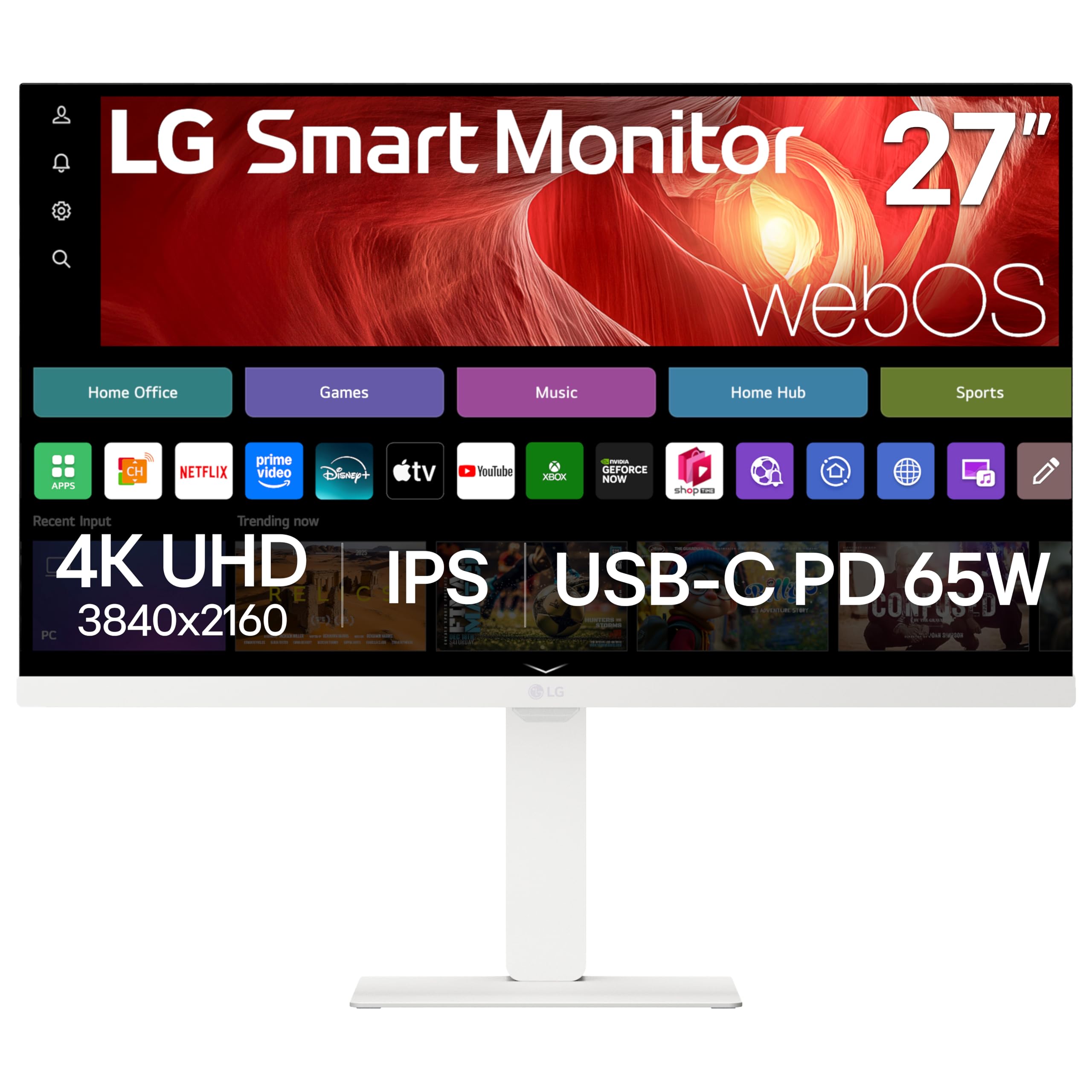
Some Bluetooth monitors add smart features borrowed from TVs, such as built in streaming apps or screen sharing from a phone. They can be handy where the monitor doubles as an entertainment screen. In a pure office setup, these extras matter less than ports and ergonomics.
Sound deserves a separate check, since many monitors include small speakers that suit calls but not music or films. Bluetooth lets you send audio to headphones or an external speaker without a cable across the desk. If audio quality is central, see our guide to the best bluetooth monitor speakers for ways to improve sound without replacing the screen.
Creators who record or mix audio need flat, accurate sound more than loudness. If that sounds like your work, see our guide to the best bluetooth studio monitors to learn how those speakers differ from ordinary monitor speakers.
Connectivity and Ports
Bluetooth does not carry the main display signal on most monitors, so ports decide how your picture arrives. HDMI suits most computers and consoles, DisplayPort often gives the widest support for high refresh rates on computers, and USB C can carry video, data, and laptop charging through one cable on supported models.
Count the rest of the connection panel before you buy. Useful extras include USB ports for a keyboard or webcam, a headphone jack, and a second HDMI input. VESA mount support matters if you plan an arm, since a 75 mm or 100 mm pattern lets you free desk space and set height more precisely.
Bluetooth pairing behavior also deserves a quick look. Some monitors remember more than one paired device, which helps when you switch between a laptop and a phone. Check pairing with your main headphones during the return window, since call dropouts are easier to solve early.
Panel Technology: IPS, VA, OLED, and Mini LED
IPS panels offer strong color and wide viewing angles, which suits shared viewing, design work, and general office use. VA panels offer higher native contrast, so dark scenes look deeper, yet their viewing angles can lag behind IPS. Your room light and seating position help decide which trade off you will notice more.
OLED and Mini LED sit at the premium end for contrast and HDR. OLED gives pixel level control and very fast response, while Mini LED adds fine local dimming to a bright LCD backlight. If lasting build and panel quality are your top concerns, see our guide to the best quality monitors for a broader view of what sets durable models apart.
Do not judge a panel by type alone, since two IPS screens can differ in color coverage and calibration. Read the details for the exact size you want, as panel traits can change across sizes in one model family.
Care and Maintenance Tips
Care for a Bluetooth monitor is simple. Clean the panel only with a soft microfiber cloth, lightly dampened with water if needed, and never spray liquid straight onto the screen. Avoid paper towels and harsh cleaners, since they can mark coatings that cut glare.
Set the picture mode to a natural option rather than a vivid store mode, and lower brightness to match your room. On OLED models, run the built in pixel refresh when prompted and vary static content. On all models, check cable connections if the image flickers.
Keep vents clear so the back of the monitor can release heat. Update firmware only through the maker support page for your exact model.
Bluetooth Monitors: Your Questions Answered
Does refresh rate matter for non gamers using a Bluetooth monitor?
Yes, refresh rate can matter for non gamers, though the gain is comfort rather than competition. A 100 Hz or 120 Hz screen makes scrolling, window movement, and cursor motion look smoother than a standard 60 Hz screen, most visibly in long documents. You still need a computer and cable that support the higher rate, so check your output settings after setup.
How long do Bluetooth monitors last?
Most Bluetooth monitors last about five to eight years with normal home or office use, and the panel often outlasts the smart features. Backlights dim slowly over time, and app support for smart models can end sooner than the display itself. Keeping brightness moderate and vents clear helps the screen stay useful, and available replacement cables add peace of mind.
IPS vs OLED: Which panel is better in a Bluetooth monitor?
Neither panel wins for every buyer, since IPS suits bright rooms and static office work while OLED suits dim rooms and varied media. IPS usually costs less at the same size and carries no worry about static image retention. OLED gives deeper blacks for films and games. If the same static bars stay visible all day, IPS is usually the safer long term match.
What size Bluetooth monitor should you get for your room or desk?
Choose a Bluetooth monitor size that leaves about 20 to 30 inches between your eyes and the screen and still fits your desk width. A 27 inch model suits most desks, a 32 inch model suits deeper desks, and an ultrawide needs clear width on both sides. Measure the stand footprint, not just the screen, and leave room for safe cable bends behind the panel.
Is 4K worth it on a Bluetooth monitor?
Yes, 4K is worth it on a Bluetooth monitor when the screen is 32 inches or larger, or when you edit photos and video at a close desk distance. Text looks sharper and you gain room for detailed work. At 24 or 27 inches for basic office tasks, 1440p often gives a similar daily feel for less money. Scale settings can keep text readable at 4K.
Wrapping Up
Start with type, then confirm panel, resolution, and ports against your computer and desk. Those choices shape comfort far more than Bluetooth alone, which mainly frees your audio and accessories from cables. Use the product table above to compare models within the type you picked.
When you are ready to choose among best bluetooth monitors for your own setup, return to your top two daily tasks and let them lead. A screen that fits your work, your room light, and your devices will stay satisfying long after the spec list fades.