
Best 4G Routers 2026: SIM, Signal, Speed and Coverage
Disclosure: We may earn a commission when you buy through links on this page, at no extra cost to you. As an Amazon Associate I earn from qualifying purchases. Learn more
A 4G router can bring home internet where fixed lines fall short. See how the best 4g routers differ on SIM choice, bands, antennas, plans and speeds.
A 4G router turns a mobile signal into home WiFi, which makes it useful for rural homes, temporary offices, boats, and any place where a fixed line is slow or unavailable. The best 4g routers are the ones that match the local network, hold a steady signal, and share the connection fairly across the devices in the home. Price alone is a poor guide, because a router on the wrong band can be slow even in a strong signal area.
The comparison table below shows the main options side by side. The sections that follow explain how to check carrier compatibility, judge speed claims, place antennas well, and plan data use so the connection stays useful all month.


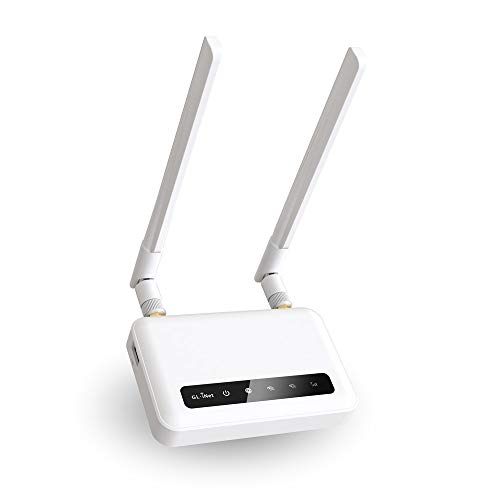


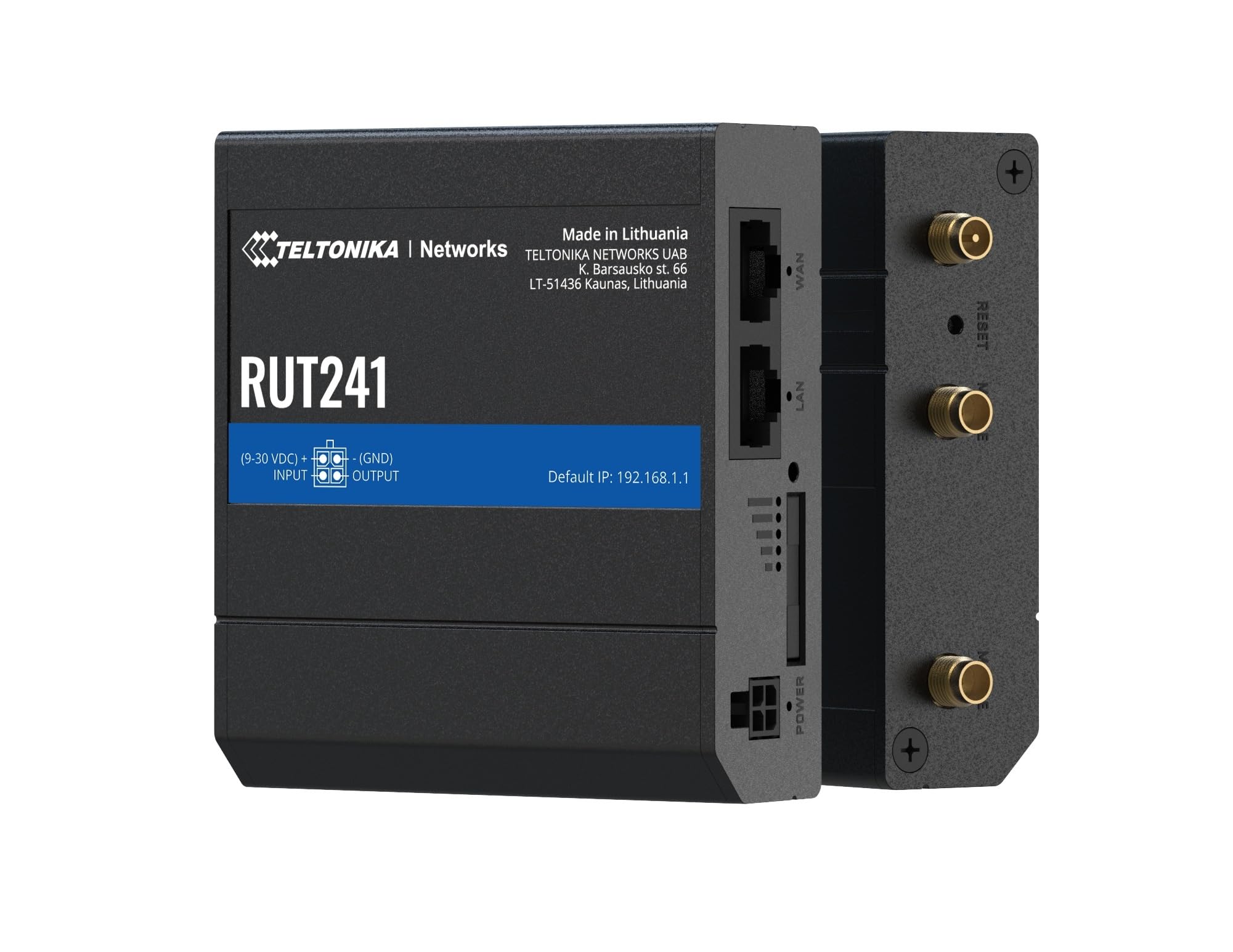

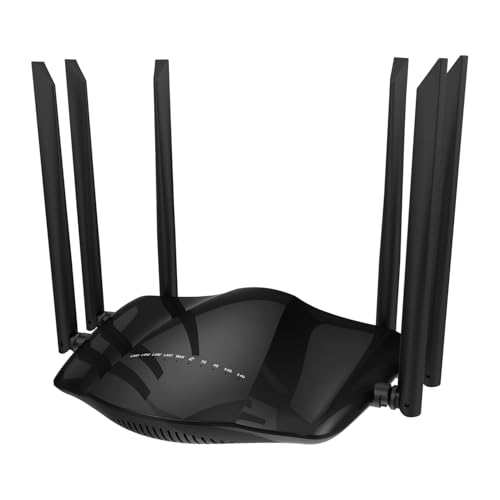
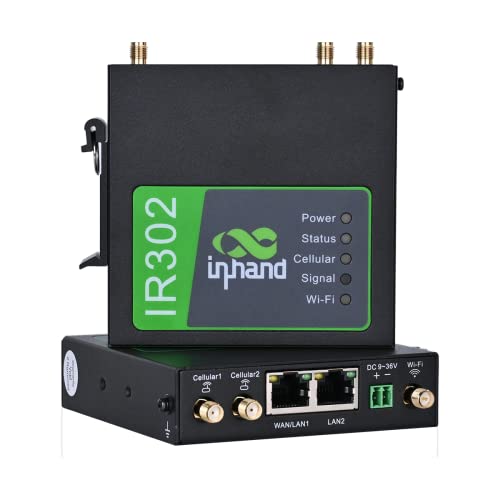
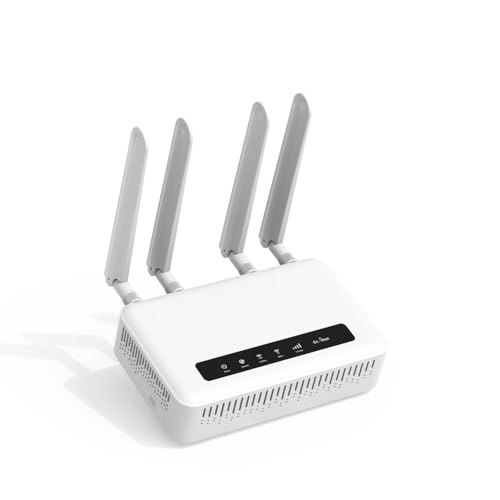
Who Should Buy a 4G Router
A 4G router suits a home with no reliable fixed line, a renter who cannot install cables, or a small business that needs a backup connection when the main line fails. It also suits seasonal homes and work sites where internet is needed for a limited period. In each case, the mobile network is the real internet service, and the router is only the device that shares it.
It is less suited to heavy use in a weak signal area, or to a household that streams high definition video on many screens at once. Mobile networks share capacity with nearby users, so speeds can vary by time of day. A trial with a prepaid SIM is a sensible way to test the idea before committing to a long contract.
Households that want the wireless side explained in more detail can compare best 4g wifi routers, which focuses on WiFi coverage and device handling inside the home.
Readers comparing modem and router combinations should also see best 4g lte modem router, since it covers the difference between a simple modem and a full home router.
For general wireless networking basics, best wlan routers explains coverage, bands, and placement in plain terms that apply to any home network.
SIM Choice and Carrier Compatibility
Check which bands and network generations the router supports, then compare them with the bands the chosen carrier uses in the area. A router that lacks a key local band may connect only on a slower or more crowded band. Also confirm whether the SIM plan allows router use, because some phone plans restrict tethering or router use in their terms.
SIM size, lock status, and plan type also matter. An unlocked router accepts SIM cards from different carriers, which is useful for travel or for switching to a better local offer. A data only plan is often cheaper than a phone plan for a router, but the buyer should check fair use rules, speed limits after a data cap, and whether the plan supports a fixed public address if remote access is needed.
Speed Claims and Real World Performance
Advertised speeds describe ideal laboratory conditions, not a busy evening on a shared cell tower. Real speed depends on signal strength, tower load, the band in use, and how many devices share the connection. A router with support for carrier aggregation can combine bands for better speed, but only where the carrier supports that feature on the local tower.
Test speed at different times of day and in different rooms before judging the setup. A small move of the router, a better antenna position, or a change of band can matter more than a small upgrade in router price. Keep expectations honest: a stable 20 megabit connection that never drops is often more useful than a peak speed that collapses each evening.
Antennas, Placement and Signal Strength
Placement is the cheapest upgrade available. Put the router near a window facing the nearest tower, away from thick walls, metal cabinets, and large appliances. Avoid placing it on the floor or inside a closed cupboard, and keep it away from sources of heat. A short test in two or three spots usually reveals the best location quickly.
External antennas help when the indoor signal is weak or unstable. A directional antenna can improve a distant signal, while an omnidirectional antenna suits areas with several nearby towers. Check the connector type before buying antennas, and route cables neatly so they are not pinched by windows or doors.
Data Plans, Failover and Security
Estimate monthly data use before choosing a plan, and include updates, video calls, and cloud backups, which all add up quietly. Set usage alerts on the router or the carrier account, and consider a plan with a soft cap rather than a hard cutoff if the connection is used for work. A backup SIM from a second carrier can keep a small business online when one network has an outage.
Change the default admin password, use a strong WiFi password, and keep the router firmware updated. Disable remote admin access unless it is genuinely needed, and use a guest network for visitors. These simple steps protect the home network without adding complexity to daily use.
Related Guides Worth Reading
Readers comparing options may also find best 4g lte routers useful, since it covers a closely related choice in the same category.
A Closer Look Before You Order
Before committing, run a simple trial: borrow or buy a prepaid SIM from the intended carrier, place the router in its planned spot, and test at morning, midday, and evening. Record speeds and dropouts, and try a second position near a different window. A one hour evening test tells more than a week of reading specification sheets.
Also check the details that cause later frustration, such as whether the plan allows router use, what happens after the data cap, and whether the router can send usage alerts. A plan with a clear cap policy and a router with simple monitoring avoids surprise bills and sudden cutoffs during important work.
Finally, plan for outages. A second SIM from another carrier, kept as a backup, can keep a small business online when one network fails. Store the backup SIM safely, test it once a quarter, and keep provider login details where they can be found during an outage, not only on the router itself.
Mistakes That Hurt a 4G Setup
One common mistake is choosing a router before checking which bands the local carrier actually uses. A router that lacks a key band may connect only on a crowded or slower band, giving poor results in an area with otherwise good coverage. Check band support against the carrier and the location, not against a generic specification list.
Another mistake is placing the router where it looks tidy rather than where signal is strongest, such as inside a closed cabinet or on the floor behind furniture. A short test in two or three window positions usually finds a far better spot, and the improvement costs nothing. Signal placement is the cheapest upgrade in any 4G setup.
A third mistake is underestimating monthly data use, especially video calls, cloud backups, and software updates that run quietly in the background. A plan that runs out mid month turns a good router into a frustration. Set usage alerts early and choose a cap that fits real use with room to spare.
Finally, many owners never change default passwords or update firmware, leaving the home network exposed. A few minutes of setup, including a strong admin password, a strong WiFi password, and a guest network for visitors, protects every device that shares the connection.
Frequently Asked Questions
Can I use any SIM card in a 4G router?
An unlocked router accepts SIM cards from carriers whose bands it supports, but a locked router may only work with one carrier. Check the band list, the SIM size, and whether the plan allows router use before buying. A short prepaid trial is the safest way to confirm compatibility in the exact location where the router will live.
Why is my 4G speed slower in the evening?
Mobile towers share capacity among all nearby users, so speeds often fall during busy hours. Signal strength, the band in use, and the number of connected devices also play a part. Try a different router position, a better antenna, or a different band, and compare speeds at several times of day before changing plans.
Do external antennas really help?
External antennas help most when the indoor signal is weak, unstable, or blocked by building materials. A directional antenna can pull in a distant tower, while an omnidirectional antenna suits areas with towers in several directions. The gain is limited when the tower itself is congested, so antennas fix signal problems rather than network capacity problems.
Can a 4G router replace a fixed line completely?
It can, for light to moderate use, especially where no good fixed line exists. Heavy households that stream on many screens, game online, and back up large files may find mobile data caps and variable speeds frustrating. For those homes, a 4G router often works best as a backup or as a bridge until a fixed line improves.
How do I keep a 4G router secure?
Change the default admin password, set a strong WiFi password, and install firmware updates when they appear. Use a separate guest network for visitors and turn off remote administration unless it is needed. These steps take only a few minutes and protect every device that shares the connection.
Final Thoughts on 4G Routers
The right choice starts with the carrier and the local signal, not with the router box alone. Check bands, test with a prepaid SIM, place the router well, and choose a data plan that fits real monthly use. The product table above can help compare the main options before deciding.
For homes without a good fixed line, the best 4g routers are the ones that stay connected through busy hours, share fairly across devices, and keep working when the main connection fails. A careful setup matters more than a headline speed figure. Keep this guide handy whenever you review the best 4g routers again.


