
The Best Aimesh Routers: Buying Guide and Top Picks for 2026
Disclosure: We may earn a commission when you buy through links on this page, at no extra cost to you. As an Amazon Associate I earn from qualifying purchases. Learn more

Learn how to choose the best aimesh routers for your home with clear guidance on coverage, WiFi standards, security, speed, and setup that fits your budget.
A dead zone in a bedroom or a call that drops when you walk to the kitchen usually means one router cannot cover your whole home well. The best aimesh routers solve that problem by letting two or more compatible units work as one network with one name and one password. This guide explains how to judge coverage, speed, and security so you can build a system that fits your floor plan. You will also find the comparison table below to scan key specs side by side before you decide.
AiMesh matters because you are not locked into a closed mesh kit. You can start with one strong router, add another later when you move or add a room, and keep your settings in one app. That flexibility is useful only if the units match well, so the sections below focus on pairing, placement, and the features that change daily use.
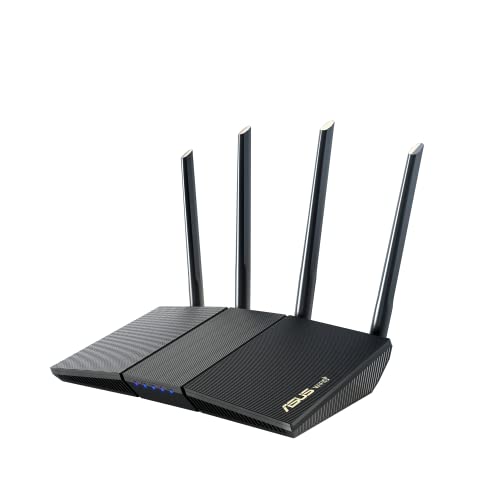
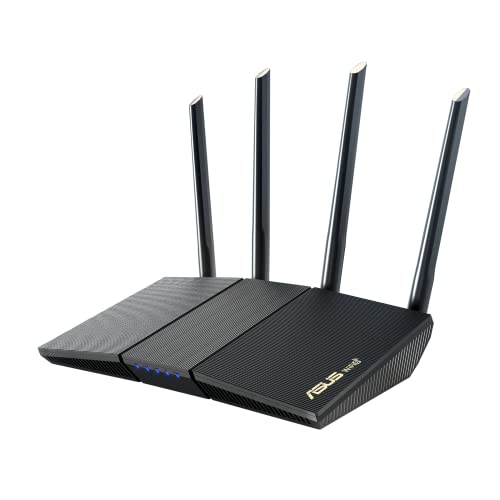


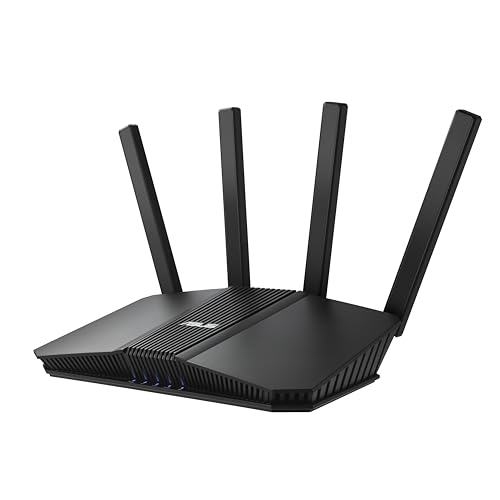
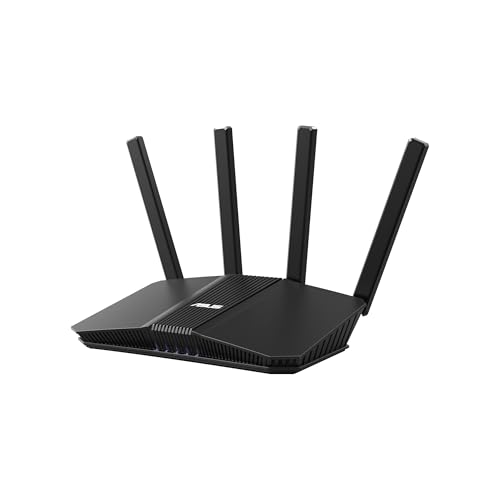


Three Buying Profiles at a Glance
Think of this section as three buying profiles rather than three specific boxes. Use it to decide what level of system you need, then check the product table above for current models that match that profile. Most homes do best when they buy for coverage and stability first and for peak speed second.
Best Overall
An overall choice balances strong coverage, a current WiFi standard, and solid app controls without pushing into the highest price tier. Look for tri band hardware or a clear upgrade path, support for WPA3, and enough processing power to handle dozens of devices at once. This profile suits most family homes with streaming, work calls, and gaming in different rooms. Expect to pay around $200 to $400 for a two unit setup that feels fast everywhere.
Best Value
A value choice keeps the core AiMesh benefits while trimming extras you may never use. Dual band WiFi 6 units often land here, and they still handle streaming and browsing with ease when placed well. You give up the fastest backhaul speeds and some advanced controls, but you save a lot. For apartments and smaller homes, a value setup around $100 to $250 can remove dead zones without overspending on speed your internet plan cannot deliver.
Best for Beginners
A beginner friendly choice puts setup first. Prioritize a guided app flow, automatic updates, and clear status lights or in app health checks that tell you when a node is too far from the main unit. Simple parental controls and a guest network you can turn on in seconds also help. You may pay a little more for ease, but you gain a network you can manage without reading networking forums late at night.
How to Choose the Best Aimesh Routers: Buying Guide
This is the core decision section. Work through each feature in order, because coverage problems cannot be fixed by a faster speed rating alone. As you compare the best aimesh routers for your home, match each spec to a real room or device in your house.
WiFi Standard (WiFi 6, 6E, 7)
WiFi 6 is the sensible baseline for most buyers today. It handles crowded homes well and costs less than newer options. WiFi 6E adds the 6 GHz band, which can give a cleaner and faster link between nodes if your space allows it and your devices support it. WiFi 7 adds wider channels and lower latency, but it pays off most when you have WiFi 7 phones, laptops, or a very fast internet plan. If most of your gear is older, WiFi 6 money is better spent on an extra node.
Coverage and Home Size
Start with square footage and layout, not marketing claims. A single unit may claim large coverage, but walls, brick, metal, and floors cut that range sharply. As a rough guide, plan on one unit for a small apartment, two for most houses up to about 3,000 square feet, and three for larger or multistory homes. Long ranch homes and homes with a detached office often need careful placement more than raw power. Place nodes halfway between the main router and the weak area, not inside the dead zone itself.
Setup and App Management
Good AiMesh setup feels like pairing, not programming. The app should find new nodes, copy your network name and password, and show signal strength for each link. After setup, you want one dashboard for firmware updates, device lists, and roaming behavior. A practical know how point is to name each node by room during setup. That small step makes later troubleshooting much faster when one area slows down and you need to know which unit serves it.
Security and Parental Controls
Choose WPA3 when your devices support it, and keep WPA2 compatibility on only if older gear needs it. Look for automatic security updates, a built in firewall, and protection against malicious sites if it is included without a required subscription. Some advanced parental controls and security suites do need a paid plan after a trial, so check that detail before you buy. If you need time limits and content filters for kids, confirm those tools work across the whole mesh and not only on the main router. If you are comparing broader options, see our guide to the best asus routers for aimesh for more pairing ideas.
Number of Devices and MU MIMO/OFDMA
Count everything that connects, including TVs, cameras, plugs, watches, and game consoles. Many homes now pass 40 devices without noticing. MU MIMO lets the router talk to several devices at once, while OFDMA splits channels efficiently for many small requests. Together they reduce waiting and keep calls stable when the house is busy. You do not need the highest device rating, but you should leave headroom above your current count so smart home additions do not force an early upgrade.
Speed Ratings vs Your Internet Plan
Router speed labels such as AX3000 describe combined theoretical totals across bands, not the speed one device will see. Match the router class to your internet plan instead. A 300 Mbps plan does not need the most expensive WiFi 7 system, while a gigabit or multi gig plan can waste its potential on an entry level dual band kit. Also check the WAN and LAN ports. If you pay for speeds above 1 Gbps, you need multi gig ports on the main unit to use that speed with wired devices.
Types of Aimesh Routers
Most AiMesh systems fall into three broad groups. Your home size and internet speed will usually point you to one group quickly. You can also read wider roundups such as our guide to the best reviewed routers when you want context beyond AiMesh alone.
Budget Routers
Budget routers usually mean WiFi 6 dual band units sold singly or in pairs at the lowest prices. They suit apartments, small homes, and anyone adding one node to an existing compatible router. The trade off is slower links between nodes and fewer ports. If your main goal is to fix one weak room for streaming and browsing, this group often gives the best return for the money.
WiFi 7 Routers
Wi fi 7 routers sit at the premium end and focus on speed, low latency, and future proofing. They make sense for large homes with gigabit or faster service, many new devices, and heavy local traffic such as large backups. Expect higher prices and larger hardware. If your internet plan is modest and your devices are older, the real world gain over WiFi 6E may feel small for the extra cost.
Gaming Routers
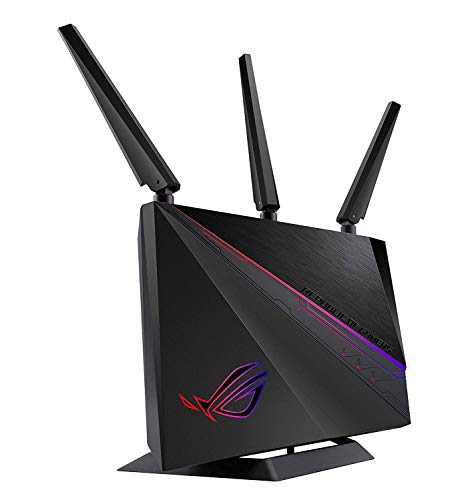
Gaming focused AiMesh routers add QoS tools that prioritize game traffic, plus gaming ports and sometimes a dedicated game mode in the app. They can reduce lag spikes when others stream in 4K, but they cannot fix a slow internet plan or a far away node. Choose this type if competitive play matters and you will actually use the prioritization controls. Casual players usually do fine with a strong overall system and a wired connection for the main console or PC.
Care and Maintenance Tips
A mesh system needs light but regular care to stay fast and secure. A few habits prevent most slowdowns that people blame on hardware age. If you also manage a separate work network, our guide to the best wlan routers covers related basics for comparison.
- Place the router centrally and elevated. A shelf in a central room beats a floor corner or a closed cabinet, and nodes should have clear air around them.
- Update firmware regularly. Turn on automatic updates if offered, since updates patch security flaws and often improve roaming and stability.
- Change default admin passwords. Set a unique admin password and a strong WiFi password, and store both in a password manager.
- Reboot monthly if you notice slowdowns. A restart clears stuck processes, and doing the main unit first lets nodes reconnect in a clean order.
- Check node placement after furniture changes. A new metal shelf or a large TV can block signal paths that worked well before.
- Review connected devices twice a year. Remove old gear you no longer own and confirm unknown devices are not on your network.
FAQs
Mesh or a single router: which is better?
A mesh system is better when you have dead zones, more than one floor, or rooms far from the router. A single strong router is simpler and cheaper for a compact apartment where every room already gets a solid signal. The deciding test is coverage, not speed labels. If one corner of your home drops calls or buffers video, mesh will help more than a faster single unit placed in the same spot.
How often should I replace my router?
Most people replace a router every four to six years. Replace sooner if it no longer gets security updates, if it lacks WPA3 and you have sensitive work on the network, or if your new internet plan far exceeds what the hardware and ports can handle. A useful sign is repeated reboots or dropped nodes that firmware updates do not fix. Age alone matters less than support status and whether coverage still meets your needs.
Do I need WiFi 7 yet?
Most homes do not need WiFi 7 yet. You will benefit most if you have WiFi 7 devices, a gigabit or faster plan, and a lot of simultaneous traffic. For everyone else, a well placed WiFi 6 or 6E AiMesh system delivers a bigger daily improvement for less money. Buy WiFi 7 when you plan to keep the system for many years and want the longest useful life, not because the number sounds newer.
Will a new router speed up my internet?
A new router can improve your local WiFi speed and coverage, but it cannot make your internet plan faster than the speed you pay for. If wired speeds at the modem are slow, call your provider first. If wired speeds are good but WiFi drops in other rooms, a mesh upgrade is the right fix. Households switching providers can also check our guide to the best routers for spectrum for plan specific notes.
Wrapping Up
Focus on three things first: enough nodes for your layout, a WiFi standard that matches your devices and plan, and ports fast enough for your service. Add strong security and an app you find easy, and you have a system that should last for years. When you are ready, compare the best aimesh routers in the product table above and pick the profile that fits your home, not the highest speed label.


