Best 4000 Watt Generators at Every Price: What Your Money Really Gets You for 2026
Disclosure: We may earn a commission when you buy through links on this page, at no extra cost to you. As an Amazon Associate I earn from qualifying purchases. Learn more
Learn how to choose the best 4000 watt generators by price tier, fuel type, and runtime, with a clear checklist for home backup and safe use.
A 4000 watt generator sits in a practical middle ground: strong enough to keep a refrigerator, lights, and a sump pump going in an outage, yet still portable enough for a job site or campsite. Prices spread widely, though, from plain conventional models to quiet inverter and dual fuel designs. This guide shows what each tier adds so you can choose the best 4000 watt generators for your needs without overspending.
Safety comes first with any fuel burning generator. Run it outdoors only, at least 20 feet from the home, with the exhaust pointed away, because carbon monoxide can build up in minutes in a garage or near a window. The comparison table below groups the main options by price to make the tiers easy to scan.

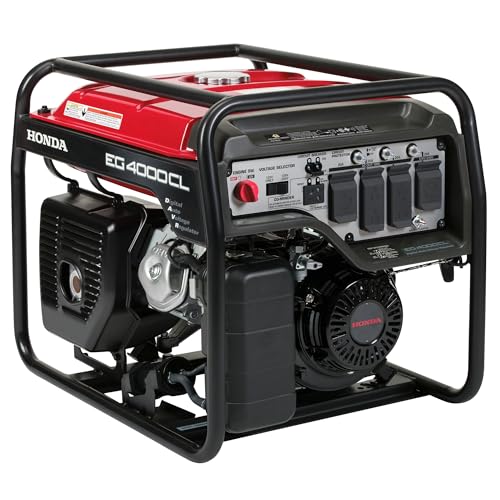


Choosing by Budget: Three Tier Profiles
Budget Tier Profile: Basic Backup Power
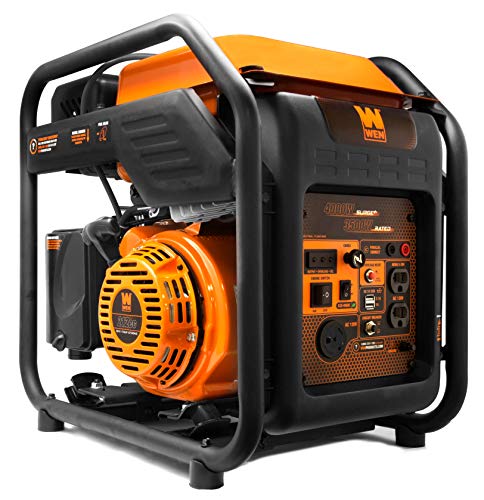
The budget profile, usually around $300 to $450, suits occasional outage cover and job site tools where noise is not a concern. You get a conventional open frame generator with recoil start, a steel fuel tank, and enough outlets for extension cords to key appliances. Power quality is rougher, so sensitive electronics are better kept off this tier or protected. The limitation is noise and fuel use: these models are loud enough to annoy neighbors and drink fuel faster at light loads. For a few outage days a year, that trade can still be sensible.
Midrange Tier Profile: Inverter Quiet and Cleaner Power
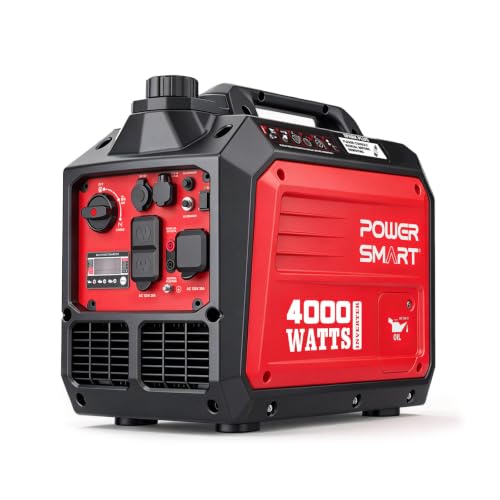
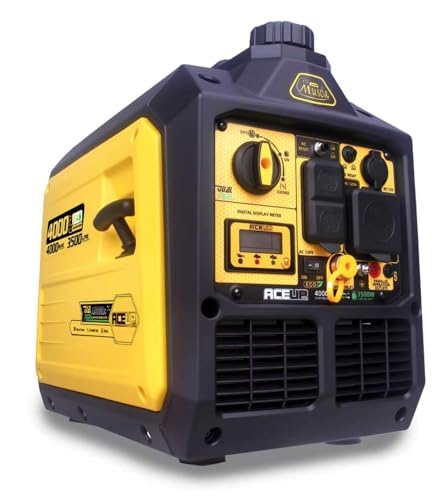
The midrange profile, usually around $450 to $700, is where most homeowners should look. Inverter models dominate here, delivering cleaner power that is safe for laptops, TVs, and modern furnace controls, along with much lower noise and better fuel economy at partial load. Electric start appears on many models, and parallel capability lets you link two units later if your needs grow. The trade off is a smaller fuel tank on some enclosed designs, which shortens runtime between refills during a long outage.
Premium Tier Profile: Dual Fuel and Long Runtime
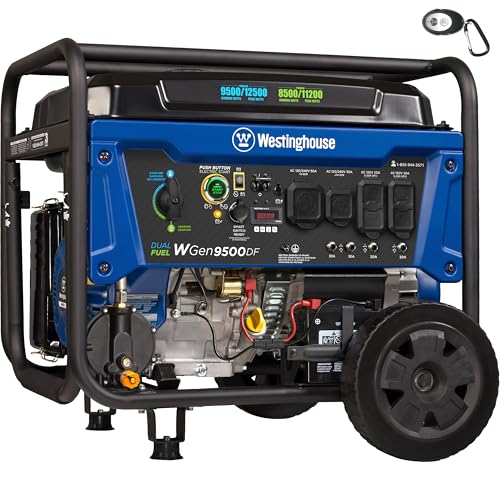
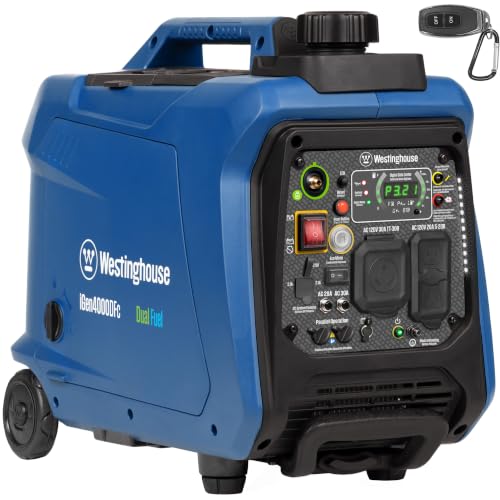
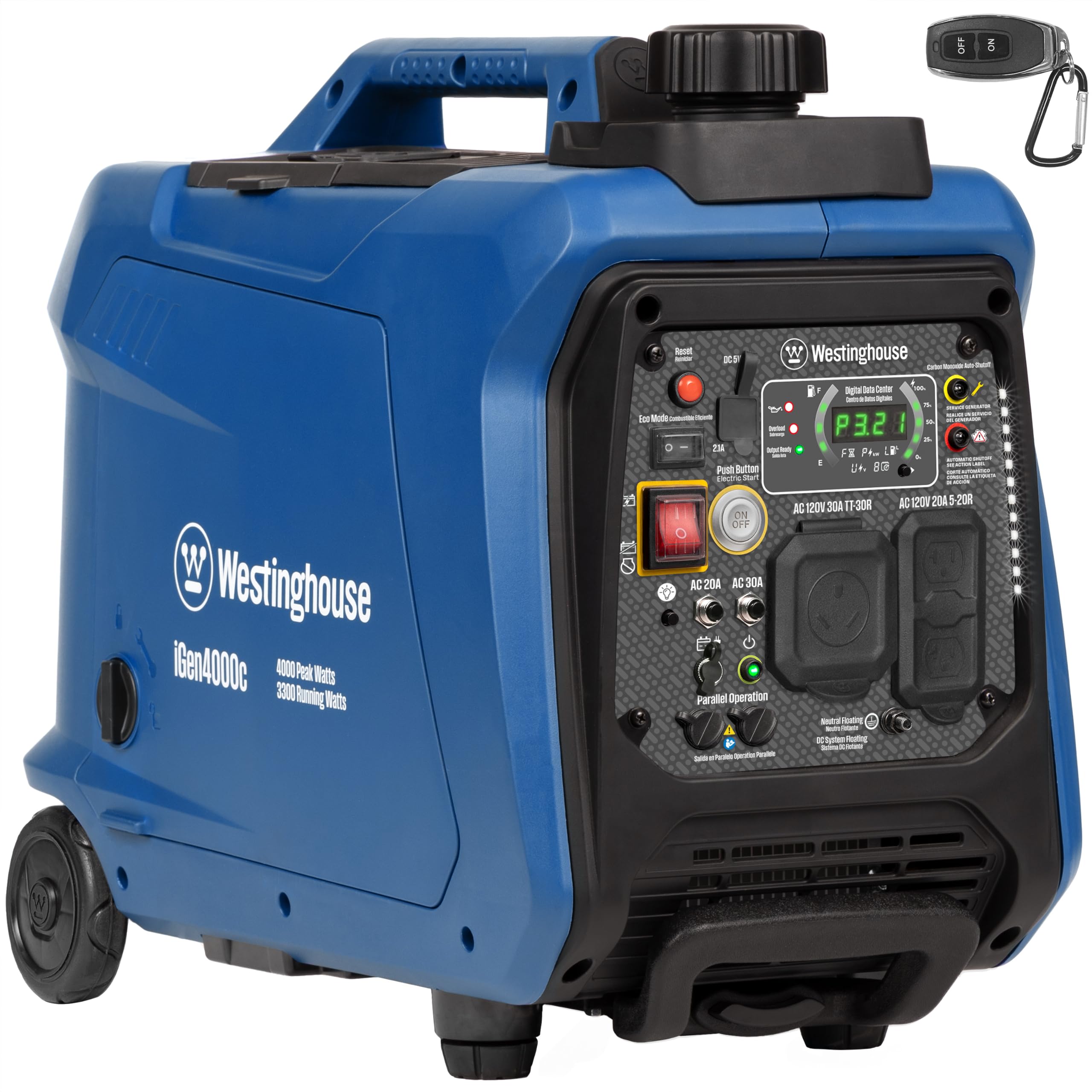
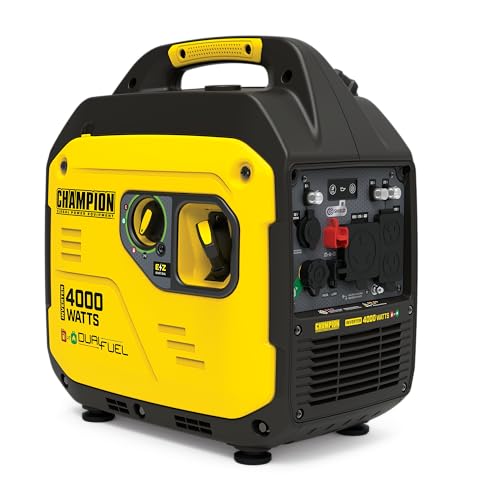
The premium profile, usually around $700 to $1,000, suits frequent outages, larger backup loads, and buyers who want fuel flexibility. Dual fuel models run on gasoline or propane, and propane stores for years without going stale, which matters when storms are seasonal. Expect electric start with a remote on some models, larger tanks, longer warranties, and carbon monoxide shutoff sensors as standard. The limitation is weight and price: these are the heaviest units in the class, and wheels and handles become essential rather than nice extras.
What Your Money Gets You at Each Price Tier
Budget Tier: What to Expect
Expect honest, simple machinery: a proven engine design, manual start, basic outlets, and a frame that doubles as protection in a truck bed. Runtime at half load commonly falls around eight to ten hours on a tank. What you give up is refinement. Voltage swings more as loads switch on, so a refrigerator will run fine while a laptop charger is better left to a power strip with surge protection or skipped entirely during the outage.
Midrange Tier: The Sweet Spot for Most Buyers
Midrange money buys an inverter, and that changes daily life with the generator. Noise drops to conversation level at typical distances, fuel stretches further because the engine slows at light load, and the cleaner output protects the electronics you actually care about. If you think you may outgrow this size, our guide to the best 5000 watt generators shows the next step up, while most single home backup needs stay comfortably inside the 4000 watt class.
Premium Tier: When Spending More Pays Off
Spending more pays off when outages are long, fuel storage matters, or the generator must start easily for every member of the household. Propane capability, electric start, and a carbon monoxide sensor are practical upgrades, not luxuries, in those situations. Premium models also tend to carry better parts support and longer warranties. If your load list keeps growing toward a well pump and a window air conditioner at once, compare this tier against our guide to the best 8000 watt generators before you force a smaller unit to work too hard.
Features Worth Paying For (and Ones to Skip)
Battery Capacity and Solar Input (for Power Stations)
If you are cross shopping battery power stations, capacity is measured in watt hours rather than watts, and a station near this output class stores roughly 2000 to 4000 watt hours. Solar input speed decides how fast it refills during a sunny outage day. Power stations win on silence and indoor safety, since they make no exhaust, but they cost far more per hour of runtime. Fuel generators remain the value choice for long outages, while stations suit apartments and short, quiet backup needs.
Portability and Safety Features
Weight in this class ranges from about 50 lb for compact inverters to over 100 lb for dual fuel open frame models, so wheels and a folding handle are worth real money if you will move the unit alone. On safety, a carbon monoxide shutoff sensor is the feature to insist on, alongside low oil shutoff that protects the engine. Electric start helps in cold weather and for users with limited grip strength. Never skip the basics, though: outdoor placement and a working carbon monoxide alarm inside the home matter more than any single feature.
Generator Type (Portable, Inverter, Standby, Solar Power Station)
Conventional portable generators are the cheapest path to raw watts and suit tools and basic appliances. Inverter portables cost more but produce cleaner power with low total harmonic distortion, which modern electronics prefer. Home standby generators are a different category entirely: permanently installed, automatic, and far pricier, though our guide to the best 10000 watt generators and the best 15000 watt generators covers the larger end of backup thinking. Solar power stations trade runtime for silence and indoor use. Choose the type by your outage length and noise tolerance first.
Wattage: Running vs Starting Watts
Running watts are what a generator delivers continuously, while starting watts are the brief surge it can supply when a motor kicks on. A refrigerator might run at about 150 watts but surge to 800 watts or more at startup. Add your running loads, then check that the largest single surge fits inside the starting watt rating. A practical know how method is to list each appliance with both numbers from its label, total the running column, and keep the total under about 80 percent of the generator rating for headroom and quieter operation.
Runtime and Fuel Efficiency
Runtime claims are usually quoted at 25 percent or 50 percent load, so compare models at the same load or the numbers mislead you. Inverter models shine here because their engines throttle down when demand is light, stretching a tank through the night for a refrigerator and a few lights. Dual fuel models run shorter per tank on propane than on gasoline but gain storage life. For outage planning, assume you will refuel once a day and store fuel safely outdoors in approved containers, away from the generator and any ignition source.
Long Term Costs to Factor In
Budget for oil, spark plugs, and air filters each season, plus fuel stabilizer if gasoline sits between outages. A transfer switch or inlet box installed by an electrician, often around $300 to $800 with labor, removes the extension cord tangle and is the safest way to feed house circuits. Never connect a generator to house wiring through a dryer outlet or any improvised cord, a practice that can backfeed power and endanger line workers. Add a weather cover, a heavy duty extension cord rated for outdoor use, and fresh carbon monoxide alarm batteries to the real cost of ownership.
4000 Watt Generators: Your Questions Answered
Inverter or conventional: which is better?
Inverter models are better for most homes because they run quieter, use less fuel at light loads, and produce cleaner power that is safe for electronics. Conventional models are better when the budget is tight and the loads are tools, a refrigerator, and lights, where power quality matters less. The price gap has narrowed, so the decision usually comes down to noise: if the generator will run near bedrooms or neighbors, the inverter earns its premium quickly.
How long can a 4000 watt generator run continuously?
Most models run about eight to sixteen hours per tank depending on load, and they can run for days with refueling breaks and oil checks. Shut the unit down to refuel and let it cool first, since pouring gasoline near a hot exhaust is a fire risk. Check oil at least daily during long outages, because low oil is the top cause of mid outage engine damage. Follow the manual rest and service intervals for your model.
Can a generator of this size run a refrigerator?
Yes, a refrigerator is one of the easiest loads for this class. It typically runs at about 100 to 200 watts and surges briefly at startup, leaving most of your capacity for lights, a phone charger, WiFi, and a fan or small heater controls. Start the refrigerator first and let the compressor settle before adding other motor loads such as a sump pump, so two surges do not stack at the same moment and trip the breaker.
Do I need a transfer switch?
You need one only if you want to power hardwired house circuits such as a furnace, well pump, or ceiling lights. For plug in appliances, rated extension cords from the generator work fine and cost far less. A transfer switch or an interlock kit installed by an electrician is the safe, code compliant route for circuits, and it also makes outage setup faster and calmer in bad weather. Never use a double ended cord to feed a panel.
What size generator do I need to power a house?
It depends on what you count as powering the house. A 4000 watt unit covers essentials for most homes: refrigerator, lights, WiFi, furnace fan, and a sump pump, run with some care about what starts at once. Whole house comfort with central air conditioning and an electric range usually calls for 10000 watts or more, which is why our guide to the best 1000 watt generators sits at the other extreme for light camping loads. List your must run loads first, and size from that list, not from the house square footage.
Wrapping Up
Total your running and starting loads first, then pick your tier: conventional for basic value, inverter for quiet and clean power, dual fuel premium for long outages and stored fuel. Keep safety non negotiable with outdoor placement and a carbon monoxide alarm indoors, and check the product table above for runtime and outlet layouts. With that plan, choosing among the best 4000 watt generators becomes a clear fit for your home and budget.