Best 15000 Watt Generators 2026: Home Backup Guide
Disclosure: We may earn a commission when you buy through links on this page, at no extra cost to you. As an Amazon Associate I earn from qualifying purchases. Learn more

Size the best 15000 watt generators for home backup with plain advice on fuel, transfer switches, noise, and carbon monoxide safety.
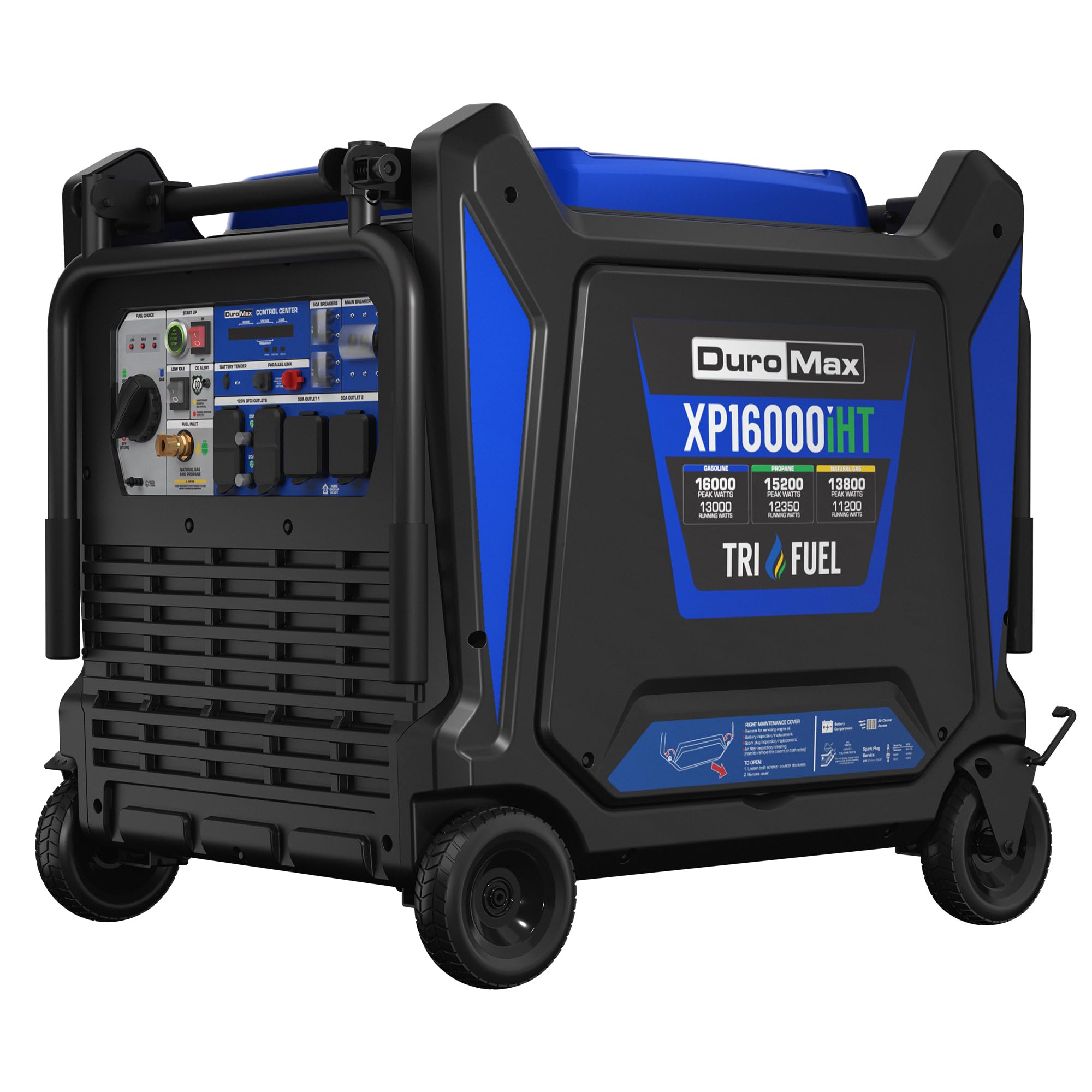
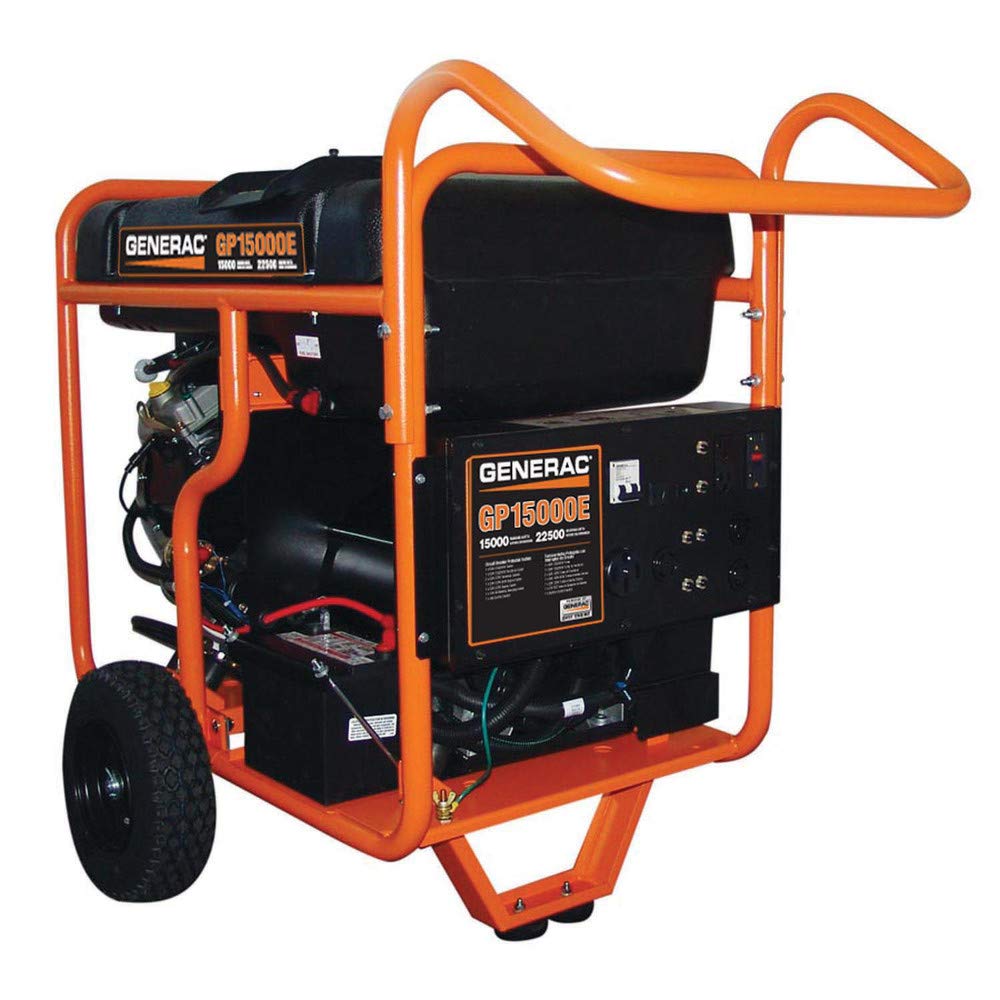
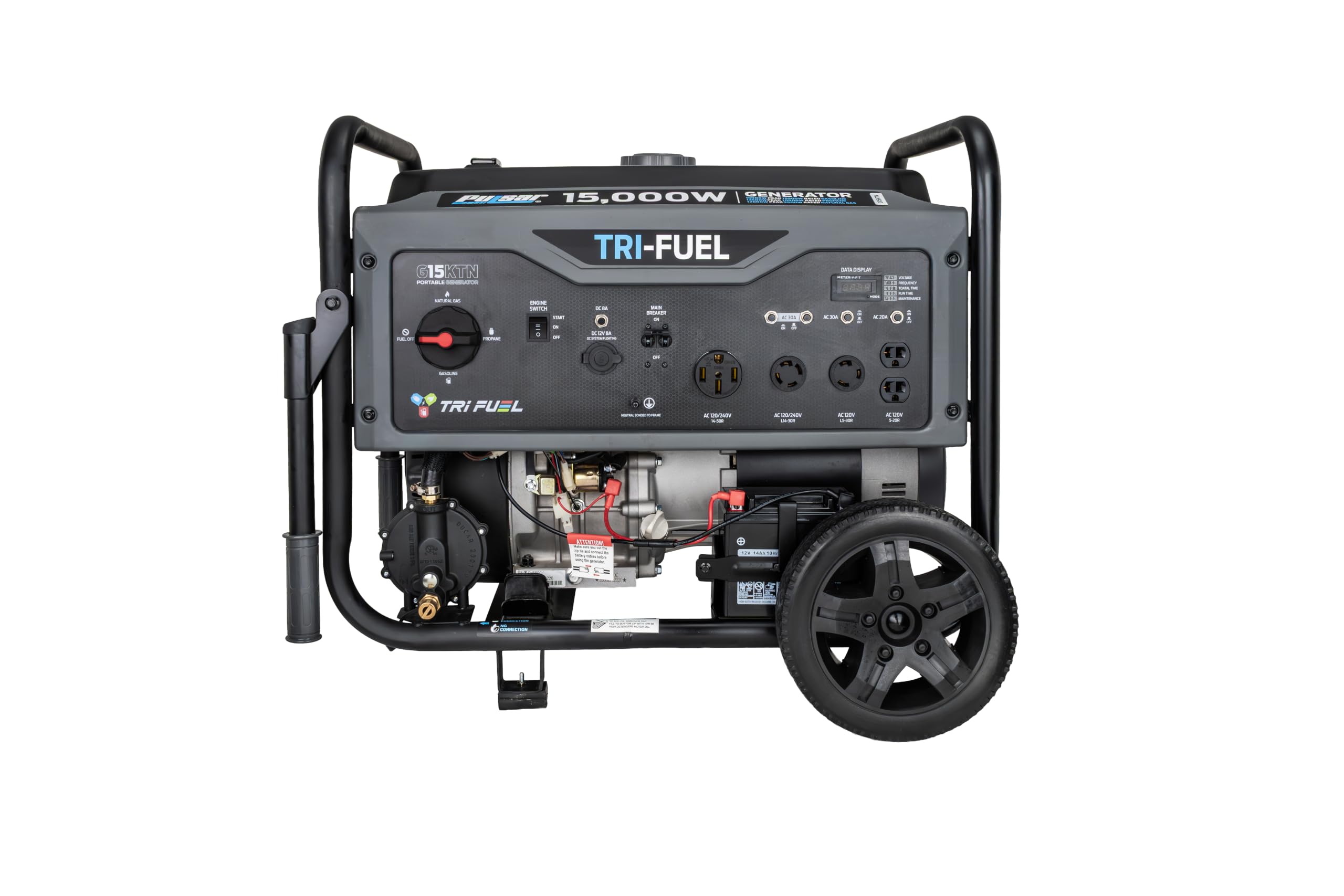
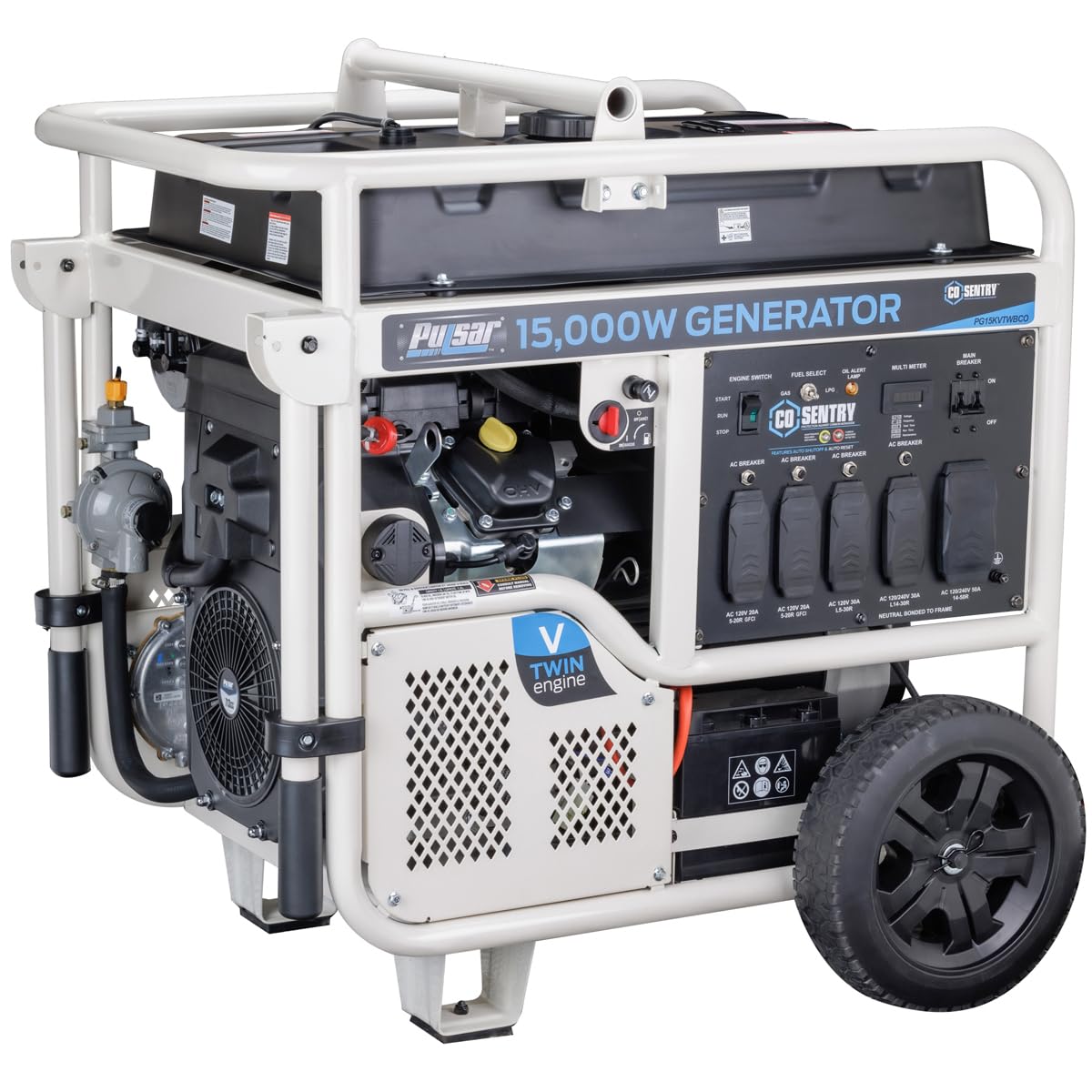
The best 15000 watt generators sit at the powerful end of portable and standby home backup, able to run many household essentials together during an outage. Fifteen thousand watts can cover a well pump, refrigerator, lights, and smaller heating or cooling loads, though exact coverage depends on starting watts and your home priorities. This guide explains sizing, fuel types, connection safety, and running costs.
The product table gives an overview of the main options, and the sections that follow cover wattage math, fuel choices, transfer switches, noise, and carbon monoxide safety. A generator this large is a serious investment, so sizing and safe installation deserve more attention than any single feature.


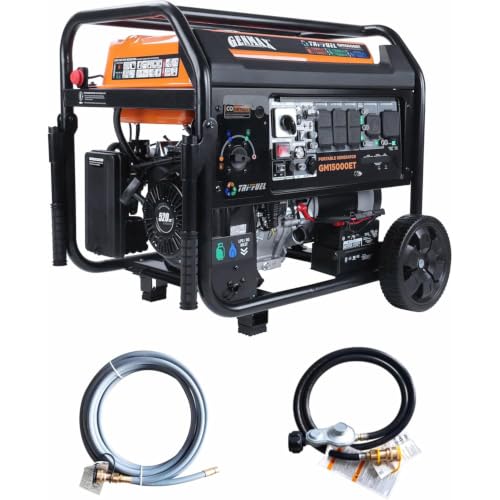
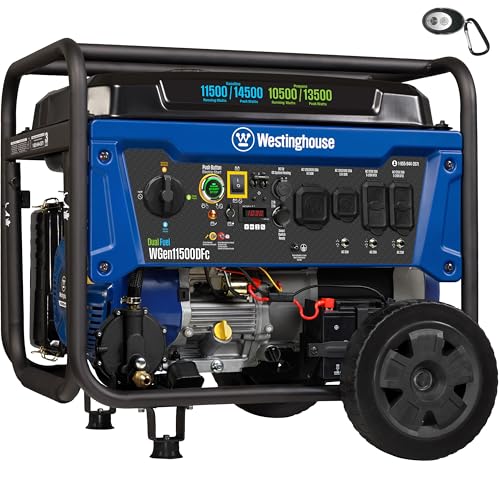

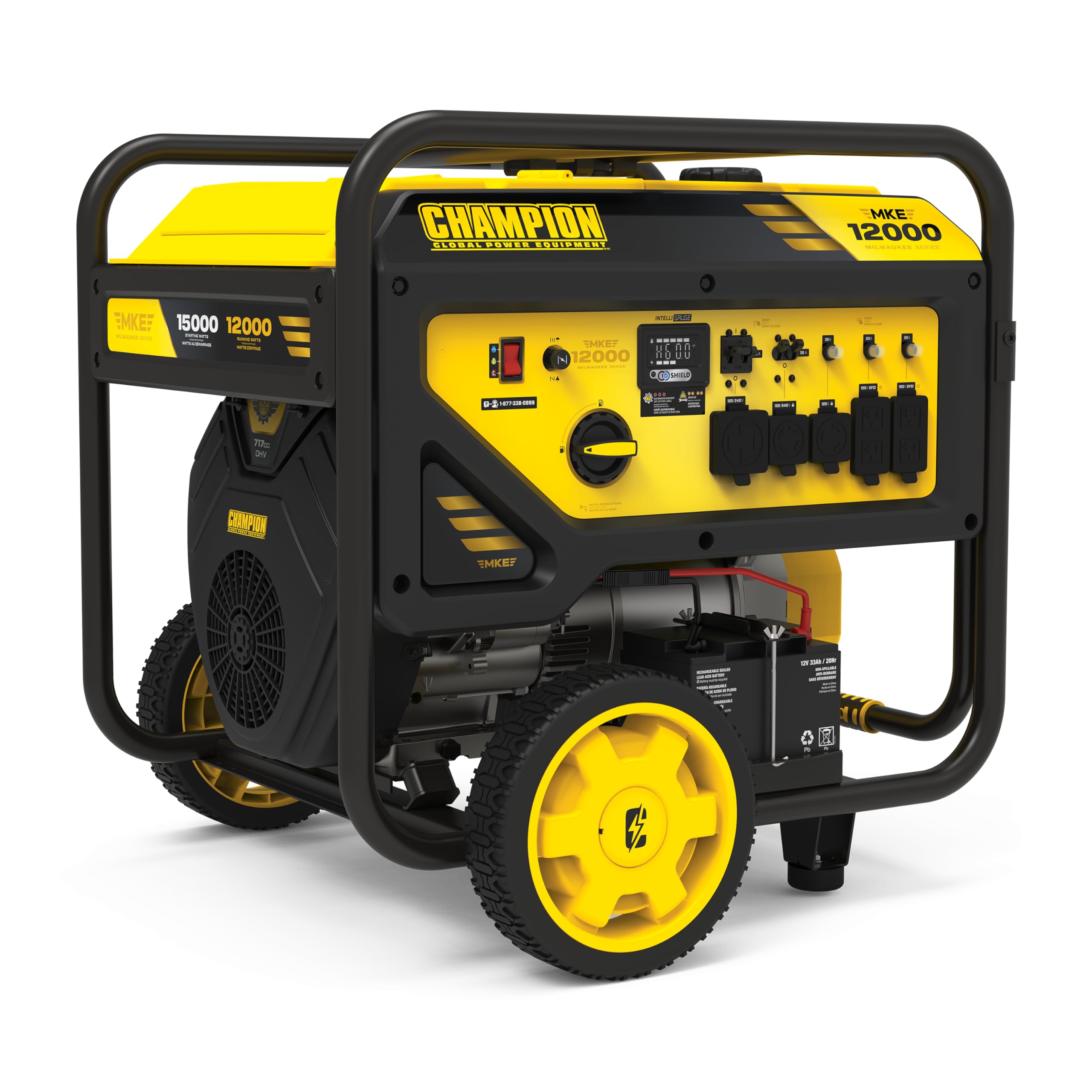
Sizing the Best 15000 Watt Generators: Running Versus Starting Watts
Running watts measure steady power, while starting watts measure the brief surge motors need at startup, and large motors can surge to double or triple their running draw. List your essential loads with both figures, then add running watts and the largest single starting surge to estimate your need. A 15000 watt generator covers many homes, but a large central air conditioner plus a well pump starting together may still exceed it.
Prioritize loads before buying, since running everything at once rarely makes sense during an outage. Choose essentials such as refrigeration, well water, lights, communications, and medical devices, then add comfort loads only if capacity remains. A load management plan, written down before an outage, prevents tripped breakers and frustration in the dark.
Fuel Types and Run Time
Gasoline generators cost less upfront and refuel easily, but gasoline stores poorly and needs stabilizer for long storage. Propane stores indefinitely, burns cleaner, and suits standby use, though propane tanks need space and delivery planning. Diesel generators offer efficiency and durability for heavy use, yet they cost more and need fuel care in cold weather.
Dual fuel models switch between gasoline and propane, giving flexibility when one fuel runs short during a long outage. Check run time at half load, since that figure reflects realistic use better than run time at quarter load. Keep enough fuel for at least a day of essential use, and rotate stored fuel regularly so it stays fresh.
Transfer Switches and Safe Connection
Never connect a generator directly to home wiring without a transfer switch or interlock, since backfeeding can kill utility workers and damage equipment. A manual transfer switch lets you choose circuits during an outage, while an automatic switch starts a standby generator and transfers loads without intervention. Installation needs a licensed electrician, who will size the switch and confirm grounding and code compliance.
Portable generators can also power individual appliances through heavy duty extension cords rated for the load, which avoids wiring work but limits coverage. Use outdoor rated cords, keep connections dry, and never overload a cord, since undersized cords overheat. A transfer switch costs more upfront but gives safer, simpler whole home coverage during stressful outages. For more on whole home options, see best backup generators.
Carbon Monoxide Safety
Carbon monoxide from generators kills quickly and without warning, so never run a generator indoors, in a garage, or near open windows, doors, or vents. Place the generator outdoors at least twenty feet from the house, with exhaust pointing away from buildings, and install battery powered carbon monoxide alarms on every level of your home. Never rely on smell or symptoms to warn you, since carbon monoxide is colorless and odorless.
If an alarm sounds, move outside immediately and call emergency services, even if you feel fine. Keep the generator dry under a canopy that allows airflow, never inside an enclosed shed while running. Teach every household member these rules before an outage, because stress and darkness increase the risk of dangerous shortcuts.
Noise, Placement, and Neighbors
Large generators are loud, so placement, distance, and barriers affect neighbors and your own comfort. Inverter models run quieter and adjust engine speed to load, while conventional models run at fixed speed regardless of demand. Check local noise rules and outage expectations, and warn neighbors before a planned trial run so the sound does not surprise them.
Place the generator on level ground with airflow around it, away from bedrooms and patios where possible. A sound dampening enclosure helps only when it allows proper ventilation, since overheating damages engines quickly. Run the generator monthly under load, so it starts reliably when an outage actually arrives.
Maintenance and Long Term Costs
Maintenance includes oil changes, air filter checks, spark plug replacement, and battery care for electric start models, following the maker schedule. Exercise the generator monthly, keep fuel fresh, and store it clean and dry between uses. A neglected generator often fails exactly when it is needed most, so a simple maintenance calendar protects your investment.
Long term costs include fuel, oil, filters, transfer switch installation, and possible professional servicing. Compare total ownership cost, not only purchase price, and check warranty terms for residential versus commercial use. The product table can help you compare options once you know your essential loads and fuel preference.
A Final Check Before You Order
Before ordering, get quotes from licensed electricians for transfer switch installation, since that cost varies by home wiring. A professional survey reveals panel capacity, grounding needs, and permit requirements before purchase. Installation planning prevents a powerful generator sitting unused for lack of safe connection.
Plan fuel storage safely and legally, keeping gasoline in approved containers away from living areas and ignition sources. Propane tanks need secure outdoor placement and delivery access, while diesel needs cold weather care in winter climates. Fuel planning matters as much as generator choice during long outages.
Create a written outage plan listing essential circuits, start order, and fuel checks, and keep it near the generator. Stress during outages impairs memory, while a written plan guides calm action. Practice the plan once in daylight, so night time outages feel familiar rather than chaotic.
Finally, install carbon monoxide alarms on every level before the first outage, replacing batteries on schedule. Alarms save lives only when working, so check them monthly alongside generator exercise runs. Safety equipment deserves the same routine as the generator itself.
Related Guides to Compare
Smaller homes may need far less power, so see best 5000 watt generators for 5000 watt options.
If 15000 watts exceeds your needs, best 10000 watt generators covers 10000 watt models for medium homes.
For essential circuits only, best 8000 watt generators explains 8000 watt generators and their coverage.
Tiny loads and camping suit small units, so best 1000 watt generators covers 1000 watt portable models.
For a fridge, lights, and small tools, best 4000 watt generators covers 4000 watt portable generators.
Frequently Asked Questions
What can a 15000 watt generator run?
A 15000 watt generator can run many household essentials together, such as a refrigerator, well pump, lights, furnace fan, and communications gear. Large central air conditioning plus other big motors starting together may still exceed capacity, so list running and starting watts for your loads. Prioritize essentials in writing before an outage, and add comfort loads only if capacity remains.
Do I need a transfer switch?
Yes, any generator connected to home wiring needs a transfer switch or approved interlock installed by a licensed electrician. Direct connection without one can backfeed power to utility lines, endangering workers and damaging equipment. Individual appliances can run through heavy duty extension cords instead, but that limits coverage and needs careful cord sizing.
How far from the house must a generator run?
Run a generator outdoors at least twenty feet from the house, with exhaust pointing away from windows, doors, and vents. Never run one indoors or in a garage, even with doors open, since carbon monoxide builds quickly. Install battery powered carbon monoxide alarms on every home level, and move outside and call emergency services if an alarm sounds.
Gasoline, propane, or diesel: which fuel is best?
Gasoline costs less upfront and refuels easily but stores poorly, propane stores indefinitely and burns cleaner, and diesel suits heavy durable use at higher cost. Dual fuel models offer flexibility when one fuel runs short during long outages. Choose by storage space, fuel availability in your area, and how often you expect outages.
How often should I run my generator?
Run your generator monthly under load, following the maker instructions for run time and load level. Monthly runs keep fuel moving, charge starter batteries, and reveal problems before an outage. Change oil and filters on schedule, keep fuel fresh, and store the generator clean and dry between uses. Keep a simple log of run dates so maintenance never slips through a busy season.
Final Thoughts
Size by essential loads with starting watts in mind, choose fuel for storage and availability, and install a transfer switch through a licensed electrician. The product table summarizes the main options, and carbon monoxide safety must govern every placement decision. A powerful generator only helps when it starts reliably and runs safely.
With the best 15000 watt generators chosen around real loads and safe installation, outages become manageable rather than frightening. Plan loads in advance, maintain the machine, and keep alarms working on every level.