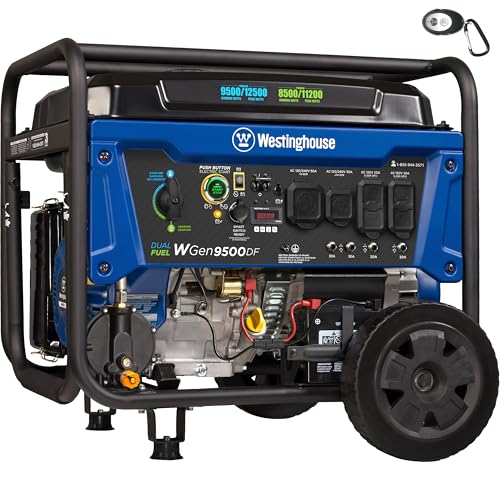
The Best 1000 Watt Generators: A Complete Buying Guide for 2026
Disclosure: We may earn a commission when you buy through links on this page, at no extra cost to you. As an Amazon Associate I earn from qualifying purchases. Learn more
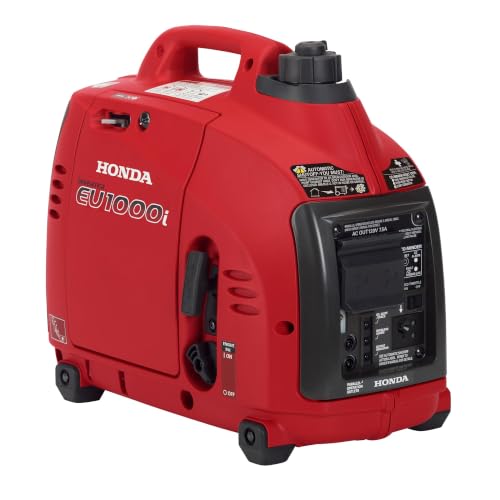
Running watts, fuel, noise, clean power and safety features explained to help you choose the best 1000 watt generators for home and camping.
A 1000 watt generator sits in a sweet spot. It is light enough to carry to a campsite or move around a job site, yet strong enough to keep a refrigerator cold, charge phones and laptops, and run a few lights during an outage. The trouble is that wattage alone tells you very little, because two units with the same rating can differ a lot in noise, run time, and power quality.
This guide walks you through the best 1000 watt generators by the criteria that actually decide ownership: real running watts, fuel choice, sound level, and safety features. Use the product table to shortlist a few models, then use the sections that follow to check whether a small unit truly fits your loads or whether you need to step up in size.
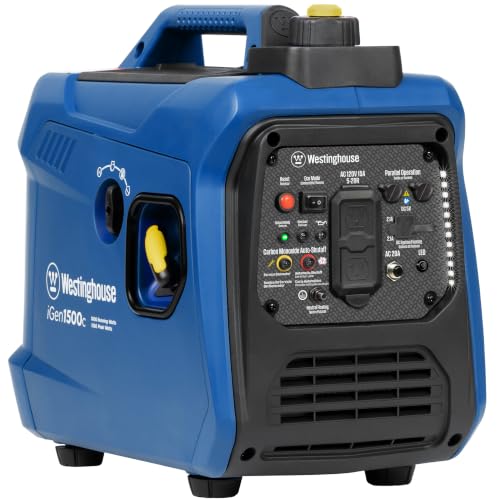


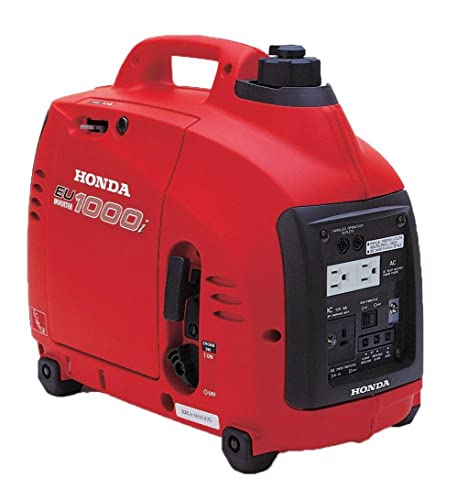
What Each Price Tier Usually Gives You
Budget Tier, Around $250 to $400
Budget units are usually conventional gasoline models or very basic inverter models. Expect pull start only, one or two standard outlets, a small fuel tank, and run times of about five to eight hours at half load. Noise is the main trade off, because cheaper mufflers and open frames let more sound escape. Check the fine print: some budget models quote starting watts in large print and hide a much lower running watt figure, and a few lack a carbon monoxide shutoff sensor, which should rule them out.
Midrange Tier, Around $400 to $650
This is where most buyers should shop. Midrange inverter generators add clean power that is safe for laptops and modern appliances, quieter operation, and better fuel economy because the engine slows down when loads are light. Many add a USB port, a display that shows remaining run time, and parallel ports that let you link two units for more power later. You also tend to get better build quality and a warranty of two or three years instead of one.
Premium Tier, Around $650 to $1,000
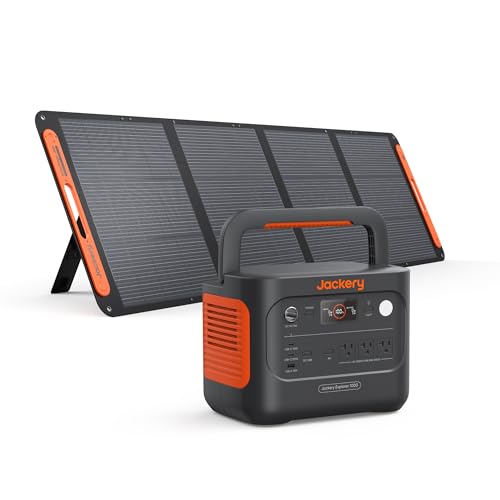
Premium small generators earn their price through convenience rather than extra watts. Look for electric start, dual fuel capability, longer run time per tank, and the quietest ratings in the class, sometimes near 50 dBA at a light load. Solar power stations with LiFePO4 batteries also sit in this tier, trading fuel for silent indoor safe operation. Choose this tier if you use the unit often, camp where noise rules are strict, or find pull starting hard.
How to Choose the Right 1000 Watt Generator
Generator Type: Portable, Inverter, Standby, and Solar Power Station
Conventional portable generators are the cheapest way to make power, but their output varies with engine speed, which can strain sensitive electronics. Inverter generators clean up that output and run far more quietly, so they suit homes and campsites best. Home standby generators are permanent whole house systems and do not really exist at this small size, so treat any standby claim at 1000 watts with skepticism. Solar power stations store energy in a battery instead of burning fuel, which makes them silent and safe indoors, but once the battery is empty you must recharge from the sun, a wall outlet, or a vehicle.
Fuel Type: Gasoline, Propane, Dual Fuel, Natural Gas, and Solar
Gasoline gives the most energy per gallon and is easy to find, yet it goes stale in a few months and needs stabilizer for storage. Propane stores almost indefinitely and burns cleaner, though it delivers slightly fewer watts. Dual fuel generators run on either one, ideal during long outages when gas stations may be closed. Solar charging costs nothing per hour but depends on weather and panel size, so plan a full day of sun to refill a large station.
Noise Level in dBA
Noise ratings only mean something at a stated distance and load, usually measured at about 23 feet and at one quarter load. A quiet inverter near 52 dBA sounds like normal conversation, while an open frame unit at 68 dBA forces you to raise your voice nearby. Campgrounds and many neighborhoods set limits around 60 dBA during quiet hours, so a loud unit can get you complaints or a fine. If you plan to run a generator overnight near tents or bedroom windows, put noise at the top of your list, ahead of small price differences.
Transfer Switch and Home Connection
A transfer switch connects a generator to selected home circuits safely and prevents backfeed, which is the dangerous flow of power back into utility lines where crews are working. At 1000 watts you will power only one or two circuits, such as the refrigerator and some lights, so many owners simply use heavy duty extension cords rated for outdoor use instead. Never plug a generator into a wall outlet to feed a house, a practice that is illegal in many places and can injure line workers. If you want a permanent inlet and switch, hire a licensed electrician, because panel work is not a do it yourself job.
If your outage loads are bigger than a fridge and lights, a cord based setup will frustrate you quickly. In that case, compare your needs with our guide to the best 5000 watt generators, which covers units that can run several rooms through a proper transfer switch.
Wattage: Running Watts Versus Starting Watts
Running watts are what a generator delivers continuously, and starting watts are the brief surge it can supply when a motor starts. Add up the running watts of everything you want at once, then check the largest motor surge on top of that total. A typical refrigerator runs at about 150 watts but may surge to 800 watts or more at startup. A sump pump can run near 800 watts and surge well past a small generator limit, and a window air conditioner usually needs more than this class can give.
Work through a concrete example before you buy. A fridge at 150 watts, three LED lights at 30 watts total, a phone charger at 20 watts, and a laptop at 60 watts come to about 260 running watts, leaving comfortable headroom under a 900 watt running rating. Add a microwave and the math collapses, because most full size microwaves draw 1000 watts or more on their own; if that appliance matters to you, read our guide to the best 1000 watt microwaves to see their real input draw.
Portability and Safety Features
Most units in this class weigh about 25 to 50 lb, light enough for one adult to carry with the molded handle, though a battery station at the heavy end may still strain a smaller person. Look for a carbon monoxide shutoff sensor, which stops the engine when dangerous gas builds up nearby, plus low oil shutoff, overload protection, and a spark arrestor for use near dry brush. Electric start adds weight but removes the pull cord struggle, and a covered inverter design keeps out dust better than an open frame on a dusty site.
Clean Power and THD for Electronics
Total harmonic distortion, shortened to THD, measures how clean the power wave is. Inverter generators and battery stations typically hold THD under 3 percent, close to utility power, which keeps laptop chargers, TVs, and modern furnace controls happy. Conventional small generators can run at 15 percent THD or higher, fine for a work light or a drill but risky for sensitive electronics and audio gear. If you plan to power a home office setup, clean power is the feature that protects the devices you care about most. For any medical equipment, ask your doctor and follow the device maker's instructions.
Types of 1000 Watt Generators
Home Standby Generators
True home standby generators are fixed units that start automatically when the grid fails, and they almost always start at several thousand watts, far above this class. If whole house automatic backup is your real goal, look at our guide to the best 10000 watt generators for the size range that can carry heating, cooling, and well pumps together. A 1000 watt portable is a manual, partial backup tool, and it works best when you accept that limit from the start.
Dual Fuel Generators
Dual fuel models run on gasoline or propane with a simple selector dial, giving you flexibility when one fuel is easier to store or find. Propane usually trims output by roughly ten percent but extends storage life to years, while gasoline gives full power and longer run time per fill. This type suits preppers, rural homes with a large propane tank, and anyone who hates draining stale fuel each season. The trade off is a slightly higher price and one more connection to check for leaks.
Inverter Generators
Inverter generators produce raw power, convert it to direct current, then invert it back to a clean wave, which is why they are quiet, light, and safe for electronics. The engine also throttles down under light loads, stretching a small tank through a whole night of fridge duty. They cost more per watt than open frame models, and their covered cases can run warm in extreme heat. For most home and camping buyers in this size, though, an inverter is the default choice, and our notes on the best 8000 watt generators show how the same inverter logic scales up when you need far more capacity.
Tips to Get the Most From Your 1000 Watt Generator
- Never run a fuel burning generator indoors or in a garage. Carbon monoxide is colorless and odorless, and it can build up quickly even with a door partly open.
- Keep at least 20 feet between the generator and doors, windows, and vents. Point the exhaust away from the house and away from neighbors, and let the engine cool fully before refueling.
- Run it monthly for about 15 minutes under a small load. Regular exercise keeps seals lubricated, charges a start battery if fitted, and proves the unit will start when an outage actually arrives.
- Use fuel stabilizer in stored gasoline and rotate your supply. Treated fuel lasts far longer, and writing the fill date on the can stops you trusting fuel that should have been used in the mower months ago.
- Stage your loads. Start the largest motor load first, let the engine settle, then add smaller items one at a time so surges never stack on top of each other.
- Store it dry with the fuel valve closed. Running the carburetor dry before long storage prevents the sticky deposits that cause most no start headaches in this class.
FAQs
Can a 1000 watt generator run a refrigerator?
Yes, in most cases a 1000 watt generator can run one standard refrigerator, as long as its running rating is near 900 watts. A typical fridge draws about 100 to 200 watts while running and surges briefly when the compressor starts. Start the fridge first with nothing else connected, let it settle for a minute, then add lights and chargers while staying well under the running limit.
Inverter or conventional generator: which is better at 1000 watts?
An inverter generator is better for most people at this size because it is quieter, lighter, and safe for electronics. A conventional model costs less and tolerates rough handling on a work site, but its noisier output and dirtier power limit it to simple tools and lights. If the price gap is small, choose the inverter. The quiet alone will change how often you are willing to use it.
What size generator do I need to power a whole house?
Most homes need far more than 1000 watts for whole house backup, typically 7500 watts and up once heating, cooling, and a well pump are included. A small unit covers essentials only: a fridge, lights, chargers, and perhaps a small fan. Add up your must run loads honestly, including startup surges, and size for that list rather than for the square footage of the house.
Do I need a transfer switch for a 1000 watt generator?
No, you do not need a transfer switch if you plug appliances directly into the generator with suitable extension cords, which is the normal approach at this size. A transfer switch only makes sense if you want one or two hardwired circuits powered without cords, and it must be installed by a licensed electrician. What you must never do is feed power into house wiring through a dryer outlet or a wall socket.
How long can a 1000 watt generator run continuously?
Most models in this class run about five to ten hours per tank at half load, and inverter models in eco mode can stretch further at light loads. Check the oil level after each full day of outage use, because small engines consume oil slowly and the low oil shutoff will stop the unit without warning. Give the engine a short rest and a full cool down at each refuel rather than running it nonstop for days.
Our Verdict
Start with your real load list, then weigh clean power and noise, because those two traits decide whether a small generator feels easy or miserable to live with. The product table pulls the current options together so you can compare running watts, weight, and fuel type at a glance. Chosen with honest math, the best 1000 watt generators keep food cold, lights on, and phones charged without the bulk or fuel appetite of a full size unit.