
Best 8000 Watt Generators: Buying Guide for 2026
Disclosure: We may earn a commission when you buy through links on this page, at no extra cost to you. As an Amazon Associate I earn from qualifying purchases. Learn more

Learn how to choose the best 8000 watt generators, with clear guidance on running watts, fuel, outlets, noise and safety.
An 8000 watt generator is the size that can carry a home's essential circuits during an outage or run a job site's tools without a second unit. The best 8000 watt generators match their running and starting watts to your real loads, use a fuel you can store, and stay safe and quiet enough for outdoor placement. This guide explains the choices in plain language so you can size one correctly and avoid paying for features you will not use.
Use the product table below for a quick side by side view of current options, then read the sections on who needs this size, the specs that matter and the safety rules every owner should follow.
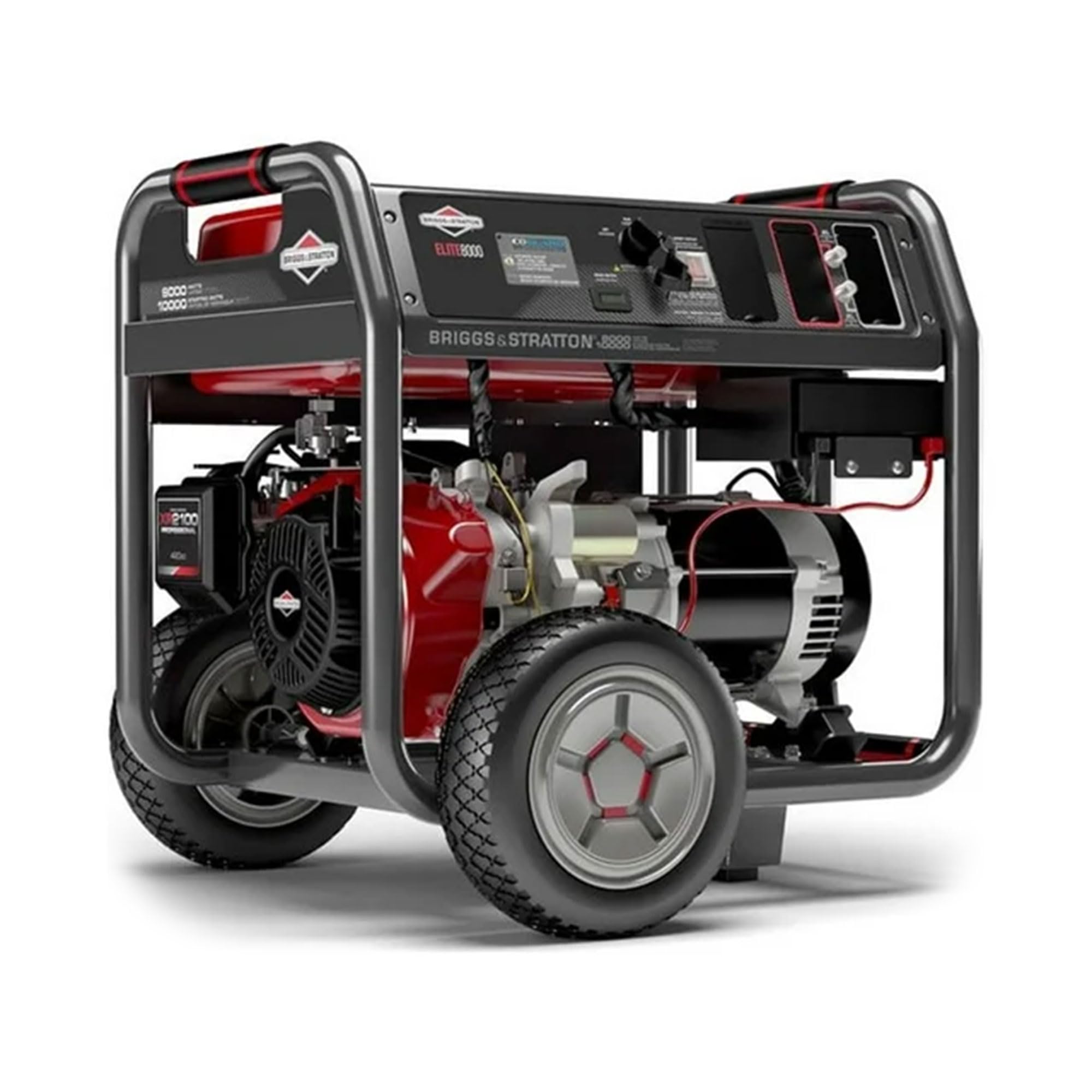
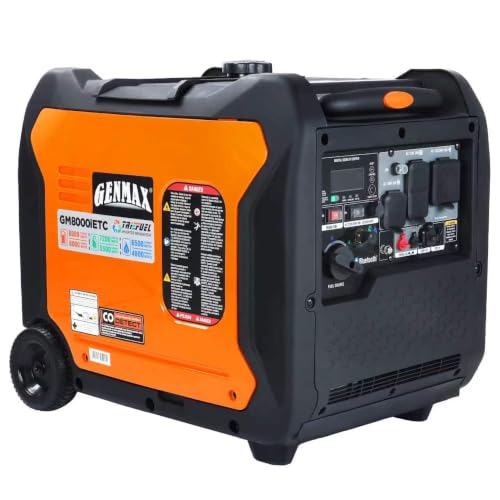
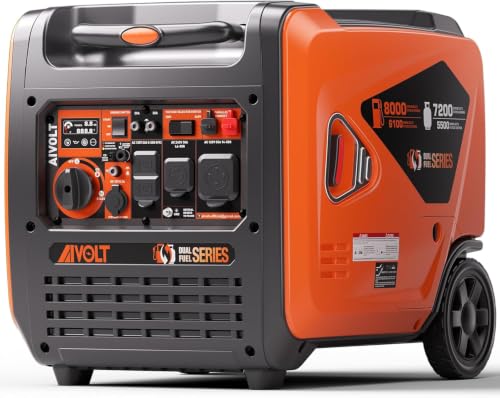

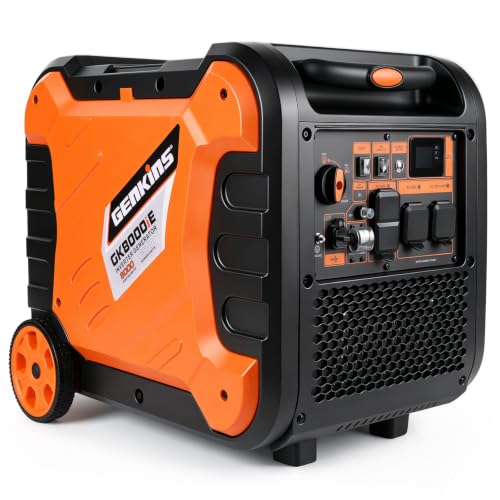
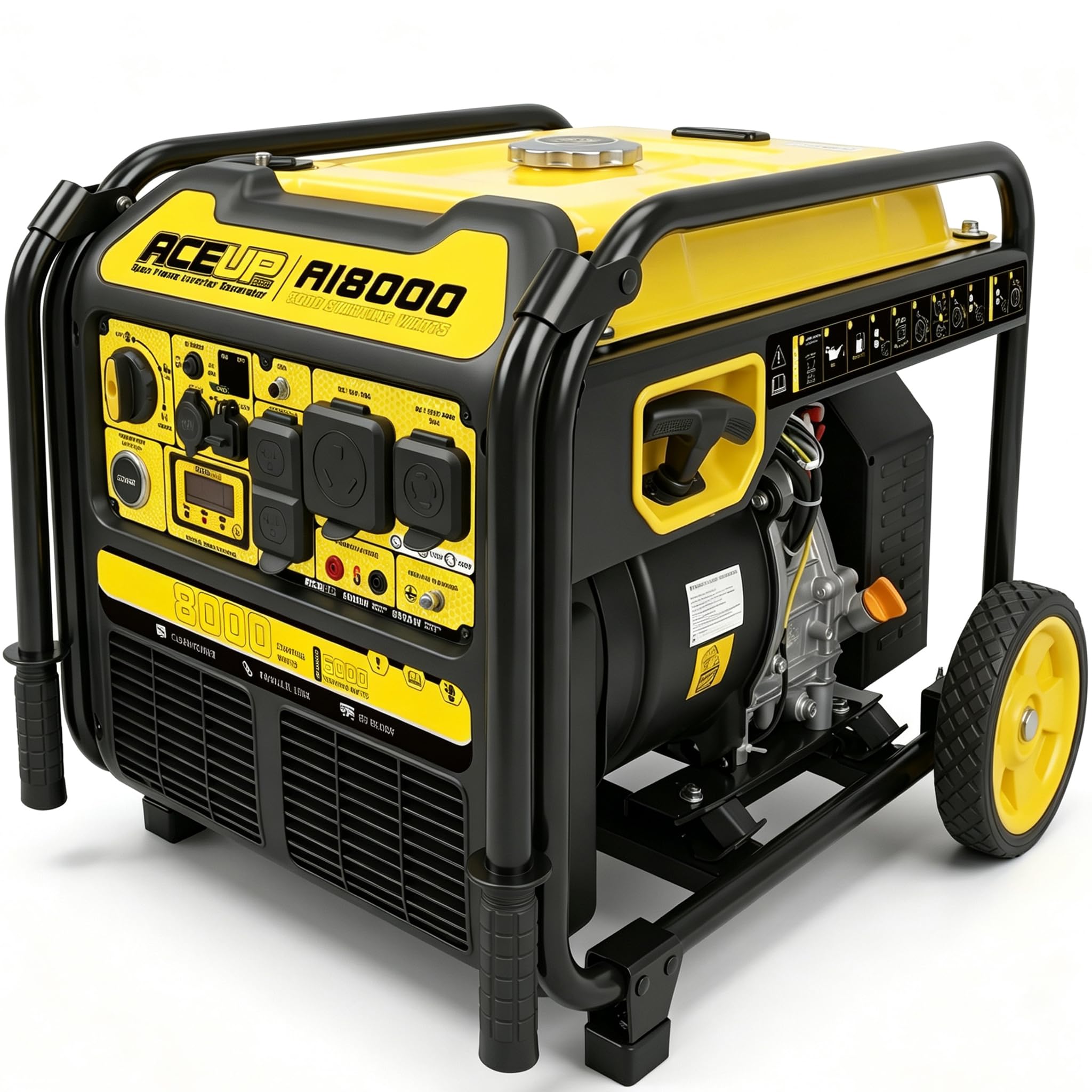

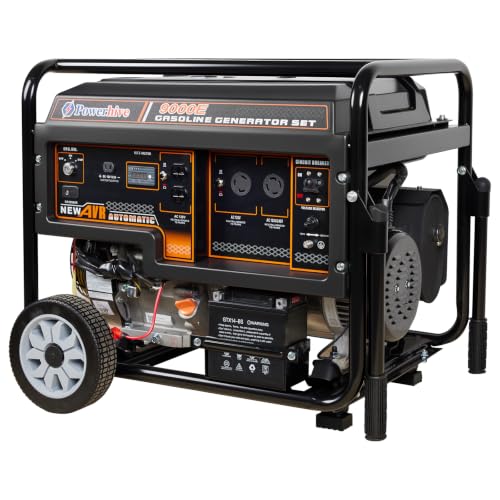
Who Should Buy an 8000 Watt Generator?
Homeowners Planning for Outages
A unit this size can run a refrigerator, lights, a furnace blower, a sump pump and several small appliances at once, and sometimes a well pump or a window air conditioner. Add up the running watts of what you want to power before you shop.
Job Site and Workshop Users
Contractors use 8000 watt units for saws, compressors and chargers on sites without grid power. Look for a steel frame, a 240 volt outlet and wheels or a lift point, because these generators are heavy.
RV and Event Users
Larger RVs and outdoor events need stable power for air conditioners and lighting. An inverter model gives cleaner power for sensitive electronics and usually runs quieter at light loads.
Key Features to Compare
Running Versus Starting Watts
Running watts are continuous power. Starting watts cover the brief surge when a motor starts. Add the running watts of everything you plan to run, then check that the largest motor surge fits within the starting rating. Many 8000 watt labels refer to starting or peak output, so read the running figure carefully.
Fuel Type and Runtime
Gasoline, propane, dual fuel and tri fuel units differ in fuel availability, storage and runtime. Choose a fuel you can store safely and obtain easily, and check runtime at half load rather than at idle. Propane stores for years, while gasoline needs stabilizer.
Outlets and Transfer Safety
Count the outlets you need, including a 240 volt outlet for larger appliances. A transfer switch installed by a qualified electrician is the safe way to connect a generator to home wiring. Never backfeed power through a wall outlet.
Noise and Placement
Noise level matters for neighbors and long outages, so check the rated decibel level at a stated distance. Place the generator outdoors, well away from doors and windows, with the exhaust pointing away from the house.
Start System and Controls
Electric start with a key or remote saves effort on a heavy unit. Look for a fuel gauge, a low oil shutoff and a ground fault protected outlet.
Types of 8000 Watt Generators Compared
Portable Open Frame Generators
These move to where power is needed and cost the least per watt. They are louder and have less clean power, which suits tools and appliances more than electronics.
Inverter Generators
These produce cleaner power for sensitive electronics, adjust engine speed to the load and run quieter. At this size they cost more and weigh more, but suit homes with computers and modern appliances.
Dual Fuel and Tri Fuel Generators
These run on gasoline and propane, and some also on natural gas. They help when one fuel is hard to find during an outage, and suit buyers who can store fuel safely.
How to Size the Best 8000 Watt Generators for Your Home
List each appliance you want to power and write down its running watts and its starting watts. Motors, such as a refrigerator, sump pump or well pump, need a surge several times higher than their running load, but only for a moment. Add all the running watts, then add the single largest starting surge on top. If that total fits within the generator's rating with about 20 percent to spare, the best 8000 watt generators for your list will carry it without strain.
Remember that 240 volt loads, such as a well pump or an electric dryer, need a matching outlet and breaker. If you plan a transfer switch, choose the circuits you want first, because the switch panel is sized to them. Running the generator at about half to three quarters of its rating is more efficient and quieter than running it at the limit, so size up if your list is close.
What Your Money Gets You
Open frame 8000 watt generators cost about $700 to $1,400, inverter and dual fuel models about $1,000 to $2,000. A transfer switch and installation add roughly $500 to $1,500, and a cover, fuel stabilizer and extension cords add a little more. The cheapest unit is not always the best value if it is loud or short on runtime.
Common Mistakes to Avoid
- Sizing from the starting watts instead of the running watts of your loads.
- Running the generator in a garage or near an open window.
- Connecting it to a house outlet without a proper transfer switch.
- Skipping oil changes and fuel stabilizer, then finding it will not start in an outage.
- Ignoring noise limits and placement rules in your area.
Safety and Care
Run the generator outdoors only, never in a garage or near an open window, because carbon monoxide can build up quickly and without warning. Keep a battery powered carbon monoxide alarm in the home. If you feel dizzy, nauseous or confused near a running generator, move to fresh air at once and seek urgent help.
Store fuel safely in approved containers, let the engine cool before refueling, and exercise the unit for a short time every month. Change the oil on schedule, keep the air filter clean and follow the maker's instructions for storage.
A Final Check Before You Order
Write down the running and starting watts of every appliance you want to power, add a margin of about 20 percent, and check the total against the generator's running rating. Confirm the outlet types, the fuel you will use and the space you have for outdoor placement. Keep the packaging until you have started the unit, and confirm the warranty and return terms.
Related guides cover nearby sizes if you are still deciding: best 5000 watt generators, best 10000 watt generators, best 15000 watt generators and best 1000 watt generators.
Frequently Asked Questions
What can an 8000 watt generator run?
Typically a refrigerator, lights, a furnace blower, a sump pump, a freezer and small electronics at the same time, and sometimes a well pump or a window air conditioner. Add up the running and starting watts of each item to be sure.
How long will an 8000 watt generator run on a tank?
Often about 8 to 12 hours at half load on a full tank, depending on the engine and tank size. Propane and dual fuel models may run longer or shorter depending on the fuel. Check the runtime at half load in the specification.
Do I need a transfer switch?
If you want to power household circuits, yes. A transfer switch installed by a qualified electrician keeps generator power from flowing back to the grid, which is dangerous. Otherwise, run appliances directly from the generator with heavy duty extension cords.
Are inverter generators better?
They produce cleaner power and are quieter at light loads, which suits electronics. Open frame models cost less per watt and suit tools. Choose by what you need to power.
How often should I service an 8000 watt generator?
Change the oil after the first break in period and then on the maker's schedule, usually once a season or every 50 to 100 hours. Check the air filter and spark plug yearly, and run the unit monthly.
Final Thoughts
Choosing the best 8000 watt generators comes down to correct sizing, a fuel you can store, safe placement and honest noise levels. Use the product table above to compare the options, check outlets and fuel before you order, and pick the generator that matches how you will actually use it.


