Best All House Generators: Every Type Explained Side by Side for 2026
Disclosure: We may earn a commission when you buy through links on this page, at no extra cost to you. As an Amazon Associate I earn from qualifying purchases. Learn more
Compare best all house generators by type, fuel, runtime and safety features in this clear buying guide to choosing the right size for your home.
Shopping for backup power gets confusing fast because the word generator covers machines that work in very different ways. A fuel burning portable, a quiet inverter, and a battery station have little in common beyond keeping your lights on. This guide to best all house generators compares each type side by side so you can match the style to your home first.
You will see what each type does well, where it falls short, and what it usually costs. Use the comparison table below to narrow the field, then work through the sizing and safety sections before you spend anything.



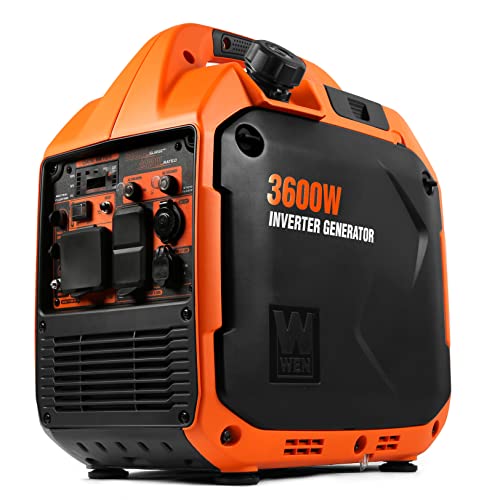
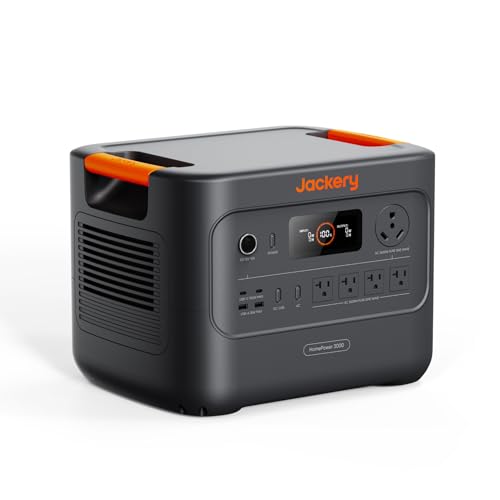
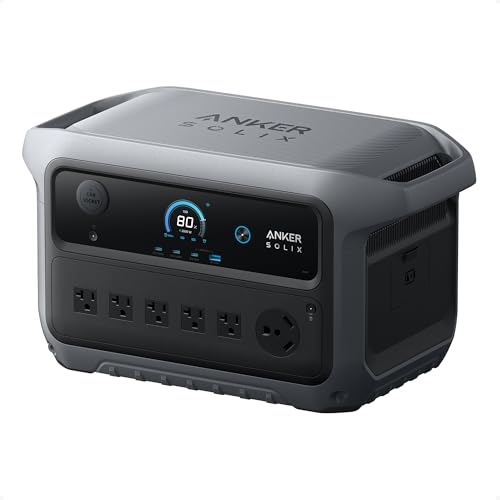
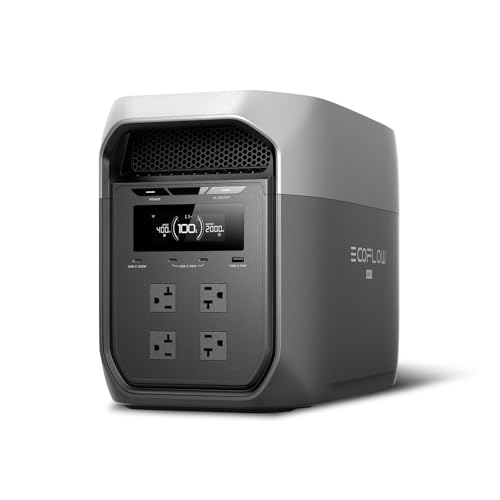
Types of House Generators Compared
Start with the broad picture. Portable conventional models deliver the most watts per dollar but are loud and produce rougher power. Inverter models cost more for cleaner, quieter output. Standby units start on their own and run whole homes, while battery stations stay silent indoors but store limited energy. For a deeper look at portable options, see our guide to the best portable house generators after you decide which family fits.
Dual Fuel Generators
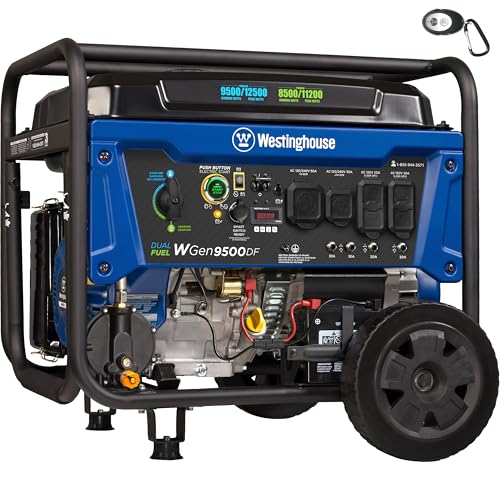
A dual fuel generator runs on gasoline or propane, and you switch between them with a dial or a hose change. Gasoline gives the higher output rating, while propane stores for years without going stale and burns cleaner, so the engine often needs less attention between seasons.
The trade off is size and noise. Most dual fuel models are conventional portables on open frames, so they are loud and heavy. Choose this type if you want flexible fuel during long outages and you have outdoor space well away from the house.
Solar Generators and Portable Power Stations
Despite the name, these are large rechargeable batteries, usually LiFePO4, paired with an inverter and charge ports. Solar panels can refill them during the day, and wall outlets or a car charger can refill them faster. They make no exhaust, so you can run one in a living room or apartment.
The limit is stored energy. A station that runs a refrigerator for hours may drain quickly under a space heater or well pump. Choose this type for quiet, indoor, short outage support, for medical devices that need clean power, and for renters who cannot install anything permanent.
Inverter Generators
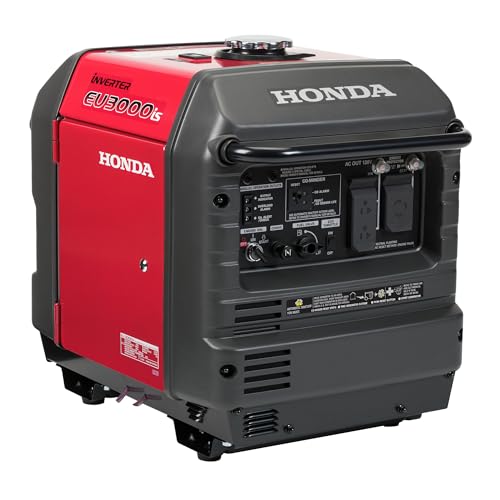
An inverter generator makes raw power, converts it, and rebuilds it as a clean sine wave with low total harmonic distortion. The engine also slows down under light loads, which saves fuel and cuts noise a lot compared with a conventional portable running at full speed all the time.
You pay more per watt, and the largest inverter models still trail big conventional portables on starting watts. Choose this type if you run sensitive electronics, want to talk near the machine, or need long runtime on a small tank of fuel.
Dual Fuel Generators vs Solar Generators and Portable Power Stations: Which Should You Choose?
Runtime is the biggest split. A dual fuel unit runs as long as you feed it, and a propane tank can stretch that to days. A power station stops when its battery empties unless sun or grid power refills it. For multi day outages with heating or a well pump, fuel wins.
Noise, placement, and upkeep point the other way. A power station is silent and safe indoors, needs almost no maintenance, and starts with a button. A dual fuel machine must stay outside, needs oil changes and fuel care, and demands carbon monoxide discipline. If your outages are short and your loads are light, the station is simpler. If your loads are heavy and long, choose fuel, and if you burn propane often, read our guide to the best propane generators for house for storage and sizing detail.
How to Choose the Right House Generator
List the loads you truly need in an outage, add their running watts, then check the starting watts of anything with a motor, such as a refrigerator, sump pump, or furnace blower. Buy for the larger starting figure with some headroom. If whole home automatic coverage is your goal, compare that plan with our guide to the best rated whole house generators before settling on a portable.
Transfer Switch and Home Connection
A transfer switch connects a generator to selected house circuits and isolates them from the grid. That isolation prevents backfeeding, which can seriously injure utility workers and damage your equipment. A licensed electrician should install the switch and the outdoor inlet box.
The simpler legal option is heavy duty extension cords run from the generator to individual appliances. Never plug a generator into a wall outlet, and never use a cord with two male ends. Both shortcuts are dangerous and illegal in most places.
Generator Type: Portable, Inverter, Standby, and Solar Power Station
Portable models suit occasional outages and tight budgets because you wheel them out only when needed. Inverter models suit electronics, close neighbors, and long quiet runtime. Standby models suit frequent outages and medical needs because they start automatically and connect to natural gas or a large propane tank.
Battery stations suit apartments, short outages, and indoor use. Notice that each step up in convenience raises the price a lot. Pay for automation only if you are away often, have limited mobility, or cannot safely move a portable during bad weather.
Portability and Safety Features
Look for a CO shutoff sensor that stops the engine when carbon monoxide builds up, and treat it as a backup, never as permission to run the machine closer to the house. Electric start saves real effort in cold weather, and flat free wheels plus a folding handle make a heavy unit manageable on gravel or grass.
Check the outlet panel too. You want enough receptacles for your cords, covers that keep rain out, and a twist lock outlet if you plan to connect an inlet box. A low oil shutoff protects the engine if you forget a check during a long run.
Clean Power and THD for Electronics
Total harmonic distortion, or THD, describes how rough the power is. Conventional portables can produce THD well above what laptops, modern televisions, and variable speed furnaces like. Inverter generators and battery stations typically deliver THD under 3 percent, close to grid quality.
If a maker does not publish a THD figure, assume the power is rough. Plug sensitive gear into a surge protector, or run it from a small inverter unit or station while the big portable handles motors and heating. That split setup protects electronics without paying inverter prices for every watt.
Fuel Type: Gasoline, Propane, Dual Fuel, Natural Gas, and Solar
Gasoline is easy to buy and gives full rated output, but it goes stale in months and needs stabilizer for storage. Propane stores almost indefinitely and suits standby and dual fuel use, though output drops a little and tanks add cost. Natural gas never needs refilling, yet it only works on installed standby units and depends on gas service staying on.
Solar charging is free and silent but slow and weather dependent. Think about what you can actually get during a regional outage. If local gas stations lose power too, stored propane or a charged battery may serve you better than an empty gasoline can.
Tips to Get the Most From Your House Generator
- Never run a fuel generator indoors or in a garage, even with the door open. Carbon monoxide is colorless and can kill quickly.
- Keep the machine at least 20 feet from doors and windows, with the exhaust pointing away from the house.
- Run a fuel model monthly under a small load so the battery, fuel system, and engine stay ready.
- Store battery stations partly charged, top them up every few months, and keep cords and adapters stored with the unit.
- Keep oil, filters, and a spare spark plug on hand, because stores sell out early in any big outage.
House Generators: Your Questions Answered
How long can a house generator run continuously?
Most portable fuel generators can run about 8 to 12 hours per tank and need a cool down and oil check at least once a day. Standby units are built for longer runs but still need periodic shutdowns for oil checks during multi day outages. Battery stations run until their stored energy is gone, which depends entirely on your load.
Do I need a transfer switch?
You need a transfer switch if you want the generator to power hardwired circuits such as a furnace, well pump, or ceiling lights. You do not need one if you only plug appliances directly into the generator with extension cords. A switch costs more up front, but it removes the cord tangle and makes outages far easier to manage.
What size generator do I need to power a house?
Most homes can run essentials such as a refrigerator, lights, phones, and a furnace blower on about 5,000 to 7,500 running watts. Running central air conditioning, an electric range, or a clothes dryer pushes the need far higher. Add up your own loads, include motor starting watts, and leave headroom rather than trusting a generic size chart.
Inverter or conventional: which is better?
An inverter is better for electronics, noise, and fuel use, while a conventional model is better for raw watts per dollar. If the generator will sit near living space or power a home office, choose the inverter. If it will run pumps, tools, and heating equipment at a distance, a conventional model does the job for less money.
Can a generator run a refrigerator?
Yes, almost any house generator can run a refrigerator, because a fridge typically needs about 100 to 200 running watts. The catch is the starting surge when the compressor kicks on, which can be several times higher. Start the fridge first or one appliance at a time, and keep the door closed to stretch both fuel and cold air.
Our Verdict
Match the type to your outage pattern first, then size it from your real load list, then check safety features such as CO shutoff and a proper transfer switch. Readers who want automatic whole home coverage should also see our guide to the best whole house standby generators, and those set on one machine for everything can compare options in our guide to the best full house generators. The right choice among best all house generators is the one you can run safely at 2 a.m. in bad weather. Compare your shortlist in the product table above before you buy.