
Best Alternative Generators by Budget: Smart Picks for 2026
Disclosure: We may earn a commission when you buy through links on this page, at no extra cost to you. As an Amazon Associate I earn from qualifying purchases. Learn more

Compare the best alternative generators at every price point. Learn what you get at budget, midrange, and premium levels and where spending more pays off.
Alternative generators cover a wide price range, from small battery power stations under a few hundred dollars to fuel models and solar setups that cost several thousand. Spending more does not always buy what you need, and spending too little can leave a fridge or medical device without power. This guide to the best alternative generators shows where money actually improves runtime, safety, and clean power.
Start by listing the loads you must run during an outage, then use the comparison table below to match wattage and type to your budget. The sections that follow explain each tier in plain terms.
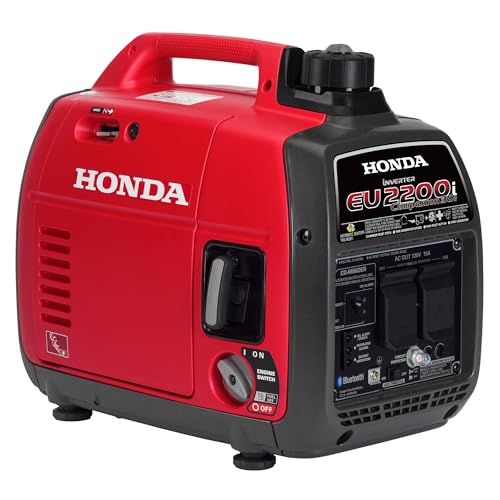
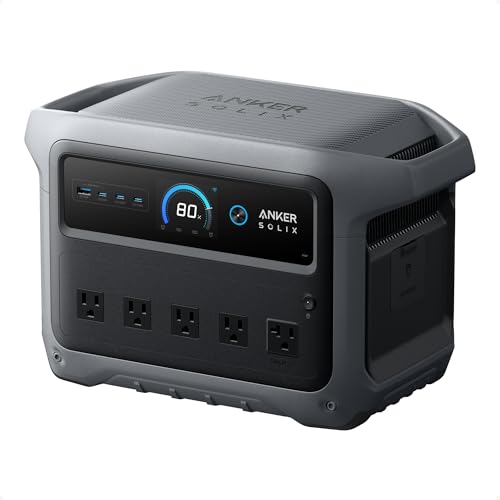


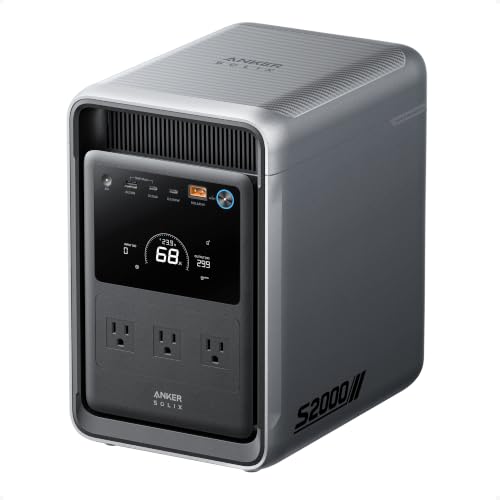
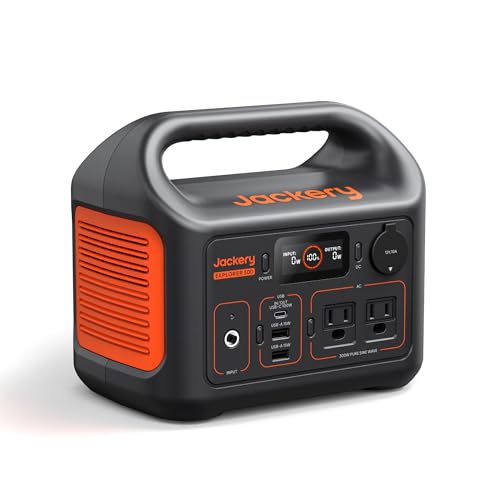


Choosing by Budget Tier
Use these three tier profiles as a checklist when you read the product table above. Each profile describes who the tier serves, what strengths to demand, and what limit to accept. That approach stays useful even as model lineups change from season to season.
The Budget Tier Profile
A budget tier choice suits short outages, charging phones and lights, and running a small fridge for limited stretches. Demand clear starting watts and running watts figures, a carbon monoxide shutoff sensor on fuel models, and at least two standard outlets. Expect shorter runtime, louder operation on fuel models, and fewer outlets as the accepted limit.
Budget battery stations trade runtime for silence and indoor safety. They work well for apartments and for keeping communications and lights alive overnight. If your outage plan is basic and your loads are small, this tier can be the smart spend rather than a compromise.
The Midrange Tier Profile
A midrange choice suits most houses that need a fridge, lights, internet gear, and a few small appliances through a longer outage. Look for inverter power with low total harmonic distortion, a larger fuel tank or battery, and wheels plus a folding handle on heavier units. Runtime at half load should cover an overnight stretch without refueling.
The limit at this tier is whole house ambition. You will still choose which circuits matter instead of running everything at once. For many families that trade off is ideal, because the price stays reasonable while comfort and food safety are covered.
The Premium Tier Profile
A premium choice suits long outages, larger homes, home offices that cannot go dark, and buyers who want quieter, cleaner power. Expect inverter technology, electric start or app controls, longer runtime, and support for a transfer switch connection. LiFePO4 battery chemistry is common at this level for solar stations and offers long cycle life.
The limit is cost and size. Premium units are heavier, need more storage space, and only pay off if you use their extra capacity. If your outages are rare and short, midrange value may serve you better. Compare long term support in our guide to the best rated generators if durability is your top concern.
What Your Money Gets You at Each Price Tier
Price tiers in this category track capacity, power quality, and safety features more than brand prestige. As price rises, you generally gain wattage, runtime, quieter operation, and cleaner power for electronics. The notes below use broad ranges so you can place any model you find into the right group.
Budget Tier: What to Expect
Budget options often sit around $200 to $600 depending on type. Small fuel models deliver basic backup for a few loads, while small battery stations deliver silent indoor power for lights, phones, and laptops. Expect manual start on fuel models, basic displays, and limited outlets.
This tier suits renters, apartment dwellers, and buyers preparing for short outages. The main trade offs are runtime and noise. Plan your loads carefully, rotate fridge use if needed, and never run a fuel generator indoors or in a garage, because carbon monoxide can build up fast and can kill.
Midrange Tier: The Sweet Spot for Most Buyers
Midrange options often sit around $600 to $1,500 and add inverter power, better fuel efficiency, and stronger safety features. You gain longer runtime at partial load, quieter sound levels for neighborhoods, and enough wattage for a fridge plus comfort loads. Many models add electric start and clear fuel or battery gauges.
For a house focused on outage essentials, this is usually the sweet spot. Buyers comparing home coverage should also read our guide to the best backup generators to see how portable and standby roles differ. Spend here before you spend on premium extras you may rarely use.
Premium Tier: When Spending More Pays Off
Premium options often start around $1,500 and can pass $3,000 for large capacity systems. You gain high wattage, long runtime, clean power for sensitive electronics, and features such as remote start, automatic start on standby systems, and expandable battery capacity on solar stations. Build quality and warranty support also tend to improve.
This tier pays off for frequent outages, remote work, medical needs, and larger homes. If automatic startup matters to you, our guide to the best automatic generators explains what to check. Weigh the higher cost against how often you will truly use the extra capacity.
Features Worth Paying For (and Ones to Skip)
Some features protect your home and your gear every time the power fails, while others add cost without changing your outage experience. Use the five checks below to decide where your budget should go. The product table above can then confirm which models include the features you ranked highest.
Runtime and Fuel Efficiency
Runtime decides whether you sleep through the night or refuel in the dark. Compare runtime at 25 percent and 50 percent load, not just the longest claim, because your fridge and lights will cycle on and off. Inverter fuel models stretch fuel by slowing the engine at light loads, while battery stations show runtime in watt hours divided by your load.
Pay for runtime if outages in your area last a day or more. Skip oversize capacity if your load list is short, since a large engine burns more fuel even at light use.
Portability and Safety Features
Safety features are worth paying for at every tier. A carbon monoxide shutoff sensor, low oil shutoff on fuel models, and covered outlets reduce risk during stressful outage conditions. Always run fuel generators outdoors, at least twenty feet from the home, with exhaust pointed away from windows and doors.
Portability features such as wheels, balanced handles, and moderate weight matter if one person must move the unit. Electric start helps when pull starting is hard for anyone in the home. Never skip ventilation rules to save steps, and never backfeed power through a wall outlet.
Clean Power (THD) for Electronics
Total harmonic distortion, or THD, describes how clean the power wave is. Inverter generators commonly deliver THD under 3 percent or under 5 percent, which suits laptops, televisions, modern appliances, and medical electronics. Conventional models can produce rougher power that may stress sensitive gear.
Pay for clean power if you will run computers, work equipment, or newer appliances with electronic controls. If your only loads are lights and a simple fridge, clean power is less urgent, but most modern homes benefit from an inverter model anyway.
Noise Level (dBA)
Noise level, measured in dBA, decides whether neighbors and your own family can sleep. Inverter models at light load can run in the high 50s to low 60s dBA range at a standard distance, while conventional models are often much louder. Campgrounds and neighborhoods may also have quiet hours or noise rules.
Pay for low noise if the generator will run near bedrooms, in a dense neighborhood, or at a campsite. Battery stations are silent apart from fan noise, which is one reason they suit apartments. Remember that doubling distance from the unit also lowers the sound you hear.
Generator Type (Portable, Inverter, Standby, Solar Power Station)
Portable fuel generators deliver high wattage for the price and suit whole outage loads moved by hand. Inverter models add clean power and quieter, more efficient running. Standby systems start on their own and power set circuits through a transfer switch, at the highest cost and with professional installation.
Solar power stations store energy in batteries and recharge from panels or wall outlets, with silent indoor safe operation but limited runtime for large loads. Choose the type by outage length, indoor needs, and whether you can safely run fuel equipment outdoors. For urgent outage planning, our guide to the best emergency generator covers first steps after a storm warning.
Long Term Costs to Factor In
The purchase price is only part of ownership. Fuel models need oil changes, air filters, spark plugs, fuel, and fuel storage that you rotate for freshness. Battery stations need no fuel, but replacement batteries or expansion packs cost money years later, and solar panels add upfront cost if you want off grid recharging.
Budget also for the connection gear. Extension cords rated for your load, a transfer switch installed by a licensed electrician, covers, and a safe storage spot all add to the total. Warranty length and local service options matter, since a generator that cannot be repaired locally may cost more in downtime than a slightly pricier model. Shoppers who prefer wheels and higher wattage should also compare the best rated portable generators before they commit.
Frequently Asked Questions
Can a generator run a refrigerator?
Yes, most midsize alternative generators can run a refrigerator. A typical fridge uses about 100 to 200 running watts but needs a brief surge of several times that amount when the compressor starts. Check starting watts on both the fridge label and the generator rating. Keep the door closed during outages, and let the compressor settle before you add other large loads.
What size generator do I need to power a house?
The right size depends on which loads you call essential, not on house size alone. Many homes cover a fridge, lights, internet, and device charging with about 3,000 to 5,000 running watts. Running a well pump, large air conditioner, or electric range can push needs much higher. Add running watts for your list, allow room for starting surges, and have an electrician size any transfer switch setup.
How long can an alternative generator run continuously?
Fuel models can run for many hours on a tank, often about eight to twelve hours at partial load, and can continue with safe refueling after the unit cools. Battery stations run until the stored energy is used, which may be a few hours under heavy load or much longer under light load. Follow the manual for breaks, oil checks, and cooling, and never refuel a hot fuel generator.
Do I need a transfer switch?
You need a transfer switch if you want to power hardwired home circuits safely and legally. A transfer switch isolates your home from the grid, which protects utility workers and your generator. Extension cords can power plug in appliances without a switch, but they limit what you can run. Hire a licensed electrician for switch installation and permits, since wiring errors can cause fire or shock.
Inverter or conventional: which is better?
An inverter model is better for most homes because it delivers cleaner power, runs quieter, and uses less fuel at light loads. A conventional model can cost less for the same wattage and may suit simple job site or backup loads without sensitive electronics. If computers, modern appliances, or medical gear are on your list, choose the inverter. If raw wattage on a tight budget is the goal, conventional can still work with care.
Final Thoughts
Size the unit to your essential loads, pay for safety and clean power before extras, and match the tier to how long your outages really last. Budget gear covers basics, midrange gear covers most homes, and premium gear buys quiet capacity and convenience. The best alternative generators choice is the one you can store, move, and run safely every time. Review the product table above with your load list beside it, and choose once with a clear head.


