Best 4 Wire Thermostat 2026: A Complete Buying Guide
Disclosure: We may earn a commission when you buy through links on this page, at no extra cost to you. As an Amazon Associate I earn from qualifying purchases. Learn more
How to choose best 4 wire thermostat: compare the main types and key features, match size and performance to your space, and set a budget before you order.
Choosing best 4 wire thermostat starts with your wiring and your heating system, because a thermostat that cannot talk to your system is useless no matter how smart it looks. The comparison table below gathers the main options, and this guide explains compatibility, features, and installation in plain language.
A 4 wire thermostat suits many standard forced air systems, and the choice is mainly between smart features and simple reliability. This guide explains how to confirm your system, choose between programmable and smart models, and install safely.
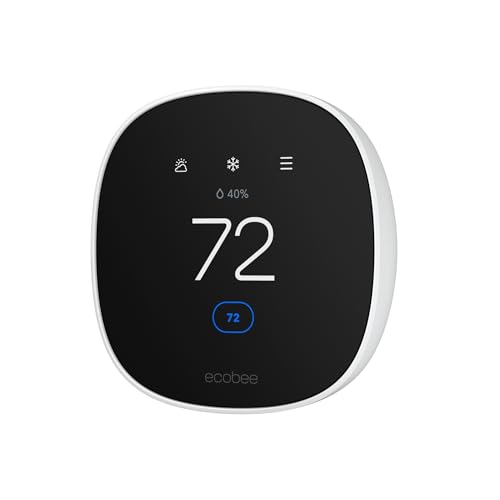
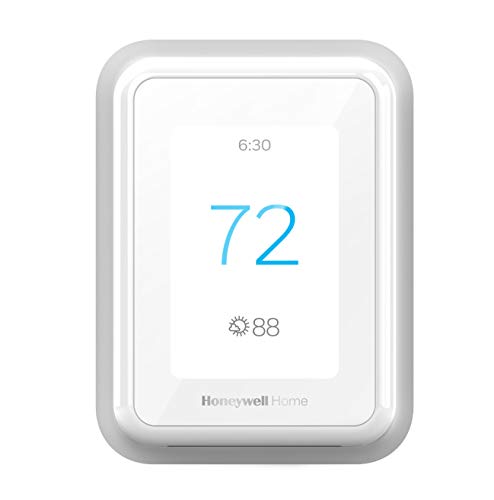
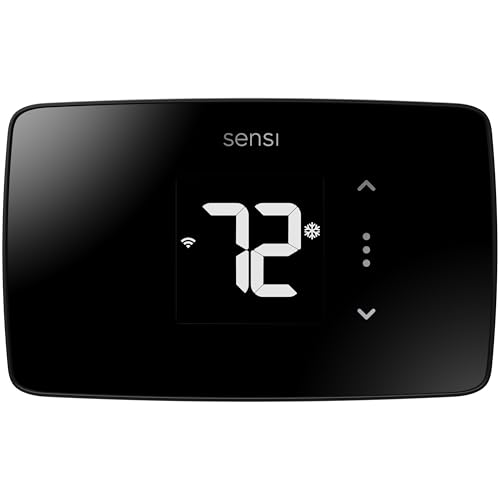


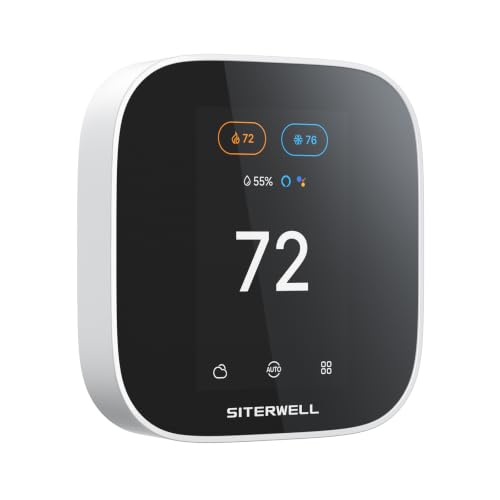
The Basics
A thermostat controls when your heating and cooling run by reading room temperature and switching your system on or off. Smart thermostats add schedules, remote control, and learning features, while simpler thermostats offer reliable manual or programmable control without wifi.
Compatibility depends on your system type, your voltage, and your wiring, so check those three facts before comparing features. A mismatch can mean a thermostat that never powers on, a system that short cycles, or a call to a professional that could have been avoided.
Types Compared
There is no single type that suits every home, so start by matching the type to the job you actually need done. Thermostat types differ in wiring needs and intelligence, and the right one depends on your system.
Smart Learning Thermostats
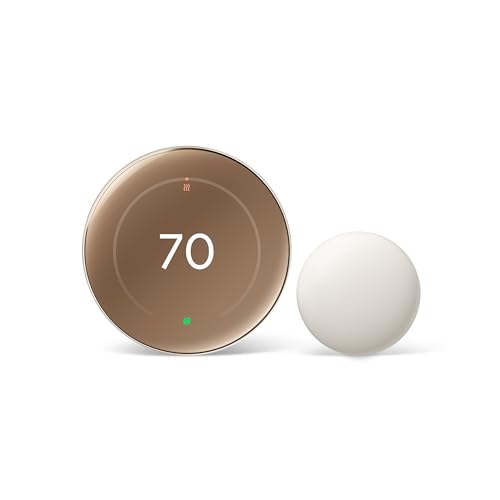
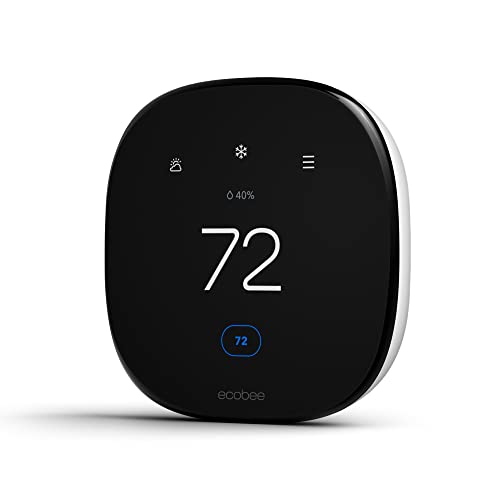
Smart learning thermostats build schedules from your habits, adjust for weather, and let you control temperature from a phone. They need wifi and compatible wiring, and they suit households with changing routines.
Programmable Thermostats
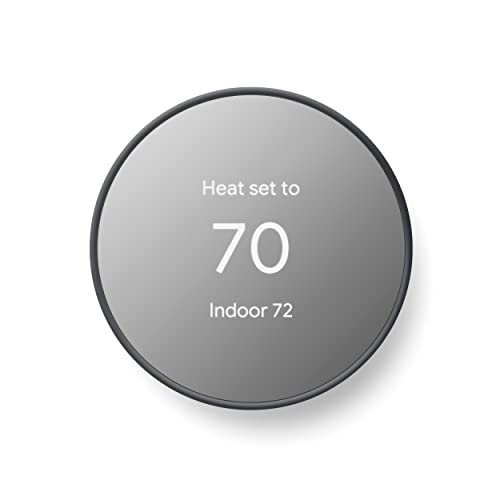
Programmable thermostats follow schedules you set, without wifi or apps, and they suit households with regular routines. They cost less and avoid software updates, but changes require using the wall unit itself.
Simple Non Programmable Thermostats
Simple thermostats offer a dial or buttons and immediate control, suiting rentals, guest rooms, and anyone who dislikes apps. They waste a little energy compared with scheduled models, but they never confuse a visitor.
Key Features to Compare
Once you know the type, the features below decide how happy you will be after the first month. These features decide comfort, savings, and daily convenience.
Wiring Compatibility
Count your wires, note their labels, and check whether your system needs a common wire for power. Smart models without a common wire may use an adapter or a power extender, but some systems still need professional help.
System Compatibility
Confirm support for your system: forced air, boiler, heat pump, or multi stage, because each wires differently. Heat pumps in particular need correct settings for auxiliary heat, or comfort and bills both suffer.
Sensors and Zoning
Remote sensors fix hot and cold rooms by averaging temperatures, while zoning controls different areas separately. If one room always feels wrong, a sensor often helps more than a fancier thermostat.
App and Voice Control
App control suits travellers and busy households, while voice control helps when your hands are full. Check that the app supports your phone and your voice assistant, and that it works during internet outages for basic control.
Size, Fit, and Compatibility
Turn off power at the breaker, photograph the old wiring, and label each wire before you touch anything. Compare the labels with the new thermostat guide, and check the wall plate size, because a smaller new plate can expose old paint or holes. If wires are unlabeled, damaged, or confusing, call a qualified installer rather than guessing.
Who Should Buy, and Who Should Wait
The most common mistake is skipping the wiring check and discovering incompatibility after the old thermostat is removed. Another mistake is placing the thermostat in a draughty hallway or sunny spot, which fools its sensor. Finally, do not ignore the breaker: always switch power off before touching wires.
Budget and Long Term Value
This thermostat suits homes with compatible wiring and a system the model supports. It is a weaker choice for high voltage electric baseboard systems, which need a line voltage thermostat, or for complex multi zone systems that need professional design. When in doubt, ask a heating professional to confirm compatibility.
Setup and Everyday Care
Thermostats range from about $30 for simple models to about $250 for smart models, plus installation if you hire help. Smart models can save energy through schedules and occupancy sensing, but savings depend on your habits and climate, so do not promise yourself a payback date. Include any adapter or wiring work in the total.
Mistakes to Avoid
Keep the thermostat away from draughts, direct sun, and heat sources, because false readings cause uncomfortable cycling. Dust the unit gently, check batteries if it uses them, and update software on smart models. If comfort changes suddenly, check filters, vents, and system settings before blaming the thermostat.
A Final Check Before You Order
Before you order, revisit the types covered above and match one to your main use. Smart Learning Thermostats, Programmable Thermostats, and Simple Non Programmable Thermostats each suit a different routine, so pick the type that fits the job you will do most often, not the type that sounds most impressive. Write down your measurements, your power or connection needs, and your budget ceiling, then compare those notes with the product table above before you commit. If two types both seem plausible, favour the simpler one, because simpler setup usually means faster satisfaction and fewer returns.
Next, run through the features that matter most: Wiring Compatibility, System Compatibility, Sensors and Zoning, and App and Voice Control. Score each option briefly on those points, and let the scores guide you rather than a single eye catching specification. A balanced option that scores well across the list usually beats a flashy option that excels in one area and fails in another. Keep your notes beside you while you compare, and do not let a discount rush you past a mismatch in size, power, or compatibility.
Living With Your Choice
In the first weeks, give your new choice a fair trial in your real routine. Use it at normal settings, in your normal room, and with your usual sources, and note anything that annoys you while the return window is still open. Small adjustments to placement, settings, or accessories often fix early disappointments, and a short note of what you changed helps you judge fairly. Resist the urge to judge on the first day alone, because unfamiliar controls and settings always feel awkward at first.
Over the longer term, simple care keeps performance steady. Follow the care notes above, keep accessories and spares together in one place, and revisit the settings after a month, when you know your habits better. A choice that still pleases you after a month is usually a choice worth keeping, while a choice that still frustrates you after fair adjustments deserves a second look. Share what you learned with anyone else who will use it daily, so the whole household gets the benefit.
Related Guides Worth Reading
To compare wiring options and related models, read our guide to best 4 wire smart thermostat, which explains how that option handles power, compatibility, and installation.
To compare wiring options and related models, read our guide to best 4 wire wifi thermostat, which explains how that option handles power, compatibility, and installation.
To compare wiring options and related models, read our guide to best thermostat wire, which explains how that option handles power, compatibility, and installation.
To compare wiring options and related models, read our guide to best 2 wire thermostat, which explains how that option handles power, compatibility, and installation.
To compare wiring options and related models, read our guide to best two wire thermostat, which explains how that option handles power, compatibility, and installation.
Frequently Asked Questions
How do I know if I have 4 wire thermostat wiring?
Remove the thermostat faceplate after switching power off, and count the connected wires, noting their terminal labels. Four wires usually mean a basic heating and cooling setup, but labels matter more than count. Photograph everything before you disconnect anything, and keep this point in mind for your own space, budget, and daily routine before you order.
Should I choose smart or simple for 4 wires?
Smart suits households that want remote control and schedules, while simple suits rentals and anyone who dislikes apps. Both work on 4 wire systems if power needs are met, so choose by daily habits rather than by fashion. A simple thermostat never needs wifi to keep you warm, and keep this point in mind for your own space, budget, and daily routine before you order.
Do I need a common wire for a 4 wire thermostat?
Simple and programmable thermostats usually run on batteries or system power without a common wire. Smart thermostats often need one or an adapter, so check the model guide for your exact wiring. When unsure, ask the maker support team with a photo of your wiring, and keep this point in mind for your own space, budget, and daily routine before you order.
Can I install a 4 wire thermostat myself?
Yes, if the wiring is labelled, the system is standard, and you switch off power at the breaker first. Label each wire, follow the guide step by step, and test heating and cooling before finishing. Call a professional for unlabeled wires, boilers, or heat pumps, and keep this point in mind for your own space, budget, and daily routine before you order.
Why does my new thermostat not power on?
The most common causes are power still off at the breaker, a blown fuse, or a wiring mismatch. Recheck the breaker, confirm each wire sits firmly in the right terminal, and compare labels with the guide. If it still fails, a professional can diagnose the system safely, and keep this point in mind for your own space, budget, and daily routine before you order.
Final Thoughts
A good thermostat fades into the background, keeping rooms comfortable without constant fiddling.
Check your wiring, confirm system compatibility, and choose best 4 wire thermostat that fits your home and your routine.