
Best 4 Wire Wifi Thermostat by Budget: Smart Picks for 2026
Disclosure: We may earn a commission when you buy through links on this page, at no extra cost to you. As an Amazon Associate I earn from qualifying purchases. Learn more
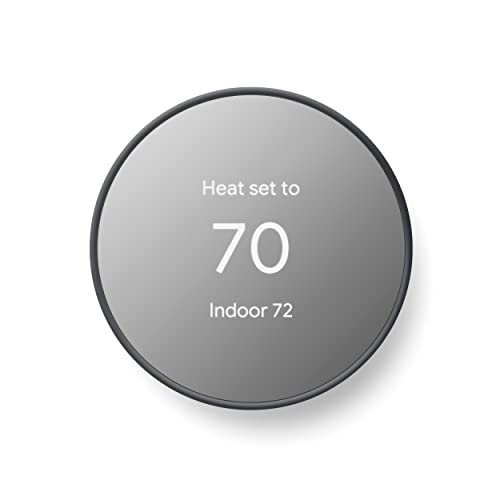
Compare the best 4 wire wifi thermostat at every price point. Learn what you get at budget, midrange, and premium levels and where spending more pays off.
Prices for smart thermostats stretch from basic models that cost about as much as a nice dinner out to premium units with room sensors and polished touchscreens. Knowing what each price level actually adds helps you spend on comfort and savings instead of decoration. This guide shows you how to choose the best 4 wire wifi thermostat for a home that already has four wires at the wall plate.
Four wires usually cover heating, cooling, fan, and power or heat call duties, depending on your system, so compatibility checks come before features. The comparison table below groups the main options by price so you can see the tiers clearly.
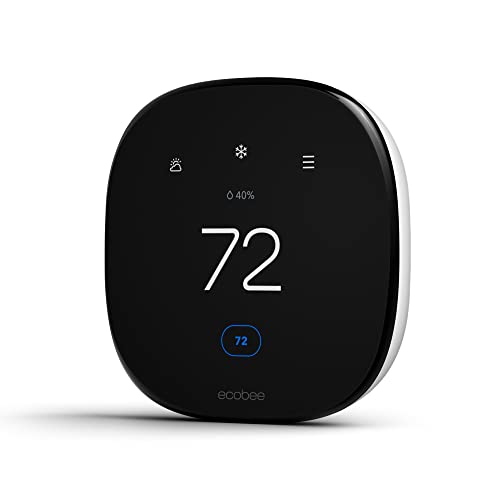
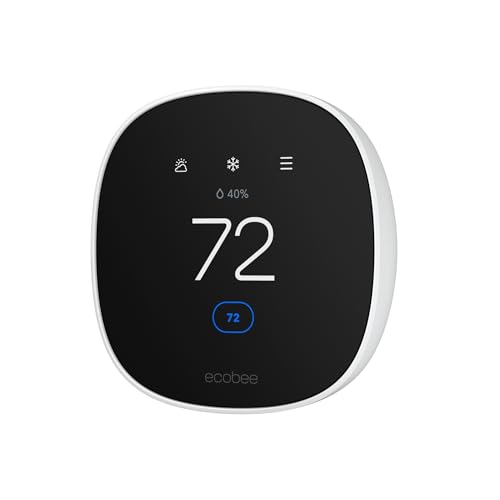
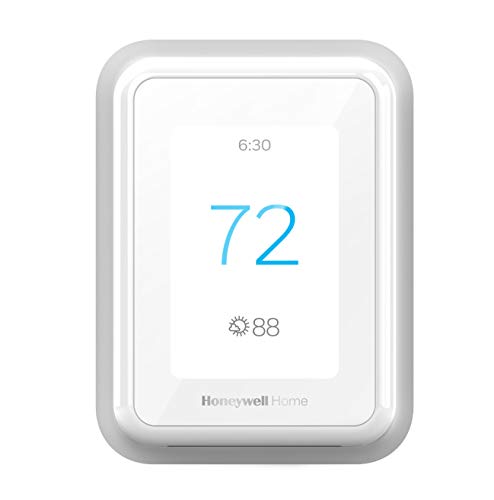
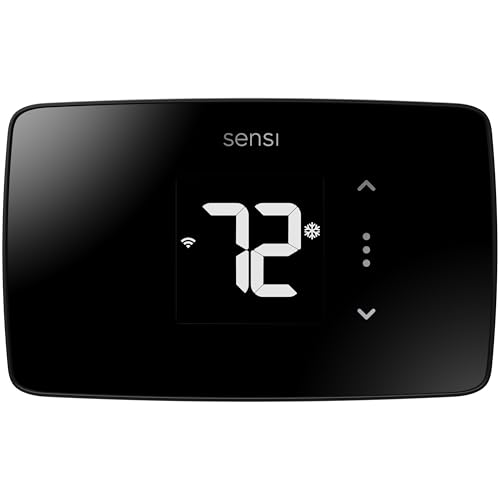


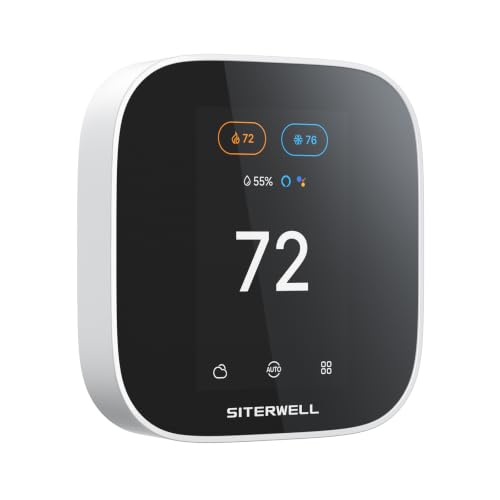
Choosing by Budget: Three Tier Profiles
Budget Tier Profile: Remote Control Without the Extras
A budget tier thermostat, usually around $70 to $120, suits a renter, a small condo, or anyone replacing a failed unit quickly. You typically get app control, a simple schedule, and voice assistant support, which already covers the biggest daily win: changing the temperature without walking to the hallway. The trade off is a smaller, dimmer display, fewer schedule options, and no included room sensors. Check that the app still receives updates, because an abandoned app can strand a cheap thermostat within a few years.
Midrange Tier Profile: The Sweet Spot for Most Homes
Midrange models, usually around $130 to $190, fit most single system homes that want real energy savings without fuss. This tier commonly adds learning schedules or smarter occupancy sensing, clearer color screens, and better energy reports that show where your heating and cooling dollars go. Many also support an add on room sensor for a bedroom that always runs warmer or cooler than the hallway. For most buyers, this is where extra spending stops feeling optional and starts paying back in comfort.
Premium Tier Profile: Sensors, Polish, and Deeper Reports
Premium models, often around $200 to $280, suit larger homes, multi story layouts, and anyone who values a refined screen and detailed data. Expect included or bundled room sensors, humidity awareness, air filter reminders based on actual run time, and the most polished apps. The honest limitation is that a premium thermostat cannot fix undersized ductwork or a failing furnace. If your system itself is sound and your home has uneven rooms, the sensor ecosystem is the real reason to pay this much.
What Your Money Gets You at Each Price Tier
Budget Tier: What to Expect
At the budget level you get the core promise of WiFi control: an app, a schedule, and remote access when you travel. Screens are functional rather than attractive, and setup wizards may assume more knowledge than a first time installer has. Energy reports, if present, are basic totals rather than guidance. This tier still beats a manual thermostat by a wide margin, because even a simple schedule that sets back temperatures while you sleep or work saves energy every single day without further effort from you.
Midrange Tier: The Sweet Spot for Most Buyers
Midrange money buys intelligence. Scheduling starts to adapt to your routine, occupancy sensing pauses heating or cooling in an empty house, and monthly reports translate run time into plain language you can act on. Build quality improves too, with firmer wall plates and buttons or dials that feel precise. If you are comparing this tier with the simpler models in our guide to the best 4 wire thermostat, the WiFi app and the reports are the two upgrades most owners say they use weekly.
Premium Tier: When Spending More Pays Off
Premium spending pays off in three specific situations: rooms that are chronically too hot or cold, a strong interest in tracking energy use, and a smart home already built around one assistant platform. Room sensors let the system average temperatures or prioritize the bedroom at night, which solves a real comfort problem rather than adding a novelty. If none of those apply, a premium model mostly buys looks. In that case, the broader field covered in our guide to the best rated wifi thermostat may help you redirect the savings toward a midrange unit.
Features Worth Paying For (and Ones to Skip)
Room Size and Coverage
For a thermostat, coverage means how evenly one control point can serve your whole home, not a square foot rating like an air purifier carries. A single thermostat reads temperature only where it sits, so a long ranch or a two story home can have satisfied hallways and uncomfortable bedrooms. Room sensors, included more often as price rises, extend that coverage by reporting from the rooms you choose. Large homes with two systems need one thermostat per system, and no single premium unit changes that.
Performance Ratings and Compatibility
The performance numbers that matter here are compatibility and control accuracy, not airflow ratings. Confirm the thermostat supports your system type: conventional furnace and air conditioner, heat pump with or without auxiliary heat, or boiler based setups. Four wires limit some functions, so check whether the model needs a common wire for steady power or includes an adapter. If your wiring differs, our guide to the best wifi thermostat without c wire explains the workarounds, and our guide to the best 2 wire wifi thermostat covers heat only homes.
Safety Features
Good thermostats protect your equipment as well as your comfort. Compressor delay protection prevents short cycling that wears out an air conditioner, and temperature limits stop a faulty sensor or a curious child from driving extreme settings. Look for clear wiring labels, a level installation guide, and listings from recognized safety organizations on the packaging. Always switch off power to your heating and cooling system at the breaker before you remove the old thermostat, and photograph the existing wiring before you disconnect a single wire.
Smart Controls and Sensors
Smart controls earn their price when they reduce your effort, not when they add screens to tap. Geofencing that sets back the temperature when the last phone leaves home, humidity display for muggy climates, and filter reminders tied to run hours all save real attention. Buyers who want automation first should also read our guide to the best 4 wire smart thermostat, which focuses on routines and platform support. Skip decorative faces and novelty widgets that you will stop opening after the first month.
Long Term Costs to Factor In
The purchase price is only the start. Add the cost of a common wire adapter or an electrician visit if your four wire setup cannot power the model you want, usually the biggest surprise expense. Room sensors bought later add around $30 to $50 each, and some advanced energy features sit behind optional subscriptions on certain platforms, so read the fine print before you commit. Against those costs, weigh the savings from schedules and setbacks, which for many homes outweigh the hardware price within the first year or two of use.
FAQs
What system size and type does a 4 wire wifi thermostat support?
It supports most standard single stage heating and cooling systems, regardless of home size, as long as the wiring matches. The thermostat is a control, not the equipment itself, so capacity depends on your furnace, heat pump, or air conditioner. Multi stage systems and dual fuel setups may need more wires or a specific model. Check the maker compatibility checker with your exact wire labels before you order anything.
Where is the best place to put a wifi thermostat?
Mount it on an interior wall about five feet above the floor, away from direct sunlight, drafts, kitchens, and supply vents. A thermostat reads only its own location, so a sunny hallway will short change the rest of the house. Most homes already have a sensible spot where the old unit sits, and reusing that location keeps the wiring simple and the readings honest for daily use.
How often should I replace the air filter?
Most homes should check the heating and cooling filter monthly and replace it about every one to three months. Homes with pets, allergies, or dusty conditions sit at the shorter end of that range. Many smart thermostats track system run hours and remind you based on actual use rather than a fixed calendar date, which is more accurate. A clogged filter makes your system work harder and can mimic a thermostat fault.
Is it expensive to run a wifi thermostat all the time?
No, the thermostat itself uses a tiny amount of electricity, far less than a dollar a month in typical homes. The real running cost is your heating and cooling equipment, and that is where a smart schedule helps. Setbacks while you sleep or work reduce run time, which is the largest lever most households have on their energy bill, far outweighing the small cost of keeping the thermostat connected.
Do 4 wire wifi thermostats really work?
Yes, they work well when the wiring and system type match the model requirements. Four wires handle the core calls for heat, cool, fan, and power in many conventional systems, and the WiFi layer simply adds remote control and scheduling. Problems usually trace back to a missing common wire causing power drops, or to a heat pump wired as a conventional system. A careful compatibility check before buying prevents nearly all of those headaches.
Wrapping Up
Match the thermostat to your wiring and system type first, then buy the tier that fits your rooms: budget for simple remote control, midrange for adaptive schedules, premium for room sensors. Check the product table above to compare your finalists by price and sensor support. With that order of decisions, finding the best 4 wire wifi thermostat for your home is mostly a wiring check, not a gamble.


