Best 2 Wire Thermostat 2026: Buying Guide and What to Know
Disclosure: We may earn a commission when you buy through links on this page, at no extra cost to you. As an Amazon Associate I earn from qualifying purchases. Learn more
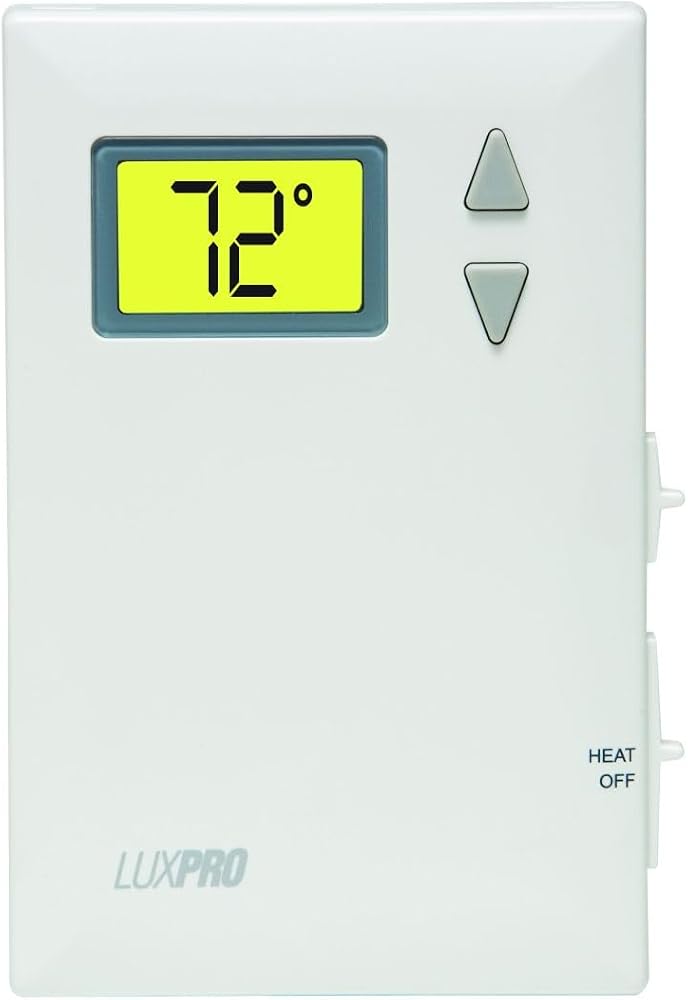
Older homes with two thermostat wires need the best 2 wire thermostat to work without a C-wire; compare power, compatibility, and controls.
Choosing the right 2 wire thermostat starts with one question: does your system have only two wires at the wall, and what must the thermostat do with them? The best 2 wire thermostat is one that works without a common wire, so power options, system compatibility, and battery or power adapter needs come before extra features. The product table can help you weigh the main options side by side before you narrow the choice.
Prices for the best 2 wire thermostat often sit at about $30 to $300, but price alone does not tell you whether a model fits your heating system or your habits. This guide walks through the features that matter, the trade offs to expect, and the checks to make before you order.

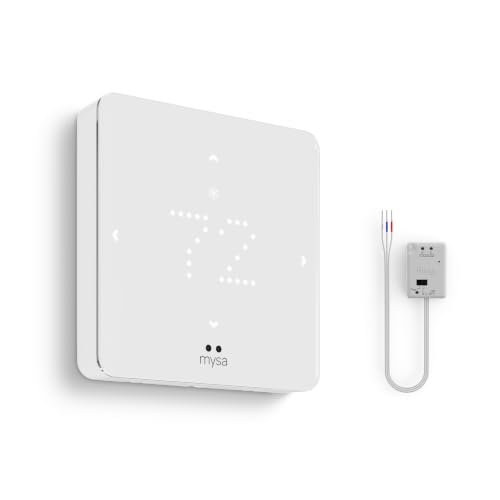
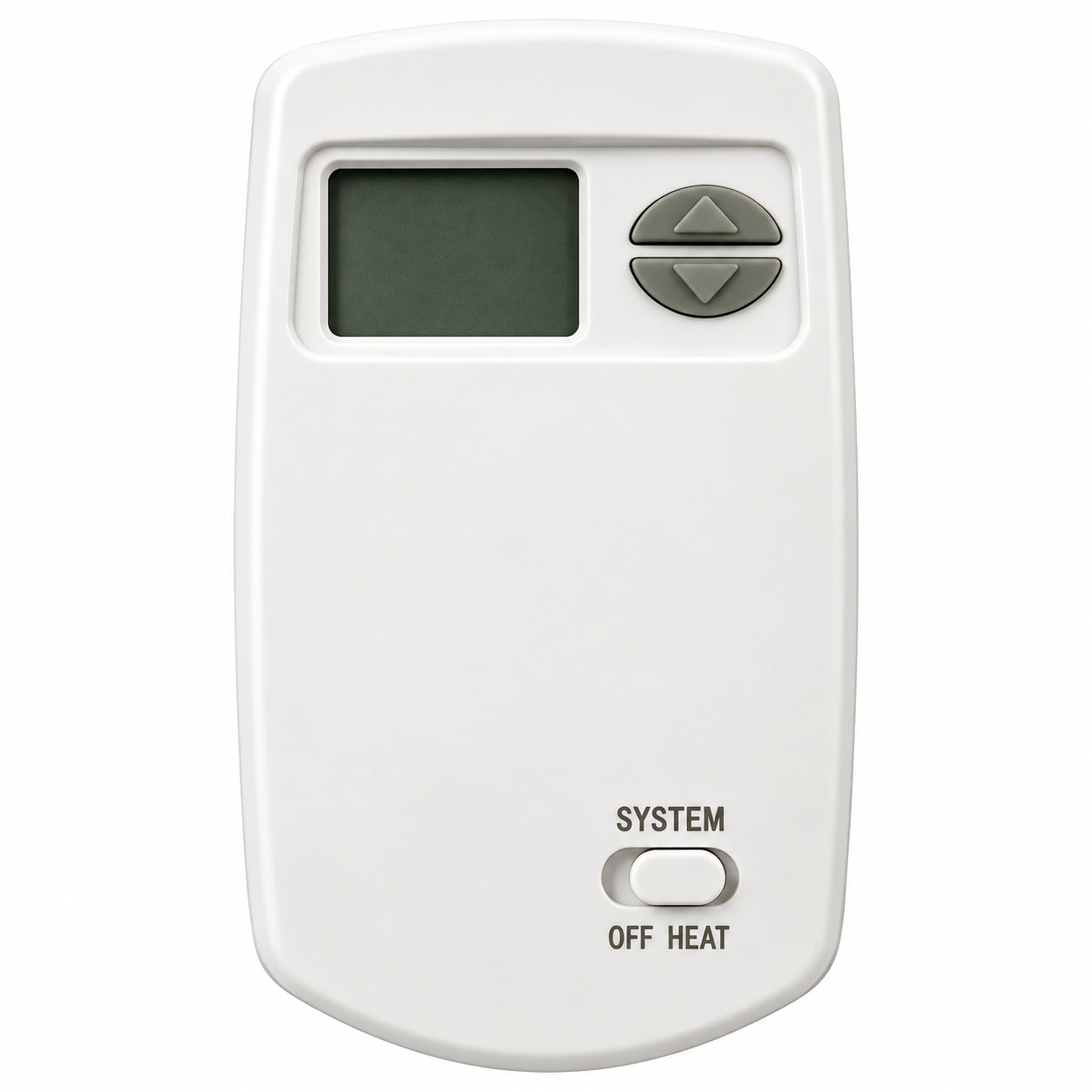
What to Look for First
Start with the job the thermostat must do every day, not with the longest list of extras. A model that handles the core job well is usually a better buy than one packed with features that stay unused. For older homes with two wires, write down the three things that matter most, then check each option against that short list.
Next, check compatibility before you look at price or appearance. Confirm what kind of system the two wires control, such as a gas furnace, a boiler, or a zone valve, and whether the thermostat is made for heat only operation. Keep the receipt and packaging until you have tried the thermostat at home, so a return stays simple if it does not fit your system.
Finally, think about running costs and care over time. Some options cost more up front but need less maintenance, while others look cheaper and need regular battery changes. Add up the likely costs for a year of normal use, including batteries and any power adapter you may need.
What Makes the Best 2 Wire Thermostat
The features below shape daily satisfaction more than small differences in styling. Read each one with your own routine in mind, then use the product table to review your shortlist.
Power source without a common wire
Most 2 wire setups have no common (C) wire, so the thermostat needs another way to stay powered. Basic models run on batteries and are simple, but you must replace the batteries from time to time. Smart models may use a power adapter or a power stealing design, which can work well but adds a small installation step. Check what the product says about 2 wire installs before you buy.
Heating only system compatibility
Many two wire systems are heat only, such as a boiler, a gravity furnace, or a wall heater. Look for wording such as heat only or 2 wire compatible, and check the voltage rating. Low voltage (24V or millivolt) thermostats are not the same as line voltage models used for electric baseboard heaters, so confirm which one you have before you order.
Simple scheduling and manual control
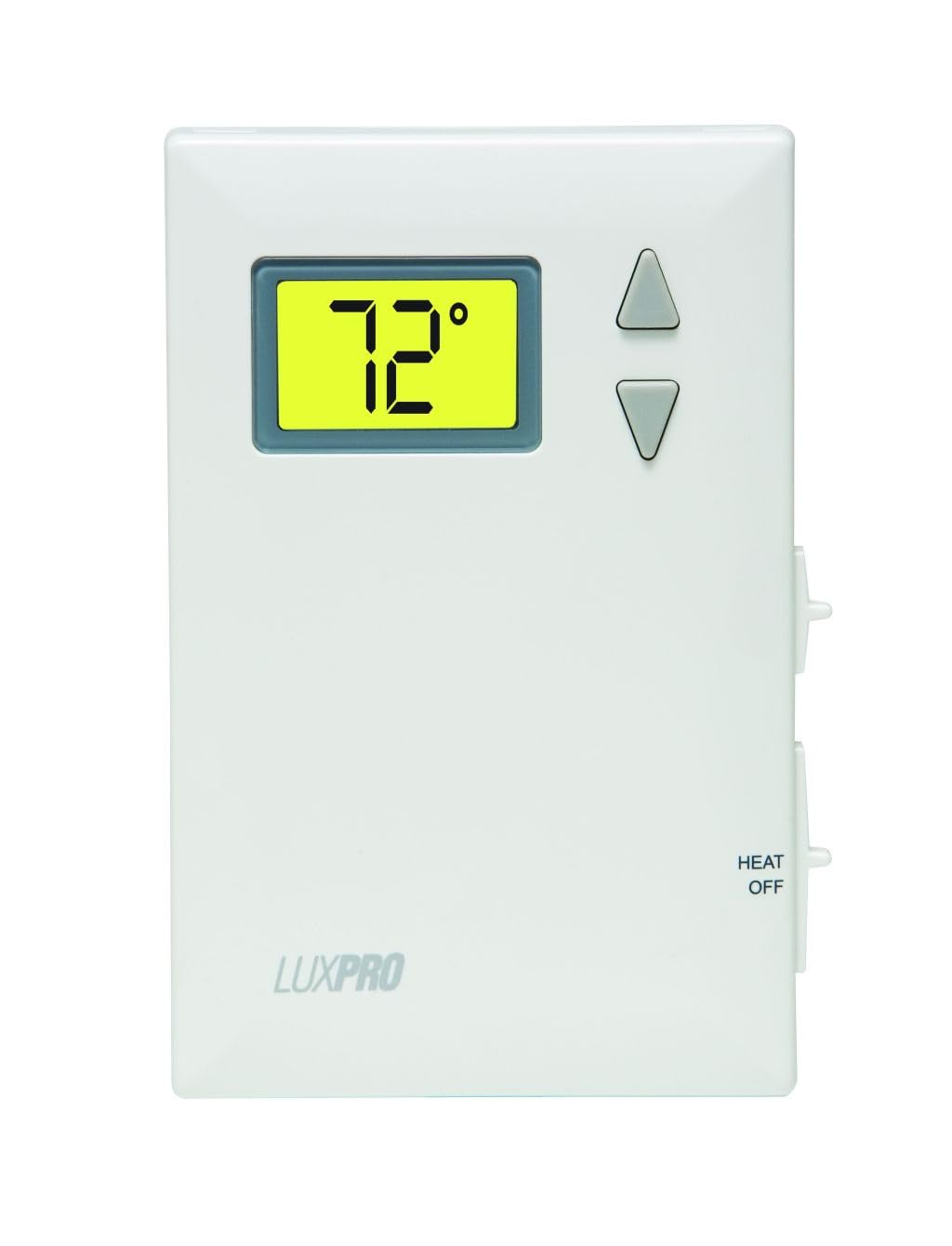
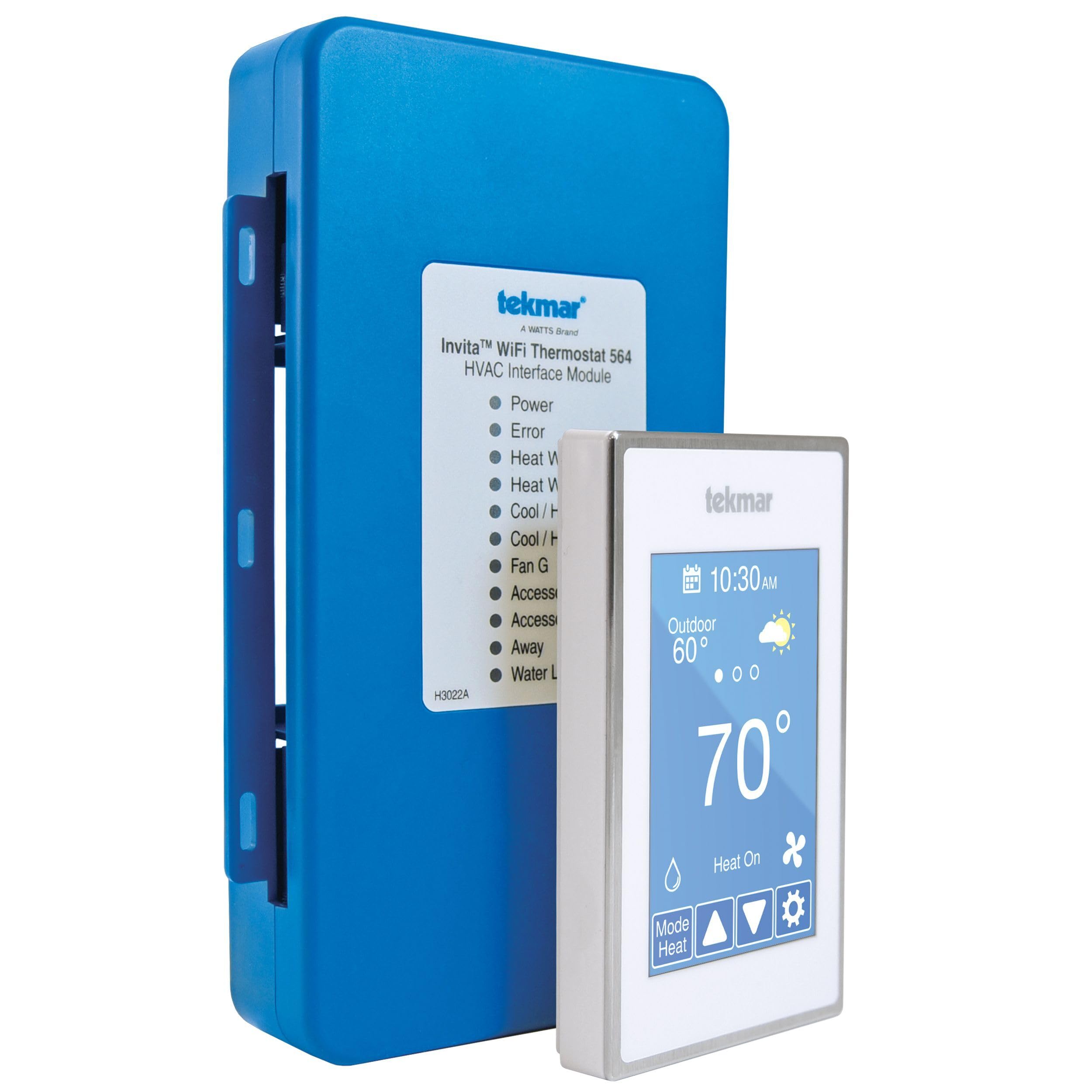
A non-programmable model gives you a clear dial or buttons and little to learn. A programmable or Wi-Fi model can lower heating use by following a schedule, but it takes more setup. Choose based on how often you change the temperature and whether you want remote control. Large, readable buttons and a clear display matter more than long feature lists.
Sizing, Fit, and Everyday Use
Check the size of the old thermostat and the wall plate, since a new unit may leave marks or need a cover plate. Consider who will use it most, and whether they can read the display and press the buttons easily.
Daily use also depends on simple routines such as changing batteries or adjusting the schedule. Choose a model whose routine you can keep up without much effort, and check that the controls are clear enough to use without the manual.
Related Guides to Compare
If you are still weighing options, these closely related guides may clarify your priorities:
- Best 2 wire smart thermostat
- Best thermostat for 2 wire system
- Best 2 wire wifi thermostat
- Best thermostat wire
- Best wifi thermostat for 2 wire system
Setup and Long Term Care
Set aside enough time for setup, and read the basic instructions before the first use. Label the two wires before you disconnect the old unit, and try the main functions in a calm moment to make sure the system heats as expected.
Long term care is mostly about small habits. Replace batteries on a schedule if the model uses them, keep the vents around the unit clear, and note the purchase date and warranty details. Switch the breaker off before any wiring work and ask a professional for help if the wiring is unclear.
Common Mistakes to Avoid
One common mistake is choosing by price alone, without checking system compatibility. Another is buying a smart model that needs a common wire and then finding the home has none. Compare two or three realistic options and avoid a choice based only on appearance.
A second mistake is skipping the practical checks, such as confirming the voltage, noting the wire labels, and reading the install guide. These checks take only a few minutes, but they prevent most disappointments. If a detail is unclear, ask the seller or check the manual before you order.
Frequently Asked Questions
How do I choose the right 2 wire thermostat for my needs?
Start by confirming your system type and voltage, then match it to power source options and heat only compatibility. Decide whether a simple dial or a programmable or Wi-Fi model suits your routine, and shortlist only the options that pass those basic checks.
What features matter most for a 2 wire thermostat?
The features that matter most are how the thermostat is powered without a common wire, heating only system compatibility, and simple scheduling and manual control. Give the most weight to what you will notice every week, and treat extras as a bonus.
How much should I expect to spend on a 2 wire thermostat?
Most buyers spend about $30 to $300. Basic non-programmable models sit at the low end, while Wi-Fi and touchscreen models cost more. Add batteries or a power adapter to the purchase price before you judge value.
What should I check before I order a 2 wire thermostat?
Confirm that the thermostat supports your system type and voltage, and that the wires will connect to its terminals. Check the return terms and keep the packaging until you have tried it at home.
How do I look after a 2 wire thermostat over time?
Replace batteries when the low battery warning appears, keep the unit clean and dry, and follow the care guidance that came with the product. Switch the breaker off before any wiring work and ask a professional for help if the wiring is unclear.
Final Thoughts
Take your time, use the checklist in this guide, and choose the option that fits your heating system, your routine, and your budget. When you compare fairly and check the fit, the best 2 wire thermostat becomes a confident choice rather than a guess. The product table can help you review your shortlist once more before you order.