Best 35mm Cameras of All Time by Budget: Smart Picks for 2026
Disclosure: We may earn a commission when you buy through links on this page, at no extra cost to you. As an Amazon Associate I earn from qualifying purchases. Learn more
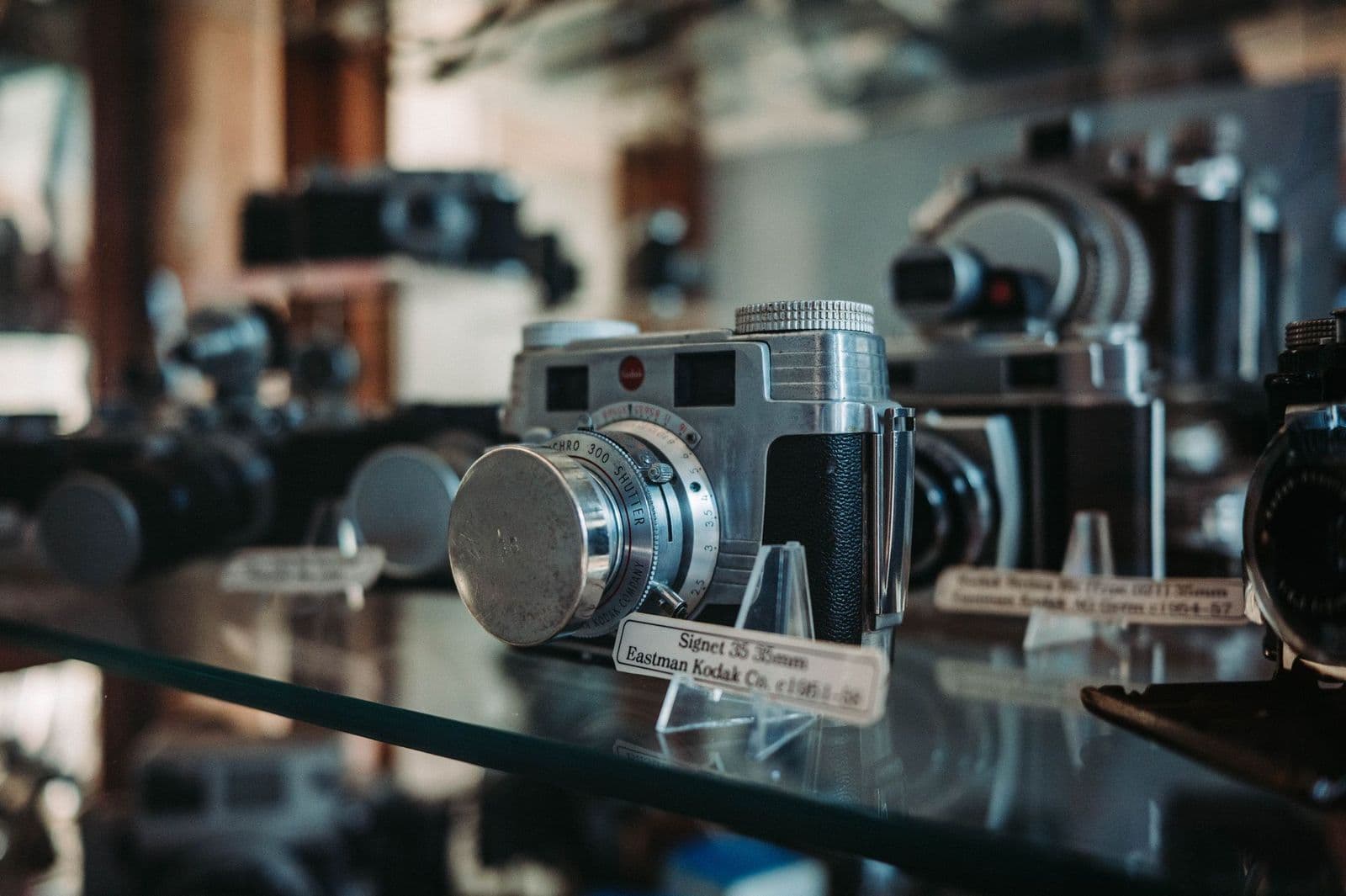
Compare the best 35mm cameras of all time by budget, with guidance on camera types, lenses, metering, used condition checks and long term film costs.
Prices for classic film cameras stretch from the cost of a nice dinner to the cost of a used car, and price alone tells you little about value. The best 35mm cameras of all time earned their reputations through decades of reliable service, strong lenses and handling that still feels right today. This guide sorts those cameras by budget, so you can spend where it improves your photos.
Every such camera is now bought used, so condition matters as much as design. A modest body in clean working order beats a famous body with tired seals and a lazy shutter.
Who Should Buy Which Classic 35mm Cameras?
Start with how you plan to shoot, because the right classic for quiet street work differs from the right classic for careful portraits.
New Film Shooters Who Want a Proven Starting Point
You want a camera that teaches exposure without fighting you. Look for a clear meter display, a standard lens around 50 mm and simple controls you can learn in one roll. If you are still deciding, see our guide to the best 35mm cameras for beginners for a gentler path into film. Choose common models, because they are easier to service and resell.
Street and Travel Photographers Who Value Small Size
You shoot quickly in public and carry your camera for hours. A compact rangefinder style body or a small fixed lens camera keeps your kit light and your presence low, and bright frame lines help you work fast. For a deeper comparison of focusing styles, see our guide to the best 35mm rangefinder cameras before you commit.
Enthusiasts Who Want Full Manual Control and Lens Choice
You enjoy setting every control yourself and building a small set of lenses. A single lens reflex body gives exact framing through the lens and the widest choice of used glass. See our guide to the best 35mm slr cameras to compare mounts and body styles against your budget. Weight matters less to you than flexibility.
Key Features to Compare
Compare these factors in the same order for every listing, so a famous name cannot hide weak condition or a poor lens.
Camera Type and Focusing Method
Three types dominate this market. A single lens reflex shows the exact scene through the taking lens and focuses with a split image screen, which suits close work and longer lenses. A rangefinder focuses by aligning two images in a small window, which stays bright in dim light and leaves the view unblocked at exposure. A point and shoot camera automates focus and exposure, which is fast but gives you little control.
Lens Mount and the Cost of Used Lenses
The body is only the entry fee, because the lens mount decides what glass you can buy later and what it costs. Popular mounts have deep used markets, so a sharp 35 mm or 85 mm lens stays affordable. Rare mounts can leave you paying collector prices for basic focal lengths. Before you buy, price the two lenses you want most and add that figure to the body cost.
Metering and Exposure Control
Most classics meter through the lens and show the reading in the finder. Manual exposure gives full control once you learn to read contrast. Aperture priority suits faster shooting, because you set the lens opening and the camera picks the shutter speed. Center weighted metering dominates this era and handles most scenes well once you lock exposure on a midtone. Check that the meter reacts smoothly, because a jumpy needle often signals dirty contacts.
Shutter Design and Battery Dependence
Fully mechanical shutters work at every speed with no battery, and the battery only powers the meter. Electronic shutters offer more precise speeds and auto modes, but a dead battery can leave the camera with one working speed, or none. Cloth focal plane shutters are quiet and common, while metal blade shutters often allow faster flash sync. Ask which battery the meter needs, because some older cells are discontinued.
Build, Service Support and Used Condition
Lasting fame tracks solid metal construction, smooth film advance and controls that still feel precise after decades. Popular models also have known service procedures and spare parts donors, while an obscure body can end its working life over one simple fault. In hand, fire every shutter speed, inspect the light seals and mirror foam for crumbling, and look through the lens for haze or fungus. Clean examples of the best film cameras 35mm cost more, and that premium is usually well spent.
What Classic 35mm Bodies Cost at Each Level
Budget shapes this purchase most. That is why the best 35mm cameras of all time are best judged tier by tier, with the lens included, rather than by reputation alone.
Entry Tier: Sound Basics and One Good Lens
At about $100 to $250 with a kit lens, expect a sturdy manual or aperture priority body, a working meter and honest wear. You give up compact size, fast lenses and premium finish. This tier suits learners, because a fault here costs little and patience finds serviced examples.
Middle Tier: Better Handling and Wider Lens Choice
At about $300 to $700 with one lens, you gain smoother advance, brighter finders, stronger meters and access to faster glass, often with depth of field preview. This is the value center of the market, because the gains improve daily shooting while parts remain easy to find.
Collector Tier: Rare Bodies and Fast Glass
At about $900 to $2,500 and above, you pay for rarity, compact precision bodies and very fast lenses rather than better basic pictures. Mint examples cost far more than worn ones with the same optics. Buy here only when you value the handling and history, and budget for expert service.
Film, Batteries and Servicing Costs Over the Years
The body price is only the start. A standard service that replaces seals and checks speeds costs about $100 to $250. Film runs about $8 to $18 per roll, and lab developing often adds about $12 to $20 per roll. At two rolls a month, film and lab fees pass the price of an entry tier body within a year, so judge each tier by its full first year cost.
Common Mistakes to Avoid
- Paying a premium for a famous name in poor condition leaves you with repair bills before your first finished roll.
- Buying a body before pricing its lenses can trap you on a mount where basic glass costs more than the camera.
- Skipping a shutter test at slow speeds hides faults that only appear on the frames you care about most.
- Ignoring crumbling light seals lets stray light fog film edges and ruin a full roll without any warning.
- Choosing a battery dependent body with no spare cells can end a trip day when the meter and shutter stop.
- Storing a camera in a damp closet invites lens fungus that cleaning cannot always remove.
Care and Maintenance for Classic 35mm Film Cameras
Store your camera in a dry place with air flow, in a cabinet with a small desiccant pack you refresh on schedule. Keep the body cap or a lens fitted so dust stays off the mirror and focusing screen. Wipe the exterior with a soft dry cloth after outings, and use a blower to clear dust from glass.
Fire the shutter at several speeds every month or two if the camera sits unused, because slow speed mechanisms grow sluggish. Have light seals and mirror foam replaced when they feel sticky. Remove batteries during long storage, because leaking cells corrode contacts and can damage meter circuits.
FAQ
Are classic 35mm film cameras still good for low light photography?
Yes, classic 35mm film cameras handle low light well with fast lenses and faster film. A lens that opens to f/1.4 or f/2 gathers far more light than a slow zoom. Load film rated at ISO 800, or ask your lab about push processing for extra sensitivity. A rangefinder finder also stays bright when a reflex mirror makes the scene dim.
How much should you spend on a first classic 35mm film camera?
Spend about $150 to $300 on a serviced body with a standard lens for a first classic 35mm film camera. That range buys reliable metering and common mounts without collector pricing. Reserve part of the budget for fresh batteries and your first three rolls of film. Buy from a seller who accepts returns, so you can run a test roll and check the results.
Can a fully mechanical 35mm film camera work without a battery?
Yes, a fully mechanical 35mm film camera fires at all shutter speeds without a battery, and only the meter stops. You can keep shooting with a phone light meter app or the Sunny 16 rule while you find a replacement cell. Note the exact battery type before a trip, because some older meters need a modern substitute cell.
What film should you load first in a classic 35mm film camera?
Load a fresh roll of color negative film rated at ISO 400 first in a classic 35mm film camera. This film tolerates exposure errors in both directions, so your test roll judges the camera fairly even if your metering is rough. Avoid expired film for a first test, because age fog can look like a camera fault. Note frame numbers beside any problems you find.
How can you tell if a used 35mm film camera needs new light seals?
You can tell a used 35mm film camera needs new light seals when the foam around the film door feels sticky, crumbles at a touch or leaves black residue on your fingers. Shine a small light inside the closed body in a dark room and look for leaks at the door edges. Seal kits cost little and many owners fit them at home.
The Bottom Line
Choose by condition, lens mount and meter first, then let budget set the tier. A serviced middle tier body with one sharp standard lens covers most needs for years. Use the checks in this guide when you compare listings.
Handled that way, the best 35mm cameras of all time remain practical tools rather than shelf ornaments. Pick the tier that fits your wallet, run a test roll early, and enjoy cameras built to be repaired and kept.