Best 35mm Rangefinder Cameras for 2026: Everything to Know Before Your First Purchase
Disclosure: We may earn a commission when you buy through links on this page, at no extra cost to you. As an Amazon Associate I earn from qualifying purchases. Learn more
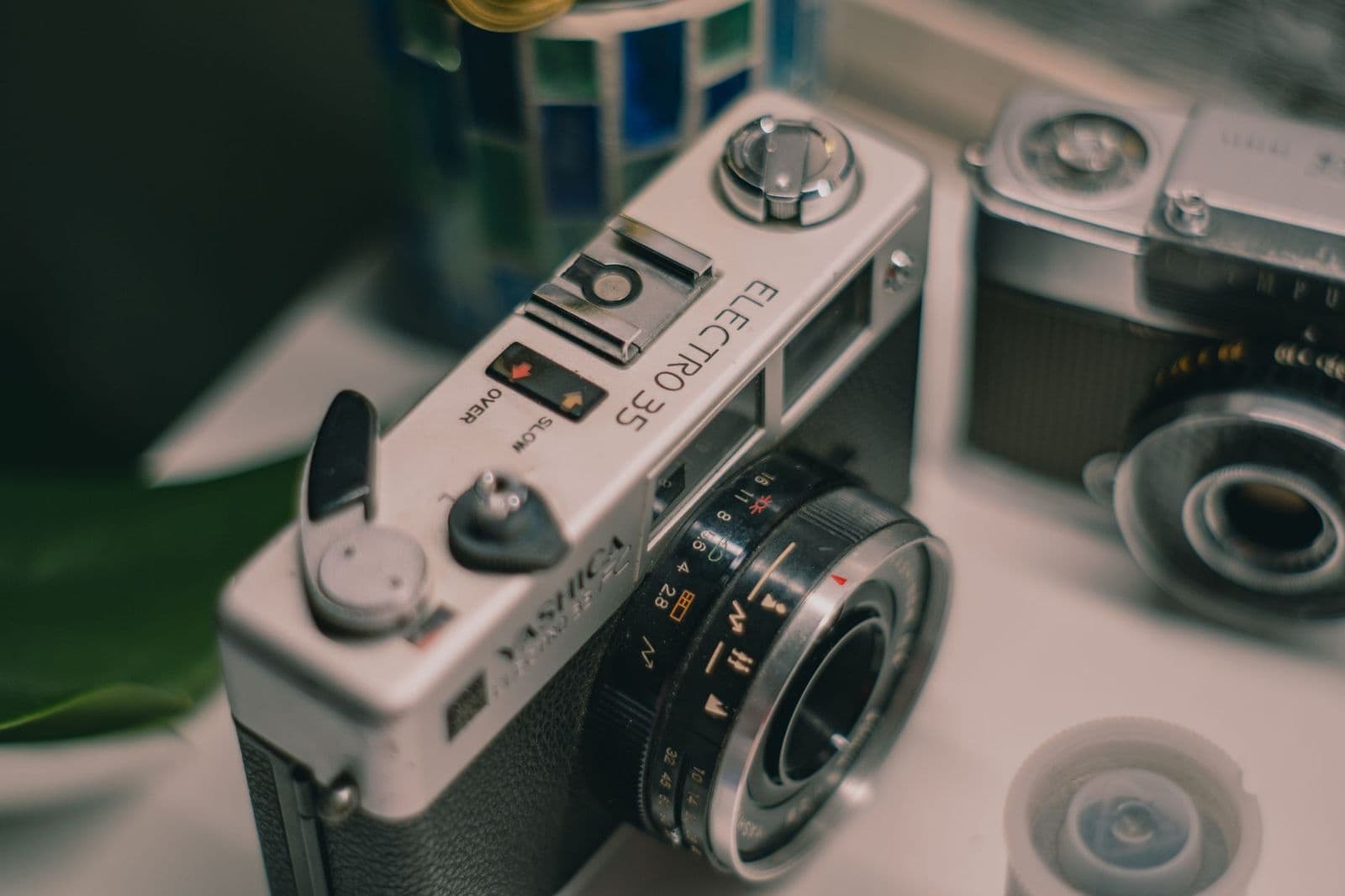
Learn how focusing, lenses, and metering work on the best 35mm rangefinder cameras, and avoid the rookie mistakes that cost first-time buyers money.
Buying your first film rangefinder feels different from buying any modern camera, because most of these bodies are decades old and every example has its own history. This guide walks through the best 35mm rangefinder cameras in plain language, from how the focusing system works to the condition checks that protect your money. By the end you will know which features matter, which you can ignore, and what a fair budget looks like.
We will start with the basics, then explain the key specs one at a time, then cover the mistakes new buyers make and the first steps once your camera arrives. A little patience up front saves you from the most common outcome for beginners, a beautiful camera that needs costly repairs.
Best 35mm Rangefinder Cameras 101: The Basics
A rangefinder camera focuses through a separate optical system instead of through the lens. You look through a window, see a double image of your subject in a bright central patch, and turn the lens until the two images merge into one, which means the subject is in focus. Because there is no mirror and no screen blackout, the view stays bright and you can watch the scene at the exact moment of exposure. Frame lines projected inside the window show what your lens will record, with space visible around them for timing your shot.
The 35mm part of the name refers to the film, which exposes a frame about 24 by 36 mm and loads in standard cassettes that labs still process today. These cameras earned their reputation in street and documentary work because they are compact, quiet, and fast to handle once the focusing habit forms. Our broader overview of best 35mm cameras shows how they sit alongside SLR and compact designs. One general rule applies from day one: never point any camera viewfinder at the sun, and follow the manufacturer's instructions for care and handling.
Key Specs Explained in Plain English
Each spec below is explained in plain terms, with the range most first time buyers should target.
Film Format and Image Quality
Every camera in this class exposes the same 24 by 36 mm frame, so image quality depends far more on the lens and the film stock than on the body. A clean, well adjusted lens on an affordable body will outshoot a famous body with a hazy lens. Film speed shapes the look: ISO 200 gives fine grain in daylight, while ISO 400 handles mixed light at the cost of visible grain. Readers comparing formats can see how this class relates to best 35mm rangefinder film cameras of every era.
Rangefinder Focusing and the Viewfinder
Focusing accuracy depends on the effective base length of the rangefinder and the magnification of the viewfinder, which commonly runs about 0.58 to 0.85. Higher magnification makes the double image easier to align with longer or faster lenses, while lower magnification shows wider frame lines for 28mm and 35mm lenses. Check that the central patch has strong contrast in dim light, because a faded patch makes focusing slow and uncertain. Eyeglass wearers should confirm they can see the full frame lines without pressing hard against the eyepiece.
Lenses: Fixed or Interchangeable
Fixed lens models carry one built in lens, usually about 35mm to 45mm with an aperture around f/2 to f/2.8, and they keep the whole package simple and affordable. Interchangeable lens bodies let you swap focal lengths, and the classic pairing is a 35mm lens for scenes plus a 50mm lens for people. There is no zoom on classic models, so you compose by walking closer or stepping back. A fast aperture matters more here than in digital photography, because your film speed is fixed for the whole roll.
Metering and Exposure Help
Later models include a built in light meter that shows needles or small lamps in the viewfinder, while many classics have no meter at all. A meterless body is still easy to use with a phone metering app or a small handheld meter, and many photographers enjoy the slower routine. Some bodies add auto exposure, where the camera picks the shutter speed for your chosen aperture, which shortens the learning curve a lot. Confirm which battery the meter needs, because some original battery types are no longer made and need modern substitutes.
Size, Weight, and Ergonomics
Most bodies in this class weigh about 400 to 700 grams without a lens, which is light enough for all day carrying on a strap. Compact fixed lens models slip into a jacket pocket, while interchangeable lens bodies are bigger but still smaller than most SLR outfits. Small, closely spaced dials can frustrate shooters with large hands or gloves, so look at photos of the controls before buying. A soft, quiet shutter is part of the appeal, and it is genuinely useful in quiet venues like galleries and ceremonies.
Ease of Use for Your Skill Level
Fully manual focusing and exposure take a few rolls to feel natural, and most beginners see their keeper rate climb sharply by the third roll. Zone focusing, where you preset the lens for a distance band and shoot within it, is the classic shortcut for fast street work. If that learning curve sounds steep, an auto exposure model lets you concentrate on focusing while the camera handles one variable. The guides collected under best 35mm cameras for beginners walk through these first skills in order, and whatever body you choose, expect film loading to feel clumsy at first and automatic within a month.
Rookie Mistakes to Avoid
- Buying an unchecked body: a cheap camera with slow shutter speeds and a misaligned rangefinder can cost more to service than a seller-verified example costs to buy.
- Trusting an old meter blindly: aging cells and substitute batteries can shift readings, so compare the meter against a known reference before an important shoot.
- Pairing a fast long lens with a short base finder: focusing errors grow with focal length and wide apertures, and missed focus ruins more shots than any other factor.
- Expecting modern conveniences: there is no autofocus, no zoom, and no instant review, so a rangefinder rewards patience rather than rapid shooting.
- Forgetting the running costs: film and lab developing add up per roll, so include them in the budget instead of spending everything on the body.
Getting Started: Setup and First Use
Begin with a bench check before loading any film. Fire the shutter at every speed and listen for even, confident operation, then look through the finder and confirm the double image aligns on a distant object when the lens sits at its infinity stop. Inspect the light seals around the film door, because crumbling foam is the most common cause of light leaks and is inexpensive to replace. Wipe the lens with a proper lens cloth, not your shirt, since gritty fabric can scratch old coatings.
Load an inexpensive trial roll and shoot it in varied light, from open shade to bright sun, keeping brief notes on settings for a few frames. Carry a spare battery if your meter uses one, because a dead meter cell is the most common field failure on metered bodies. Send the roll to a lab before any trip that matters, and study the scans for light leaks, uneven frame spacing, and exposure drift. A clean trial roll means the camera is ready for real work.
FAQs
What is the difference between a rangefinder camera and an SLR camera?
An SLR shows you the scene through the lens via a mirror, so what you see is exactly what the film records, while a rangefinder shows the scene through a separate window with frame lines. The rangefinder design is smaller and quieter and never blacks out at exposure. The trade off is that close focusing and long lenses are harder, because the window view never changes with the lens. Neither system is better overall; they simply suit different subjects and habits.
Is a smartphone enough instead of a 35mm rangefinder camera?
A smartphone wins on convenience, sharing, and low light automation, and for casual snapshots it is honestly the better tool. A rangefinder earns its place when you want the deliberate pace of manual focus, the look of film grain, and prints that come from a full size negative. Many owners shoot both, using the phone for everyday records and the film camera for projects. Decide by the experience you want, not by image quality alone.
What specs matter most in a first 35mm rangefinder camera?
Condition matters more than any specification, so a body with verified, accurate shutter speeds beats a famous name in unknown shape. After that, look for a clear focusing patch, frame lines that match your chosen lens, and a lens aperture of about f/2.8 or faster. A working meter helps beginners but is not essential. Skip long feature lists, because these cameras do a few things well by design rather than everything adequately.
How much should I spend on a first 35mm rangefinder camera?
Fixed lens models in good working order commonly run about $100 to $400, which is the sensible entry point. Classic interchangeable lens bodies with one lens usually run about $400 to $1,500, and rare or prestigious examples climb far above that. Keep part of the budget back for film, developing, and a possible seal replacement. Spending more buys build quality and lens choice, not better photographs by itself.
Which 35mm rangefinder camera setup works best in low light?
A fast lens, around f/2 or wider, paired with ISO 800 film is the classic low light combination for this class. The bright finder window helps too, because your view never dims the way a stopped down SLR view does. Ask your lab about push processing, where film is rated faster and developed longer, when one roll must cover a dark venue. Brace against a wall or rest your elbows, since slow shutter speeds punish camera shake.
Our Verdict
Three things decide a good first purchase: a focusing patch you can align quickly, a lens that fits how you like to frame scenes, and a body whose condition has been honestly checked. Match those to your budget tier, start with a fixed lens model if money is tight, and plan on a few learning rolls. The best 35mm rangefinder cameras are the ones that disappear into your hands while you work, so choose the one you will actually carry.