
Best 3gb Ram Smartphones Made Simple: A Clear Buying Guide for 2026
Disclosure: We may earn a commission when you buy through links on this page, at no extra cost to you. As an Amazon Associate I earn from qualifying purchases. Learn more
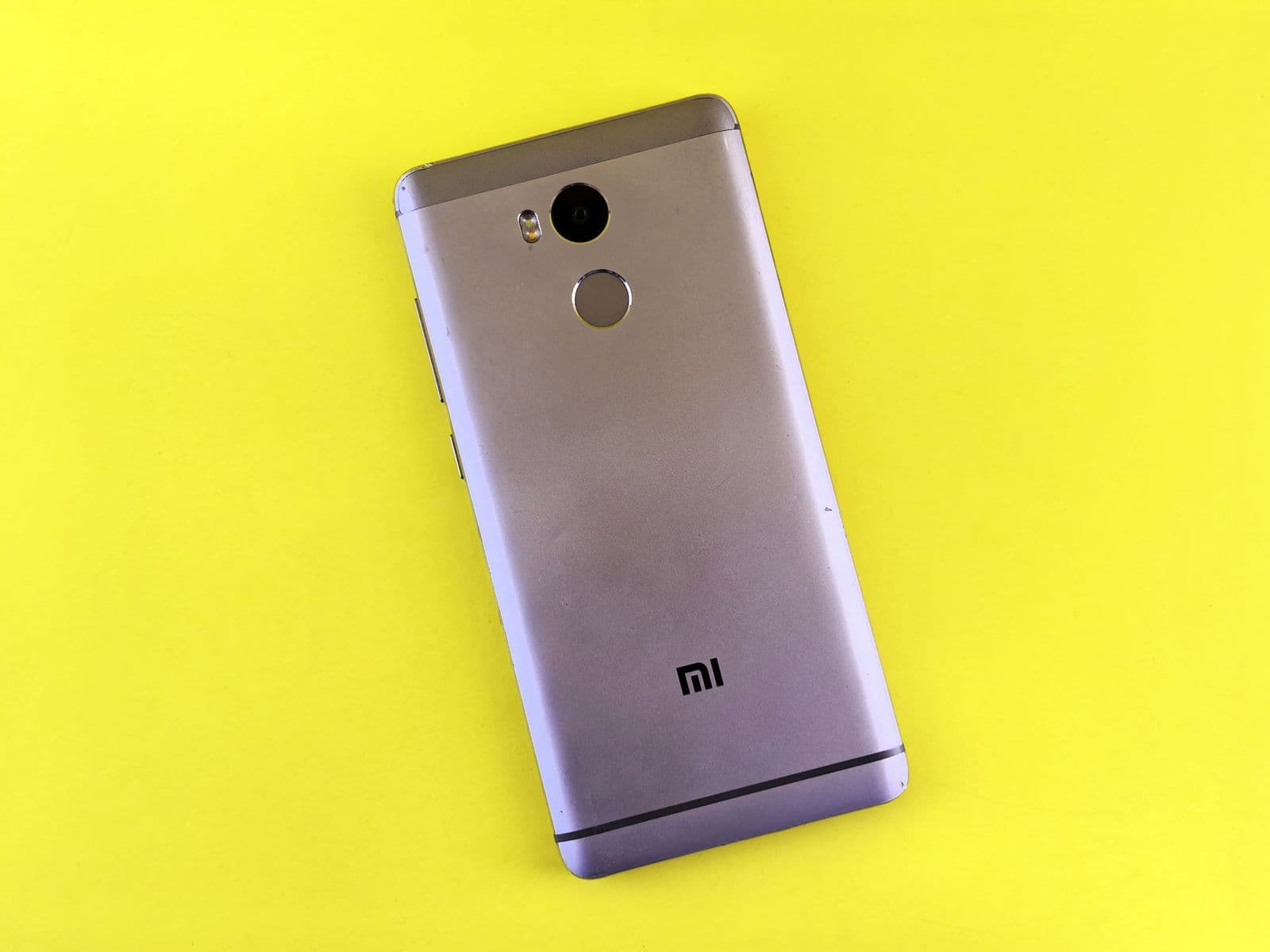
Shopping for the best 3gb ram smartphones for the first time? Learn the terms, compare options, and avoid rookie mistakes with this easy guide.
Buying your first budget phone can feel like reading a foreign language, with chip names, storage types, and camera counts all shouting for attention. This guide slows everything down and explains the best 3gb ram smartphones in plain English, starting with what 3 GB of RAM can honestly do for you. By the end you will know which specs deserve your money and which ones are just decoration on the box.
We move from basics to key specs, then to common mistakes and simple setup steps.
3gb Ram Smartphones 101: The Basics
RAM is the short term workspace your phone uses to keep apps open and ready. With 3 GB of RAM, a phone handles calls, messages, email, maps, music, and one or two social apps comfortably, as long as you do not keep many heavy apps open at once. When RAM fills up, the phone closes older apps, so they load again from scratch when you return to them. That pause is the main limit of this class, not the screen or the camera.
Storage is different from RAM: storage holds your apps, photos, and files permanently, and it does not speed up switching between apps. A phone in this class suits light and patient users, spare phone duty, kids first phones with supervision, and anyone whose main tools are calls, texts, and a browser. If your day leans on heavy games or constant multitasking, this class will feel slow within months rather than years.
Key Specs Explained in Plain English
Processor and Graphics
The processor is the engine that opens apps and renders games, and at this price it matters more than any camera claim. Look for a recent entry level chip with at least four strong cores and a name you can find in current lineups, rather than an unnamed chip described only by core count. Graphics power here suits casual games, puzzle titles, and older games at low settings. A practical rule: if a listing hides the chip name entirely, assume the chip is the weakest part of the phone and shop elsewhere. Keep these points in mind throughout your search for the best 3gb ram smartphones.
Cooling and Thermals
Phones have no fans, so they shed heat through the back panel, and a chip that runs hot will slow itself down to stay safe. This slowdown, called throttling, shows up as lag after ten or fifteen minutes of gaming or video calls. Thin metal or well fitted plastic bodies handle heat about equally at this level, so judge by behavior instead: look for reports of the phone staying smooth during long calls and navigation. Avoid thick insulated cases during long gaming sessions, because they trap heat against the body.
Battery and Charging
Battery size is written in milliamp hours, and around 5,000 mAh is the healthy standard in this class, usually giving a full day for light users. Charging speed matters almost as much: a phone that refills in about two hours is far easier to live with than one that needs half a day. Check the charging port as well, because USB C is now standard and shares cables with most other devices. A removable battery is rare today, so battery care, meaning avoiding constant overnight heat, protects your only battery.
RAM and Storage
With RAM fixed at 3 GB in this class, storage choice becomes your big decision: 64 GB is the sensible minimum, and 32 GB fills painfully fast once apps and photos grow. A memory card slot adds cheap room for photos and music, though apps themselves usually stay on internal storage. Some phones advertise virtual RAM, which borrows storage to hold extra apps; it helps a little with reopening apps but is slower than true RAM, so never count it as real capacity. If you often compare classes, our guide to the best smartphones with 4gb ram shows what one extra gigabyte changes.
Display, Body, and Build
Most phones here use a 6.5 inch LCD screen, which is easy to read and cheap to replace if cracked. Resolution around HD Plus is normal and looks fine for text and video at this size, while very large screens with low resolution can look soft up close. Prefer a screen that gets bright enough for outdoor map reading. For the body, check the grip, the button feel, and whether a basic case is included, because a first drop without a case is the most common way these phones die early.
Software Support and Upgradability
You cannot upgrade a phone processor or RAM later, so software support is your only future proofing. Favor brands that promise at least two years of security updates, and check the Android version the phone ships with today, not the version it may get someday. Light software with few preinstalled extras runs noticeably better on 3 GB of RAM than heavy skins full of duplicate apps. Storage expansion by memory card and a replaceable battery on rare models are the only real hardware upgrades this class offers.
Rookie Mistakes to Avoid
- Buying by camera megapixels alone: a high count means little without a decent sensor and software, and at this price it is often marketing padding.
- Choosing 32 GB of storage to save a little money: the saving vanishes when you start deleting photos and apps within the first year.
- Counting virtual RAM as real RAM: borrowed storage is far slower, and sellers sometimes print the combined number in bigger type than the true figure.
- Ignoring update promises: a phone without security updates becomes risky for banking and email long before its hardware wears out.
- Skipping the chip name: an unnamed processor is the surest sign of a phone that will feel slow from the first week.
Getting Started: Setup and First Use
Charge the phone fully, connect to WiFi, and let it finish any system updates before you install your apps, because updates often improve speed and battery life. Transfer contacts and photos from your old phone using the built in transfer tool, then sign in to only the accounts you truly use. Remove or disable preinstalled apps you do not need, since every background app competes for your 3 GB of RAM. Set a screen lock, turn on device finding, and back up photos to a cloud account or a computer. Finally, learn the gesture or button shortcut for closing all open apps, and use it when the phone starts to feel sluggish.
3gb Ram Smartphones: Your Questions Answered
What can a smartphone with 3 GB of RAM handle each day?
It handles calls, texts, email, browsing, maps, music, video streaming, and light social apps without drama. You will notice limits when switching among many apps, because older apps reload instead of resuming instantly. Keep two or three main apps in rotation and the phone feels fine. Push it with heavy games, split screen multitasking, and large photo editing, and the same phone will frustrate you daily.
How much RAM do smartphones need for gaming?
Casual games run happily on 3 GB, but modern 3D games want 6 GB or more to hold game data and keep frame rates steady. If gaming is a top priority, step up a class using our guide to the best smartphones with 6gb ram rather than hoping settings menus will rescue an entry level phone. On a 3 GB phone, choose low graphics settings and close other apps before you play for the smoothest result.
Is 64 GB of storage enough for a first smartphone?
Yes, 64 GB is enough for most first time users who stream music and video instead of storing them. Expect the system and essential apps to take roughly a fifth of it, leaving comfortable room for photos for a year or two. Add a memory card if the slot exists and you shoot lots of video. If you already know you record long videos weekly, start at 128 GB or accept regular cleanup as part of ownership.
How does a 3 GB phone compare with the same phone in a higher RAM class?
The higher RAM version keeps more apps open, reloads less often, and stays pleasant for longer as apps grow heavier each year. Side by side listings like our guide to the best 3 gb ram smartphones make the price gap easy to judge. The cameras, screen, and battery are usually identical between versions, so you are paying purely for smoother multitasking and a longer useful life, which many buyers find worth a modest step up.
How long will a 3 GB RAM smartphone stay usable?
Expect about two to three years of comfortable use for light tasks, assuming security updates continue that long. The battery will fade gradually, and newer app versions will slowly demand more memory, so reload pauses grow over time. You can stretch life by keeping storage at least a quarter empty and removing apps you stop using. When updates end or banking apps drop support, replace the phone even if the screen still lights up.
Wrapping Up
Judge this class by three things: a named and recent processor, at least 64 GB of storage, and a clear promise of security updates. Accept the RAM limit with honest expectations, and these phones reward you with low cost and simple, reliable service. The best 3gb ram smartphones are not small flagships, they are sensible tools for light daily jobs. If your budget stretches, our guide to the best 8gb ram smartphones shows the ceiling of this budget family.


