Best 35mm Cameras for Beginners: A First Time Buyer's Guide for 2026
Disclosure: We may earn a commission when you buy through links on this page, at no extra cost to you. As an Amazon Associate I earn from qualifying purchases. Learn more

Best 35mm cameras for beginners are simple, focus-free film cameras that make learning easy. See what to look for, film costs and first roll tips.
Shooting film is a great way to learn photography because every frame counts and there is no screen to second guess you. If you are shopping for the best 35mm cameras for beginners, the good news is that the easiest models are simple, light and inexpensive, with no settings to master before your first roll.
The product table shows a range of starter film cameras side by side, from reusable focus-free point and shoots to single-use models. The guide below explains how they work, which features matter, common mistakes and how to shoot your first roll. Prices and availability can change, so check the product page before ordering.

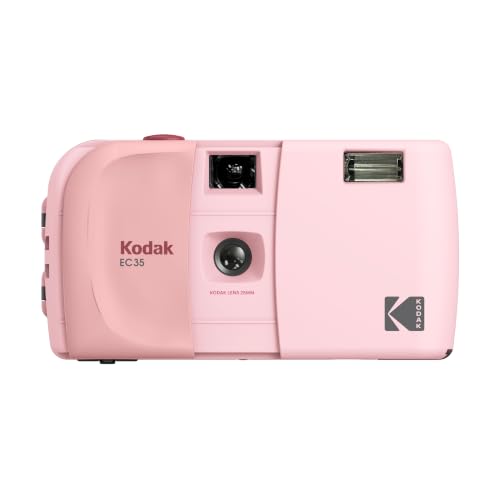
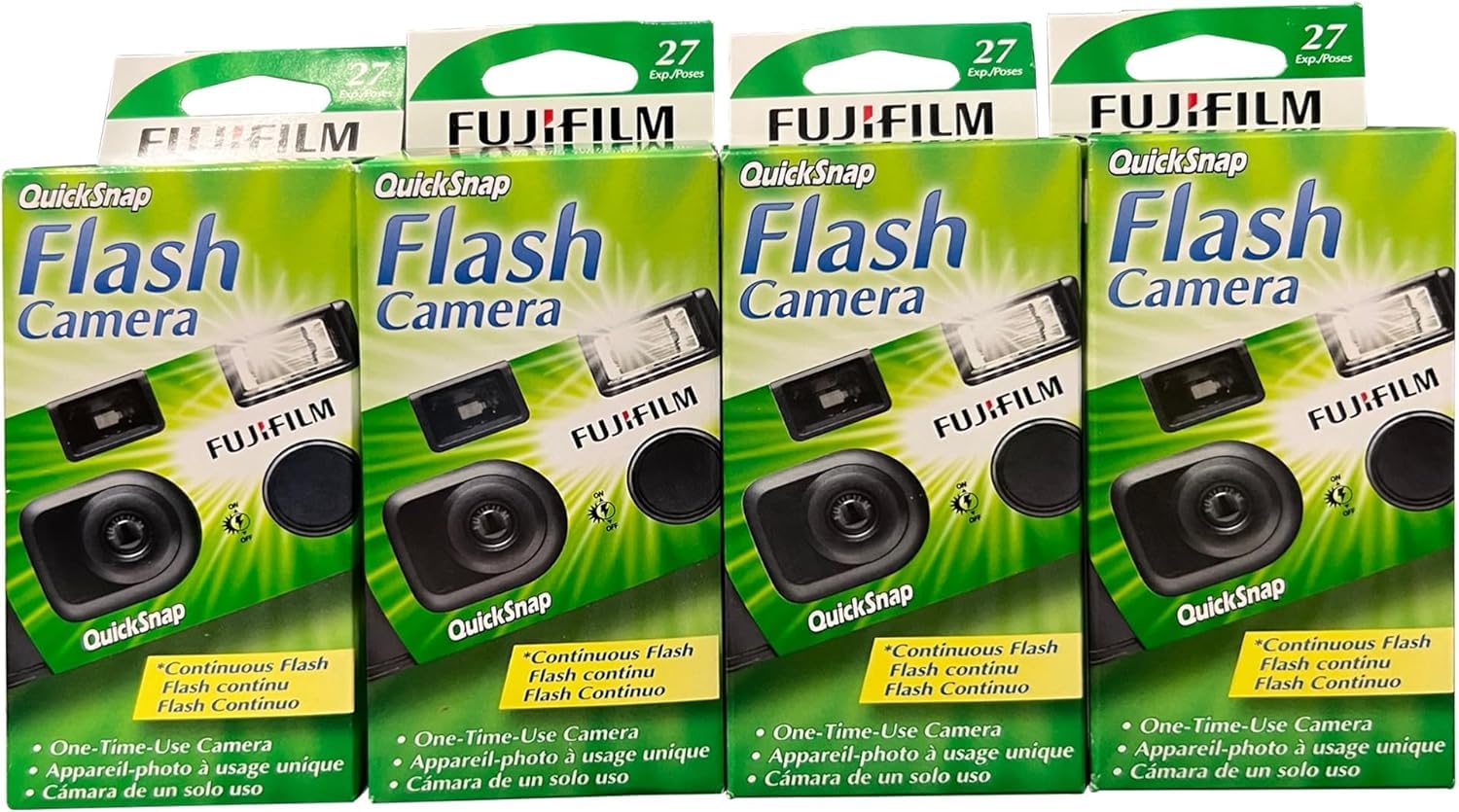


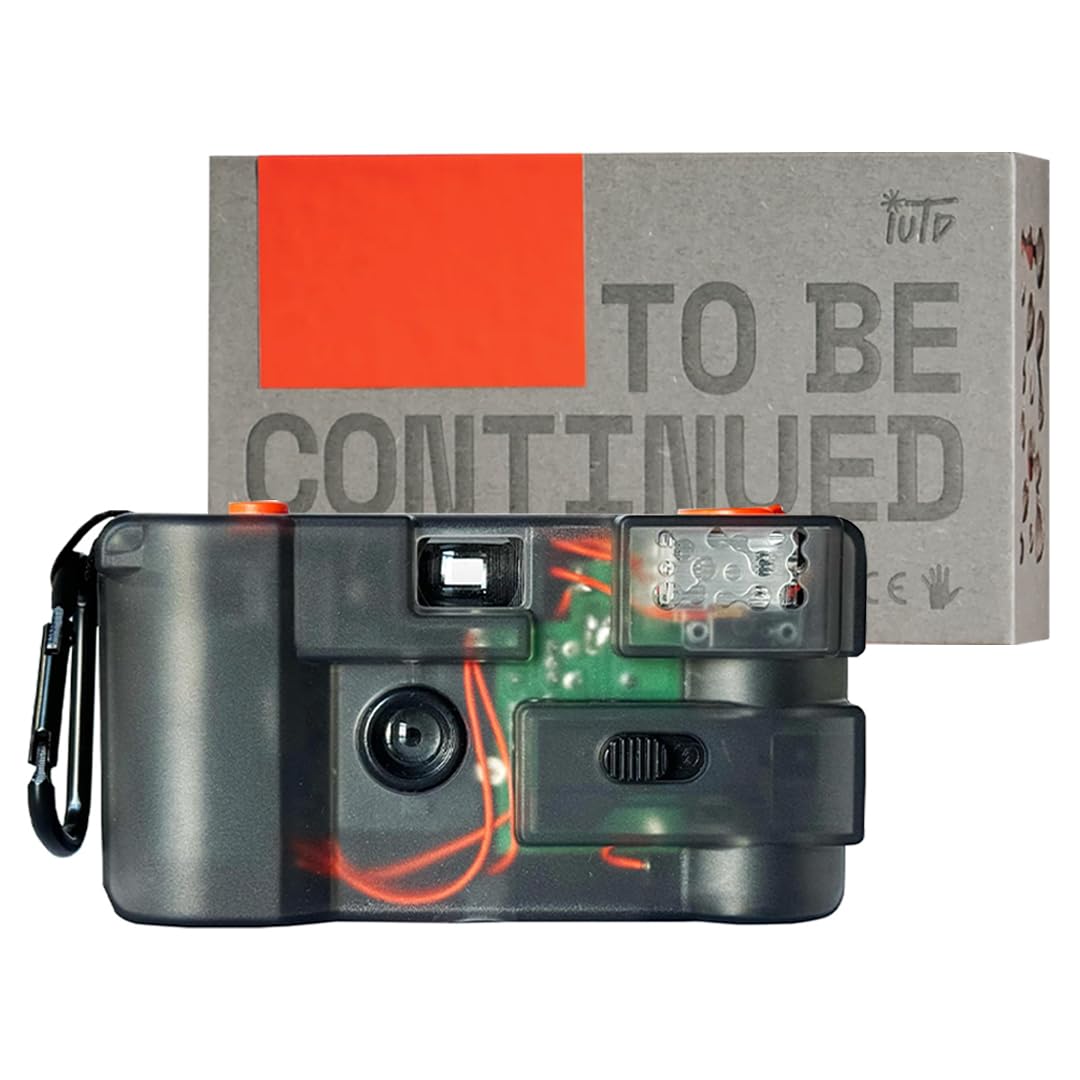
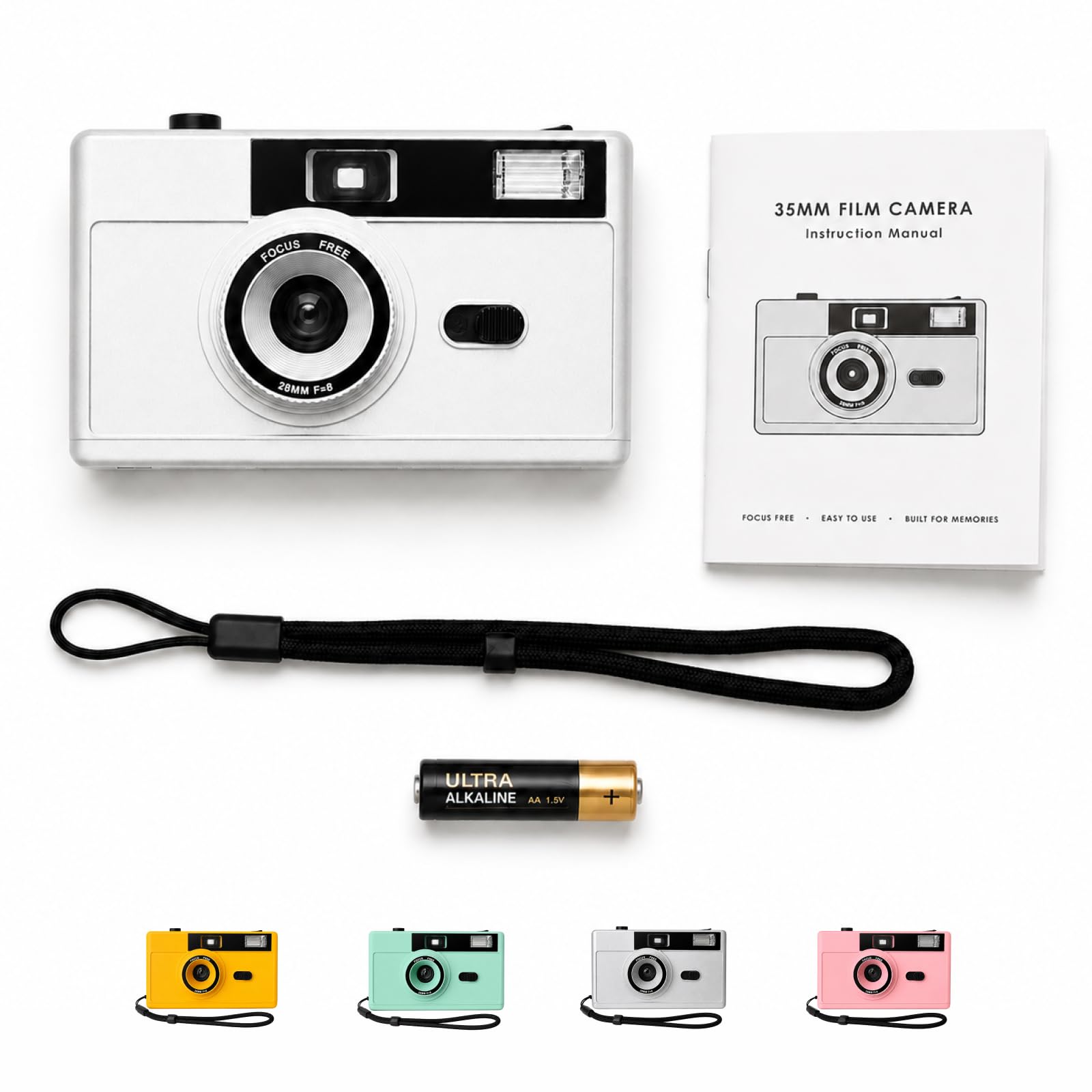
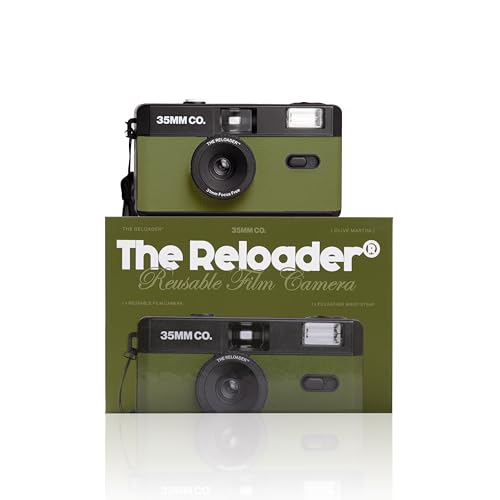
35mm Film Cameras 101: The Basics
A 35mm film camera records photos on a roll of 35mm film instead of a digital sensor. Light passes through the lens, exposes the film, and you wind the film on after each shot. When the roll is finished, a lab develops it and can scan the negatives so you can share them online. Most rolls hold 24 or 36 exposures, and half frame cameras can fit roughly double that number of smaller photos on the same roll.
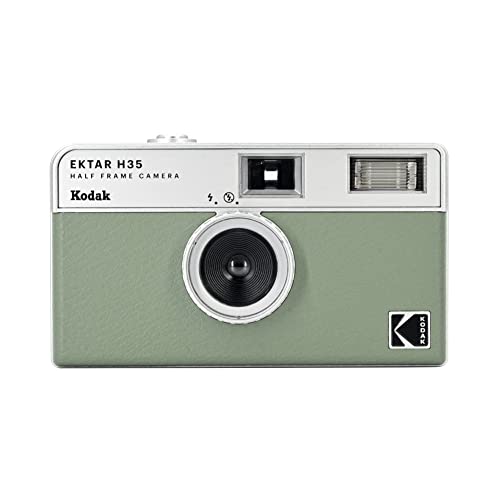
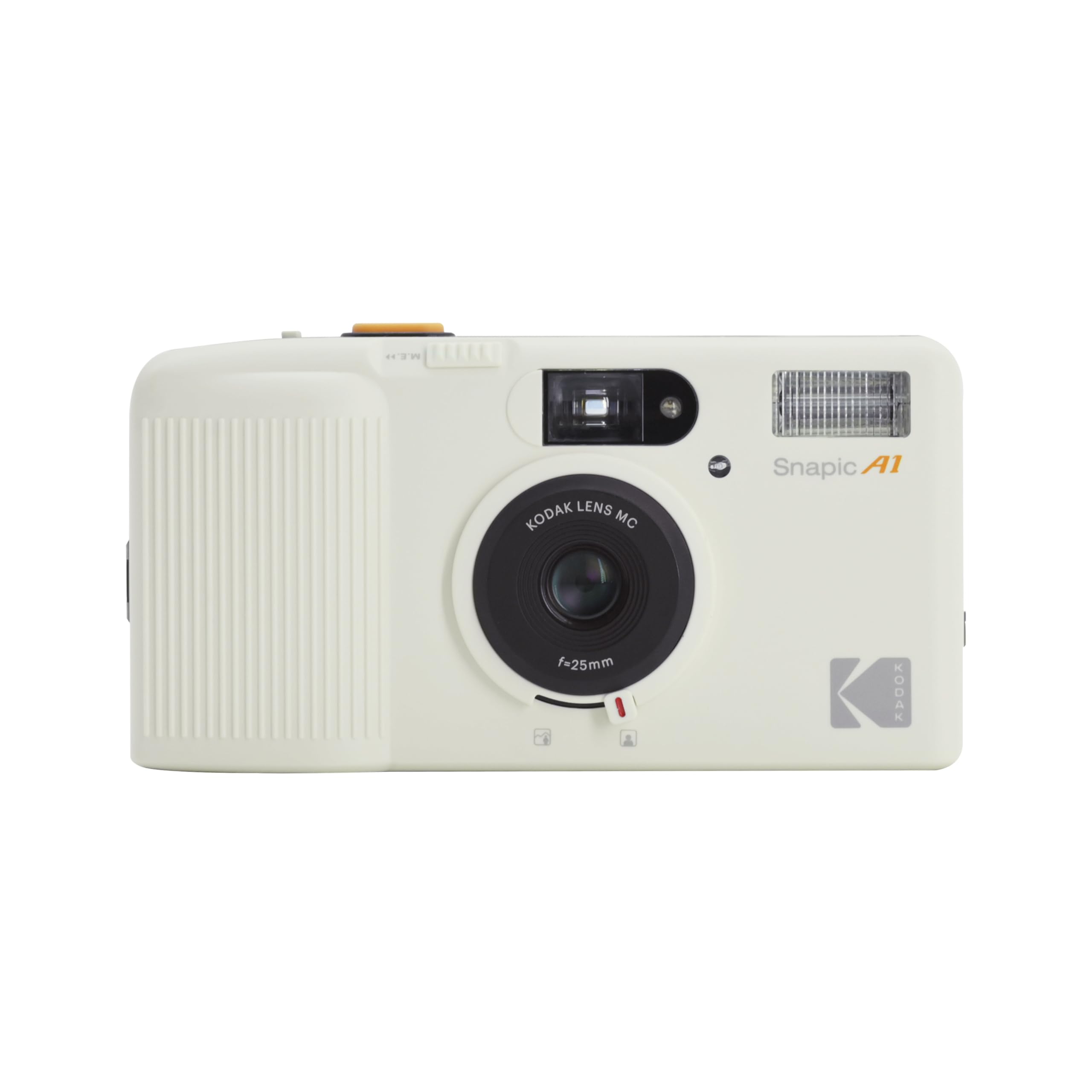
For a first buyer, simple beats advanced. Most beginner models are point and shoot designs with a fixed lens, a small viewfinder and a built-in flash. They have few controls, so you can focus on framing and light. Reusable models take new film each time, while single-use cameras come preloaded and are meant to be handed in for processing.
Key Features Explained in Plain English
Film camera specs are short and easy to read. Here is what each one means for a first camera.
Focus-Free vs Zone Focus
Focus-free cameras use a fixed lens set so that everything from a few feet away to the distance looks acceptably sharp. They are the simplest option and suit snapshots, travel and parties. Zone focus models let you pick between a couple of distance settings, such as portrait and landscape, which gives a little more control without much complexity.
Lens Width
A wider lens, such as 22mm to 28mm, fits more of the scene in the frame and suits street scenes, group photos and travel. A wide lens also forgives small framing mistakes, which helps beginners. Very wide lenses can stretch subjects near the edges, so keep people toward the center of the frame.
Built-In Flash
A built-in flash lets you shoot indoors and in the evening, where film without flash often looks dark. Check how the flash is turned on and what battery it needs. Many compact film cameras use a single AA or AAA battery, and the battery is often not included, so buy one with the camera.
Half Frame and Full Frame
Half frame cameras give you about twice as many photos per roll, which lowers the cost per picture and encourages experimenting. Photos are in a vertical format by default. Full frame models give a more traditional shape and slightly more detail per photo. Either works well for a first camera, so choose the shape you like.
Size, Weight and Build
A pocket-size camera gets carried more, and a camera that is carried gets used. Plastic bodies are normal at this price level and keep weight down. Look for a lens cover or slide cover that protects the glass in a bag, and a wrist strap so the camera does not drop.
Film Choice and Running Costs
The camera is only part of the cost. Film, development and scanning add up, so plan for them before you buy. A common choice for beginners is color negative film with a speed of 200 or 400, which handles sunny days and shade without fuss. ISO 400 is the safer pick for cameras with a basic fixed exposure, since it copes better when light drops. Black and white film is a good second roll once you are comfortable.
Check the film format on the listing: it should say 35mm, which is the standard cartridge found in most stores. Store film in a cool place and use it before the date on the box. Ask your lab about scanning, as digital scans make sharing much easier than prints alone.
Rookie Mistakes to Avoid
Most first time film mistakes are easy to prevent with a little planning.
- Forgetting the battery or film, since many cameras ship without either.
- Shooting indoors without flash, which usually gives dark, blurry results on basic cameras.
- Standing too close to the subject on a focus-free camera. Keep a few feet of distance unless the camera says otherwise.
- Opening the back with film inside, which exposes the roll and ruins your photos.
- Buying a camera first and then discovering how much film and development cost per roll.
Getting Started: Loading and Your First Roll
Load film in dim light, such as in the shade, and follow the camera manual for threading the leader onto the take-up spool. Close the back, advance the film until the frame counter shows one, and check that the rewind knob turns as you wind on. That confirms the film is moving properly.
For your first roll, shoot outdoors in bright, even light and keep your subject a few feet away. Wind on after every shot, since many simple cameras allow double exposures if you forget. Use the flash for backlit faces and indoor scenes. When the roll is finished, rewind it fully before opening the back, then send it to a lab. Follow the manufacturer's instructions for batteries, and remove them if you will store the camera for a long time.
FAQs
What makes 35mm cameras for beginners different?
Beginner 35mm cameras are built to be simple. They usually have a focus-free or two-zone lens, a built-in flash, a basic viewfinder and manual film winding, so there is little to learn before your first roll. Advanced models add manual focus, light meters and interchangeable lenses, which are useful later but can slow down a first-time shooter.
What features matter most for a first film camera?
Look for an easy loading design, a wide lens, a built-in flash, light weight and a clear viewfinder. Battery type matters too, since common AA or AAA batteries are easy to replace. Half frame capability is a bonus if you want more photos per roll.
Should I buy a reusable or a single-use camera?
A single-use camera comes preloaded and is the lowest-effort way to try film, but it is thrown away or recycled after one roll. A reusable camera costs more up front and gives you a choice of film, and it works out cheaper if you plan to keep shooting. Many beginners try a single-use camera for a trip, then move to a reusable model.
Do 35mm cameras work with any 35mm film?
Yes, a reusable 35mm camera takes standard 35mm film cartridges from different brands. Check the listing for film type, and for any limits on film speed. Film is sold separately for most reusable models.
How much should I spend on my first 35mm camera?
Simple reusable models often cost around $30 to $130, and single-use cameras cost less per unit. Leave room in your budget for film, batteries and development. A cheap camera with a good supply of film will teach you more than an expensive one you rarely load.
Is a film camera better than a smartphone for learning?
A phone is more convenient and gives instant feedback. A film camera slows you down, which many beginners find helpful for thinking about framing and light. Many people use both: a phone for everyday snaps and a film camera for fun projects, travel and trying a new look.
The Bottom Line
Choose a film camera that is light, simple to load and has a flash, and budget for film and development as well as the body. If you compare the best 35mm cameras for beginners with those practical needs in mind, you will find a first camera that makes shooting film easy and fun.
Use the product table to shortlist options, then check battery type, film format and warranty before you order. For more film choices, see our guide to best film cameras for beginners 35mm. For compact, easy models, see cameras for point and shoot, and for broader starter advice, see the best cameras for starter photography.