Best 30 Inch LCD Monitors in 2026: Matching the Right Model to Your Routine
Disclosure: We may earn a commission when you buy through links on this page, at no extra cost to you. As an Amazon Associate I earn from qualifying purchases. Learn more

Discover the best 30 inch lcd monitors for your needs. We match features to real use cases so you avoid overpaying and get the right fit the first time.
There is no single screen that suits every desk. A 30 inch panel gives you more room than a 27 inch model, yet the right choice still depends on your work, your games and your viewing distance. The best 30 inch lcd monitors share a clear picture and sensible ports, but they differ in resolution, panel type and speed. Use the comparison table below to match those differences to your own routine.
Start with how you spend most hours at the screen. Long documents and spreadsheets reward sharp text and extra width. Photo and video work rewards accurate color and strong contrast. Fast games reward a high refresh rate and quick response. The sections below group those needs first, then explain the specs, so you can shortlist with confidence and skip paying for features you will never use.
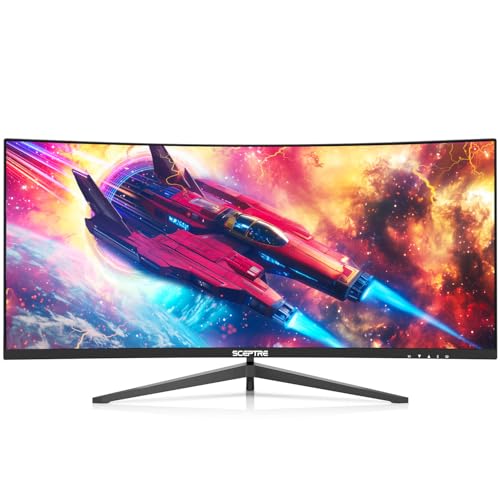


Who Should Buy Which 30 Inch LCD Monitors?
Pick by the work you repeat each week, because a larger screen magnifies both strengths and weak points. Readers who want a broader size overview can see our guide to the best 30 inch monitors.
Remote Workers and Creators
You spend long hours in documents, calls and shared files, and you may edit photos or video between meetings. Prioritize sharp text at a native resolution of 2560 by 1440 or higher, accurate color and a USB C port that can charge a laptop through one cable. For a desk focused shortlist, see our guide to the best 30 inch computer monitors alongside the options here.
Students and Everyday Users
You need one screen for study, browsing, streaming and light games, often in a shared room or a small bedroom. Look for an IPS panel for clear viewing from a chair or a bed, built in speakers to save desk space, and a price of about $200 to $350.
Gamers and Power Users
You play fast games, keep many windows open or work with large timelines and code. Choose a model with a refresh rate of 144 Hz or more, a response time of 1 to 5 milliseconds and adaptive sync that matches your graphics card. An ultrawide version can also replace two smaller screens for games and timelines. Check graphics card output limits first, because an older card may drive the panel at a lower refresh rate than the box promises.
Key Features to Compare
Specs only matter when they change what you see or how you work. When you compare best 30 inch lcd monitors on paper, five factors decide most of the gap in price and picture quality.
Resolution and Pixel Density at 30 Inches
Resolution decides how sharp text and images look at this larger size. A 1920 by 1080 panel spreads too few pixels across 30 inches, so letters look grainy at a normal desk distance. Most buyers should start at 2560 by 1440, which gives about 98 pixels per inch and crisp text without scaling. A 3840 by 2160 panel reaches about 147 pixels per inch and suits detailed photo work. Ultrawide models add width at 2560 by 1080 or 3440 by 1440.
LCD Panel Type, Color and Contrast
All LCD screens shine a backlight through a liquid crystal layer, and the panel type controls color and contrast. IPS panels hold color well from side angles and cover wide color gamuts, which suits shared desks and photo work. VA panels give deeper blacks, often around three times the contrast of IPS, but color can shift at wide angles. TN panels respond fastest and cost least, yet their narrow viewing angles suit few buyers at this size. Creators should look for at least 95 percent coverage of the DCI P3 gamut.
Motion Clarity and Sync on a 30 Inch LCD
Refresh rate counts how often the picture updates each second. A 60 to 75 Hz screen feels fine for documents and video, while 144 Hz or more looks much smoother for mouse movement and fast games. Response time measures how fast pixels change color, and lower numbers reduce blur behind moving objects. Adaptive sync lets the screen match the frame rate of your graphics card, which cuts tearing and stutter during games. Match the sync type to your card before you pay extra for a high top speed.
Brightness, HDR and Eye Comfort
Most models at this size offer about 250 to 350 nits of brightness, which suits indoor desks well. Bright rooms and windows behind you may call for 400 nits or more plus a matte finish. HDR adds punch to films and games only when the panel has the brightness and local dimming to show it, and a basic HDR label on a dim panel changes little. Flicker free backlights and low blue light modes can ease long sessions. If headaches or eye pain persist after you adjust brightness and distance, have your eyes checked by a professional.
Ports, Speakers, Stand and VESA Mounting
Check ports before you fall for a picture you love. You want at least one HDMI port and one DisplayPort input, plus USB C if you use a laptop and want one cable for picture, data and charging. Built in speakers save space for calls and casual video. A good stand adjusts for height, tilt and swivel, and a VESA mount pattern of 75 by 75 or 100 by 100 millimeters lets you use a monitor arm instead.
How to Measure Your Desk and Set Up a 30 Inch LCD Monitor
Measure before you order, because width is the surprise with this size. A 30 inch widescreen panel is about 27 inches wide, and an ultrawide version can reach about 28 to 29 inches wide. Leave room on both sides for speakers, a lamp or a laptop.
Aim for a viewing distance of about 24 to 36 inches, with the top of the screen near eye level and the panel tilted slightly back. If your desk is under about 24 inches deep, a smaller screen may serve you better, so see our guide to the best 27 inch lcd monitors and our guide to the best 27 inch monitors for tighter setups. Route cables behind the stand, then set height once you sit in your normal chair.
Common Mistakes to Avoid
These errors cost money or comfort, and each one is easy to check before you order.
- Buying a 1920 by 1080 model at this size leaves text grainy and forces constant scrolling in wide documents.
- Ignoring your graphics card limits can leave a fast panel stuck at 60 Hz, so the speed you paid for never appears.
- Placing a 30 inch panel on a shallow desk puts the edges outside comfortable view and leads to constant head turning.
- Paying for wide color coverage you never use wastes budget that could have bought a better stand or a brighter panel.
- Skipping the VESA pattern check can leave you with a monitor arm that cannot attach to your new screen.
Care and Maintenance for a 30 Inch LCD Monitor
Clean the screen with a dry microfiber cloth and light pressure, and unplug the monitor first so smudges show clearly on the dark panel. For stubborn marks, dampen the cloth with plain water and wipe gently. Never spray liquid straight onto the screen, because drips can run behind the lower edge and damage the panel. Keep paper towels and household glass cleaner away from the coating.
Set brightness near the level of the room instead of leaving the vivid factory mode on, because a very bright picture tires your eyes. Use the built in calibration controls or your computer color settings to set white balance and gamma once, then leave them alone. Dust the vents with a soft brush each month.
Frequently Asked Questions
Does a higher refresh rate matter on a 30 inch LCD monitor for office work?
A higher refresh rate helps office work a little, but it is not the first upgrade to buy. Scrolling and window movement look smoother at 120 Hz or more. The bigger gains for documents come from sharp resolution and a stand at the right height. Spend on speed only after those basics are covered.
Is IPS or VA better for a 30 inch LCD monitor?
IPS is better for most desks, while VA suits dark rooms and film fans. IPS keeps colors steady when you lean back or share the screen, which helps group work and photo checks. VA shows deeper blacks in films and night scenes. Check in person for black smearing, where dark moving objects leave faint trails on some VA panels during fast games.
Is 4K resolution worth it on a 30 inch LCD monitor?
4K is worth it if you edit photos, work with fine detail or sit close to the screen. Text and images look very sharp at full size. The trade off is cost and demand on your graphics card, plus scaling settings so menus stay readable. If 1440p text already looks crisp on your current screen, 4K may add little.
How much desk depth does a 30 inch LCD monitor need?
Most desks need about 28 to 32 inches of depth for comfortable viewing at this size. That depth leaves space for the stand feet, a keyboard and a viewing distance near 24 to 36 inches. A monitor arm can reclaim several inches by moving the panel back and lifting the feet off the desk. Measure from the wall to the front edge of the desk before you decide.
How long does a 30 inch LCD monitor usually last?
A 30 inch LCD monitor usually lasts about seven to ten years in daily home or office use. The backlight slowly dims over time, so an older screen may look less bright even when it still works well. Plan a replacement when brightness drops, colors shift unevenly across the panel, or ports no longer match your computer.
Wrapping Up
Match the panel to your routine first: sharp 1440p or 4K resolution for text and detail, the right LCD panel type for your room, and a stand and ports that fit your desk. Speed matters most for games, while color and contrast matter most for creative work.
With those points clear, compare the best 30 inch lcd monitors in the product table above and pick the model that fits your daily routine without paying for features you will not use.