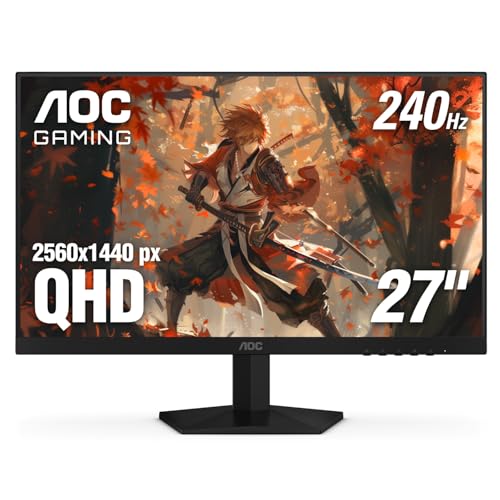
Best 27 Inch LCD Monitors by Budget: A Smart Buying Guide for 2026
Disclosure: We may earn a commission when you buy through links on this page, at no extra cost to you. As an Amazon Associate I earn from qualifying purchases. Learn more
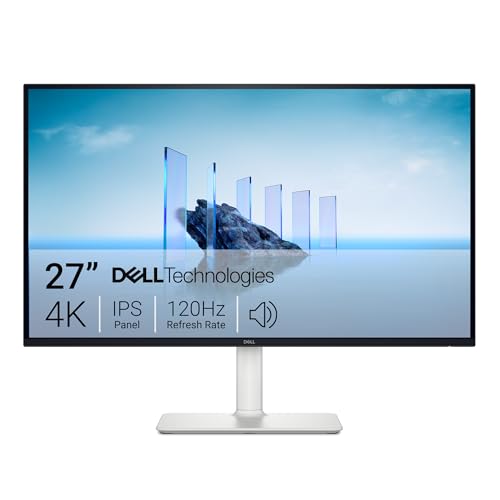
A budget guide to the best 27 inch lcd monitors, covering resolution, panel type, brightness, stands, ports and long term costs.
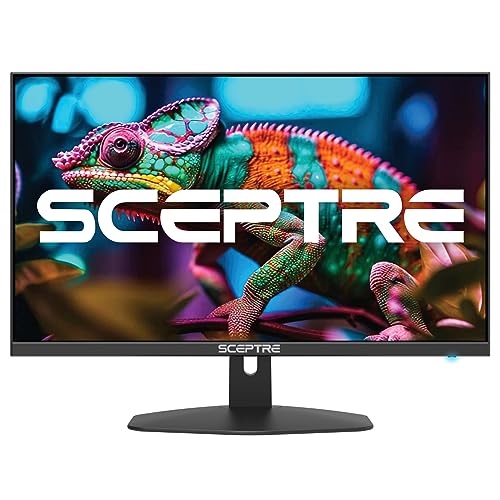
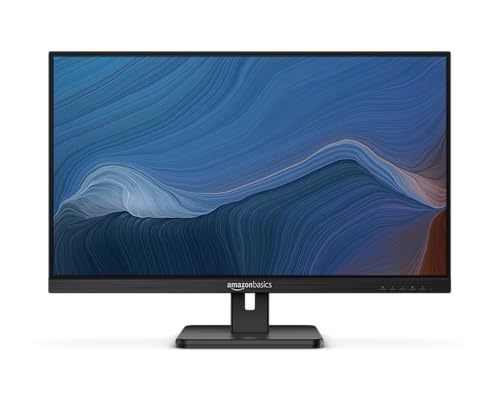
Prices for a 27 inch screen run from a little over one hundred dollars to well above five hundred, and the gap is not just about brand names. The best 27 inch lcd monitors spend your money on the panel, the stand and the ports you use each day. Use the product table to see how each tier trades sharpness, speed and color.
Start with your main job for the screen. Office text, photo work, console play and fast PC games each reward a different mix of resolution, refresh rate and brightness. The sections that follow sort those choices by budget first.

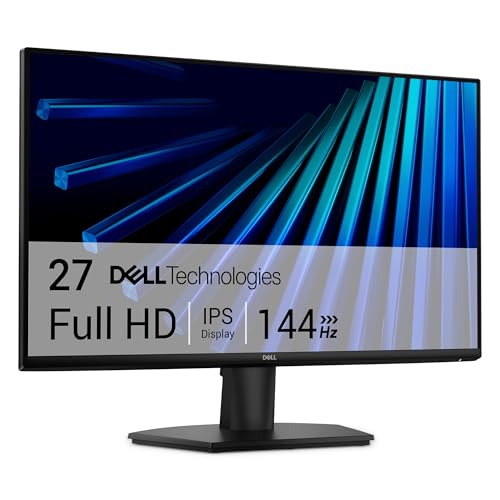
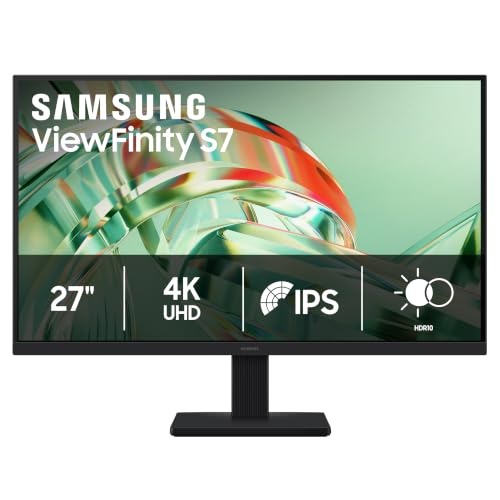



Who Should Buy a 27 Inch LCD Monitor on Each Budget?
A 27 inch screen gives you room for two windows side by side without taking over a normal desk. Which tier fits depends on how long you sit and how much color accuracy matters.
Office and Study Users Who Mostly Read and Write
You spend your day in documents, mail and spreadsheets. A budget model with clear text, a matte finish and a stable stand covers that work well. Spend more only for sharper small text or a height adjustable stand. For a wider view of desk focused options, see our guide to the best 27 inch pc monitors alongside this breakdown.
Households Sharing One Screen for Work and Streaming
You move between school work, video calls, films and casual games on the same desk. The middle tier usually suits you best, since it adds a sharper panel, better viewing angles and extra ports a shared setup uses often. Wide color and steady brightness matter more here than extreme speed.
Creators and Serious Gamers Who Push the Panel Hard
You edit photos or video, or you play fast games where motion clarity shapes the result. The premium tier is built for you, with stronger color coverage, higher refresh rates and fuller HDR support, plus more ports. If gaming is your main use, compare the choices here with our guide to the best gaming monitors 27 inch before you decide.
27 Inch LCD Price Bands and What Each One Adds
Think of each tier as a set of trade offs rather than a simple good or bad label. The notes below use typical US prices.
Budget Tier: Clear Text and Basic Ports for Daily Work
Budget displays usually cost about $120 to $180. Most offer 1080p, a 60 Hz or 75 Hz refresh rate and a tilt only stand. Color and brightness suit documents and video, but viewing angles can narrow and HDR is mostly a label. Choose this tier for a second screen or light office.
Midrange Tier: Sharper Images and Smoother Motion
Models here usually cost about $200 to $350, and this is where the best 27 inch lcd monitors search often ends for mixed use buyers, since the gains are easy to see. Most step up to 1440p, refresh rates of 100 Hz or more and height adjustable stands. Brightness and color improve too.
Premium Tier: Color Depth and Speed for Demanding Use
Premium models usually cost about $400 to $700 or more. Expect 4K on many models, refresh rates up to 144 Hz or higher on gaming versions, and wide color coverage for photo work. Backlights get brighter and more even. Pay this much only when your work or play can use the extra sharpness, speed or color.
Key Features to Compare
Compare features in the order your eyes notice them: sharpness first, then panel behavior, motion, light and color, and finally connections.
Resolution at 27 Inches and Your Sitting Distance
At 27 inches, 1080p can look soft for close desk work, since each pixel is fairly large at a viewing distance of about 24 to 30 inches. A 1440p panel packs more detail into the same space, so text looks cleaner; see our guide to the best 27 inch 1440p monitors if that balance appeals to you. A 4K panel looks sharpest, but your computer must scale text so it stays readable.
Panel Type and Backlight on an LCD Screen
LCD monitors use IPS, VA or TN panels lit by an LED backlight, and each favors a different strength. IPS gives wide viewing angles and steady color, VA gives deeper contrast for films, and TN favors speed at low cost but shifts color off center. Mini LED backlights add finer brightness control on premium models. OLED is a separate technology that lights each pixel on its own, so it is a different choice from an LCD model.
Motion Handling on a 27 Inch LCD Panel
Refresh rate, measured in Hz, tells you how often the image updates each second, and higher rates make scrolling and game motion look smoother. Response time describes how fast pixels change, and slow changes can leave a faint trail behind moving objects. Adaptive sync matches the screen rate to your graphics card output, which reduces tearing in games. Console players should check for HDMI 2.1, since it supports higher rates at higher resolutions.
Brightness, HDR and Color Coverage
Brightness is listed in nits, and about 250 to 350 nits suits most indoor desks, while a bright room near windows may call for more. HDR widens the range between dark and bright areas, but it only looks convincing when the backlight reaches high peak brightness and controls dark zones well. Color coverage is shown as a share of sRGB or DCI P3; editors should look for wide DCI P3 coverage.
Stand Movement, VESA Mounts and Ports
A stand that adjusts for height and tilt helps you place the top of the screen near eye level, which eases neck strain in long sessions. Pivot and swivel help with portrait documents and shared viewing. A VESA mount pattern, most often 100 by 100 mm, lets you attach the screen to an arm later. Count ports first: most buyers need HDMI and DisplayPort, and USB C with video input cuts cable clutter.
What a 27 Inch LCD Costs to Own Over the Years
The purchase price is only part of what a monitor costs you. A monitor arm, a longer cable or a calibration tool can add about $30 to $100. Power use is modest for this size, yet a bright screen run all day costs a little more each year. Warranty length also matters, since a panel fault after the first year can mean full replacement cost. If budget is your filter, see our guide to the best 27 inch monitors for a broader price view.
Common Mistakes to Avoid
- Buying 1080p at 27 inches for close text work leaves letters looking coarse and forces more scrolling.
- Paying for HDR on a dim panel wastes money, since the screen cannot show the bright highlights HDR needs.
- Ignoring stand height forces you to stack books under the monitor or strain your neck.
- Forgetting to count ports leaves a console or laptop unplugged or forces cable swaps.
- Skipping the VESA pattern check means an arm you buy later may not fit your monitor.
Care and Maintenance for a 27 Inch LCD Monitor
Clean the screen only when it is off and cool, using a dry microfiber cloth with light pressure. For marks that stay, dampen the cloth with distilled water, never spray liquid on the panel, and keep ammonia cleaners away from the coating. Dust the back vents each month, since blocked vents trap heat and shorten backlight life.
Support the screen by its stand or frame when you move it, and never press on the panel with your thumbs. Keep cables loose with a gentle curve at each port. Lower brightness in a dim room, since full brightness all day ages the backlight faster.
Frequently Asked Questions
Does refresh rate matter on a 27 inch LCD monitor for office work?
Yes, a higher refresh rate can help office work, though the gain is smaller than in games. Scrolling and moving windows look smoother at 100 Hz or above, which some readers find easier on the eyes. The benefit depends on your computer sending that rate, so check display settings after setup and confirm it is active.
Is 4K worth it on a 27 inch LCD monitor?
Yes, 4K is worth it on this size if you edit photos, work with fine detail or sit close. You will likely use scaling, which keeps text readable while images stay very sharp. Shoppers who want that route can see our guide to the best 27 inch 4k monitors for models built around that resolution. For plain documents, 1440p gives most of the benefit for less money.
How much desk space does a 27 inch LCD monitor need?
A 27 inch LCD monitor needs about 24 to 25 inches of width and about 8 to 10 inches of depth for its stand. Leave extra depth behind the stand for cables and a few inches on each side for speakers. On a shallow desk, a VESA arm frees the area under the screen for a keyboard.
How long does a 27 inch LCD monitor usually last?
A 27 inch LCD monitor usually lasts about seven to ten years of regular use. The backlight slowly dims with age, so an older screen may look less bright even when it works well. You will often replace a monitor because ports or resolution no longer suit your computer, rather than because the panel has failed.
Is IPS or OLED better for a 27 inch monitor?
IPS is better for most desk buyers who work with static screens all day, while OLED suits viewers who prize perfect blacks for films and games. OLED pixels can wear unevenly when the same bright element stays on screen for many hours, a risk for taskbars. IPS panels avoid that worry and cost less at this size, but their blacks look more like dark gray.
Wrapping Up
Match the tier to your main task first: 1080p and a simple stand for light work, 1440p and a height adjustable stand for mixed use, and 4K or high speed panels only when your work or games demand them. Then check ports and VESA fit. Use the product table above to confirm the final price and feature mix.
When you compare best 27 inch lcd monitors with those points in mind, the right tier usually stands out quickly. Buy the least costly tier that covers your needs.