
Best 3 Quart Saute Pans (2026): Materials, Fit and Care
Disclosure: We may earn a commission when you buy through links on this page, at no extra cost to you. As an Amazon Associate I earn from qualifying purchases. Learn more

Choose the best 3 quart saute pan by material, base, lid and oven limit, with realistic budget ranges.
A 3 quart saute pan earns its cabinet space on the nights when a skillet feels too shallow and a stockpot feels far too big. It browns chicken, simmers a pan sauce, and holds greens without spilling over the rim. Finding the best 3 quart saute pan for your home comes down to your stove, your storage, and how many people sit at your table most nights.
This guide focuses on daily life rather than chef performance: how the size fits small kitchens, which materials suit different routines, and what ownership costs over time. If you want the wider picture first, see our guide to the best saute pan. The comparison table below pulls the key options together so you can scan them quickly.


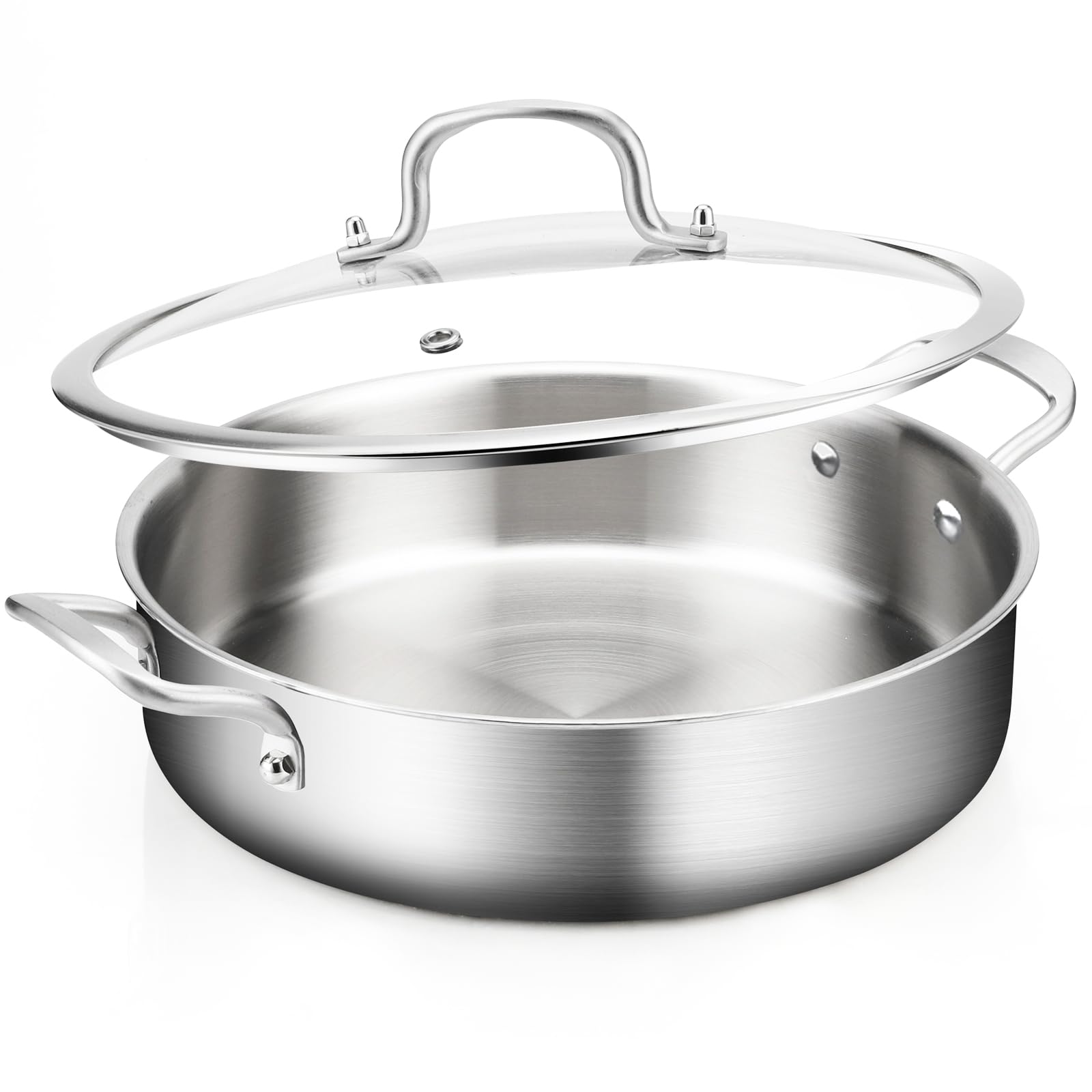


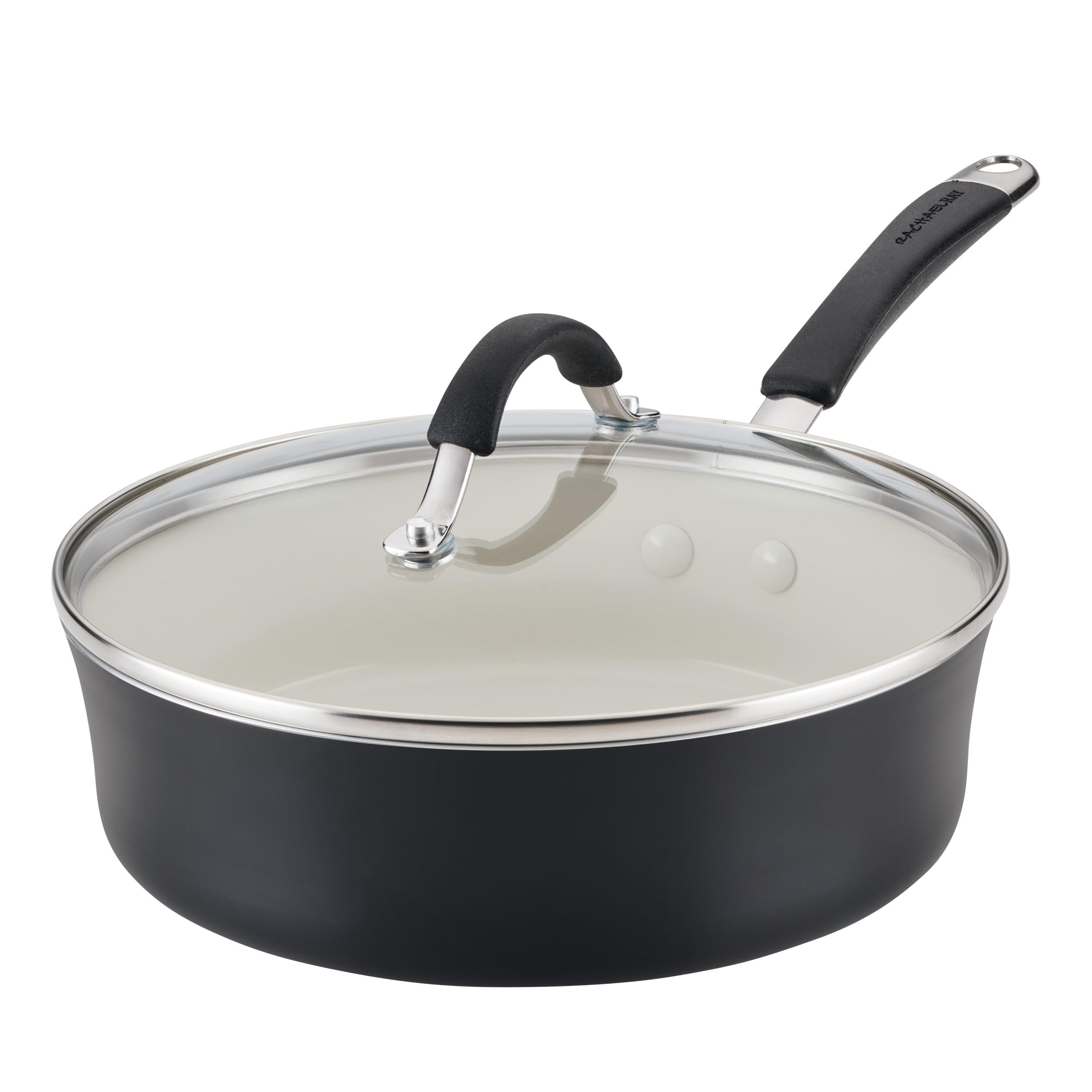

Quick Answer: The Short Version
For most homes, a clad stainless steel 3 quart saute pan with a fitted lid is the safest long term choice, since it browns well, handles sauces, and tolerates metal utensils. A coated pan suits cooks who want easy release for eggs and fish. A heavy enameled pan suits households that braise often. Whichever route you take, the best 3 quart saute pan is the one whose base matches your burner and whose handle feels balanced when the pan is full.
Before You Buy: A Quick Checklist for Choosing a Saute Pan
Size: Match It to Your Space
Capacity alone can mislead you, since two pans labeled 3 quart can have different widths and wall heights. Most models measure about 10 to 11 inches across with straight sides roughly 2 to 3 inches tall. That footprint fits a medium burner and a standard cabinet, while the tall walls hold sauces that would slosh out of a skillet. If you often cook four large chicken breasts at once, compare this size with the options in our guide to the best 12 inch saute pan, since the extra width spreads food into a single layer.
Which Type Fits Your Routine
Think about your three most common weeknight meals, then match the material to them. Stainless steel suits browning, deglazing, and tomato based sauces. Nonstick and ceramic coated pans suit gentle heat cooking and fast cleanup after eggs or fish. Cast iron holds heat through long simmers but adds real weight. Copper heats fast yet needs polishing and costs the most, so it fits keen cooks rather than busy family kitchens.
Features Worth It (and Ones to Skip)
A fitted lid is worth paying for, since it traps steam for rice, greens, and shallow braises and cuts splatter when you fry. A helper handle opposite the main handle is also worth it, because a full pan of sauce is heavy to lift with one wrist. Skip bundled extras you will rarely use, such as steamer inserts and matching utensils, which add cost without improving the cooking surface or the base.
Is It Non Toxic?
Shoppers who want to avoid PFAS based coatings have three clear routes. Bare stainless steel has no coating to wear away, and cast iron builds its surface from seasoned oil over time. Ceramic coated pans use a mineral based layer with no PFAS, yet that layer wears faster than steel and cannot be renewed at home. For a closer look at that route, read our guide to the best ceramic saute pan. Follow the maker heat limits for coated pans, and retire one once the surface is deeply scratched or starts to flake.
Induction, Gas, and Glass Top Compatibility
Check the base before you fall for the cooking surface. Induction burners need a magnetic base, so bring a fridge magnet when you shop in person, or confirm the induction symbol in the product details online. On gas, a thick base spreads flame heat and reduces scorching at the center. On glass top stoves, look for a flat, smooth base and lift rather than slide the pan, since grit under a rough base can scratch the glass. Treat any wobble on a flat counter as a deal breaker.
Oven Safe Temperature and Handles
Many recipes start on the stove and finish in the oven, so check the stated oven limit for both the pan and its lid before you buy. Glass lids often carry a lower limit than metal lids, and coated pans a lower limit than bare steel. Long hollow steel handles stay cooler on the stove than solid handles, while silicone coated grips feel secure but may cap the oven temperature. Also check that the full length, handle included, fits your oven.
Realistic Budget Ranges
For under $50, expect a single material pan, often coated aluminum or simple stainless steel, with a thinner base and a shorter service life. The band of about $50 to $100 is where fully clad bodies, better lids, and sturdier handles become common, and it suits most home cooks well. Paying about $100 to $200 buys thicker cladding and longer warranties, a sensible upgrade if you cook daily, though it does not change the capacity.
Three Types of 3 Quart Saute Pans Compared
Clad Stainless Steel for Homes That Cook Almost Everything
A clad pan bonds layers of steel around an aluminum or copper core, so heat travels across the base and up the sides instead of pooling in one hot ring. That even spread pays off when you sear meat, then build a sauce from the browned bits, and cooks who use the pan four or more nights a week get the most from it. The trade off is cleanup, since eggs and cheese stick, and the pan asks for a soak rather than a quick rinse.
Coated Pans for Small Households and Quick Weeknight Meals
Coated pans fit apartments, couples, and anyone who cooks small portions often and washes up right away. The slick surface releases fish and fried eggs with little fat, and the light body is easy to move with one hand, even for older cooks. This type works best if your menu leans on gentle heat rather than hard searing. Plan on gentle tools and no cooking spray, and accept that the coating is a wearing part.
Enameled Cast Iron for Slow Cooking and Serving at the Table
Enameled cast iron suits households that braise, stew, and serve family style from the pan itself. The enamel needs no seasoning, resists acidic sauces, and looks at home on a dining table. Steady heat retention helps when you add cold ingredients to a hot sauce, since the temperature dips less. The costs are weight and care, because a full pan can strain wrists and enamel can chip if it knocks against other cookware. If that steady heat appeals to you, our guide to the best cast iron saute pan covers the bare and enameled options in more depth.
How to Compare 3 Quart Saute Pans
When comparing pans in this size, weigh five things: heat distribution, judged by base thickness and cladding coverage; durability, including handle attachment and warranty length; material safety, with clear statements about coatings; stovetop and oven compatibility; and cleaning effort, since a pan that is hard to wash gets used less. These judgments come from maker specifications and patterns in verified buyer feedback.
Is a 3 Quart Saute Pan the Right Size for You?
This size feeds two to four people comfortably. It holds about four chicken thighs with sauce, a pound of pasta finished in its sauce, or a full pan of braised cabbage with room to stir. Families of five or more will find it tight as a main dish pan, though it still works well for side dishes and sauces. For a fuller walk through of capacities and household sizes, see what size saute pan do i need before you commit.
Storage matters too: pan plus lid needs a slot roughly 18 to 20 inches long once you count the handle.
Common Mistakes to Avoid
- Buying by the top width alone, which leaves you with a pan too shallow for sauces or too wide for your burner.
- Ignoring the base diameter, so the pan heats unevenly on a small electric or induction burner.
- Forgetting the lid, then finding that rice, greens, and braises splatter or dry out without one.
- Using high heat and metal tools on a coated pan, which shortens the life of the surface fast.
- Paying for a large matching set when you only need this one pan, which crowds cabinets and wastes budget.
Cost of Ownership and Care
The purchase price is only part of what a pan costs you. Coated pans are cheapest to buy but most likely to need replacing every few years, so their cost per year can match a steel pan that lasts decades. Steel and enameled pans ask more up front and far less later, though a replacement lid bought later can cost a large share of a budget pan price.
Daily care is simple. Wash the pan after it cools, dry it fully before storing, and keep coated and enameled pans separated from bare metal with a cloth or pan protector. Check handle screws or rivets once in a while and tighten anything that loosens, since a wobbling handle is unsafe with hot food.
FAQ
How do you clean a 3 quart saute pan after cooking a sticky sauce?
Let the pan cool first, since cold water on a hot base can warp even thick metal. Fill it with warm water and a drop of dish soap for about 20 minutes, then lift the softened sauce away with a wooden spoon or a soft sponge. For a browned film on steel, simmer plain water for a few minutes and scrape gently while it bubbles.
Is a 3 quart saute pan worth it if you already own a skillet?
Yes, if your skillet leaves you short on depth. The straight, taller sides hold liquid for finishing pasta, wilting greens, and simmering curries, and the fitted lid keeps that liquid in the pan instead of on the stove. A skillet still wins for foods you flip often, like pancakes. Many cooks use the saute pan for weeknight one pot meals and the skillet for breakfast, so the two tools split the work rather than duplicate it.
How long does a 3 quart saute pan last?
It depends mostly on construction and habits. A clad steel pan can serve for decades, while coated pans give shorter service before release performance fades. One check worth doing each year is to set the empty pan on a flat counter and press the rim. If it rocks more than it used to, the base has warped and heat contact will suffer. Warranty exclusions for overheating also tell you how the maker expects the pan to be treated.
What size saute pan do you need for a family of five?
A 3 quart pan can work for a family of five if you cook in two batches or serve the dish over rice or pasta that cooks elsewhere. For single batch main dishes with sauce, a larger pan in the 4 to 5 quart range gives everyone a proper portion without crowding, and crowded food steams instead of browning. Keeping the 3 quart pan for sauces and pairing it with a wide skillet for proteins often costs less than one very large pan.
Can a 3 quart saute pan go straight from the stove to the table?
Yes, with a few habits. Set the hot pan on a trivet or a folded dry towel, since direct contact can mark wood and crack stone with heat shock. Warn everyone that the handle is hot, and turn it away from the edge where a sleeve or a child could catch it. Enameled and steel pans present best for serving, while coated pans are better decanted into a bowl, which also spares the coating from serving spoons.
Final Thoughts
Start with your stove, your storage, and the number of people you feed, and the right material usually becomes obvious. Clad steel covers the widest range of meals, coated pans keep weeknights easy, and enameled cast iron rewards patient cooks. Use the product table above to line up the best 3 quart saute pan for your kitchen against those needs.


